
Teaching your dog to fetch the newspaper isn’t just a neat party trick; it’s a useful skill that can make your mornings a bit smoother. Plus, it’s a fun way to bond with your furry buddy. Whether your dog is a natural retriever or needs a little more guidance, this step-by-step guide will walk you through the process. From understanding your dog’s instincts to keeping the training sessions fun and engaging, we’ve got you covered. Let’s dive into the journey of teaching your dog how to fetch the newspaper.
Key Takeaways
- Understanding your dog’s natural instincts can make fetch training easier.
- Gather the right supplies and create a safe training environment.
- Start with basic commands like ‘sit’ and ‘stay’ to build a foundation.
- Introduce the newspaper gradually and use positive reinforcement.
- Keep training sessions regular and adapt to your dog’s progress.
Understanding Your Dog’s Natural Instincts
Recognizing Fetching Behaviors
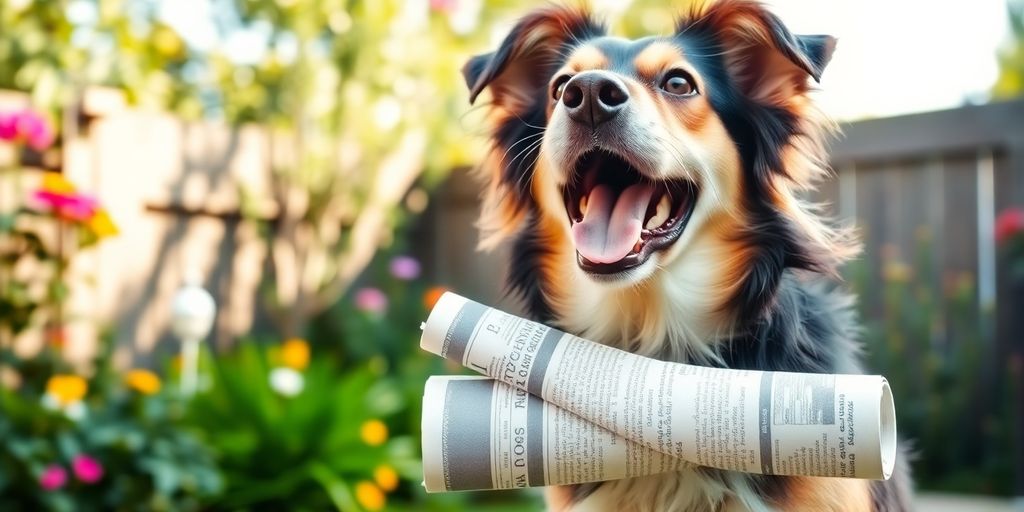
Fetching isn’t just a fun game; it’s rooted in your dog’s instincts. Most dogs have a natural tendency to chase and retrieve objects. This behavior can be traced back to their wild ancestors who needed to catch prey for survival. Today, this instinct is harnessed in play, providing both physical exercise and mental stimulation. When you observe your dog, you might notice them chasing after a ball or toy without any training. This is their instinct kicking in. Recognizing and encouraging these behaviors can make fetch training much easier.
The Role of Breed in Fetching
Different breeds have different fetching abilities. For instance, retrievers are known for their fetching prowess, thanks to their history as hunting companions. On the other hand, breeds like bulldogs might not be natural fetchers but can still learn with patience. Understanding your dog’s breed can help tailor your training approach. Some breeds might require more encouragement and motivation, while others might take to fetching naturally. Knowing this can help you set realistic expectations and customize your training sessions.
How Instincts Influence Training
Your dog’s instincts play a crucial role in how they learn. Tapping into these instincts can make training more effective. For example, if your dog naturally loves to chase, you can use this to your advantage by incorporating chasing games into your training routine. Instincts can also influence how quickly a dog picks up new commands. Dogs that are naturally inclined to fetch might learn the "fetch" command faster than those who aren’t. By understanding and working with your dog’s instincts, you can create a more enjoyable and successful training experience.
Preparing for Fetch Training
Gathering the Right Supplies
Before you start training, make sure you have everything you need. You’ll want to grab a few different newspapers to find out which one your dog likes best. Some dogs prefer the texture of a thicker paper, while others go for the thin, crinkly kind. Don’t forget a stash of treats for rewarding your pup when they get it right. A clicker can also be handy if you use clicker training.
Creating a Safe Training Environment
Having a safe space is super important. Look for an area that’s free from distractions and hazards. Your backyard might be perfect, or maybe a quiet room inside. Make sure there’s enough room for your dog to move around. If you’re outside, keep an eye out for other animals or people who might interrupt your session.
Setting Realistic Goals
Start small and build up. You can’t expect your dog to fetch the paper from the end of the driveway on day one. Set goals that make sense for your dog’s age and skill level. Maybe today, it’s just picking up the paper, and tomorrow, it’s bringing it back to you. Remember, patience is key, and each dog learns at their own pace. Consistency is your best friend here, so keep at it and celebrate the little wins along the way.
Training your dog to fetch involves four key steps: first, work in an enclosed space to minimize distractions; second, teach your dog to chase the toy; third, encourage your dog to return the toy; and finally, teach your dog to drop the toy on command. Learn more about these steps.
Building a Strong Foundation with Basic Commands
Teaching ‘Sit’ and ‘Stay’
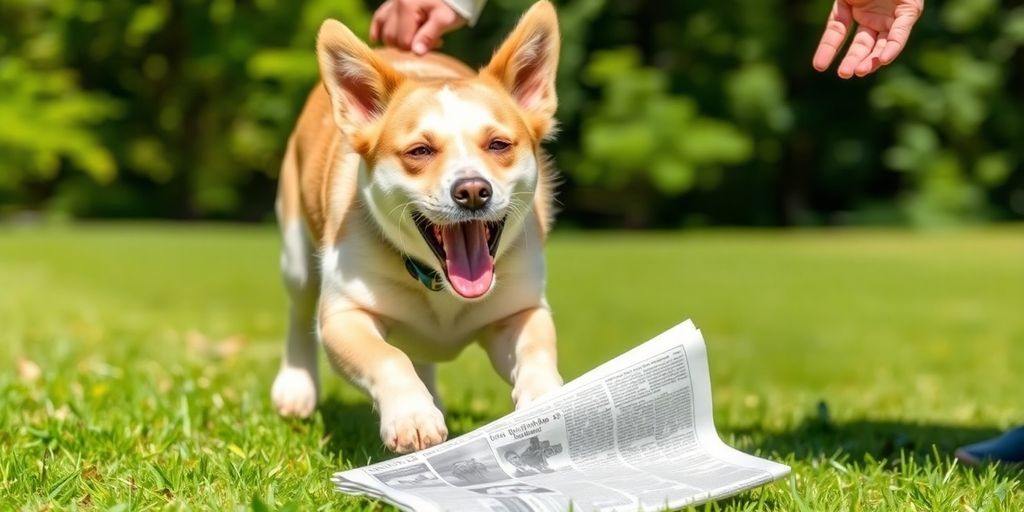
Before diving into fetch training, it’s important to teach your dog the basic commands like ‘sit’ and ‘stay.’ These commands are the building blocks for more advanced training. Start by finding a quiet spot free from distractions. Hold a treat close to your dog’s nose, then move your hand up, allowing their head to follow the treat and causing their bottom to lower. Once they’re in a sitting position, say "sit," give them the treat, and offer praise. For the ‘stay’ command, ask your dog to sit, then open your palm in front of you and say "stay." Take a few steps back, then reward them if they remain seated. Gradually increase the distance and duration.
Mastering the ‘Drop It’ Command
A crucial part of fetch is getting your dog to release the item they’ve retrieved. To teach ‘drop it,’ start with a toy your dog enjoys. Let them hold the toy in their mouth, then show them a treat. When they drop the toy to reach for the treat, say "drop it," and give them the treat. Consistency is key here, so practice regularly and be patient.
Using Positive Reinforcement
Positive reinforcement is a powerful tool in dog training. Reward your dog with treats, praise, or petting whenever they follow a command correctly. This encourages them to repeat the behavior. Over time, you can gradually reduce the treats and rely more on praise and affection. Positive reinforcement not only makes training enjoyable but also strengthens the bond between you and your dog.
Introducing the Newspaper as a Fetch Item
Choosing the Right Newspaper
When it comes to teaching your dog to fetch a newspaper, picking the right one is crucial. Opt for a newspaper that is not too bulky or heavy, as this could discourage your dog from wanting to pick it up. Choose a newspaper that your dog can easily handle and that won’t fall apart easily when carried. Consider starting with a rolled-up version to make it more manageable for your dog.
Gradual Introduction Techniques
Introducing the newspaper should be a slow and steady process. Start by letting your dog sniff and explore the newspaper without any pressure to fetch it. Use treats to reward your dog for showing interest. Gradually, encourage your dog to pick up the newspaper by placing treats on it or near it. Once your dog is comfortable with this, you can begin to incorporate the "fetch" command.
Overcoming Common Challenges
Training your dog to fetch a newspaper might come with some hiccups. One common issue is your dog chewing on the newspaper. To combat this, ensure you use positive reinforcement when your dog handles the newspaper correctly. Another challenge could be a lack of interest. In such cases, try DIY training methods that can make the process more engaging for your dog. If distractions are a problem, practice in a quiet space until your dog becomes more focused.
Advanced Fetch Techniques

Increasing Distance and Difficulty
Once your dog has the basics down, it’s time to up the ante. Start by gradually increasing the distance of the fetch. This not only challenges your pup but also boosts their stamina. Remember to keep it fun; if your dog seems tired, take a break. You can also introduce obstacles like small jumps or weaving through cones to make it more interesting.
Incorporating Fetch Toys
Not all fetch toys are created equal. Experiment with different types, like balls, frisbees, or even a dog ball launcher, which can add a new dimension to your fetch games. Each toy has its own way of flying or bouncing, which can keep your dog on their toes and engaged.
Training in Different Environments
Switching up the environment can make a big difference. Try playing fetch in a park, a beach, or even your backyard. Each setting presents new challenges and distractions, helping your dog learn to focus. Just make sure the area is safe and free from hazards.
Tip: Consistency is key. Practice these advanced techniques regularly to keep your dog’s skills sharp and their mind stimulated.
Maintaining and Reinforcing Fetch Skills
Regular Practice Sessions
Keeping your dog’s fetch skills sharp requires consistency. It’s not just about repetition; it’s about making each session count. Aim for a few short, focused training sessions each week. This helps your dog remember what they’ve learned and keeps them excited about fetching. Consistency is key—make it a fun part of your routine.
Keeping Training Fun and Engaging
Fetch should never feel like a chore for your dog. Mix up your approach to keep things lively. Use different fetch toys or change the location to keep your dog guessing. You might even want to incorporate a game of hide and seek with the newspaper to add a new twist. The goal is to make your dog look forward to fetch time.
Adapting to Your Dog’s Progress
Every dog learns at their own pace. Some might pick up on fetch quickly, while others need a bit more time. Pay attention to your dog’s cues and adjust your training methods accordingly. If your dog seems bored or frustrated, it might be time to introduce a new challenge or take a step back to a simpler task. Remember, patience and consistency are crucial in keeping your dog engaged and happy.
Troubleshooting Common Fetch Training Issues
Addressing Lack of Interest
Sometimes, dogs just aren’t into fetching. If your pup seems uninterested, try mixing things up. Start by using a toy or item they already love. You might want to add a bit of excitement to the game by using a toy that makes noise or one filled with treats. Keeping the game lively can often spark a dog’s interest. Remember, patience is key—don’t rush it.
Dealing with Distractions
Dogs are easily distracted, especially in places with lots of activity. If your dog keeps losing focus, try training in a quieter setting first. Once they get the hang of it, gradually introduce more distractions. You could start in your backyard, then move to a park. Consistency helps here, so stick with it even if it takes time.
Correcting Improper Fetching
If your dog grabs the newspaper but doesn’t bring it back, you might need to reinforce the "bring it here" command. Use treats or their favorite toy as a reward when they do it right. Be sure to praise them enthusiastically. A simple "good job!" goes a long way. If they drop it halfway, calmly encourage them to pick it up again and finish the task.
Training a dog to fetch isn’t always smooth sailing, but with some patience and creativity, you can overcome these hurdles. Keep things fun and rewarding, and your dog will likely catch on in no time.
If you’re also working on paper training your puppy, make sure to keep the training consistent across different activities. This helps your dog understand what’s expected of them in various situations.
If you’re facing issues while training your dog, don’t worry! Many pet owners encounter similar challenges. It’s important to stay calm and patient. Start by reviewing the training methods you’re using. Make sure they are positive and encouraging. If problems persist, consider reaching out for help. For more tips and resources, visit our website and discover how we can assist you in your dog training journey!
Conclusion
Teaching your dog to fetch the newspaper isn’t just a neat trick; it’s a great way to bond and keep them active. Remember, patience is key. Every dog learns at their own pace, so don’t rush it. Celebrate the small wins and keep the training sessions fun. Before you know it, your furry friend will be fetching like a pro. So grab a newspaper, a few treats, and enjoy the journey with your pup. Happy fetching!
Frequently Asked Questions
How can I start teaching my dog to fetch the newspaper?
Begin by teaching your dog basic commands like ‘sit’ and ‘stay’. Use a lightweight toy first and gradually introduce a newspaper.
What if my dog doesn’t seem interested in fetching?
Try using a toy that your dog loves and offer treats as rewards. Keep sessions short and fun to maintain their interest.
How do I teach my dog to drop the newspaper once fetched?
Use the ‘drop it’ command. Practice by exchanging the newspaper for a treat until your dog learns to release it on command.
Can all dog breeds learn to fetch?
Yes, most breeds can learn to fetch, but some may require more patience and training due to their natural instincts.
What should I do if my dog gets distracted easily during fetch training?
Train in a quiet area with minimal distractions. Gradually introduce distractions as your dog becomes more confident in fetching.
How often should I practice fetch training with my dog?
Practice regularly, ideally a few times a week, to reinforce the behavior and keep your dog engaged.