
Training a dog to spin is a fun way to bond with your furry friend and give them some mental exercise. It’s not as hard as it seems, even if you’re new to dog training. With a bit of patience and a lot of treats, you’ll have your dog spinning in no time. This guide will walk you through the process, step by step, so you and your dog can enjoy learning this entertaining trick together.
Key Takeaways
- Positive reinforcement is key to successful dog training.
- Start in a calm environment with minimal distractions.
- Break the spin trick into small, manageable steps.
- Be patient and consistent with your training sessions.
- Use verbal cues and hand signals to enhance communication.
Understanding the Basics of Dog Training
The Importance of Positive Reinforcement
Training a dog effectively hinges on understanding the power of positive reinforcement. This method is all about rewarding good behavior with treats, praise, or play, making your dog more likely to repeat the behavior. It’s a straightforward concept: dogs, like people, are motivated by rewards. When your dog sits on command and gets a tasty treat, they’re learning that sitting when asked leads to good things.
Building a Strong Reward System
A solid reward system is essential for successful dog training. Here’s how you can set it up:
- Identify High-Value Rewards: Figure out what your dog loves the most, whether it’s a specific treat, a favorite toy, or a belly rub.
- Vary the Rewards: Mix it up to keep your dog engaged. Use different treats or toys to maintain their interest.
- Immediate Gratification: Make sure the reward follows the desired behavior immediately, so your dog makes the connection.
Common Mistakes to Avoid
Even with the best intentions, mistakes can happen. Here are some common pitfalls:
- Inconsistency: Not being consistent with commands or rewards can confuse your dog.
- Overusing Commands: Repeating commands too often without results can make them meaningless to your dog.
- Punishment: Using punishment can create fear and anxiety, which are counterproductive to training.
Remember, training is about building a relationship based on trust and mutual respect. Keep sessions short and fun to maintain your dog’s interest and enthusiasm.
For those eager to dive deeper into these essential concepts for effective dog training, distinguishing knowledgeable trainers from novices, remember that experienced professionals utilize these principles to enhance training outcomes.
Preparing Your Dog for the Spin Trick
Choosing the Right Environment
Getting your dog to master the spin trick starts with the right setting. Find a quiet space where distractions are minimal. This could be a corner of your living room or a fenced backyard. The key is to ensure your dog feels comfortable and safe. A familiar environment helps your dog focus better on learning new commands.
Gathering Necessary Training Tools
Before you start, gather some essential tools. A clicker can be handy if you use clicker training. Treats are a must – they should be small and easy to eat quickly. Other tools might include a treat pouch for easy access and a target stick if you plan to use one. Having these ready can make the training process smoother and more efficient.
Establishing Basic Commands
Before tackling the spin trick, your dog should be familiar with basic commands like sit, stay, and come. These commands lay the groundwork for more advanced tricks. Start each session by practicing these basics. This not only reinforces their importance but also warms up your dog for learning new skills. If your dog struggles with these, spend extra time reinforcing them before moving on to spinning.
Training is a journey, not a race. Take it step by step, and celebrate small victories along the way. Patience and consistency are your best friends in this process.
Step-by-Step Guide to Teaching Your Dog to Spin
Breaking Down the Spin Trick
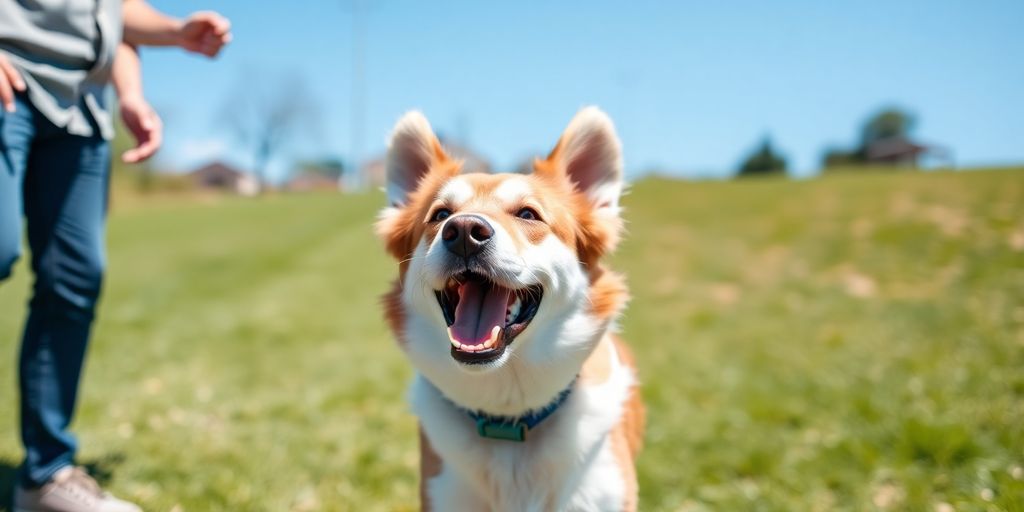
Teaching your dog to spin is a fun and rewarding trick that requires breaking it down into manageable steps. Start by getting your dog to turn their head towards their tail. Once they have that down, encourage them to take a step while maintaining the head turn. Gradually, you can guide them into a full spin. Patience is key in this process; rushing can lead to confusion.
Using Lure and Reward Techniques
Use a treat as a lure to guide your dog through the spin. Hold the treat close to their nose and slowly move it in a circular motion. As your dog follows the treat, they’ll naturally begin to spin. Once they complete the turn, reward them with the treat and lots of praise. This positive reinforcement helps them associate spinning with a reward.
Practicing Consistency and Patience
Consistency is crucial when teaching any new trick. Practice regularly and keep the sessions short to maintain your dog’s interest. Use the same command each time, like "spin," and always reward successful attempts. Consistency and patience will help your dog learn more effectively.
Remember, every dog learns at their own pace. Celebrate small victories and keep the training sessions fun and engaging. With time and dedication, your dog will be spinning like a pro!
Overcoming Challenges in Training a Dog to Spin
Dealing with Distractions
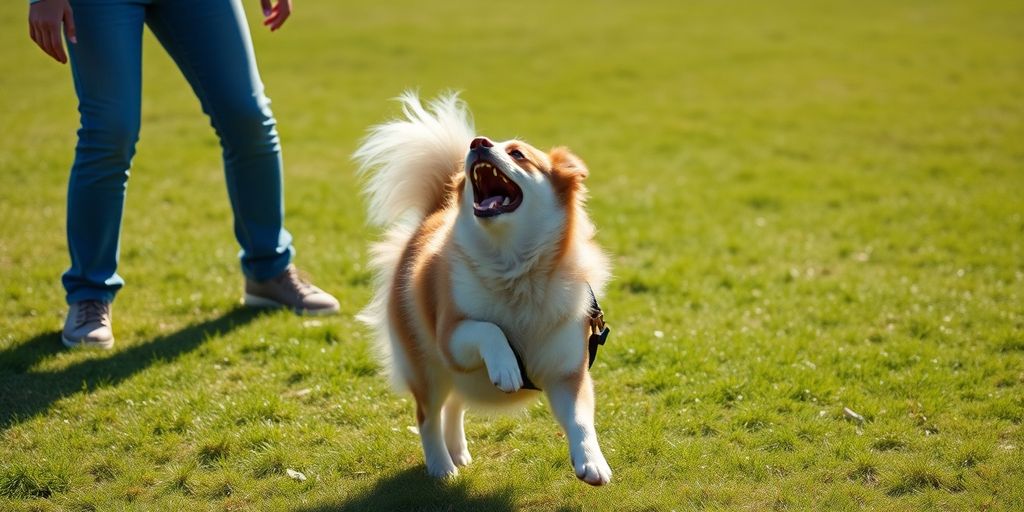
Training your dog to spin can be tricky, especially when distractions come into play. It’s important to introduce distractions gradually. Start with simple distractions like a quiet TV or someone walking by. As your dog gets better, increase the distraction level. This might mean training outside or with other dogs around. Consistency is key here. Make sure your dog is comfortable with each level before moving on.
Adjusting Techniques for Different Breeds
Not all dogs are the same, and some breeds might need a different approach. For instance, larger breeds might need more space to spin, while smaller dogs might pick up the trick quicker. Adjust your technique based on your dog’s size and breed. Pay attention to their response and adjust the training accordingly. Remember, patience and understanding your dog’s unique needs will make the process smoother.
Recognizing Signs of Frustration
Dogs can get frustrated too. Look out for signs like excessive yawning, panting, or avoiding eye contact. If you notice these, take a break. Training should be fun, not stressful. If your dog seems stuck, go back to a simpler step. Encourage them with treats and praise when they do well. Keeping the sessions short and sweet, around 5-10 minutes, can help maintain their interest and prevent frustration.
Training a dog requires patience and understanding. Each dog learns at their own pace, and it’s essential to make the process enjoyable for both you and your pet.
Enhancing the Spin Trick with Advanced Techniques
Incorporating Verbal and Hand Signals
Once your dog has got the basic spin down, it’s time to add some flair. Start introducing verbal cues like "spin" or "twirl" alongside the hand signals. Ensure your dog associates these words with the action. Consistency is key here. Use the same tone and gestures every time. As your dog gets more comfortable, try using just the verbal cue without the hand signal to see if they respond.
Adding Variations to the Spin
Why stop at just one spin? Mix it up by teaching your dog to spin in both directions. This not only keeps things interesting but also helps with their coordination. You can use different cues like "left spin" and "right spin" to differentiate. Another fun idea is to incorporate spins into other tricks, like having your dog roll over and then spin. The possibilities are endless.
Using Spin in Trick Combinations
Combining spins with other tricks can make for impressive routines. For instance, you could teach your dog to "sit," "spin," and then "fetch" in sequence. This not only challenges their memory but also keeps them mentally stimulated. Here’s a simple trick combination to get you started:
- Sit and Stay: Begin with your dog in a sitting position.
- Spin: Give the spin command, rewarding them once they complete it.
- Fetch: Immediately follow up with a fetch command, encouraging them to retrieve a toy.
Remember, the goal is to have fun and strengthen your bond with your dog. Patience and practice are your best friends in this journey.
By practicing these advanced techniques, you’ll not only improve your dog’s skills but also deepen your connection with them. Keep training sessions short and enjoyable, and watch as your dog masters these impressive tricks.
Maintaining and Reinforcing the Spin Trick
Regular Practice Sessions
Keeping your dog sharp with the spin trick requires regular practice. Aim for short, engaging sessions a few times a week. Consistency is key to ensuring your dog doesn’t forget the trick. Mix up the practice locations to make it more exciting for your dog and reinforce the command in different environments. This not only keeps your dog engaged but also helps them generalize the behavior.
Keeping Training Fun and Engaging
Training should be a fun time for both you and your dog. Use toys, treats, and lots of praise to keep your dog motivated. Positive reinforcement is your best friend here. You can even incorporate games into your training sessions. For instance, have your dog spin before a game of fetch or before receiving their favorite toy. This makes the trick part of a fun routine rather than a chore.
Troubleshooting Common Issues
Sometimes, you might hit a snag where your dog seems to forget the trick or becomes less responsive. If this happens, don’t worry. Go back to basics and break down the trick into smaller steps if needed. Ensure you’re using the same command and hand signals every time. If distractions are an issue, try practicing in a quieter environment and gradually introduce distractions as your dog gets more confident. Remember, patience and consistency are your allies.
Training is not just about teaching tricks; it’s a way to build a strong bond with your dog. Enjoy the journey together and celebrate every small success.
To keep your spin trick sharp, practice regularly and reward your dog with treats or praise. This helps your dog remember the trick and enjoy learning. Make sure to mix up your training sessions to keep things fun and interesting. If you want to learn more about effective dog training techniques, visit our website for helpful tips and resources!
Conclusion
Training your dog to spin is more than just a fun trick; it’s a way to strengthen your bond and build trust. Remember, patience is key. Every dog learns at their own pace, so don’t rush the process. Keep sessions short and sweet, and always end on a positive note. Celebrate the small victories, and don’t be afraid to take a step back if things aren’t clicking. With time, consistency, and a lot of treats, your furry friend will be spinning like a pro. So grab those treats, get down on their level, and enjoy the journey together. Happy training!
Frequently Asked Questions
How long does it take to teach a dog to spin?
Training time can vary depending on your dog’s age, breed, and personality. Some dogs might learn in a few days, while others may take a couple of weeks. Consistent practice and patience are key.
What should I do if my dog doesn’t respond to treats during training?
If your dog isn’t interested in treats, try using toys or affection as a reward. Some dogs are more motivated by playtime or praise than food.
Can older dogs learn new tricks like spinning?
Yes, older dogs can learn new tricks! It might take a bit more time and patience, but with positive reinforcement, they can definitely learn to spin.
What if my dog gets distracted easily during training?
Try to train in a quiet environment with minimal distractions. Gradually introduce distractions as your dog becomes more comfortable with the trick.
How do I make sure my dog doesn’t get bored with training?
Keep training sessions short and fun, around 5-10 minutes. Mix up the tricks and use different rewards to keep your dog engaged.
Is it okay to use hand signals along with verbal commands?
Yes, using both hand signals and verbal commands can help your dog understand what you want them to do more clearly. It’s a great way to reinforce the trick.