
Teaching your dog to speak can be a fun and rewarding experience. Not only does it enhance communication between you and your furry friend, but it also strengthens your bond. In this guide, we will explore how to teach a dog to speak effectively, covering everything from understanding their natural communication styles to using positive reinforcement techniques. Let’s dive in!
Key Takeaways
- Recognize your dog’s unique vocalizations and body language for better communication.
- Establish a consistent training routine with clear goals to help your dog learn.
- Use positive reinforcement like treats and praise to encourage speaking behavior.
- Identify triggers that make your dog bark and use play to stimulate vocalization.
- Monitor your dog’s progress and adjust training techniques as needed.
Understanding Your Dog’s Communication Style
It’s easy to assume our dogs understand everything we say, but true communication is a two-way street. We need to learn to understand them just as much as we want them to understand us. This involves paying close attention to their vocalizations, body language, and the context in which they’re communicating. It’s like learning a new language, but instead of grammar books, you’re using observation and empathy.
Recognizing Vocalizations
Dogs use a variety of sounds to express themselves, and it’s not just barking. Whining, growling, yelping, and even sighing all have different meanings. A high-pitched bark might indicate excitement or playfulness, while a low growl could signal fear or aggression. Pay attention to the pitch, volume, and duration of the sound, as well as the situation in which it occurs. For example, a whine at the door probably means they need to go outside, but a whine during playtime could mean they’re frustrated or want attention. Understanding these nuances is key to effective communication.
Body Language Cues
Body language is a huge part of how dogs communicate. Their posture, tail wags, ear position, and facial expressions all tell a story. A relaxed dog will have a loose body, a gently wagging tail, and soft eyes. A fearful dog might tuck their tail, flatten their ears, and avoid eye contact. A playful dog might bow down with their front legs while keeping their rear end up in the air. It’s important to consider the whole picture, not just one isolated signal. A wagging tail doesn’t always mean happiness; it can also indicate excitement or agitation. Here’s a quick guide:
- Relaxed: Loose body, neutral tail, soft eyes
- Playful: Play bow, bouncy movements, excited barks
- Fearful: Tucked tail, flattened ears, avoidance
- Aggressive: Stiff body, raised hackles, direct stare
Understanding Contextual Signals
The environment and situation play a big role in understanding what your dog is trying to say. A bark at the mail carrier is different from a bark during a walk in the park. A dog who is usually friendly but suddenly growls when you approach their food bowl might be resource guarding. Consider what’s happening around your dog, who else is present, and what activities are taking place. This will give you valuable clues about the motivation behind their behavior.
Context is everything. If your dog is barking incessantly at the window, it could be because they see a squirrel, or it could be because they’re feeling anxious and territorial. By paying attention to the surrounding circumstances, you can better understand the root cause of the behavior and address it appropriately.
Establishing a Training Routine
Setting Clear Goals
Before you even start thinking about teaching your dog to "speak," it’s important to figure out exactly what you want to achieve. Are you aiming for a single bark on command, or a more enthusiastic response? Do you want them to only speak when prompted, or are you okay with a bit of spontaneous chatter? Defining these goals upfront will make the training process much smoother. It’s like setting a destination before starting a road trip – you need to know where you’re going!
Choosing the Right Environment
Where you train your dog matters a lot. You wouldn’t try to teach calculus at a rock concert, right? Same goes for dogs. Start in a quiet, familiar place with minimal distractions. Your living room is great. As your dog gets better, you can slowly introduce more stimulating environments. This helps them generalize the command. calm environment is key for effective learning.
Consistency in Commands
Consistency is super important. Use the same word every time you want your dog to speak. Don’t switch between "speak," "talk," and "yap." Dogs thrive on routine, and using the same command each time helps them understand what you expect. Also, make sure everyone in the family is on the same page. If one person uses "speak" and another uses "bark," your dog will get confused.
Think of it like this: you’re teaching your dog a new language. If you keep changing the words, they’ll never learn to understand you. Be clear, be consistent, and be patient.
Here’s a simple breakdown of what consistency looks like:
- Verbal Cue: Always use the same word.
- Hand Signal: If you use one, keep it consistent.
- Timing: Deliver the command at the same point in your routine.
Using Positive Reinforcement Techniques
Positive reinforcement is a game-changer when teaching your dog to speak, or really, any behavior. It’s all about rewarding the behaviors you want to see, making your dog more likely to repeat them. Forget punishment; we’re focusing on the good stuff!
Rewarding Vocalization
When your dog barks on command (or even accidentally at the right time), make sure you reward them immediately. Timing is everything! A small treat, a
Teaching Basic Commands for Speaking
Introducing the ‘Speak’ Command
Okay, so you wanna teach your dog to speak? It’s actually pretty fun. The first step is to capture the behavior. Basically, you need to find a way to get your dog to bark. Some dogs bark when they’re excited, some when they hear the doorbell. Whatever it is, that’s your starting point. The key is to mark the behavior the instant it happens.
Using Hand Signals
Hand signals can be super helpful, especially if you want to eventually fade out the verbal command. I started using a simple point verbal cue with my index finger. It’s easy for the dog to see, and it’s distinct. Pair the hand signal with the verbal command, and your dog will quickly learn to associate the two. Consistency is key here. Make sure you always use the same signal.
Practicing with Repetition
Repetition, repetition, repetition! That’s the name of the game. Short, frequent training sessions are way better than long, drawn-out ones. Keep it fun and engaging. If your dog starts to lose interest, end the session on a positive note. Here’s a simple schedule I used:
- 5-minute sessions, 2-3 times a day
- Use high-value treats
- End each session with a play session
Remember, every dog learns at their own pace. Don’t get discouraged if your dog doesn’t pick it up right away. Just keep practicing, and eventually, they’ll get it. It’s all about building that bond with your furry friend and having fun together.
Encouraging Natural Vocalization
Identifying Triggers for Barking
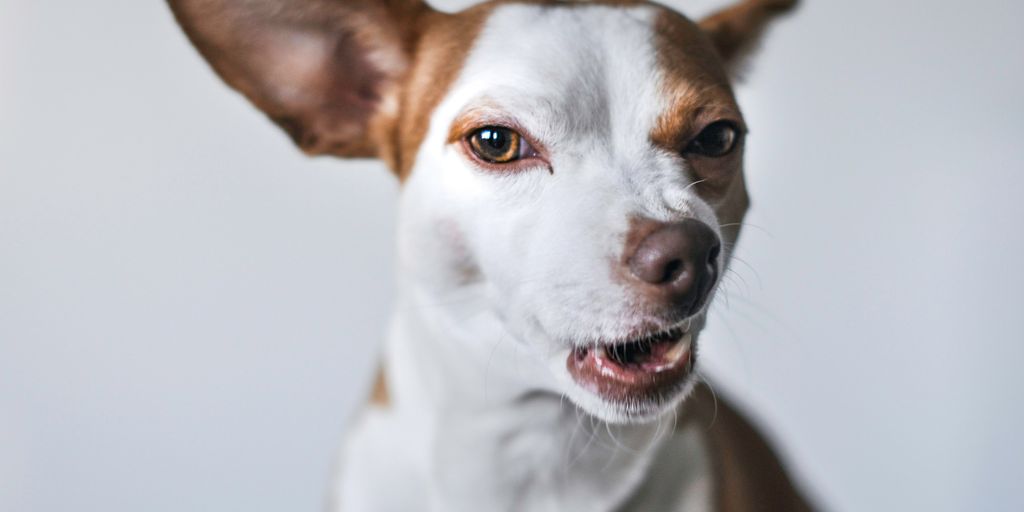
Okay, so you want your dog to "speak" more, but in a controlled way, right? First, you gotta figure out what makes your dog bark in the first place. Is it the mailman? Squirrels? The vacuum cleaner? Keep a little notebook and jot down when your dog barks, and what’s happening at that moment. This will give you a better idea of their vocalization triggers. Once you know the triggers, you can start using them to your advantage in training.
Engaging in Playful Interactions
Playtime is a great way to get your dog to bark without it feeling like work. Try a game of tug-of-war or fetch. Get them excited! Sometimes, a little playful growling or barking will come out naturally. When it does, that’s your chance to reward them. Make sure you’re using positive reinforcement, like treats and praise, to let them know that barking during playtime is a good thing. It’s all about creating a fun, positive association with vocalization.
Using Toys to Stimulate Vocalization
Some toys are just begging to be barked at! Think about those puzzle toys where your dog has to work to get a treat. Or maybe a squeaky toy that drives them wild. The goal is to find toys that naturally encourage your dog to vocalize. Keep an eye on what gets them going, and use those toys during training sessions. You can even use the toy as a reward for barking on command. It’s all about making it a game!
Addressing Behavioral Issues
It’s not always sunshine and rainbows when teaching your dog to speak. Sometimes, the vocalization comes with a side of unwanted behavior. That’s where addressing behavioral issues becomes super important. We need to figure out why the dog is barking and how to manage it in a way that’s good for everyone.
Managing Excessive Barking
Okay, so your dog’s found their voice, but now they’re using it a little too much? We’ve all been there. The key is to figure out the root cause. Is it boredom? Anxiety? Just plain excitement? Once you know why, you can start working on solutions. For example, if it’s boredom, more exercise and mental stimulation might do the trick. If it’s excitement, teaching a ‘quiet’ command can be a lifesaver.
Here are some common reasons for excessive barking and potential solutions:
- Boredom: Increase exercise, provide puzzle toys, and rotate toys regularly.
- Anxiety: Consult with a vet or certified trainer for anxiety management techniques.
- Attention-seeking: Ignore the barking and reward quiet behavior.
- Territorial: Manage the dog’s environment to reduce triggers.
Dealing with Fear-Based Vocalization
Fear-based barking is a whole different ballgame. It’s not just annoying; it’s a sign that your dog is genuinely distressed. Never punish a dog for barking out of fear. Instead, focus on desensitization and counter-conditioning. This means gradually exposing your dog to the scary thing in a safe, controlled environment and pairing it with something positive, like treats. It takes time and patience, but it’s worth it to help your dog feel more secure. Remember, successful dog socialization relies on positive experiences.
Understanding the Role of Anxiety
Anxiety can be a major player in a lot of behavioral issues, including excessive barking. If you suspect your dog’s barking is related to anxiety, it’s a good idea to talk to your vet. They might recommend medication or suggest working with a certified behaviorist.
Creating a calm and predictable environment can also make a big difference. Make sure your dog has a safe space where they can retreat when they’re feeling overwhelmed. This could be a crate, a bed, or even just a quiet corner of the room. Consistency in your routine can also help reduce anxiety. Dogs thrive on predictability, so try to stick to a regular schedule for feeding, walks, and playtime.
Enhancing Communication Beyond Barking
So, your dog’s got the ‘speak’ command down? Awesome! But communication isn’t just about barking on cue. There’s a whole world of understanding to unlock. Let’s explore some ways to broaden your dog’s communication skills.
Teaching Other Commands
Expanding your dog’s repertoire of commands is a great way to improve communication. Think beyond the basics like ‘sit’ and ‘stay’. How about ‘go to your bed’, ‘leave it’, or even something fun like ‘play dead’? The more commands your dog knows, the better you can guide their behavior and understand their responses. It’s like giving them more words to express themselves. Plus, it’s a great mental workout for them!
Using Clicker Training
Clicker training can be a super effective way to teach new behaviors. The clicker sound becomes associated with positive reinforcement, making it easier for your dog to understand what you’re asking of them. It’s all about precise timing and clear communication.
Here’s a simple breakdown:
- Introduce the clicker by pairing it with a treat.
- Click the instant your dog performs the desired behavior.
- Immediately give a treat.
- Repeat, repeat, repeat!
Incorporating Interactive Games
Interactive games are a fantastic way to boost communication and strengthen your bond. Think puzzle toys, hide-and-seek with treats, or even a simple game of fetch with a twist. These games encourage your dog to think, problem-solve, and interact with you in new ways. For example, you can use white noise to mask outside noises that trigger barking.
Playing games isn’t just fun; it’s a learning experience. It helps your dog understand your cues, anticipate your actions, and communicate their needs and desires more effectively. Plus, it’s a great way to burn off some energy!
Monitoring Progress and Adjusting Techniques
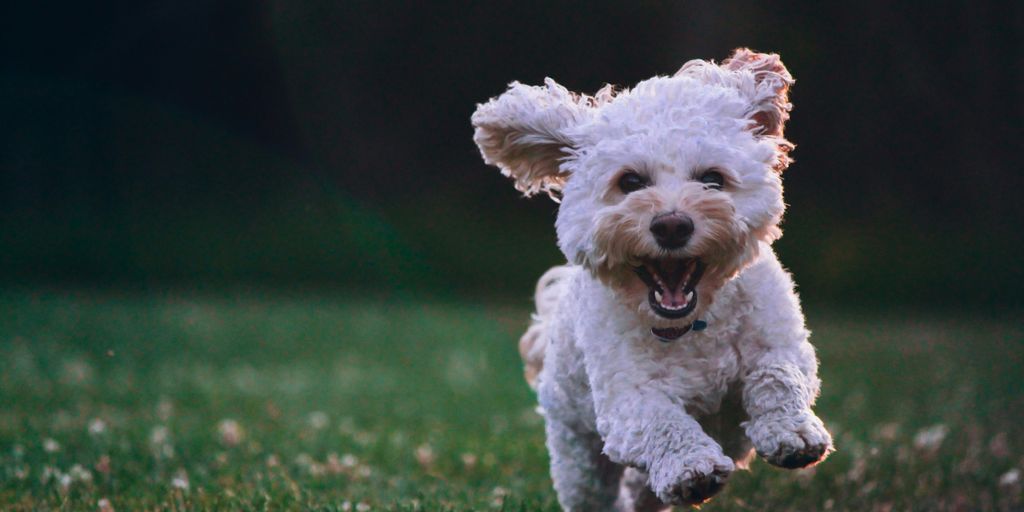
It’s easy to get caught up in the excitement of teaching your dog to "speak," but it’s super important to take a step back and see how things are actually going. Are they getting it? Are you? Regularly checking in on your dog’s progress will help you fine-tune your approach and make sure you’re both on the right track.
Tracking Vocalization Improvements
Keep a simple log of your dog’s vocalizations during training sessions. Note the frequency, intensity, and context of their barks. This doesn’t have to be super formal, just a way to see if they’re improving. For example, are they barking more readily when you give the "speak" command, or are they still hesitant? Are they barking appropriately, or are they just going wild? You can even use a simple scale, like 1-5, to rate the intensity of their barks. This will help you see patterns and adjust your training accordingly. Trainers can evaluate a dog’s training progress by monitoring response times to commands in the presence of various distractions.
Adjusting Training Methods
No one-size-fits-all approach exists in dog training. If a particular technique isn’t working, don’t be afraid to switch it up. Maybe your dog isn’t motivated by treats, but loves praise. Or perhaps the hand signals you’re using are confusing them. Experiment with different methods until you find what clicks. Remember to gradually increase the difficulty of training. Start with simple, straightforward commands in a distraction-free environment, and once your dog masters the skill, move to areas with more distractions.
It’s also a good idea to consult with a professional dog trainer if you’re struggling. They can offer personalized advice and help you troubleshoot any issues you’re encountering. Sometimes, a fresh perspective is all you need to get back on track.
Here’s a simple checklist to consider when adjusting your training methods:
- Reward System: Are the rewards still motivating? Try different treats or toys.
- Command Clarity: Are your commands clear and concise? Avoid using long sentences or confusing language.
- Environment: Is the training environment too distracting? Move to a quieter location.
Celebrating Milestones
Don’t forget to celebrate your dog’s successes, no matter how small! Every step forward is a reason to be proud. Positive reinforcement is key to keeping your dog motivated and engaged. Acknowledge their achievements with extra praise, a special treat, or a fun play session. This will strengthen the bond between you and your dog and make the training process more enjoyable for both of you. Remember, teaching a dog to speak is a journey, not a race. Enjoy the process and celebrate every milestone along the way.
Keeping track of your dog’s training progress is super important. It helps you see what’s working and what needs a little change. If you notice your dog is struggling with a command, don’t hesitate to adjust your training methods. Remember, every dog learns differently! For more tips and resources on dog training, visit our website today!
Wrapping It Up
Teaching your dog to speak is more than just a fun trick; it’s about building a bond and improving communication. With patience and practice, you can help your furry friend express themselves in ways that make sense to both of you. Remember, every dog learns at their own pace, so don’t rush it. Celebrate the small victories along the way. Soon enough, you’ll find that your dog not only speaks but also understands you better. Keep the training sessions light and enjoyable, and you’ll both have a great time. Happy training!
Frequently Asked Questions
Can all dogs learn to speak?
Yes, most dogs can learn to bark on command, but some may take longer than others.
What is the best age to start teaching my dog to speak?
You can start teaching your dog to speak as a puppy, around 6 months old, but older dogs can learn too.
How long will it take to teach my dog to speak?
It varies, but with regular practice, most dogs can learn in a few weeks.
What if my dog barks too much?
If your dog barks excessively, you may need to work on controlling that behavior with training.
Can I teach my dog other commands besides speaking?
Absolutely! You can teach your dog many commands like sit, stay, and roll over.
Is positive reinforcement the best way to train my dog?
Yes, using treats and praise is very effective in training dogs.