
Training a deaf dog might seem daunting at first, but it can actually be a rewarding journey for both you and your furry friend. By using visual cues, touch, and consistent signals, you can develop a strong communication method that works just as well as traditional verbal commands. This guide will walk you through the essential steps on how to train a deaf dog effectively, ensuring that your companion thrives in a world of silence.
Key Takeaways
- Visual signals are crucial for communicating with deaf dogs.
- Establish a way to capture your dog’s attention using light or touch.
- Use consistent hand signals for basic commands like sit and stay.
- Be patient and seek help if training becomes frustrating.
- Build a bond through touch and positive reinforcement.
The Power of Visual Communication: Building a New Language
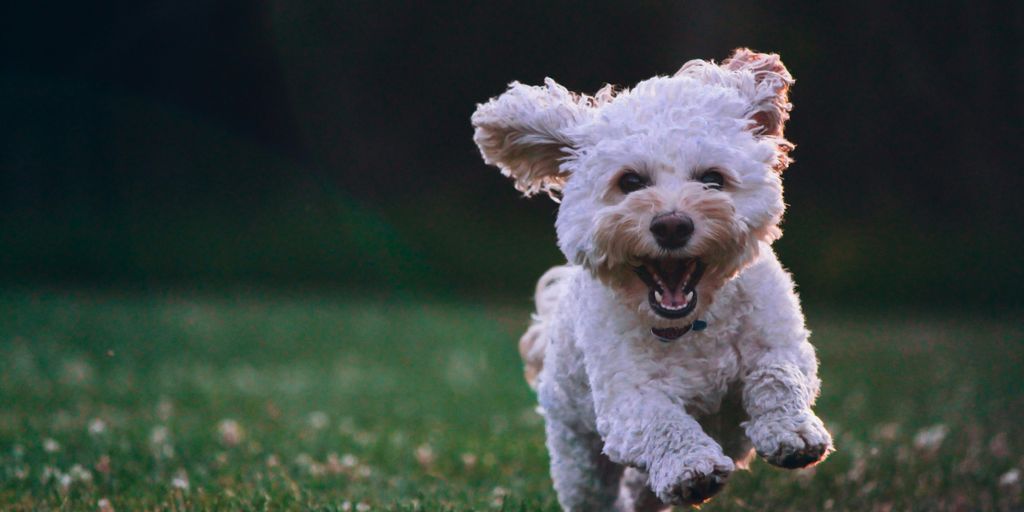
When you’re training a deaf dog, visual cues become super important. It’s like you’re building a whole new way to talk to each other. It might seem hard at first, but it can be a really cool way to connect with your dog.
Understanding Visual Cues
Deaf dogs rely on their sight to understand the world around them. This means you can use hand signals, facial expressions, and even body posture to communicate. Start by paying attention to how your dog already uses its body to communicate with you. Does your dog nudge you when it wants attention? Does it sit and stare when it wants food? These are all visual cues you can build on.
Creating a Unique Sign Language
Think about making up your own set of hand signals. It doesn’t have to be anything fancy. The important thing is to be consistent. For example, you could use a raised hand to mean "stay" or a pointing finger to mean "look." You can even use positive reinforcement to help your dog learn what each signal means. Just make sure everyone in the family uses the same signals so your dog doesn’t get confused.
The Role of Body Language
Your body language says a lot, even when you’re not trying. A relaxed posture can help your dog feel calm, while a tense posture can make it anxious. Try to be aware of how you’re standing and moving around your dog. Also, remember that dogs can read your facial expressions, so smile and show your dog you’re happy with its progress. It’s all about creating a clear and positive way to communicate.
Training a deaf dog is not that different from training a hearing dog. It’s more about adapting your communication style. With patience and consistency, you can build a strong bond with your dog and teach it all sorts of things.
Capturing Your Deaf Dog’s Attention
Before diving into specific commands, it’s important to establish reliable ways to get your deaf dog’s attention. Since they can’t hear you call their name, you’ll need to use visual and tactile cues. This is the foundation for all future training, so let’s get it right!
Using Visual Signals
Visual signals are your primary tool for communicating with a deaf dog. A simple wave of your hand can often do the trick, especially if you’re nearby. Experiment with different gestures to see what works best for your dog. Some dogs respond well to flashing a light briefly (never directly in their eyes!), while others might notice a specific hand signal you create just for getting their attention. Consistency is key – once you find a signal that works, stick with it!
Incorporating Touch
Gentle touch is another effective way to get your dog’s attention. A light tap on their shoulder or back can work wonders. However, it’s crucial to desensitize your dog to touch, especially if they weren’t handled much as a puppy. Start with very light touches and gradually increase the pressure as they become more comfortable. Always pair touch with positive reinforcement, like a treat or a positive reinforcement, so they associate it with good things. Avoid startling your dog with sudden or forceful touches, as this can create fear and anxiety.
Establishing a Focus Command
A "focus" command is invaluable for training a deaf dog. This teaches your dog to look at you on cue, which is essential for giving instructions. To teach this, hold a treat near your face and wait for your dog to make eye contact. The second they look at you, give them the treat and use a specific hand signal (like pointing to your eye). Repeat this process many times, gradually phasing out the treat and relying solely on the hand signal. This command is the cornerstone of effective communication and will make all other training much easier.
Establishing a reliable way to get your dog’s attention is not just about training; it’s about building a stronger bond and ensuring their safety. A dog that consistently checks in with you is a dog that’s more connected and secure.
Mastering the Basics: Essential Hand Signals for Obedience
Once you’ve got your dog’s attention, it’s time to start teaching basic commands using hand signals. It’s like building a vocabulary, but with your hands! This is where the real fun begins, and you’ll see your dog start to understand what you’re asking of them. It takes time, but it’s so rewarding when they finally get it.
Key Commands to Teach
Let’s start with the essentials. Think of these as the building blocks of your communication. We’re talking about the big ones: sit, stay, come, down, and no. Each command needs its own unique signal. For example, to signal your dog to sit, raise your hand above its head with your palm facing up and slowly move it backward. For ‘stay’, hold your hand out, palm facing them, like a stop sign. ‘Come’ can be a pat on your thigh or waving your arms open wide. ‘Down’ is usually a downward motion with your hand, and ‘no’ can be a sharp, distinct shake of your head or a closed fist. The key is to be consistent. Don’t change the signals once you’ve started using them, or you’ll confuse your dog.
Using Consistent Signals
Consistency is the name of the game. Use the same signal every single time you want your dog to perform a specific action. This avoids confusion and helps your dog learn faster. Imagine if someone kept changing the words they used to ask you to do something – you’d be pretty lost, right? It’s the same for your dog. Also, make sure everyone in the family is on board with the same signals. If one person uses a different signal for ‘sit’ than another, your dog will get mixed messages.
Think of it like teaching a child a new language. You wouldn’t use different words for the same object, would you? Consistency is key to clear communication and understanding.
Reinforcing Learning with Rewards
Positive reinforcement is your best friend. When your dog performs the correct action after you give the signal, reward them immediately. This could be with a treat, a toy, or even just some enthusiastic praise and a pat on the head. The important thing is to make the reward immediate and obvious so your dog understands what they did right. This method, known as mark and reward training, is very effective in teaching new commands and behaviors. Here’s a simple breakdown:
- Give the hand signal.
- The dog performs the action.
- Immediately give a visual marker (like a thumbs up).
- Follow with a reward (treat, toy, praise).
| Command | Hand Signal | Reward |
|---|---|---|
| Sit | Hand up, palm up, moving backward | Treat and verbal praise |
| Stay | Hand out, palm facing the dog | Verbal praise and a gentle pat |
| Come | Pat thigh or arms wide open | Favorite toy and enthusiastic praise |
| Down | Hand moving downward from chest to the floor | Treat and a calm, soothing voice |
Overcoming Challenges: When Training Gets Tough
Let’s be real, training any dog can be tough, and when you add deafness into the mix, things can get even more challenging. You might hit walls, feel frustrated, or think you’re not making any progress. It’s all part of the process. The important thing is to not give up and to remember why you started. The bond you’re building with your dog is worth the effort.
Dealing with Frustration
It’s normal to feel frustrated when your deaf dog isn’t picking up on the hand signals as quickly as you’d hoped. Maybe you’re repeating the same signal over and over, and it feels like they’re just not getting it. Take a deep breath. Remember that you’re communicating with a different species, and it takes time to develop a shared language. Don’t let frustration turn into anger or impatience. Instead, step back, reassess your approach, and try again later. Maybe you need to break down the command into smaller steps or find a more effective way to communicate what you want. Remember, positive reinforcement training is key.
Maintaining Patience
Patience is essential when training a deaf dog. It might take longer for them to learn new commands compared to hearing dogs. There will be days when it feels like you’re going backwards. That’s okay. Learning isn’t always a straight line. Celebrate the small victories and try to focus on the progress you’ve made, not the setbacks.
Seeking Professional Help
Don’t be afraid to seek help from a professional dog trainer who has experience working with deaf dogs. A good trainer can provide guidance, offer new techniques, and help you troubleshoot any specific challenges you’re facing. They can also provide a fresh perspective and help you see things you might be missing. Sometimes, just having someone to talk to who understands what you’re going through can make a big difference. It’s also important to ensure you’re identifying your dog as deaf to others, to avoid misunderstandings.
Training a deaf dog is a journey, not a race. There will be ups and downs, moments of frustration and moments of joy. The key is to stay positive, be patient, and never give up on your dog. The bond you’ll build through this process will be stronger than you ever imagined.
Here’s a simple table to remind you of some key points:
| Challenge | Solution |
|---|---|
| Frustration | Take a break, reassess your approach |
| Slow progress | Celebrate small victories, be patient |
| Feeling stuck | Seek professional help, get a new perspective |
The Emotional Connection: Building Trust Through Touch
Touch becomes super important when you’re communicating and bonding with a deaf dog. They can’t hear your reassuring words, so gentle pets, massages, and even just a comforting hand on their back can really help. It’s all about making them feel safe and loved.
The Importance of Physical Affection
Physical affection isn’t just about cuddles; it’s a key way to talk to your deaf dog. Think of it as replacing the soothing tone of your voice. A gentle scratch behind the ears can mean "good job," while a firm pat can offer reassurance during a stressful situation. It’s about learning what kind of touch your dog responds to best. Some dogs love a good massage, while others might prefer a simple, steady hand on their side. Pay attention to their body language – a relaxed posture and soft eyes mean they’re enjoying the attention. If they pull away or seem tense, ease up and try a different approach.
Using Touch for Reinforcement
Touch can be a great way to reinforce good behavior. Instead of saying "good dog," a quick scratch under the chin can have the same effect. It’s all about creating a positive association. For example, when your dog nails a new hand signal, reward them with a gentle bodywork and praise.
- Pair touch with visual cues to make it even clearer.
- Use different types of touch for different commands.
- Be consistent with your touch.
Creating a Bond Through Interaction
It’s not just about training; it’s about building a relationship. Regular interaction through touch helps your dog feel secure and connected to you. Think about incorporating touch into your daily routine. A quick cuddle on the couch, a gentle massage before bedtime, or even just a reassuring hand on their back during a walk can make a big difference. Consistency is key here.
A deaf dog relies heavily on your physical presence for reassurance. By making touch a regular part of your interactions, you’re creating a strong bond built on trust and understanding. This bond will not only make training easier but will also enrich your relationship with your furry friend in countless ways.
Safety First: Navigating the World with a Deaf Dog
Leash Training for Safety
Leash training is extra important for deaf dogs. It’s their lifeline to safety when you’re out and about. You can’t rely on calling them back if they can’t hear you, so a secure leash and harness are a must. Start with short walks in quiet areas, gradually introducing them to busier environments. Make sure the leash is always attached before you open the door, even for a quick potty break. This prevents them from running off unexpectedly.
Identifying Your Dog as Deaf
It’s a good idea to let people know your dog is deaf. A special dog collar or vest can alert others to your dog’s hearing impairment. This helps prevent misunderstandings, like someone assuming your dog is ignoring them. It also encourages people to approach with caution and understanding. You can find vests with phrases like "Deaf Dog" or "I’m Deaf" clearly displayed. This simple step can make a big difference in how others interact with your dog.
Preventing Accidents in Public Spaces
Public spaces can be full of hazards for a deaf dog. Here are some things to keep in mind:
- Always keep your dog on a leash in public areas.
- Be extra vigilant about traffic and other potential dangers.
- Use visual cues to guide your dog and keep them focused on you.
- Avoid crowded or chaotic environments if possible.
- Teach your dog a reliable "check-in" signal to ensure they stay close.
Being proactive about safety can help prevent accidents and ensure your deaf dog has positive experiences in public. Always be aware of your surroundings and anticipate potential hazards. Remember, your dog is relying on you to keep them safe.
It’s also helpful to teach your dog to respond to vibrations. Stomping your foot can get their attention, but be careful not to startle them. Always pair the vibration with a positive signal, like a thumbs-up, and a treat. This way, they’ll associate the vibration with something good, rather than fear. You can also use a vibrating collar as a training tool, but use it sparingly and always with positive reinforcement. Remember to reward your deaf dog training signals from time to time.
Beyond Basic Commands: Expanding Your Dog’s Skills
Once your deaf dog has mastered the basics, it’s time to expand their horizons! Think of it as moving beyond simple sentences to writing poetry. It’s about enriching their lives and strengthening your bond. It’s really rewarding to see them learn new things.
Teaching Advanced Commands
Don’t limit yourself to just "sit" and "stay." Deaf dogs are just as capable as hearing dogs, and they can learn complex commands. Consider teaching them "fetch," "leave it," or even agility commands. Use lure-and-reward techniques to guide them through these more complex behaviors. For example, to teach "spin," use a treat to lure your dog in a circle, then mark and reward the behavior with a distinct hand signal. This is similar to marker and treat training for hearing dogs, but adapted for visual communication.
Encouraging Socialization
Socialization is super important for all dogs, but it can be especially vital for deaf dogs. Since they can’t hear other dogs approaching, they might be more easily startled or anxious in social situations.
- Expose them to a variety of people and dogs in a controlled and safe environment.
- Make sure other dogs are gentle and well-behaved.
- Always supervise interactions closely.
Socialization helps deaf dogs build confidence and learn how to interact appropriately with others. It’s about creating positive experiences and helping them feel secure in different environments.
Engaging in Interactive Play
Playtime isn’t just fun; it’s also a great way to bond with your dog and reinforce training. Adapt games to suit their deafness. Instead of relying on verbal cues, use visual signals and touch to guide them. Here are some ideas:
- Fetch with a brightly colored toy: This makes it easier for them to track the toy visually.
- Hide-and-seek: Use hand signals to indicate where you want them to search.
- Puzzle toys: These can provide mental stimulation and keep them engaged.
Once your dog has mastered the basic commands, it’s time to take their training to the next level! Expanding your dog’s skills can be fun and rewarding. You can teach them new tricks, improve their social skills, or even train them for specific tasks. This not only keeps your dog mentally stimulated but also strengthens your bond. Ready to dive deeper into dog training? Visit our website for expert tips and resources to help you and your furry friend succeed!
Wrapping It Up: The Journey of Training a Deaf Dog
Training a deaf dog is a unique adventure that requires a bit of creativity and a lot of patience. You’re not just teaching commands; you’re building a whole new way to communicate. Remember, it might take some time to see progress, and that’s okay. Celebrate the small wins along the way. Each successful command strengthens your bond and helps your dog feel more secure in their world. Plus, by training your deaf dog, you’re helping to change perceptions about deaf dogs everywhere. So, keep at it, stay consistent, and enjoy the journey with your furry friend. You both have a lot to learn from each other!
Frequently Asked Questions
Can all dogs be trained to respond to visual signals?
Yes, all dogs can learn to respond to visual signals. Deaf dogs rely on sight and touch, so using clear hand signals is very effective.
What are some basic commands I should teach my deaf dog?
Start with commands like ‘sit,’ ‘stay,’ ‘come,’ and ‘down.’ Use simple hand gestures for each command.
How can I get my deaf dog’s attention during training?
You can get your dog’s attention by using visual cues like waving your hands, using a flashlight, or gently touching them.
Is it necessary to use treats when training a deaf dog?
Yes, using treats is a great way to reward your dog for following commands. It helps them learn and feel positive about training.
What should I do if my deaf dog seems frustrated during training?
If your dog gets frustrated, take a break and try again later. Patience is important, and sometimes dogs just need time to relax.
How can I ensure my deaf dog is safe when outside?
Always keep your deaf dog on a leash or in a fenced area. Consider using a collar that identifies your dog as deaf to help others understand.