
Ever notice how your dog gets all weird when a storm rolls in? Like, they start pacing, shaking, or maybe even try to hide under the bed? It’s a real thing, and it’s called thunderstorm anxiety. It’s not just the loud booms either; dogs can feel the changes in the air before we even know a storm is coming. It’s tough to see your best friend so scared. But don’t worry, there are ways to help them out. This guide is all about training a dog to handle thunderstorms, making those scary times a little less scary for everyone.
Key Takeaways
- Know the signs your dog is getting anxious about a storm, like shaking or hiding.
- Set up a safe, quiet spot for your dog to go to when storms hit.
- Try playing calming sounds or music to help block out the thunder.
- Stay calm yourself; your dog picks up on your feelings.
- Think about getting some help from a dog trainer if things are really tough.
Understanding Dog Thunderstorm Anxiety
Recognizing Signs of Storm Anxiety
It’s important to know what to look for. Dogs show their anxiety in different ways, and recognizing these signs early can help you intervene sooner. Some common signs include:
- Panting, even when it’s not hot.
- Trembling or shaking.
- Hiding or trying to escape.
- Excessive barking or whining.
Some dogs might also become destructive, chewing on furniture or scratching at doors. It really depends on the dog’s personality and past experiences. If you notice any of these behaviors during a storm, it’s a good indication that your dog is experiencing anxiety.
Identifying Triggers for Fear
Figuring out what exactly triggers your dog’s fear is key to helping them. It’s not always just the thunder itself. Some dogs react to:
- Changes in barometric pressure.
- Static electricity.
- The sound of rain or wind.
- Flashes of lightning.
It could even be your own behavior! If you get anxious during storms, your dog might pick up on that. Try to observe your dog closely during the next storm to see what seems to set them off. You might be surprised. For example, excessive panting can be a sign of anxiety.
The Science Behind Canine Storm Fears
There’s actually some science behind why dogs get so freaked out by storms. It’s not just random. Dogs have much better hearing than we do, so the sounds of thunder and rain are amplified for them. They can also sense changes in the atmosphere, like static electricity, which can be really uncomfortable. Plus, some dogs might have had a bad experience during a storm in the past, which created a negative association. It’s a combination of factors that can lead to full-blown storm phobia. Understanding this can help you be more patient and understanding with your furry friend.
Preparing Your Dog for Thunderstorms
It’s a good idea to get ready before the storm hits. This way, you’re not scrambling when your dog is already anxious. A little prep can make a big difference in how well your dog handles the situation.
Creating a Safe and Calm Space
Designate a specific area in your home as a safe haven for your dog during storms. This could be a crate, a quiet room, or even just a corner of a room. Make sure it’s comfortable and inviting. Include their favorite toys, a soft blanket, and maybe even a shirt that smells like you. The goal is to create a space where they feel secure and protected. It’s also important to let your dog go to their safe space without being forced. This way, they associate it with comfort and security, not punishment.
Assembling a Storm Preparedness Kit
Having a kit ready to go can ease your mind. Include items that will help calm and distract your dog. Here’s what I recommend:
- Comfort Items: Favorite toys, blankets, and a shirt with your scent.
- Distraction Tools: Puzzle toys, chew toys, or a Kong filled with peanut butter.
- Calming Aids: Calming treats, a thunder shirt, or a pheromone diffuser.
- Medications (if prescribed): Ensure you have enough of any prescribed anti-anxiety medication and know the correct dosage.
Having a storm preparedness kit ready means you don’t have to rush around gathering supplies when a storm is approaching. It’s all in one place, ready to go, making the whole experience less stressful for both you and your dog.
Desensitization Training for Loud Noises
Desensitization involves gradually exposing your dog to the sounds of thunderstorms in a controlled environment. Start with very low-volume recordings of thunder and gradually increase the volume over time. Pair the sounds with positive experiences, like treats or playtime. The idea is to help your dog associate the sound of thunder with something positive, rather than something to fear. This takes time and patience, but it can be very effective in reducing dog thunderstorm anxiety over time.
Here’s a basic plan:
- Start Slow: Begin with the volume so low that your dog barely notices it.
- Positive Reinforcement: Give treats and praise while the sound is playing.
- Gradual Increase: Slowly increase the volume over days or weeks, always watching for signs of anxiety.
- Consistency is Key: Practice regularly, even when there are no storms in the forecast.
Calming Your Dog During a Storm
Implementing Immediate Stress Relief
When a thunderstorm hits, your dog’s anxiety can spike quickly. The first step is to remain calm yourself. Dogs are incredibly perceptive and will pick up on your stress, which can worsen their own anxiety. Try to project a sense of normalcy and security.
- Speak in a soothing, reassuring voice.
- Offer gentle petting or massage if your dog enjoys it.
- Engage in a quiet activity, like reading or watching TV, to create a calm atmosphere.
It’s important to remember that every dog is different. What works for one might not work for another. The key is to be patient and observant, paying close attention to your dog’s reactions and adjusting your approach accordingly.
Using Calming Tools and Products
There are several tools and products designed to help calm anxious dogs during storms. These can be particularly useful when combined with other calming techniques.
- Thunder shirts: These snug-fitting vests apply gentle, constant pressure, which can have a calming effect on some dogs. You can find a safe space for your dog.
- Pheromone diffusers: Products like Adaptil release synthetic pheromones that mimic the natural pheromones of a mother dog, which can help reduce anxiety.
- Calming treats: Many treats contain ingredients like L-theanine or chamomile, known for their calming properties. Always check with your vet before introducing new supplements.
Maintaining Your Own Calm Demeanor
Your emotional state is a powerful influence on your dog. If you’re anxious, your dog will likely become more anxious too. It’s vital to manage your own stress during a storm. Here are some strategies to help you stay calm:
- Practice deep breathing exercises.
- Listen to calming music.
- Focus on a distracting activity, such as a book or a hobby.
| Strategy | Description * Be patient and understanding with your dog. They’re relying on you to guide them through this stressful experience. By staying calm and providing a safe and supportive environment, you can help your dog cope with thunderstorms and reduce their anxiety over time.
Long-Term Strategies for Thunderstorm Training
It’s not just about getting through one bad storm; it’s about helping your dog cope better with all future storms. This takes time, patience, and a consistent approach. Think of it as building a foundation of resilience.
Incorporating Regular Exercise
A tired dog is often a less anxious dog. Regular physical activity can do wonders for managing overall anxiety levels. It’s not a magic bullet, but it’s a really important piece of the puzzle.
- Daily walks or runs
- Play fetch or frisbee
- Engage in puzzle toys that require physical activity
Behavioral Counseling and Professional Help
Sometimes, you need to bring in the pros. A certified dog behaviorist or veterinary behaviorist can assess your dog’s specific anxieties and create a tailored plan. They can also help you identify underlying issues that might be contributing to the fear.
Working with a professional can provide you with tools and techniques that you might not find on your own. They can also offer support and guidance as you work through the training process.
Experimenting with Different Calming Methods
What works for one dog might not work for another. It’s all about finding what helps your dog feel safe and secure. Don’t be afraid to try different things and see what sticks.
- Thunder shirts or anxiety wraps
- Pheromone diffusers or sprays
- Calming music or white noise
It might take some trial and error, but eventually, you’ll find a combination of strategies that helps your dog manage their fear. Remember to be patient and celebrate small victories. And if you’re looking for more general dog training tips, there are plenty of resources available.
Guiding Your Dog Through Storms With Confidence
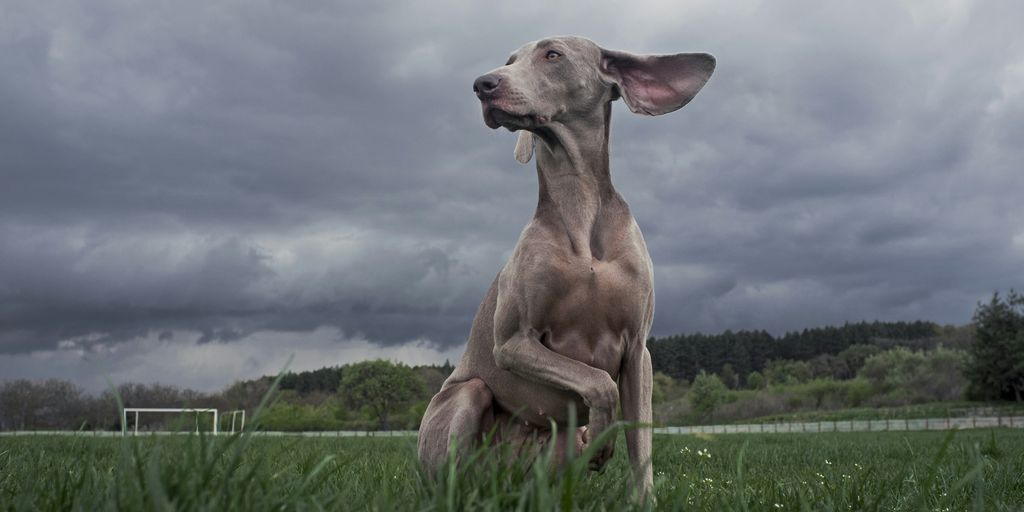
If you’ve ever been scared during a thunderstorm, you probably get how your dog feels. Storms can really freak dogs out, making them super anxious. It’s not just the storm itself; they can sense it coming way before we do, which makes them even more stressed. But don’t worry, there are things you can do to help your furry friend get through it.
It’s all about replacing that fear with a sense of security. Having a plan, being a calm presence, and getting back to normal after the storm can make a huge difference. And remember, patience is key – it might take some time, but it’s worth it to see your dog feeling safe and sound.
Establishing a Preparedness Plan
First things first, let’s talk about getting ready. Dogs can sense those atmospheric changes before a storm hits, so having a storm preparedness kit ready to go is a smart move. Think of it as your dog’s emergency kit. Make sure you’ve got the basics like food, water, and any meds they need. Also, throw in some comfort items – a favorite toy or blanket can work wonders. Designate a safe space for your dog, somewhere they can retreat to when things get scary. This could be a crate, a quiet corner, or even under your bed. The goal is to give them something familiar to hold onto.
Being Your Dog’s Guiding Light
During the storm, your vibe matters. Dogs are like emotional sponges; they pick up on how we’re feeling. If you’re stressed, they’ll be stressed. Try to stay calm. Deep breaths can help. You can also try putting on some soothing music or giving them a favorite treat to distract them. Some people swear by those thunder shirts – they’re like a hug for your dog, and that gentle pressure can be really comforting. The idea is to help your dog associate that feeling of comfort with the storm, so they don’t react so negatively.
Returning to Normal Routines Post-Storm
Once the storm has passed, it’s important to get back to your regular routine as soon as possible. This helps your dog understand that the scary event is over and that things are back to normal. Go for a walk, play some games, and just generally act like nothing happened. This reassurance can go a long way in helping your dog feel safe and secure again. It’s also a good idea to give them lots of praise and affection for being brave during the storm. A little positive reinforcement can make a big difference.
It’s important to remember that every dog is different, so what works for one might not work for another. Be patient, experiment with different strategies, and pay attention to your dog’s cues. With a little time and effort, you can help your furry friend feel safe and confident, even when the thunder is rolling.
Addressing Specific Anxiety Behaviors
Managing Destructive Chewing
Destructive chewing is a common sign of anxiety in dogs, especially during thunderstorms. It’s their way of releasing pent-up energy and stress. To manage this, make sure your dog has plenty of appropriate chew toys available. Rotate them regularly to keep things interesting. You can also try puzzle toys that dispense treats, providing mental stimulation and distraction. If you catch your dog chewing on something they shouldn’t, redirect their attention to an approved toy. Never punish them after the fact, as this can increase their anxiety. Consider using a crate as a safe space when you can’t supervise, but only if your dog is already comfortable with it. If the chewing is severe, consult with a vet or behaviorist to rule out any underlying medical issues or get professional guidance.
Coping with Excessive Barking
Excessive barking during storms is another frequent anxiety response. The key is to understand why they’re barking. Are they scared, trying to alert you to the danger, or simply releasing nervous energy? Try to create a calm environment. Close the curtains to minimize visual stimuli, and play some white noise or calming music to mask the sound of the storm. You can also try distracting your dog with a favorite toy or a training exercise. If they bark, avoid yelling at them, as this can reinforce the behavior. Instead, try to redirect their attention or use a calming cue, like a gentle touch or a specific word. If the barking is persistent, consider seeking help from a professional trainer or behaviorist. They can help you identify the underlying cause of the barking and develop a plan to manage it. Remember to check storm forecasts regularly to prepare.
Preventing Escape Attempts
Anxious dogs may try to escape during thunderstorms, putting themselves at risk. To prevent this, make sure your yard is securely fenced, and check for any potential escape routes. Keep your dog indoors during storms, and ensure all doors and windows are securely closed. If your dog is crate-trained, the crate can provide a safe and secure space. However, never force a dog into a crate if they’re not comfortable with it. Microchipping your dog and ensuring your contact information is up-to-date is also important, in case they do manage to escape. If your dog has a history of escape attempts, consider using a harness and leash, even indoors, to prevent them from bolting.
Creating a safe and predictable environment is crucial for managing anxiety-related behaviors. Consistency in your approach and patience are key to helping your dog cope with thunderstorms. Remember that every dog is different, and what works for one may not work for another. Be prepared to experiment with different strategies to find what best suits your dog’s needs.
Advanced Training for Thunderstorm Resilience
Okay, so your dog is still a bit of a mess during storms? Don’t worry, we’re moving into the advanced stuff now. It’s all about building real, lasting resilience. This isn’t a quick fix; it’s a long game, but totally worth it.
Positive Reinforcement Techniques
Positive reinforcement is your best friend. Forget scolding or punishment; that’ll just make things worse. Instead, reward calm behavior during less intense weather. Start small. Maybe a distant rumble? Treat! A flash of light? Treat! The goal is to create a positive association with storm-related stimuli. Keep sessions short and fun. If your dog shows any sign of stress, back off and try again later at a lower intensity. It’s like teaching a kid to ride a bike; you don’t start on a steep hill.
Counter-Conditioning Fear Responses
Counter-conditioning is where you actively change your dog’s emotional response to thunderstorms. This means pairing something scary (thunder) with something awesome (treats, toys, praise). The idea is to replace the fear with excitement.
Here’s how you can do it:
- Play a recording of thunder at a very low volume.
- Immediately give your dog a high-value treat or start a fun game.
- Gradually increase the volume as your dog remains calm and happy.
- If your dog shows any anxiety, reduce the volume immediately.
It’s important to go at your dog’s pace. Never force them to endure more than they can handle. Consistency is key, and patience is a virtue. You’re not just training; you’re building trust.
Building Confidence Through Obedience
Obedience training can do wonders for a dog’s confidence, especially during stressful times. Reviewing basic commands like "sit," "stay," and "down" during a storm can give your dog a sense of control and purpose. Plus, it redirects their attention away from the scary noises. Make it a game! Use treats and praise to reinforce their good behavior. A confident dog is a less fearful dog. You can also look into dog training for various situations to help your dog feel more secure.
Is your furry friend scared of thunderstorms? Our special training helps dogs stay calm when storms hit. We teach them to feel safe and happy, even when it’s loud outside. Want to learn more? Visit our website for the best dog training courses!
Wrapping Things Up
So, we’ve talked a lot about helping your dog with those scary thunderstorms. It’s a real thing, and it can be tough for them, and for you too. Remember, it’s not just about what happens during the storm, but also getting ready beforehand and helping them calm down after. Things like having a safe spot, maybe some calming treats, or even just being there for them can make a big difference. Every dog is different, so what works for one might not work for another. Just keep trying, be patient, and you’ll find what helps your furry friend feel a little bit better when the thunder rolls.
Frequently Asked Questions
What are the common signs that a dog is scared during a thunderstorm?
Dogs often show their storm anxiety by pacing, shaking, panting heavily, or whining. They might try to hide under furniture or squeeze into small spaces to feel safe. Some dogs become very clingy, staying close to their owners. Others might chew on things or scratch at doors. In really bad cases, a dog might even try to run away from the house or yard. It’s important to notice these actions so you can help your dog feel better.
How do environmental changes during a storm make a dog’s anxiety worse?
Changes in the environment during a storm, like shifts in air pressure and little static electricity shocks, really make dogs anxious. These physical changes can make their fear worse. Also, the loud noises, like thunder and strong winds, can be very scary for them. Dogs are super sensitive to these things, which is why storms can be so upsetting.
Can dogs tell when a storm is coming?
Yes, dogs can definitely sense storms coming! They are very good at feeling changes in the air pressure that happen before a storm. They can also hear low-frequency sounds that we can’t, which are often linked to thunderstorms. These extra sharp senses can make them feel worried even before the storm starts. That’s why it’s a good idea to have a storm kit ready.
What’s the best way to make a safe space for my dog during a storm?
To help your dog feel safe, create a cozy spot for them, like a crate, a small room, or a comfy corner with their favorite blanket and toys. Playing calm music or white noise can help block out scary sounds. Make sure the space feels familiar and safe. Most importantly, stay calm yourself, as your dog can pick up on your feelings.
What is desensitization training and how does it help with storm anxiety?
Desensitization training means slowly getting your dog used to loud noises and flashing lights that come with storms. You do this in a safe and comfy place, so your dog gradually gets used to these scary things. It’s like teaching them that these sounds aren’t so bad after all.
What are some long-term ways to help my dog with storm anxiety?
Regular exercise helps your dog deal with anxiety better and makes them more confident. It can also stop them from doing things like barking too much or acting aggressive when they’re stressed. You can also try calming treats, special diffusers that release calming scents, or thunder jackets. You might need to try a few different things to find what works best for your dog, so be patient.