
Ever wonder how those amazing dog photos happen? You know, the ones where the dog looks like a total pro, posing perfectly? It’s not magic, it’s training! Getting your dog ready for a photo session that really shines takes a little work, but it’s totally doable. We’re going to walk through everything you need to know about how to train a dog for photo sessions, from getting them comfortable with the camera to nailing those tricky action shots. Get ready to turn your furry friend into a superstar model!
Key Takeaways
- Getting your dog ready for pictures means more than just a bath; basic commands are a must.
- Knowing what your dog likes and dislikes before the shoot helps a lot with getting good pictures.
- You can teach your dog to pose naturally and even look where you want them to.
- Picking the right spot and using props can make a big difference in how your photos look.
- Safety is always first, especially when shooting outside; keep your dog happy and comfortable.
Preparing Your Canine Model for the Spotlight
Okay, so you want to take some amazing photos of your dog? Awesome! But before you even think about picking up your camera, you need to prep your pup. Think of it like getting ready for a big event – a little preparation goes a long way. It’s not just about making them look good, but also about setting them up for success during the shoot. A well-prepared dog is a happy dog, and a happy dog makes for great photos!
Grooming for a Picture-Perfect Look
First things first: grooming. A clean and well-groomed dog will always look better in photos. This doesn’t necessarily mean a full-on spa day (though, if your dog enjoys that, go for it!), but at least a good brush to remove any loose fur and dirt. Pay special attention to their eyes and mouth – you want those features to really pop. If your dog has long fur around their eyes, consider trimming it so their eyes are visible. And don’t forget about their nails! Long nails can be distracting in photos. If you’re not comfortable trimming them yourself, a groomer can help. If you’re photographing a product, ensure its appearance is top-notch. If it’s fabric, make sure it’s wrinkle-free.
- Brush your dog thoroughly to remove loose fur.
- Clean around their eyes and mouth.
- Trim any fur that’s obstructing their eyes.
A little grooming can make a huge difference in the final photos. It shows that you care about your dog’s appearance and that you’re putting in the effort to create the best possible images.
Essential Basic Commands for Photo Sessions
Basic obedience commands are incredibly helpful during a photo session. At a minimum, your dog should know "sit," "stay," and "down." These commands allow you to position your dog exactly where you want them and keep them there long enough to get the shot. "Look at me" or some variation is also useful for getting them to focus on the camera. Keep training sessions short and fun, and always use positive reinforcement. Remember, the goal is to make the photo session a positive experience for your dog. A well-trained dog is crucial for a smooth photoshoot. Teaching your dog to hold these positions for short periods will allow you to capture various shots without constantly readjusting. Additionally, commands like “look” can help direct your dog’s attention towards the camera or product.
Here’s a quick rundown of commands and their importance:
| Command | Purpose |
|---|---|
| Sit | Positions the dog for a classic shot. |
| Stay | Keeps the dog in place. |
| Down | Allows for a relaxed, natural pose. |
| Look | Directs the dog’s attention to the camera. |
Keeping Your Dog Calm and Focused During the Shoot
This can be the trickiest part, especially if your dog is easily excitable or gets stressed in new environments. The key is to create a calm and comfortable atmosphere. Bring familiar toys or blankets to help your dog feel more at ease. Keep the session short and sweet, and take frequent breaks. Use positive reinforcement – treats, praise, and gentle petting – to reward good behavior. If your dog starts to get overwhelmed, end the session and try again later. It’s better to have a few great photos than a lot of stressful ones. Maintaining your dog’s calmness and focus is vital. Start by creating a comfortable and familiar environment for your dog. Use positive reinforcement techniques, such as treats and praise, to reward good behavior. Take regular breaks to prevent your dog from getting overwhelmed or fatigued. Remember, safety first!
Here are some tips for keeping your dog calm:
- Bring familiar items like toys or blankets.
- Keep the session short and take frequent breaks.
- Use positive reinforcement to reward good behavior.
- End the session if your dog becomes stressed.
Understanding Your Dog’s Unique Personality
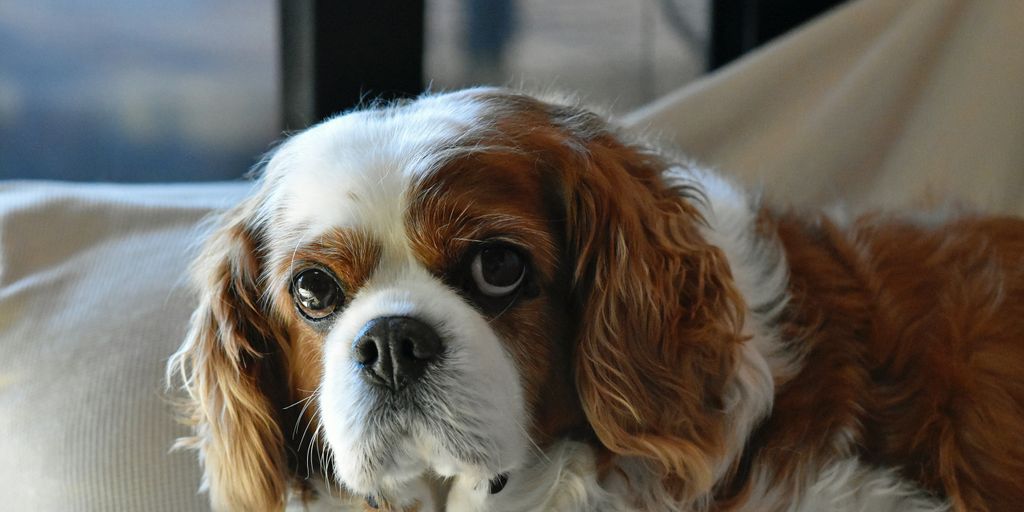
Before you even pick up your camera, it’s super important to get to know your dog on a deeper level. Every dog is different, and what works for one might not work for another. Understanding their personality, quirks, and preferences is key to a successful and enjoyable photo session. It’s not just about getting a cute picture; it’s about capturing their true essence.
Conducting a Pre-Shoot Planning Session
Think of this as a casting call, but instead of actors, you’re assessing your furry friend. Observe your dog in different situations. How do they react to new people? What are their energy levels like at different times of the day? This observation period will give you valuable insights into how to structure your photoshoot. Consider these points:
- Note their favorite activities.
- Identify potential stressors.
- Determine the best time of day for them.
Identifying Your Dog’s Motivators and Fears
What makes your dog tick? Is it a tasty treat, a squeaky toy, or maybe just a whole lot of praise? Knowing their motivators is crucial for getting them to cooperate during the shoot. On the flip side, understanding their fears will help you avoid stressful situations. Loud noises, unfamiliar environments, or even certain props can trigger anxiety.
Here’s a simple table to help you keep track:
| Motivators | Fears |
|---|---|
| Favorite treats | Loud noises |
| Squeaky toys | Unfamiliar places |
| Verbal praise | Certain props |
Leveraging Play and Rewards for Engagement
Photo sessions should be fun, not a chore! Use play and rewards to keep your dog engaged and motivated. Short bursts of activity followed by a treat or praise can work wonders. If your dog loves to fetch, incorporate that into the shoot. If they’re food-motivated, use high-value treats to capture their attention. Remember to keep it positive and avoid any form of punishment. This is also a great time to use AI to personalize dog training to make the experience even better.
A happy dog is a photogenic dog. By creating a positive and rewarding experience, you’ll not only get better photos but also strengthen your bond with your furry friend.
Mastering the Art of Posing and Expression
Guiding Your Dog into Natural Poses
Getting your dog to pose naturally is key to capturing great photos. Forget stiff, forced positions. Think about what makes your dog comfortable and try to work with that. Start with simple positions like ‘sit’ or ‘down,’ and then gradually introduce slight variations. For example, instead of a straight-on sit, try angling their body slightly to the side. Pay attention to their body language; if they seem stressed or uncomfortable, back off and try something else. Use treats and praise to reward them for holding the pose, even if it’s just for a few seconds. Remember, patience is key!
Capturing Authentic Expressions and Attention
Expressions are what truly bring a photo to life. A genuine smile, a curious tilt of the head, or a playful glint in their eyes can make all the difference. To capture these moments, you need to engage with your dog. Use their favorite toys, make silly noises, or even have a conversation with them. The goal is to elicit a natural reaction. Understanding dog photography tips will help you anticipate and capture those fleeting expressions. Don’t be afraid to get down on their level and interact with them. Sometimes, the best shots are the ones you don’t plan.
Techniques for Off-Camera Gaze
An off-camera gaze can add a touch of mystery and intrigue to your dog’s photos. Instead of having them look directly at the camera, try directing their attention to something just outside the frame. This could be a person, a toy, or even just a sound. Here are some techniques:
- Use a squeaky toy to get their attention.
- Have an assistant stand just behind you and make noises.
- Use a treat to lure their gaze in the desired direction.
Experiment with different angles and distances to find what works best for your dog. The key is to make it look natural and effortless. You want to capture their attention without making it seem forced or unnatural. Remember to reward them for their cooperation, and don’t be afraid to take breaks if they start to lose focus.
Setting Up the Ideal Photo Environment
Creating the right environment is super important for getting great dog photos. It’s not just about pointing and shooting; it’s about crafting a space where your dog feels comfortable and the lighting works in your favor. A good setup can really make your dog photography stand out.
Choosing the Right Location for Your Shoot
Where you shoot makes a big difference. Think about whether you want to be inside or outside. Indoor shoots give you more control over lighting and distractions, but you might not have as much space or as many interesting backgrounds. Outdoor shoots offer natural light and cool scenery, but weather and other things can be hard to deal with. Here’s a quick breakdown:
- Indoor: Good for controlled lighting, less distraction, but limited space.
- Outdoor: Great natural light, lots of background options, but weather-dependent and more distractions.
- Studio: Best of both worlds if you have access to one, offering controlled lighting and customizable backgrounds.
Creating a Comfortable and Familiar Space
Your dog needs to feel safe and happy. Use things they know and like. Bring their favorite bed, toys, or blankets. If they’re nervous in new places, start at home. Make sure the area is safe, with no dangerous stuff around. Keep the temperature right, too. A happy dog is way more likely to pose well.
A comfortable dog is a cooperative dog. If your dog is stressed or anxious, it will show in the photos. Take breaks, offer reassurance, and don’t push them too hard. The goal is to capture their personality, not to force them into unnatural poses.
Utilizing Backgrounds and Props Effectively
Backgrounds and props can add a lot to your photos, but don’t overdo it. Keep it simple. A plain wall can work great, or a natural outdoor scene. Props should match your dog’s personality and the photo’s theme. Think about colors and textures. Make sure the background isn’t too busy, so your dog stays the main focus. Here are some ideas:
- Solid-color backdrops for a clean look.
- Natural settings like parks or beaches.
- Simple props like bandanas or toys.
- Avoid distracting patterns or clutter.
Ensuring Safety and Comfort During the Shoot
Prioritizing Your Dog’s Well-being
Your dog’s well-being should always be the top priority. A stressed or uncomfortable dog won’t cooperate, and the photos will reflect that. Make sure they have access to fresh water and shade, especially during outdoor shoots. Watch for signs of stress, like panting, lip licking, or a tucked tail. Don’t push them beyond their limits. It’s better to end the session early than to cause them distress. Remember, a happy dog makes for a great photo!
- Provide frequent breaks.
- Offer water regularly.
- Monitor for signs of stress.
It’s easy to get caught up in getting the perfect shot, but never at the expense of your dog’s comfort. If they’re showing signs of being overwhelmed, stop and reassess. Sometimes, rescheduling is the best option.
Managing On-Leash Safety Outdoors
When shooting outdoors, keeping your dog safe on a leash is important. Use a reliable leash and harness to prevent escapes. Be aware of your surroundings and potential hazards like traffic, other animals, or dangerous plants. If you’re working in a public area, make sure your dog is well-behaved around other people. Consider using a longer leash or a retractable leash to give them some freedom while still maintaining control. Always clean up after your dog to be a responsible pet owner.
- Use a secure leash and harness.
- Be aware of surroundings.
- Clean up after your dog.
Adapting to Your Dog’s Comfort Levels
Every dog is different, and their comfort levels will vary. Some dogs might be naturally outgoing and confident, while others may be more shy or anxious. Pay attention to your dog’s body language and adjust the shoot accordingly. If they’re nervous around new people, keep the crew small and quiet. If they’re easily distracted, choose a location with fewer distractions. Be patient and understanding, and don’t force them to do anything they’re not comfortable with. The goal is to create a positive experience for everyone involved. A pre-shoot planning session can help you understand your dog’s needs and plan accordingly.
- Observe body language.
- Adjust to their pace.
- Be patient and understanding.
Selecting and Integrating Props for Visual Appeal
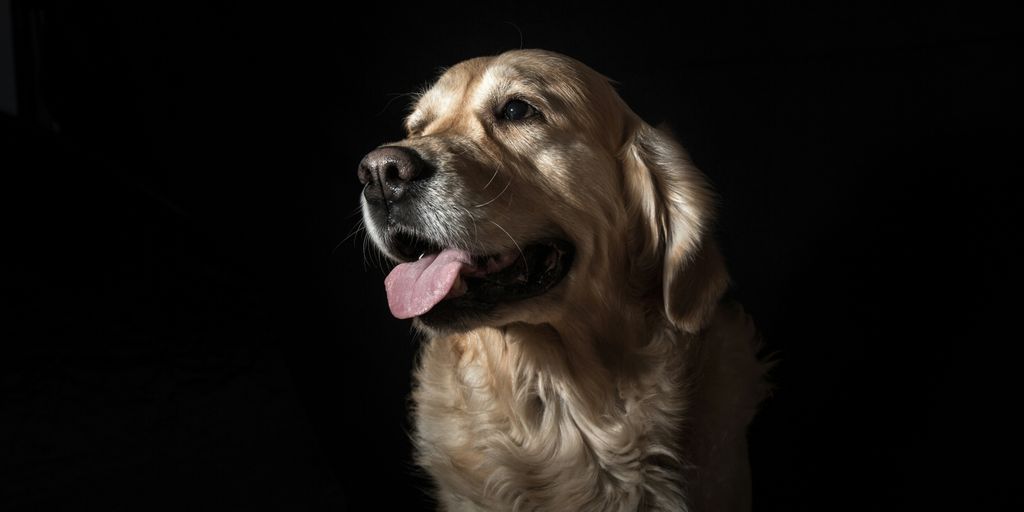
Props can really make or break a photo session with your dog. It’s not just about throwing any old toy in there; it’s about carefully choosing items that complement your dog’s personality and the overall aesthetic you’re aiming for. Let’s explore how to do this effectively.
Choosing Props That Suit Your Dog
Think about your dog’s personality. Is your dog a playful goofball or a dignified couch potato? The props you choose should reflect that. A frisbee or a bright ball might be perfect for an energetic dog, while a soft blanket or a classic toy could suit a more relaxed pup. The goal is to select props that feel natural and authentic to your dog’s character. Don’t force a prop that clearly doesn’t fit; it will show in the photos.
Matching Product Colors with Your Dog’s Appearance
Color coordination is key. Consider your dog’s fur color and choose props that either complement or contrast it nicely. For example, a dark-furred dog might pop against a light-colored blanket, while a light-furred dog could stand out against a darker background. Think about the overall color palette you want to achieve and select props that fit within that scheme. This attention to detail can really enhance dog photography.
Enhancing the Narrative with Thoughtful Props
Props can also help tell a story. A well-chosen prop can add context and depth to your photos, making them more engaging and memorable. For instance, if your dog loves to hike, including a backpack or a walking stick can hint at their adventurous spirit. If they’re a water dog, a beach ball or a small boat toy could be perfect. The idea is to use props to communicate something about your dog’s life and interests.
Remember, the best props are those that enhance the photo without overshadowing your dog. They should add to the overall composition and narrative, not distract from it. Keep it simple, keep it relevant, and most importantly, keep it fun for your dog.
Here are some ideas for props:
- Bandanas or scarves
- Hats (if your dog tolerates them!)
- Favorite toys
- Blankets or cushions
Advanced Training for Dynamic Shots
Training for Action and Movement
Getting those amazing action shots of your dog requires a different kind of training than basic obedience. It’s about building on what they already know and teaching them to perform specific actions on cue, even when they’re full of energy. Start with simple movements like ‘spin’ or ‘jump’ and gradually increase the difficulty. Use high-value rewards and keep the sessions short and fun to maintain their enthusiasm. Remember, patience is key – it takes time for your dog to understand what you want them to do.
Capturing Running Dogs with Precision
Photographing a running dog can be tricky, but with the right approach, you can get some stunning shots. Here’s what I’ve found works:
- Fast Shutter Speed: This is non-negotiable. You need a fast shutter speed (1/500th of a second or faster) to freeze the motion and avoid blur. Experiment to see what works best for your dog’s speed.
- Continuous Shooting Mode: Use burst mode to capture a sequence of images. This increases your chances of getting that perfect shot with the right expression and paw placement. wildlife photographers know this well.
- Pre-Focus: Focus on a spot where your dog will be running and pre-focus your camera there. This helps ensure that your dog is in focus when they reach that point.
- Follow Focus: If your camera has it, use a continuous autofocus mode (AI Servo on Canon, AF-C on Nikon) to track your dog as they move.
Remember to always prioritize your dog’s safety. Choose a location that is free from hazards and distractions, and never push your dog beyond their physical limits.
Maintaining Focus in Challenging Conditions
Sometimes, you’ll want to photograph your dog in environments that aren’t ideal – maybe it’s a crowded park, a dimly lit forest, or a windy beach. These conditions can make it difficult to maintain focus and get sharp images. Here are some tips for dealing with challenging conditions:
- Use a Wider Aperture: A wider aperture (smaller f-number) lets in more light, which can help your camera focus more easily in low-light situations. It also creates a shallow depth of field, which can help isolate your dog from a busy background.
- Increase ISO: Increasing your ISO makes your camera more sensitive to light, but it can also introduce noise into your images. Try to find a balance between brightness and noise.
- Stabilize Your Camera: Use a tripod or monopod to stabilize your camera, especially in low-light conditions where you need to use a slower shutter speed. pet photographer can benefit from this.
- Choose Your Location Carefully: If possible, choose a location that offers good lighting and minimal distractions. Scout the location beforehand to identify potential challenges and plan your approach accordingly.
| Condition | Solution |
|---|---|
| Low Light | Wider aperture, higher ISO, stabilization |
| Busy Background | Wider aperture, careful composition |
| Wind | Find a sheltered spot, use a fast shutter speed |
| Distractions | Minimize distractions, use a long lens |
With practice and patience, you can learn to overcome these challenges and capture amazing action shots of your dog in any environment.
Want to make your dog a star in action photos? Our special guide on "Advanced Training for Dynamic Shots" will show you how to teach your dog cool moves for amazing pictures. Learn the secrets to getting those perfect, lively shots every time. Visit our website to find out more!
Conclusion
So, there you have it. Getting great pictures of dogs isn’t just about having a fancy camera. It’s really about understanding the dog, making them feel good, and being ready for anything. Every dog is different, and every photo session will be too. Sometimes things don’t go as planned, but that’s okay. Just keep practicing, try new things, and remember to have fun with it. The more you do it, the better you’ll get at catching those special moments that really shine.
Frequently Asked Questions
How do I prepare my dog for a photo session?
To get your dog ready for a photoshoot, start by making sure they look their best with a good grooming session. Teach them basic commands like ‘sit’ and ‘stay’ so they can pose nicely. Most importantly, keep the atmosphere calm and fun so your dog feels comfortable and happy during the shoot.
What should I know about my dog’s personality for a photoshoot?
Before the shoot, spend some time with your dog to learn what they like and dislike. Find out what treats or toys get them excited, and what might make them nervous. Knowing these things helps you make the shoot enjoyable and get the best pictures.
How can I get my dog to pose and show good expressions?
You can gently guide your dog into different poses using treats or their favorite toys. To get natural expressions, try to capture them when they are looking at something interesting or reacting to a sound. For off-camera looks, you can roll a ball or make a noise in the direction you want them to look.
What’s the best way to set up the photo area for my dog?
Pick a place that’s safe and familiar for your dog. Make sure it’s comfortable and has enough space. Think about what’s in the background and use simple props that add to the picture without being too distracting.
How do I keep my dog safe and comfortable during the shoot?
Always put your dog’s safety first. If you’re outside, keep them on a leash, even if it’s a long one that can be edited out later. Watch your dog closely and take breaks if they seem tired or stressed. The goal is for them to have a good time.
What kind of props should I use and how do I pick them?
Choose props that fit your dog’s size and personality. If your dog has dark fur, pick bright props that stand out. If their fur is light, darker or colorful props work well. Props can help tell a story in the picture, so pick ones that make sense for the photo’s theme.