
So, you want to teach your dog to carry things? It’s a classic trick, and honestly, it’s pretty fun to watch your dog trot around with a toy. It’s not just about showing off, though. This kind of training can really help your dog burn off some energy and keep their brain busy. Plus, it’s a great way to get closer to your furry friend. We’ll break down how to train a dog to carry items, from picking out the right stuff to making sure they actually bring it back to you. It’s not as hard as it sounds, really.
Key Takeaways
- Pick toys that are safe and interesting for your dog to carry.
- Make the whole process of fetching exciting and rewarding for your dog.
- Teach your dog to chase, grab, and bring back the item you throw.
- Use treats and praise consistently to reinforce good behavior.
- Be patient when your dog has trouble or loses interest, and keep training fun.
Choosing The Right Fetch Toy
Picking the right toy for fetch is more than just grabbing the first ball you see. It’s about finding something that really clicks with your dog, making training fun and effective. Think about what your dog likes – some go crazy for squeaky toys, others prefer the thrill of a chase with a frisbee. The goal is to find a toy that your dog finds exciting and is easy for them to carry.
Selecting Safe and Durable Toys
Safety and durability are super important. You don’t want a toy that falls apart after a few throws or, worse, becomes a choking hazard. For dogs with strong jaws, look for tougher rubber or reinforced materials. Smaller dogs or puppies might do better with softer, lighter toys that are easier on their mouths. It’s a good idea to have a few different types of toys on hand to see what your dog prefers. You can find a great selection of dog balls, discs, and flyers at places like Chewy.
Toys That Spark Curiosity
Sometimes, a regular old ball just doesn’t cut it. Toys that bounce erratically, make interesting noises, or even have a treat dispenser can really grab your dog’s attention. These kinds of toys can add an extra layer of excitement, making your dog eager to play fetch. Experimenting with different textures and shapes can also help you discover what really gets your dog motivated.
Considering Your Dog’s Preferences
Every dog is different, right? What one dog loves, another might ignore. Pay attention to what your dog naturally gravitines towards. Do they love to chew? A durable rubber toy might be best. Are they super energetic and love to run? A frisbee could be perfect.
Here’s a quick rundown of toy types and what they might suit:
- Balls: Great for dogs who love to chase and retrieve. Look for ones that bounce well.
- Frisbees/Discs: Ideal for dogs that enjoy catching things in the air.
- Rope Toys: Good for tugging and can be used in fetch, but supervise to ensure they don’t get too shredded.
- Squeaky Toys: The sound can be a big motivator for some dogs.
It’s really about observation. Watch your dog’s body language and reactions to different toys. The toy that gets their tail wagging and their eyes bright is usually the winner.
Introducing Your Dog to Fetch
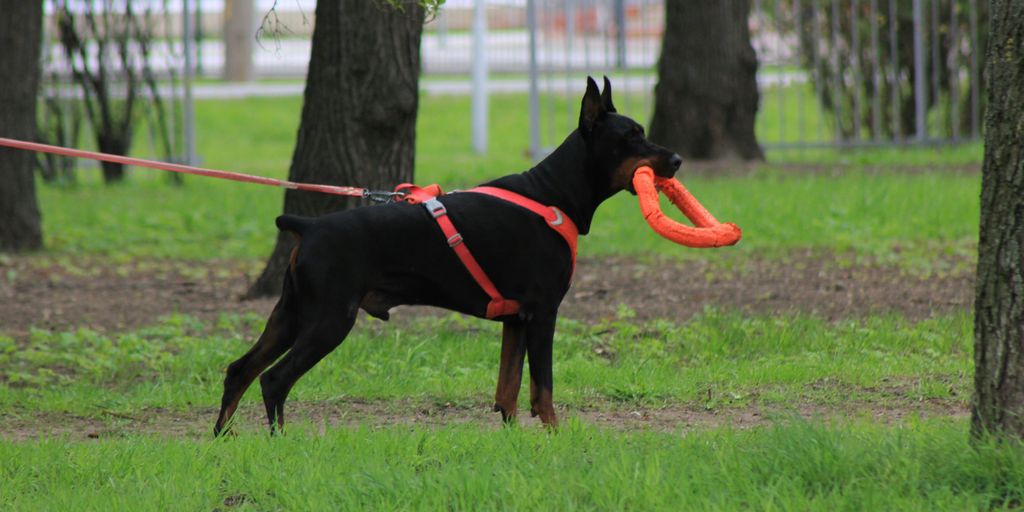
Getting your dog excited about fetch is all about making it a super fun event. Think of it like introducing them to their new favorite game. You want them to see the toy as the most amazing thing ever.
Building Excitement Around the Toy
Start by making the toy itself a big deal. Wiggle it, squeak it, and talk to your dog in a really happy, excited voice. You can even do a little dance with the toy. The goal here is to get your dog curious and wanting to interact with it. Don’t just hand it over; make them want it.
Encouraging Initial Interaction
Once your dog is showing interest, maybe by sniffing or pawing at the toy, reward that behavior! A little treat or some enthusiastic praise goes a long way. You can roll the toy a tiny bit away from them and cheer them on to go get it. Even if they just touch it, that’s a win. We’re building positive associations here, so every little step counts.
Making Fetch a Positive Experience
Keep these early sessions short and super positive. If your dog isn’t getting it right away, don’t get frustrated. Just end on a good note, maybe with a simple command they already know, and try again later. The idea is to create a fun game, not a chore. You want them to associate the toy and the act of playing with you with good feelings. This is how you get them hooked on the game, and it’s a great way to bond. If your dog is new to water play, you might want to check out some tips on introducing dogs to water.
Teaching the Retrieval Process
So, your dog is excited about the toy and maybe even chased it a bit. Awesome! Now comes the part where we teach them to actually bring it back. This is where the real fun, and sometimes the real challenge, begins. Remember, patience is key here. We’re building on that initial excitement and turning it into a reliable game.
Encouraging Your Dog to Chase
Start small. Toss the toy just a few feet away. Use an excited tone of voice and maybe even run a few steps yourself to get your dog moving. If they go for it, great! If they just look at you, that’s okay too. Try wiggling the toy on the ground or making a fun noise to pique their interest. The goal is to make chasing the toy seem like the most exciting thing in the world. We want them to associate that movement with fun and reward.
Rewarding the Return
This is a big one. When your dog picks up the toy, even if they don’t come all the way back, praise them enthusiastically. If they start moving towards you with the toy, great! When they get close, offer a high-value treat and lots of praise. You want them to understand that bringing the toy back to you is what earns the good stuff. Don’t worry if they drop it halfway; just encourage them to pick it up again. You can even use a second, identical toy to entice them to come back for the first one. This helps build the habit of returning the item to you. For more advanced training techniques, you might find resources on advanced training techniques helpful.
Mastering the ‘Drop It’ Command
Once your dog is reliably bringing the toy back, it’s time to teach them to let go. This can be tricky. When your dog has the toy, offer them a tasty treat right near their nose. Most dogs will drop the toy to take the treat. As they drop it, say "Drop it." Once they’ve dropped it, give them the treat and praise. Repeat this many times. You can also trade them for another toy if they’re reluctant to let go of the first one. The key is to make dropping the toy a positive experience, not a loss. You want them to see that dropping it leads to more good things, like another throw or a tasty reward.
Reinforcing Fetching Skills
So, your dog is chasing the toy and maybe even bringing it back sometimes. Awesome! But how do you make sure they keep doing it and get even better? It’s all about consistency and making it a really good time for them. Think of it like building a habit – the more you practice and reward, the stronger it gets.
Consistent Positive Reinforcement
This is the big one. Every time your dog does something right, like picking up the toy or bringing it closer, give them some serious praise. A happy voice, a little scratch behind the ears, or a tiny, super-tasty treat can go a long way. The key is to make sure they associate fetching with good things. Don’t worry about perfection at this stage; just reward any effort. We want them to think, "Wow, fetching is the best!"
Gradually Increasing Difficulty
Once your dog is reliably fetching, you can start making things a little more challenging. Try throwing the toy a bit further away. If they’re doing great with that, maybe try a different toy or a slightly more distracting environment. You could even try hiding the toy slightly so they have to sniff it out a bit. This keeps their brain working and prevents boredom. It’s like leveling up in a game!
Here’s a simple way to track progress:
- Session 1: Throw toy 10 feet, reward every successful return.
- Session 2: Throw toy 15 feet, reward successful returns.
- Session 3: Throw toy 20 feet, reward successful returns.
- Session 4: Introduce a slight distraction (e.g., another person walking by), reward successful returns.
Keeping Training Sessions Engaging
Nobody likes doing the same thing over and over if it gets boring, and dogs are no different. Keep your fetch sessions short and sweet – maybe 5-10 minutes a few times a day. Mix it up! Use different toys, change the location, or even try a game of hide-and-seek with the toy. The goal is to keep them excited and wanting more. If you notice your dog losing interest, it’s time to end the session on a positive note and try again later. You want them to finish wanting to play more, not feeling tired or bored. For more tips on keeping training fun, you can check out resources on dog training basics.
Remember, the goal here isn’t just to have a dog that fetches, but to build a stronger connection with them through a shared activity they both enjoy. Patience and positive vibes are your best tools.
Addressing Common Fetching Challenges
So, your dog isn’t exactly a fetch fanatic? Don’t sweat it. Most dogs can learn to enjoy fetching, but sometimes you hit a few snags. Let’s talk about how to smooth those out.
Overcoming Lack of Interest
If your dog looks at the toy like it’s a foreign object, the first thing to check is the toy itself. Is it something they actually like? Some dogs are picky! Try different textures, sizes, and even sounds. A squeaky toy might be the ticket, or maybe a soft plush one. It’s all about finding that special something that makes them want to engage. Also, consider the environment. If you’re training in a busy park, your dog might be more interested in sniffing everything than playing fetch. Start in a quiet, familiar place. You can also try making the toy more exciting by wiggling it, hiding it slightly, or even having two identical toys and switching between them to build anticipation. Sometimes, just a little extra pizzazz is all it takes to get them hooked. You might find some great ideas for engaging toys at K9 Mania Dog Training.
Preventing Toy Possession
This is a common one: your dog grabs the toy, and then it’s off to the races! They might run away, hide, or just chew on it themselves. The key here is not to chase them, as that can turn it into a game of keep-away. Instead, try to make yourself more interesting than the toy. Use a happy, inviting tone of voice and back away slightly, encouraging them to follow you. When they come closer, reward them with praise or a small treat. You can also practice a ‘trade’ – offer them a high-value treat in exchange for the toy. This teaches them that giving up the toy leads to something good. Consistency is really important with this one.
Encouraging Toy Release
Your dog brings the toy back, but then they just hold onto it, right? This is where the ‘drop it’ command comes in handy. You’ve probably been working on that separately, but here’s how to tie it into fetch. When your dog has the toy and is near you, say "drop it" clearly. You can gently take the toy from their mouth if they hesitate, but try to avoid a tug-of-war. The moment they release it, even if it’s just a little bit, praise them enthusiastically and give them a treat. You want them to associate dropping the toy with good things happening. If they’re reluctant, try offering a treat right near their nose; often, they’ll drop the toy to take the treat. Patience is your best friend here; it might take a few tries before they get the hang of it.
Remember, every dog learns at their own pace. What works for one might not work for another. Stay positive, celebrate the small wins, and don’t get discouraged if things don’t go perfectly right away. The goal is to have fun and build a stronger connection with your dog.
The Benefits of Fetch Training
Playing fetch is way more than just a fun way to burn off some energy. It actually taps into what dogs are naturally wired to do, kind of like their ancestors used to do when they hunted. Doing this regularly is great for keeping your dog healthy, both physically and mentally. It helps them maintain a good weight and keeps their heart in good shape. Plus, the mental workout they get from figuring out when to chase, grab, and bring back the toy can really cut down on boredom and stop them from developing unwanted behaviors.
Enhancing Physical Fitness
Fetch is a fantastic way to get your dog moving. It’s a high-energy activity that works their whole body. Think about it: running, jumping, and quick turns all contribute to a dog’s overall fitness. It’s especially good for breeds that have a lot of energy to burn. Regular fetch sessions can help prevent obesity and keep their joints healthy. It’s a simple game that provides a really good workout.
Providing Mental Stimulation
This game isn’t just about running around. Your dog has to think, too! They need to watch the toy, figure out how to grab it, and then decide how to bring it back to you. This kind of problem-solving is great for their brain. It keeps them sharp and can help prevent them from getting bored, which often leads to trouble. A mentally tired dog is usually a happy and well-behaved dog. It’s a good way to engage their natural instincts and keep their minds active. You can even try teaching your dog to find specific objects, which really taps into their senses and problem-solving skills. Find it!
Strengthening the Canine Bond
When you play fetch with your dog, you’re not just playing a game; you’re building a connection. It’s a shared activity where you both get to have fun. Your dog learns to trust you and respond to your cues, and you get to see them happy and engaged. This kind of interaction builds a stronger relationship between you and your pet. It’s a positive way to spend time together, reinforcing your bond through teamwork and shared enjoyment. It really helps them see you as a leader they can rely on.
Fetch training can be a really fun way to bond with your dog and teach them new skills. It’s all about making learning enjoyable for both of you! Want to learn more about how fetch training can help your furry friend? Visit our website today for tips and guides!
Wrapping Up the Fetch Fun
So, you’ve gone through the steps, picked out some cool toys, and maybe even got a few treats ready. Teaching your dog to fetch is a really great way to spend time together. It gets them moving and thinking, and honestly, it’s just plain fun for both of you. Remember to keep it light, stay patient if your dog isn’t getting it right away, and celebrate those little wins. Every dog learns differently, so just enjoy the process. Pretty soon, you’ll have a happy pup who loves bringing things back, and you’ll have a stronger connection with your furry friend because of it. Now go on, grab that ball and have a blast!
Frequently Asked Questions
How do I get my dog excited about playing fetch?
Start by picking a toy your dog really likes, like a bouncy ball or a fun squeaky toy. Make it seem super exciting by wiggling it around and using a happy voice. The idea is to get your dog interested in the toy itself before you even think about throwing it. Roll it a little way and cheer them on to go get it. Don’t worry if they don’t bring it back right away; just focus on making it a fun chase.
My dog brings the toy back but won’t let go. What should I do?
When your dog brings the toy back, even if it’s just part of the way, give them lots of praise and a tasty treat. Use a clear word like ‘drop it’ when you want them to let go. You can gently take the toy while saying the word, and then reward them. It takes practice, so stay patient!
What if my dog just isn’t interested in playing fetch?
Some dogs aren’t naturally interested in fetch. Try different kinds of toys – maybe something softer, or something that makes noise. Sometimes, a different shape or texture can make a big difference. Also, make sure you’re showing lots of enthusiasm when you play with the toy yourself!
Besides being fun, what are the benefits of teaching my dog to fetch?
Fetch is great exercise for your dog, helping them stay fit and healthy. It also gives their brain a workout because they have to focus and follow your commands. Plus, playing fetch together is a fantastic way to build a stronger connection and trust with your furry friend.
My dog grabs the toy and runs away. How can I stop this?
If your dog runs off with the toy instead of bringing it back, don’t chase them, as that can turn into a game of keep-away. Instead, try calling them back to you in a happy voice and reward them when they come close. You can also try using a long leash at first to help guide them back.
How can I keep fetch training fun and prevent my dog from losing interest?
Keep training sessions short, maybe 10 to 15 minutes, so your dog doesn’t get bored or tired. Always end on a good note with lots of praise and maybe a treat. Mixing up the toys you use and the places you play can also help keep things interesting and fun for your dog.