
Want to take your dog hiking without a leash? It’s a pretty common dream for dog owners. Getting your dog to hike off-leash safely takes some work, but it’s totally doable. This guide will walk you through the steps to get your dog ready for those awesome trail adventures, making sure everyone stays safe and happy. It’s all about building good habits and trust with your furry friend.
Key Takeaways
- Start with the basics: make sure your dog walks well on a leash and comes when called, every single time.
- Get your dog used to different sights and sounds they might meet on a trail, slowly and with good experiences.
- Always have a strong recall command ready; it’s the most important safety tool you have off-leash.
- Pick the right gear for your dog, like a good harness and a pack for them to carry their own stuff.
- Practice in safe, controlled places first, like fenced parks, before heading to busy trails.
Building a Strong Foundation for Off-Leash Hiking
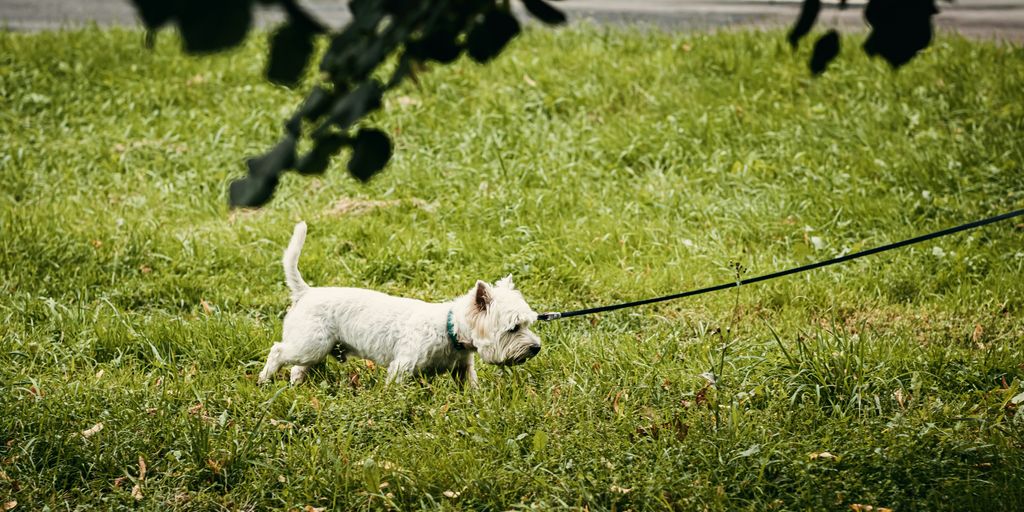
Before you even think about letting your dog roam free on the trails, it’s super important to lay some groundwork. You can’t just expect your dog to behave perfectly without proper training. It’s like expecting to run a marathon without ever jogging – it’s just not gonna happen. We need to make sure they’re safe, respectful of other hikers and wildlife, and, most importantly, that they’ll come back when you call them. It’s a process, but trust me, it’s worth it for those amazing off-leash adventures.
Mastering Leash Walking Skills
Okay, I know what you’re thinking: "Leash walking? That’s boring!" But hear me out. Solid leash manners are the bedrock of off-leash success. If your dog is pulling, lunging, and generally acting like a wild animal on the leash, they’re definitely not ready to be trusted off-leash. Think of leash walking as practice for paying attention to you, even when there are exciting things happening around them. Start with short walks in quiet areas, and gradually increase the distractions as your dog improves.
Developing Reliable Recall Commands
If there’s one command that’s absolutely non-negotiable for off-leash hiking, it’s recall. I’m talking about a recall so good that your dog would come running back to you even if there was a squirrel convention happening nearby. This isn’t just about saying their name and hoping for the best. It’s about building a super strong association between the recall command and something amazing, like a high-value treat or enthusiastic praise. Practice in different environments, starting with low-distraction areas and gradually increasing the challenge. If you need help, consider long leash training to practice recall at a distance.
Fostering Proximity and Engagement
It’s not enough for your dog to just tolerate being near you. You want them to want to be near you. This is where building value in proximity comes in. Make yourself the most interesting thing in the environment. This means lots of positive reinforcement, fun games, and maybe even some tasty snacks. The goal is to create a relationship where your dog chooses to stay close to you, even when there are other exciting things happening around them. It’s about building a partnership, not just issuing commands.
Think of it this way: you’re building a bank account of positive experiences. The more positive interactions you have with your dog, the more likely they are to choose to stay close to you, even when faced with distractions. It’s an investment in your relationship and their safety.
Preparing Your Dog for the Trail Environment
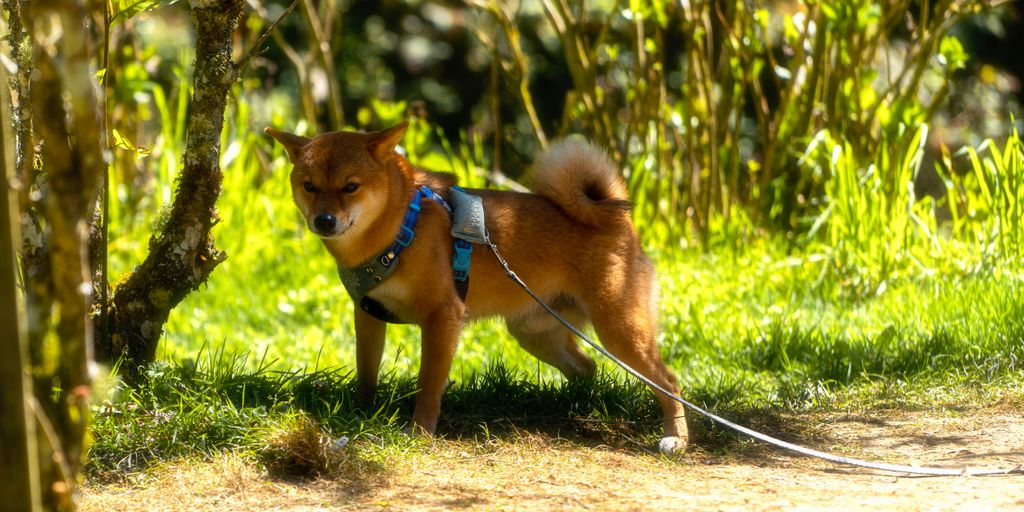
Before you even think about letting your dog off-leash on a trail, it’s super important to make sure they’re actually ready for it. This isn’t just about basic obedience; it’s about their safety, your safety, and the safety of other hikers and animals you might encounter. Think of it as setting the stage for a successful and enjoyable experience for everyone involved.
Assessing Your Dog’s Fitness and Breed Suitability
Not all dogs are built for the same level of activity. A tiny chihuahua isn’t going to have the same stamina as a husky. Consider your dog’s breed, age, and overall health before planning any serious hikes. A vet check-up is a great idea to rule out any underlying health issues that could be aggravated by strenuous exercise. Also, think about their current activity level. If their daily routine consists of short walks around the block, you’ll need to gradually increase their endurance before tackling a mountain trail. Start with shorter, easier hikes and slowly build up the distance and difficulty. This will help prevent injuries and ensure your dog enjoys the experience.
Introducing Novelty and Distractions Gradually
The trail is a sensory overload for dogs. New smells, sights, and sounds can be incredibly exciting, but also overwhelming. Before unleashing your dog, expose them to these stimuli in a controlled way. Start with walks in parks or other areas with moderate distractions. Practice recall and other commands in these environments to help them focus on you even when there’s a lot going on. If your dog is easily spooked by loud noises, try playing recordings of nature sounds at home to desensitize them. The goal is to help them become comfortable and confident in a variety of situations, so they’re less likely to react impulsively on the trail. Remember to bring dog first aid supplies in case of any accidents.
Understanding Your Dog’s Tendencies and Cues
Every dog has its own unique personality and quirks. Some are naturally curious and independent, while others are more cautious and clingy. Pay close attention to your dog’s body language and behavior in different situations. Learn to recognize the signs of stress, anxiety, or overexcitement. This will allow you to anticipate potential problems and intervene before they escalate. For example, if you know your dog has a tendency to chase squirrels, you’ll need to be extra vigilant in areas where squirrels are common. Similarly, if they’re nervous around strangers, you’ll need to keep them close and under control when encountering other hikers. Understanding your dog’s individual tendencies is key to managing their behavior and ensuring their safety on the trail.
It’s important to remember that off-leash hiking isn’t right for every dog. If your dog has a history of aggression, poor recall, or a strong prey drive, it’s best to keep them on a leash for their own safety and the safety of others. There’s no shame in admitting that your dog isn’t ready for off-leash adventures. The most important thing is to prioritize their well-being and make responsible choices.
Essential Commands for Off-Leash Safety
Before letting your dog roam free on the trails, it’s super important they know some key commands. These aren’t just your average sit-and-stay; they’re the difference between a fun hike and a stressful situation. We’re talking about commands that can keep your dog safe from wildlife, other hikers, and even themselves.
Perfecting the Emergency Recall
The emergency recall is arguably the most important command for off-leash hiking. It’s not just a regular "come"; it’s a "get back here NOW" command. Think of it as your dog’s panic button.
- Use a unique word, different from your everyday recall. Something like "NOW!" or "FREEZE!" works well.
- Pair it with a high-value reward – something your dog goes absolutely bonkers for, like small pieces of steak or cheese. Save this treat only for emergency recalls.
- Practice in various environments, starting with low distractions and gradually increasing the difficulty. You want your dog to respond instantly, no matter what’s going on around them.
An emergency recall should be lightning-fast and unwavering. It’s not a request; it’s a demand. Your dog needs to understand that when you use this command, they drop everything and return to you immediately. This could save them from running into traffic, approaching a dangerous animal, or getting lost.
Teaching a Solid Heel Command
A reliable heel command is your best friend when encountering other hikers or navigating narrow sections of the trail. It’s about maintaining control and ensuring your dog doesn’t bother others. It’s also helpful to have your dog master leash walking skills before attempting this off-leash.
- Start with on-leash training, rewarding your dog for walking nicely by your side.
- Gradually transition to off-leash, using a specific cue word like "heel" or "close."
- Use positive reinforcement to encourage the desired behavior. Treats, praise, and even a gentle pat on the head can work wonders.
Utilizing Visual and Verbal Cues
Sometimes, a verbal command just won’t cut it – maybe there’s too much wind, or your dog is too far away to hear you clearly. That’s where visual cues come in handy. These can be simple hand signals that your dog associates with specific commands.
- Pair each verbal command with a distinct hand signal. For example, a raised hand could mean "stay," while a pointing finger could mean "go ahead."
- Practice these cues regularly, reinforcing the connection between the verbal and visual signals.
- Use a whistle for long-distance communication. A specific whistle pattern can signal your dog to return, stop, or change direction.
Troubleshooting Common Off-Leash Challenges
Addressing Leash Reactivity on the Trail
Leash reactivity can be a real headache, especially when you’re trying to enjoy a peaceful hike. The key is understanding that leash reactivity often stems from frustration or fear, not aggression. If your dog barks and lunges at other dogs or people while on a leash, it’s important to manage this behavior proactively.
Here’s what you can do:
- Create Distance: When you see a trigger approaching, increase the distance between your dog and the trigger. This might mean stepping off the trail or changing direction.
- Redirection: Use high-value treats or a favorite toy to redirect your dog’s attention before they react. The goal is to create a positive association with the presence of the trigger.
- Desensitization: Gradually expose your dog to the trigger at a distance where they don’t react, and reward calm behavior. Over time, you can slowly decrease the distance as your dog becomes more comfortable. If your dog needs help with leash walking skills, consider personalized training.
Remember, consistency is key. It takes time and patience to change a dog’s behavior, so don’t get discouraged if you don’t see results immediately.
Managing Pulling Behavior with Proper Gear
Pulling on the leash is a common problem, and it can make off-leash transitions difficult. If your dog is constantly pulling, they’re not learning to respect your cues or pay attention to their surroundings.
Here’s how to tackle pulling behavior:
- Use a Harness: A front-clip harness can be a game-changer. It redirects your dog’s momentum when they pull, making it physically harder for them to pull forward.
- Stop and Redirect: When your dog starts to pull, stop walking immediately. Wait for them to release the tension on the leash, and then reward them with praise or a treat. Start walking again, and repeat the process as needed.
- Change Direction: If stopping doesn’t work, try changing direction abruptly. This will force your dog to pay attention to you and follow your lead.
Redirecting Undesired Behaviors Effectively
Even with the best training, your dog might still exhibit unwanted behaviors on the trail, such as chasing squirrels, digging, or getting into things they shouldn’t. The key is to have a plan for redirecting these behaviors in a positive and effective way.
Here are some strategies:
- Anticipate and Redirect: Pay attention to your dog’s body language and anticipate when they’re about to engage in an unwanted behavior. Before they act, redirect their attention with a command, a treat, or a toy.
- Offer an Alternative: If your dog likes to dig, bring a portable digging pit or designate a safe area where they can dig. If they like to chew, pack some durable chew toys to keep them occupied. It’s important to understand your dog’s tendencies to ensure that off-leash behavior is successful.
- Use a Recall Cue: A reliable recall cue can be a lifesaver in these situations. If your dog starts to chase a squirrel, use your recall cue to bring them back to you immediately. Remember to reward them handsomely when they come back.
| Behavior | Redirection Strategy |
|---|---|
| Chasing Squirrels | Recall command + high-value treat |
| Digging | Offer designated digging area or chew toy |
| Getting into Trash | "Leave it" command + redirect with a toy or treat |
Equipping Your Dog for Off-Leash Adventures
Getting your dog ready for off-leash hiking isn’t just about training; it’s also about having the right gear. The right equipment can make the experience safer and more enjoyable for both of you. Let’s dive into what you’ll need.
Choosing the Right Harness and Leash
Selecting the right harness and leash is the first step. A good harness should fit comfortably and securely, without restricting your dog’s movement. Look for one with padding to prevent chafing, especially on longer hikes. A front-clip harness can be helpful for managing pulling, even when you plan on letting your dog off-leash part of the time. For leashes, consider a durable, weather-resistant option. A Kootenay All-Terrain Dog Harness can be useful to quickly leash your dog if needed.
Introducing a Dog Hiking Pack
If your dog is up for it, a dog hiking pack can be a great way for them to carry their own supplies. Start with an empty pack and gradually add weight as your dog gets used to it. Make sure the pack fits properly and doesn’t put too much strain on their back. A good rule of thumb is that a dog should carry no more than 25% of their body weight. Here’s a simple guide to get started:
- Start with an empty pack on short walks.
- Gradually add weight, such as water bottles or collapsible bowls.
- Monitor your dog for signs of fatigue or discomfort.
Introducing a pack slowly is key. Don’t just strap it on and head out for a long hike. Let your dog get used to the feel of it around the house and on short walks before hitting the trail.
Packing Essential Chew Items for Breaks
Bringing along chew items is a smart way to keep your dog occupied and relaxed during breaks. Choose long-lasting chews like bully sticks, yak chews, or durable rubber toys filled with peanut butter. These can help prevent boredom and keep your dog from getting into trouble while you’re resting. It’s also a good way to keep them quiet when other hikers pass. Remember to pack enough water and a collapsible bowl for your dog to stay hydrated throughout the hike.
Practicing Off-Leash Skills in Controlled Settings
Before hitting the trails, it’s super important to practice off-leash skills in safe, controlled environments. This helps build your dog’s confidence and your own peace of mind. Think of it as laying the groundwork for successful and safe off-leash adventures. You wouldn’t run a marathon without training, right? Same goes for your dog!
Starting in Fenced-In Areas
Begin in a secure, fenced-in area like a dog park or even your own backyard. The goal here is to establish reliable recall and basic commands without the added stress of external distractions. Make sure the area is free of hazards and that your dog is comfortable in the space. This is where you reinforce those foundational skills like recall, sit, stay, and heel. Keep sessions short and fun, ending on a positive note. It’s all about building a positive association with off-leash freedom.
Gradually Increasing Distractions
Once your dog is reliably responding to commands in a fenced area, it’s time to up the ante. Introduce distractions gradually. This could mean having a friend walk by with their dog, tossing a ball nearby, or even just having more people around. The key is to slowly increase the level of stimulation to avoid overwhelming your dog. If your dog starts to struggle, take a step back and reduce the distractions. Remember, it’s a process, not a race. You can even use a dog hiking pack to help carry treats and toys for positive reinforcement.
Rewarding Frequent Check-Ins
One of the most important aspects of off-leash hiking is teaching your dog to check in with you regularly. This means they voluntarily come back to you, even when they’re not called. Reward these check-ins with praise, treats, or a quick game. The more you reward these behaviors, the more likely your dog is to repeat them.
Think of check-ins as your dog’s way of saying, "Hey, I’m still here!" It builds a strong bond and ensures they don’t wander too far. It also allows you to monitor their behavior and anticipate any potential issues before they arise. Frequent check-ins are a sign of a well-trained and engaged hiking companion.
Ensuring Safety and Respect on the Trail
Adhering to Leave No Trace Principles
It’s super important to remember that when we’re out enjoying nature with our dogs, we’re also responsible for protecting it. That means following the Leave No Trace principles. This isn’t just about being a good person; it’s about preserving these spaces for everyone to enjoy, including future generations of hikers and their furry friends.
- Always pack out everything you pack in – and that definitely includes dog waste. No one wants to step in that!
- Stick to designated trails to avoid damaging fragile ecosystems.
- Minimize campfire impacts (or avoid them altogether). This is less about dogs and more about general trail etiquette.
Think of it this way: we’re guests in nature’s home. Let’s treat it with the respect it deserves. It’s not just about us; it’s about all the plants, animals, and other people who share these spaces.
Anticipating Unexpected Encounters
The trail can be full of surprises! You might run into other hikers, wildlife encounters, or even horses. It’s up to you to be prepared for these situations and keep your dog under control. A well-trained dog is less likely to react negatively to unexpected stimuli.
- Keep your dog close and be ready to leash them quickly if needed.
- Be aware of your surroundings and scan ahead for potential hazards or distractions.
- Practice recall in various environments to ensure your dog responds reliably, even when excited.
Maintaining Control Around Other Hikers
Not everyone loves dogs as much as we do, and some people might even be afraid of them. It’s crucial to be respectful of other hikers and ensure your dog doesn’t bother them. This means keeping your dog from jumping on people, barking excessively, or running up to them uninvited. If you see another hiker approaching, call your dog to your side and put them on a leash if necessary. Remember, it’s always better to err on the side of caution. Be a good example to other dog owners by practicing responsible dog ownership on the trail.
Keeping everyone safe and happy on the trail is super important. It’s all about being kind to others and making sure our furry friends are well-behaved. Want to learn more about how to make your dog a trail-ready superstar? Check out our website for the best dog training courses!
Wrapping It Up
So, there you have it. Getting your dog ready for off-leash hiking takes some work, but it’s totally worth it. You’ll build a stronger bond with your dog, and they’ll get a great mental workout learning new things. Remember to use hand signals along with your voice commands, especially since it can be hard for your dog to hear you on a busy trail. As you train, you’ll start to really understand your dog’s habits and what they’re thinking. That’s a big deal for hiking, because it helps you see what they might do next and avoid any problems. Plus, when you feel good about how your dog acts, you’ll be more relaxed, and that makes the whole hiking trip better for everyone. Happy trails!
Frequently Asked Questions
How do I start training my dog for off-leash hiking?
Starting with short, easy walks in quiet, familiar places is best. As your dog gets better, you can slowly introduce them to busier trails with more sights and sounds. Always watch their body language to make sure they’re comfortable.
What are the most important commands for off-leash safety?
A strong ‘come’ command, also known as recall, is super important. It means your dog will come back to you no matter what. Also, ‘stay’ and ‘leave it’ are helpful for keeping them safe around distractions or things they shouldn’t touch.
How do I know if my dog is fit enough for hiking?
It depends on your dog’s breed, age, and overall health. Some dogs are naturally more athletic, while others might need more time to build up their stamina. Always check with your vet to make sure your dog is ready for longer hikes.
My dog pulls a lot on the leash. What gear can help with that?
If your dog pulls on the leash, a front-clip harness can help. It makes it harder for them to pull forward. For very strong pullers, a head halter might be needed, but your dog will need time to get used to wearing it.
What essential items should I always bring on a hike with my dog?
Always carry plenty of water for both you and your dog, a first-aid kit for pets, and a leash even if you plan to hike off-leash. Don’t forget poop bags and a way to carry out any trash, following ‘Leave No Trace’ rules.
What should I do if my dog gets too excited or barks at others on the trail?
If your dog gets overly excited or barks at other dogs or people while on a leash, it’s called leash reactivity. Instead of scolding them, try to redirect their attention with a treat or a toy before they react. Sometimes, professional training can be very helpful for this.