
Getting your puppy ready for vet visits is a big deal. It can make a huge difference in how they feel about going to the doctor for their whole life. Nobody wants a scared puppy at the vet, right? This guide will walk you through how to make those checkups smooth and easy, focusing on “Training a puppy for vet visits” so everyone stays calm and happy.
Key Takeaways
- Start early with training to help your puppy feel good about vet visits.
- Get your puppy used to their carrier and car rides well before an actual appointment.
- Practice touching your puppy’s paws, ears, and mouth so they are okay with being handled.
- Always use treats and praise to make vet-related experiences positive for your puppy.
- If your puppy is still very scared, don’t hesitate to ask a professional for help.
Understanding Puppy Anxiety During Vet Visits
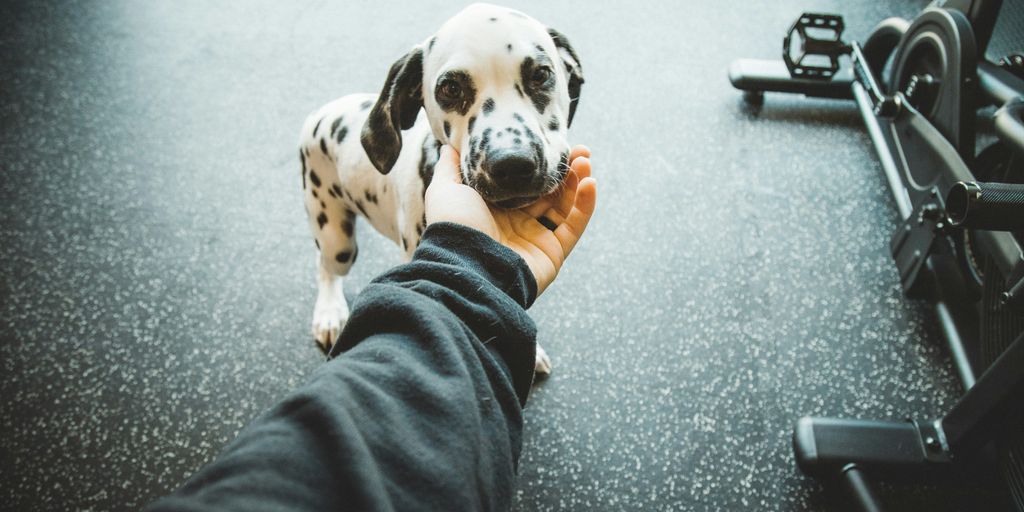
Vet visits can be super stressful for puppies. It’s a new place, smells are weird, and strangers are poking and prodding. Understanding why your pup gets anxious is the first step to making those trips easier. It’s not just about being scared of the vet; there’s a lot more to it.
Identifying Common Stress Triggers
Figuring out what sets your puppy off is key. Is it the car ride? The waiting room filled with other animals? The smell of antiseptic? Or maybe it’s the examination table itself? Identifying these triggers allows you to address them directly. Some common triggers include:
- Loud noises
- Unfamiliar people
- Restraint
- Painful procedures
Recognizing Your Puppy’s Body Language
Your puppy is constantly communicating, even if they can’t use words. Learning to read their body language is crucial. Are they panting excessively, even when it’s not hot? Are their ears pinned back, or are they showing the whites of their eyes? These are all signs of stress. Other signs include:
- Yawning or lip licking (when not tired or hungry)
- Tail tucked between their legs
- Trembling or shaking
- Trying to escape or hide
The Importance of Early Intervention
Addressing anxiety early is way easier than trying to fix it later. Puppies are more adaptable when they’re young, so starting desensitization and counter-conditioning early can make a huge difference. The longer you wait, the more ingrained those negative associations become. Think of it like this:
Early intervention sets the stage for a lifetime of calmer vet visits. By addressing anxiety early on, you’re not just making vet trips easier now; you’re preventing the development of more serious anxiety issues down the road. This proactive approach can significantly improve your puppy’s overall well-being and make veterinary care a positive experience.
It’s like teaching a kid to swim early – they’re less likely to develop a fear of water. If your puppy is showing signs of dog anxiety, don’t ignore it. Start working on it now!
Preparing Your Puppy for Vet Visits
It’s super important to get your puppy ready for vet visits before they actually need one. This can make a huge difference in how they handle the experience. A little prep work can save you and your pup a lot of stress down the road.
Familiarizing with the Carrier and Car Rides
If you plan to use a carrier, get your puppy used to it ASAP. Make the carrier a cozy den, not a scary prison. Put treats and toys inside, and let them explore it on their own. Start with short car rides, just around the block, and gradually increase the length. The goal is to make car rides a normal, even enjoyable, part of their life. If your puppy gets carsick, talk to your vet about options to help with that before you start these practice rides.
Practice Visits to the Vet Clinic
Seriously, just pop in for a friendly visit! Ask the vet if you can swing by with your puppy just to say hi. No poking, prodding, or scary exams. Just a quick hello, maybe a treat from the staff, and then you’re on your way. This helps your puppy associate the vet clinic with positive experiences. It’s also a good idea to find a veterinarian early on, so you can establish this routine.
Choosing the Right Appointment Time
Think about when your puppy is most relaxed and schedule appointments accordingly. Avoid times when they’re likely to be tired, hungry, or overly energetic. Early morning or mid-afternoon appointments often work well. Also, consider the clinic’s schedule. A quieter time might mean less chaos and fewer stressed-out animals in the waiting room, which can help keep your puppy calm.
It’s all about creating positive associations and minimizing stress. The more comfortable your puppy is with the carrier, car rides, and the vet clinic itself, the easier those actual appointments will be. Remember to be patient and consistent, and reward your puppy for good behavior along the way.
Desensitization to Handling and Examination
It’s super important to get your puppy used to being touched and examined before they even need to go to the vet for real. This makes vet visits way less scary for them. We’re talking about getting them comfortable with all the poking and prodding that comes with a checkup.
Gentle Ear and Paw Handling
Start by just casually petting your puppy, then slowly work your way to their ears and paws. The key is to go slow and make it positive. For ears, gently caress around them, then try lifting them a little. With paws, just place your hand on them at first, then try holding them. Don’t squeeze or do anything that seems to bother them. If they pull away, back off and try again later. Some breeds, especially during their first eighteen months, might need extra gentle handling around the ears to avoid impacting cartilage development. Remember, tail lifting is also important for future grooming or vet checks.
Comfort with Mouth and Teeth Checks
This one can be tricky, but it’s important. Start by just touching your puppy’s muzzle, then slowly work your way to lifting their lips to peek at their teeth. You can even gently massage their gums. The goal is to get them used to you messing around in their mouth without them getting defensive. Eventually, you want to be able to hold their snout from the top and bottom without any fuss.
Acclimating to the Examination Table
Vet exam tables can be intimidating! They’re often cold, slippery, and wobbly. You can mimic this at home by using a sturdy board and raising one corner slightly to create an unstable surface. Use treats to lure your puppy onto the surface, and reward them for standing still. Make it a fun game! The goal is to get them comfortable walking and standing on a [somewhat unstable surface] without being scared.
Think of it like this: you’re building trust. Each little step helps your puppy realize that being handled and examined isn’t a threat. It’s just another part of their routine, like getting fed or going for a walk. Patience is key!
Creating Positive Associations with the Vet
It’s super important to make the vet a happy place for your puppy. We want them to associate the vet’s office with good things, not scary needles and prodding. This can make future visits way less stressful for both of you.
Using High-Value Treats and Praise
Don’t skimp on the good stuff! Bring your puppy’s absolute favorite treats – think tiny pieces of cheese, cooked chicken, or whatever makes their tail wag like crazy. Use these treats only at the vet’s office to create a special association. Pair the treats with lots of enthusiastic praise. A simple "Good job!" or "You’re such a brave puppy!" can go a long way. The goal is to make the vet a place where amazing things happen.
Short, Positive Interactions with Staff
Encourage the vet staff to interact with your puppy in a positive way. This could be as simple as a quick pat on the head, a kind word, or offering a treat. These short interactions can help your puppy see the staff as friendly and approachable. If your puppy is nervous, don’t force interaction. Let them approach the staff at their own pace. A good way to start is with a meet and greet where the puppy can sniff around and get comfortable without any pressure.
Making the Vet a Fun Place
Think of ways to make the vet’s office a fun place for your puppy. This could involve bringing a favorite toy for them to play with in the waiting room (if allowed). You can also practice simple commands like "sit" or "stay" and reward them with treats. The idea is to create a positive and engaging experience that distracts them from any potential anxiety. Consider these points:
- Bring a familiar blanket or toy.
- Play a quick game of fetch (if space allows).
- Practice basic obedience commands for treats.
By consistently creating positive experiences at the vet, you can help your puppy develop a more relaxed and confident attitude towards vet visits. This will not only make vet visits easier in the short term but also contribute to their overall well-being in the long run.
Managing Stress During the Vet Appointment
Okay, so you’ve done all the prep work. Now it’s appointment time. This is where all that training and desensitization really pays off, but it’s also where you need to be extra vigilant about managing your puppy’s stress levels. It’s easy for them to get overwhelmed in a new environment with strange smells and people.
Staying Calm and Confident Yourself
Your puppy picks up on your emotions like a sponge. If you’re anxious, they’re going to be anxious. So, take a deep breath and try to project a sense of calm, even if you’re secretly a nervous wreck. Speak in a soothing voice and avoid sudden movements. Remember, you’re their safe space. If you are calm, it will help with dog’s anxiety.
Waiting in the Car Before Entry
Vet waiting rooms can be chaotic. All those unfamiliar animals and people crammed into a small space? It’s a recipe for puppy panic. Instead of subjecting your pup to that, call the vet’s office when you arrive and ask if you can wait in the car until they’re ready for you. This minimizes their exposure to potential stressors and allows them to stay in a more controlled environment for a bit longer.
Allowing Exploration of the Exam Room
Once you’re in the exam room, don’t immediately plop your puppy onto the examination table. Give them a chance to sniff around and explore the space. Let them get comfortable with the new smells and sights. This can help reduce their anxiety and make them feel a little more in control.
Think of it like this: you wouldn’t want someone to just grab you and start poking and prodding without warning, right? Same goes for your puppy. A little exploration can go a long way in making the experience less scary.
Here’s a quick checklist to keep in mind:
- Bring a familiar blanket or toy.
- Keep the leash loose and avoid pulling.
- Offer treats and praise frequently.
- Ask the vet staff to approach slowly and gently.
Post-Visit Reinforcement and Continued Training
It’s easy to think the vet visit training ends at the clinic door, but what happens after is just as important. The goal is to make each subsequent visit easier than the last, and that requires consistent effort and positive reinforcement.
Rewarding Your Puppy After the Visit
The moment you get home, shower your puppy with praise and a special treat. This helps solidify the positive association with the vet visit. Think of it as a "job well done" bonus. Maybe it’s a favorite toy, a long walk, or some extra cuddle time. Whatever makes your puppy happy, now’s the time to do it. This is a great time to reinforce positive reinforcement.
Allowing Time for Decompression
Vet visits can be overwhelming, even if they go well. Your puppy needs time to decompress and relax afterward. This might mean:
- Providing a quiet space where they can rest undisturbed.
- Avoiding any strenuous activity or training sessions immediately after the visit.
- Using calming aids like a familiar blanket or a soothing pheromone diffuser.
It’s important to let your puppy set the pace for their recovery. Don’t force interaction if they seem withdrawn or stressed. Just be present and offer reassurance.
Incorporating Feedback for Future Visits
Pay close attention to your puppy’s behavior before, during, and after the vet visit. What seemed to cause the most stress? What seemed to help them cope? Use this information to adjust your training plan for future visits. For example, if your puppy was particularly anxious about the examination table, spend more time acclimating them to similar surfaces at home. Maybe training rescue dogs is something to consider if your dog has a particularly hard time.
Here’s a simple way to track your puppy’s progress:
| Aspect | Visit 1 | Visit 2 | Visit 3 | Notes |
|---|---|---|---|---|
| Car Ride | 8/10 | 9/10 | 10/10 | Improved with familiar music |
| Waiting Room | 5/10 | 6/10 | 7/10 | Still anxious around other animals |
| Examination | 6/10 | 7/10 | 8/10 | Better with slow, gentle handling |
| Post-Visit Recovery | 7/10 | 8/10 | 9/10 | Responded well to a quiet, dark room |
By consistently reinforcing positive experiences and addressing areas of concern, you can help your puppy develop a more relaxed and confident attitude toward vet visits. Remember, patience and consistency are key!
Seeking Professional Assistance for Anxious Puppies
Sometimes, despite our best efforts, a puppy’s anxiety surrounding vet visits can be overwhelming. It’s important to recognize when professional intervention is needed to ensure your puppy’s well-being and create a more positive experience for everyone involved. Don’t hesitate to seek help; it’s a sign of responsible pet ownership.
When to Consult a Professional Trainer
If your puppy’s anxiety is severe or if your at-home training isn’t yielding the desired results, it’s time to consider a professional dog trainer. A certified trainer experienced in behavior modification can assess your puppy’s specific anxieties and develop a tailored training plan. They can also provide guidance on techniques you might not be familiar with, such as counter-conditioning or systematic desensitization. Remember, dog aggression can stem from fear, so addressing the root cause is key.
Discussing Calming Aids with Your Vet
Your veterinarian is a valuable resource for managing your puppy’s anxiety. They can recommend calming aids, such as pheromone diffusers or calming chews, that may help reduce stress during vet visits. These aids can be particularly useful in conjunction with training and desensitization exercises. It’s important to discuss any potential calming aids with your vet to ensure they are safe and appropriate for your puppy’s individual needs. They might suggest a regular veterinary appointment to monitor progress.
Considering Anti-Anxiety Medications
In some cases, a puppy’s anxiety may be so severe that anti-anxiety medications are necessary. This is a decision that should be made in consultation with your veterinarian. Anti-anxiety medications can help reduce your puppy’s overall anxiety levels, making training and desensitization more effective. It’s important to understand that medication is not a quick fix, but rather a tool to help manage anxiety and improve your puppy’s quality of life.
It’s crucial to remember that seeking professional help is not a sign of failure. It’s a proactive step towards ensuring your puppy’s well-being and creating a more positive experience for everyone involved. A happy, relaxed puppy makes vet visits easier and more enjoyable for all.
If your puppy is struggling with anxiety, getting help from a professional can make a huge difference. They can teach you how to best support your furry friend. To learn more about finding the right expert, check out our guide on "Best Dog Training Courses" on our website.
Wrapping It Up
So, there you have it. Getting your puppy ready for vet visits isn’t always easy, but it’s totally worth it. Think of it as building a good habit, like teaching them to sit or stay. It takes time and a lot of patience, but when you see your dog chilling out at the vet instead of freaking out, you’ll know you did a good job. Just keep practicing those little steps, stay calm yourself, and remember that every small win adds up. Your dog will thank you for making those trips a lot less scary, and you’ll feel better knowing they’re happy and healthy.
Frequently Asked Questions
How early should I start training my puppy for vet visits?
It’s super important to start early! The sooner you get your puppy used to vet visits, the better. Think of it like teaching them good manners; the younger they learn, the easier it sticks. Start with short, happy visits and gentle handling practices at home.
What are the common signs of anxiety in puppies at the vet?
Keep an eye out for signs like yawning, lip licking, tail tucked, or trying to hide. These are all ways your puppy tells you they’re feeling uneasy. If you see these, it’s a good idea to slow down and make things more comfortable for them.
Can I bring my puppy to the vet just for a ‘happy visit’ without an appointment?
Absolutely! Many vets are happy for you to bring your puppy in for ‘happy visits.’ This means you stop by just to say hello, get some treats from the staff, and leave. No pokes or prods, just good vibes. It helps your puppy see the vet’s office as a friendly place.
What kind of treats are best to use during vet visits?
High-value treats are like gold to your puppy! Think small pieces of cooked chicken, cheese, or special training treats they don’t get often. These make the vet experience much more rewarding and help create positive memories.
My puppy gets really scared at the vet. What can I do during the appointment?
If your puppy is really scared, try to stay calm yourself. Your puppy can pick up on your feelings. You can also ask the vet if you can wait in the car until it’s your turn, or if there’s a quieter exam room available. Sometimes, a calming treat or a special blanket can help too.
When should I seek professional help for my puppy’s vet anxiety?
If you’ve tried everything and your puppy is still super stressed, it’s a good idea to talk to your vet or a professional dog trainer. They might suggest special calming products, or in some cases, even medicine to help your puppy feel less anxious during visits.