
Learning how to train a dog with a pet camera might sound a bit futuristic, but it’s actually a super practical way to teach your furry friend new things. Think about it: you can check in on them, give commands, and even reward good behavior even when you’re not right there. This method really changes the game for busy pet owners, making training more flexible and, honestly, a lot more fun for everyone involved. It’s all about using everyday tech to build a better bond and a well-behaved pup.
Key Takeaways
- Remote training makes dog training flexible and easy, fitting into your busy schedule.
- Tech tools like smart collars and apps help you communicate with your dog from far away.
- Pet cameras let you watch, talk to, and even give treats to your dog when you’re not home.
- Consistency and patience are still super important, even with all the cool gadgets.
- Using these tools can help dogs with things like anxiety and bad habits, making them happier.
Benefits of Remote Dog Training

Remote dog training is changing how we connect with our dogs and teach them important skills. Forget about strict schedules or rushing to classes. Remote training gives you flexibility and convenience that old-fashioned methods just can’t beat. Let’s look at some specific advantages.
Flexibility and Convenience for Owners
Remote training fits into your life, not the other way around. You can train your dog at home, in the park, or really, anywhere you both feel good. This adaptability helps make a relaxed space for both of you. No more stressing about making it to a specific class at a specific time. Train when you have the time and energy, and when your dog is most receptive. It’s a win-win.
Accessibility to Professional Trainers
One of the best things about remote training is how easy it is to get help from pros. Lots of programs provide expert guidance through video calls or online courses. You don’t have to drive all over town to get specialized help. This opens up a whole world of trainers who might not be local, giving you more options to find the perfect fit for your dog’s needs and your training style.
Cost-Effectiveness of Remote Options
Remote training can save you money. You cut down on travel costs and facility fees that come with in-person classes. Plus, you can often find affordable online resources and training programs. Think about it: no gas money, no expensive class fees, just effective training at a fraction of the cost. It’s a smart way to invest in your dog’s future without breaking the bank.
Remote dog training is not just about convenience; it’s about creating a stronger bond with your dog through consistent, personalized training that fits seamlessly into your daily life. It’s about empowering you to become the best possible trainer for your furry friend, right from the comfort of your own home.
How Does Remote Dog Training Work?
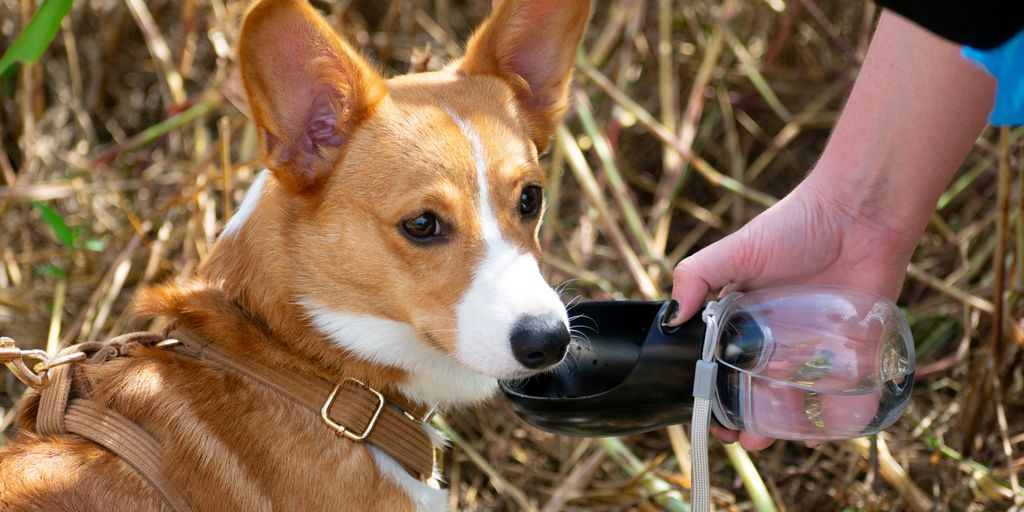
Remote dog training is really taking off, and it’s not hard to see why. It’s all about using technology to connect you and your dog, even when you’re not right next to each other. It’s pretty cool when you think about it.
Utilizing Technology to Bridge the Gap
The core of remote dog training involves using tools like remote collars, apps, and video calls to guide your dog from a distance. Think of it as bringing the trainer to your living room, or even the park, without them actually being there. These tools help you communicate commands and reinforce good behavior in real-time, no matter where you are. It’s about making training fit into your life, not the other way around.
Establishing Basic Commands Remotely
It all starts with the basics. You’ll work on commands like "sit," "stay," and "come" just like you would in a regular class. The difference is, you might be using a training collar to give gentle corrections or positive reinforcement from across the yard. The key is to start slow, be consistent, and make sure your dog understands what you’re asking. Once they’ve got the hang of it, you can start practicing in different environments to really solidify those skills.
Personalized Guidance Through Video Calls
One of the best parts of remote training is the access to personalized help. Many programs offer video calls with certified trainers who can watch you and your dog in action and give you specific advice. It’s like having a private lesson, but from the comfort of your own home. They can help you troubleshoot problems, adjust your techniques, and keep you motivated. Plus, it’s a great way to get answers to all those dog training questions you’ve been wondering about.
Remote training isn’t just about convenience; it’s about building a stronger bond with your dog through clear communication and consistent practice. It allows you to address specific behavioral issues in real-time, making training more effective and enjoyable for both of you.
Top Tools and Technology for Remote Dog Training
Remote dog training has really taken off, and a big reason is the awesome tech available. It’s not just about yelling commands anymore; it’s about using tools that make the whole process easier and more effective. Let’s look at some of the top gadgets and apps you can use.
Essential Remote Dog Training Collars
A good remote training collar is essential for distance communication. These aren’t about punishment; they’re about clear signals. Look for collars with:
- Multiple stimulation levels: Find one that lets you adjust the intensity.
- Tone and vibration options: These are great for getting your dog’s attention without startling them.
- A decent range: Make sure it works in your yard or the areas you plan to train in.
I remember when I first got a remote collar, I was nervous about using it. But after doing some research and starting with the lowest setting, I realized it was a really effective way to communicate with my dog, especially when he was distracted by squirrels. It’s all about using it responsibly and understanding your dog’s limits.
Smartphone Apps for Training and Tracking
There are a ton of dog training apps out there that can seriously help. They often include:
- Step-by-step video instructions: Super helpful for visual learners (both you and your dog!).
- Personalized training plans: Tailored to your dog’s breed, age, and temperament.
- Progress tracking: See how far you’ve come and identify areas that need more work.
These apps make it easy to keep training consistent and fun. Plus, you can often connect with other dog owners for support and advice.
Interactive Toys and Wearable Tech
Interactive toys are great for keeping your dog mentally stimulated, especially when you can’t be there in person. Think puzzle toys, treat dispensers, and even remote-controlled toys. Wearable tech, like activity trackers, can also be useful. They help you monitor your dog’s activity levels and ensure they’re getting enough exercise, which is important for overall well-being and can improve focus during training sessions.
Here’s a quick look at some popular options:
| Toy Type | Benefit |
|---|---|
| Puzzle Toys | Mental stimulation, reduces boredom |
| Treat Dispensers | Reinforces positive behavior, keeps them busy |
| Activity Trackers | Monitors exercise, helps manage weight |
Step-by-Step Guide to Remote Dog Training
Choosing a Quiet Training Space
Finding the right spot is key. You want a place where your dog can focus without getting distracted. Think about it – a busy park isn’t going to cut it when you’re trying to teach ‘sit’ or ‘stay’. A quiet room in your house, or a secluded corner of your yard, works much better. The goal is to minimize external stimuli so your dog can concentrate on you and the commands.
A calm environment sets the stage for successful training. Less noise and fewer distractions mean your dog is more likely to pay attention and learn faster. This is especially important when you’re not physically right next to them.
Gathering Essential Training Tools
Okay, so you’ve got your quiet space. Now, what do you need? First, a reliable dog training collar is a must. Look for one with adjustable settings – you don’t want something that’s too harsh. Treats are also super important for positive reinforcement. And don’t forget a leash, even if you’re training remotely. Here’s a quick checklist:
- Remote training collar
- High-value treats
- Leash
- Target stick (optional, but helpful)
- Smartphone or tablet for video calls
Consistency and Patience in Practice
This is where the rubber meets the road. Consistency is absolutely crucial. You can’t expect your dog to learn if you only train once a week. Aim for short, daily sessions – 10-15 minutes is usually enough. And be patient! Some dogs pick things up quickly, while others need more time. Don’t get discouraged if your dog doesn’t get it right away. Keep practicing, and always end on a positive note. Remember, positive reinforcement is your friend.
Here’s a sample training schedule:
| Day | Activity | Duration | Notes |
|---|---|---|---|
| Monday | Basic commands (sit, stay) | 15 mins | Use treats and praise |
| Tuesday | Recall practice | 10 mins | Practice in a controlled environment |
| Wednesday | Break | ||
| Thursday | Leash manners (walking nicely) | 15 mins | Focus on loose-leash walking |
| Friday | Review all commands | 20 mins | Mix it up to keep it interesting |
| Weekend | Fun activities (playtime, walks) | Reinforce good behavior during playtime |
Common Challenges and Solutions
Remote dog training, while convenient, isn’t without its hurdles. Let’s look at some common problems and how to fix them.
Maintaining Your Dog’s Focus
One of the biggest challenges is keeping your dog engaged during remote sessions. There are so many distractions at home! A wandering eye can really derail your progress.
- Dedicated Space: Set up a specific training area that’s free from distractions. This could be a corner of a room or a quiet spot in the yard.
- High-Value Rewards: Use treats or toys that your dog really loves. Save these special rewards just for training sessions to keep them motivated.
- Short Sessions: Keep training sessions short and sweet. A few minutes of focused attention is better than a long, drawn-out session where your dog loses interest.
It’s important to remember that every dog is different. What works for one dog might not work for another. Be patient and experiment to find what motivates your dog and keeps them focused.
Effectively Using Remote Training Collars
Remote training collars can be a great tool, but they can also be confusing. It’s easy to get overwhelmed by all the settings and options. Many people are unsure about using dog training collars correctly.
- Start Simple: Begin with the lowest level of stimulation and gradually increase it until your dog responds. The goal is to get their attention, not to punish them.
- Read the Manual: Take the time to read the collar’s manual and understand all its features. Many collars have different modes, like vibration, tone, and static stimulation.
- Positive Reinforcement: Always pair the collar with positive reinforcement. When your dog responds correctly to a command, reward them with praise and treats.
Strategies for Consistent Practice
Consistency is key to successful dog training, but it can be hard to stick to a regular schedule. Life gets in the way, and it’s easy to skip training sessions.
- Schedule Training: Treat training sessions like appointments and schedule them in your calendar. This will help you prioritize training and make it a part of your routine.
- Set Realistic Goals: Don’t try to do too much too soon. Start with small, achievable goals and gradually increase the difficulty as your dog progresses.
- Make it Fun: Training shouldn’t be a chore. Find ways to make it fun for both you and your dog. This could involve using games, varying the training location, or incorporating new tricks.
Success Stories from Remote Dog Training Users
Transforming Skittish Pups into Confident Companions
It’s amazing to hear how remote training can really change a dog’s personality. One user shared that their once-timid pup became much more confident after just a few weeks of remote training. They used a combination of video calls with a trainer and a training app to guide them. The personalized feedback made a huge difference.
Improving Recall and Reducing Barking in Energetic Breeds
Dealing with an energetic dog can be tough, especially when it comes to recall and barking. One family with a young Labrador struggled with these issues until they tried remote training. They used a remote collar with vibration and tone features, along with consistent positive reinforcement.
The key was finding the right balance between correction and reward. They started with short sessions in a controlled environment and gradually increased the difficulty. Now, their walks are much more enjoyable, and the neighbors are happier too!
Here’s a quick look at their progress:
- Week 1: Focused on basic commands indoors.
- Week 2: Introduced the remote collar with low-level vibration.
- Week 3: Practiced recall in a fenced yard.
- Month 1: Reduced barking by 70%.
Helping Rescue Dogs Overcome Anxiety Issues
Rescue dogs often come with a history of trauma and anxiety. Remote training can be a great way to help them feel safe and secure in their new homes. One owner adopted a rescue dog who was terrified of strangers. They used a pet camera with two-way audio to communicate with the dog when they were away, and they also worked with a trainer remotely to desensitize the dog to new people and situations. Now, the dog is much more relaxed and confident, and even enjoys meeting new friends. It’s all about patience and understanding, and remote training can provide the tools and support you need to help a rescue dog thrive.
Integrating Pet Cameras for Enhanced Training
Monitoring and Voice Correction with Dog Cameras
Pet cameras are changing the game when it comes to dog training. It’s not just about keeping an eye on your furry friend while you’re away; it’s about actively participating in their training, even from a distance. Cameras equipped with two-way audio let you communicate with your dog in real-time, offering both praise and gentle corrections.
- Check in on your dog’s behavior throughout the day.
- Use your voice to interrupt unwanted actions like excessive barking.
- Provide reassurance to reduce separation anxiety.
Using a pet camera for training requires careful consideration. It’s important to avoid startling your dog with sudden noises or corrections. The goal is to guide them towards better behavior, not to scare them.
Automated Treat Dispensers for Reinforcement
Who doesn’t love a treat? Automated treat dispensers are a fantastic way to reinforce positive behavior during remote training sessions. These devices can be programmed to release a treat when your dog performs a desired action, like sitting, staying, or coming when called. This is a great way to establish feeding routines and positive associations with commands, even when you’re not physically present.
Consider these points when using treat dispensers:
- Start with simple commands and gradually increase the difficulty.
- Use high-value treats to maximize motivation.
- Monitor your dog’s treat intake to avoid overfeeding.
Smart Collars for Health and Activity Monitoring
Smart collars are more than just fancy accessories; they’re valuable tools for understanding your dog’s overall well-being and tailoring their training accordingly. These collars can track activity levels, sleep patterns, and even vital signs, providing insights into your dog’s physical and mental state. This data can help you adjust training sessions to match their energy levels and identify potential health issues that may be affecting their behavior. Some smart collars even offer GPS tracking, which is useful for off-leash training and ensuring your dog’s safety. You can even monitor your dog’s activity levels to ensure they are getting enough exercise.
Here’s a quick look at what smart collars can offer:
| Feature | Benefit |
|---|---|
| Activity Tracking | Helps you understand your dog’s energy levels and adjust training accordingly |
| GPS Tracking | Provides peace of mind and aids in off-leash training |
| Health Monitoring | Alerts you to potential health issues that may affect behavior |
Using pet cameras can really help you train your dog better. These cameras let you watch your pet even when you’re not home, so you can see what they’re doing and how they’re reacting to their training. This way, you can figure out what works best and make changes if needed. To learn more about how these tools can make training easier and more effective, check out our website for the best dog training courses.
Conclusion: Why You Should Consider Remote Dog Training for Your Furry Friend
So, when it comes to teaching your dog new things, remote dog training really brings something new to the table. It’s super handy because you can train from pretty much anywhere, which means you can fit lessons into your everyday life without a hitch. Whether you’re just hanging out at home or out for a walk, this way of training helps you keep things steady. And it’s not just about being flexible. Remote dog training can actually make your bond with your pet stronger as you both work on stuff together. With the right gadgets, like a good remote dog training collar, you can talk to your dog clearly and help them learn good habits, even when you’re not right next to them. Things like noisy public places become easier to handle when you’re using tech made for remote talking. Plus, there’s tons of info online, so anyone can get good at these methods. Lots of folks have seen their dogs change for the better using this approach, showing that if you stick with it and get some good advice, anything’s possible. Picking remote dog training opens up cool new ways to teach your dog and build a deeper connection with your four-legged buddy. It’s time to see how this fresh idea can make both your lives better and make learning fun!
Frequently Asked Questions
What exactly is remote dog training?
Remote dog training uses technology to help you teach your dog from a distance. This can involve special collars that give signals, smartphone apps, or even video calls with a trainer. It lets you work on your dog’s behavior and commands even when you’re not right next to them.
Is remote dog training effective?
Yes, it really works! Many dog owners have seen great results. It’s especially good for busy people because you can train your dog from anywhere, like your home or a park. It helps build a strong bond between you and your dog, and you can get help from expert trainers online.
What tools do I need for remote dog training?
To start, you’ll want a remote training collar that’s right for your dog, a smartphone or tablet for apps, and maybe some interactive toys. Pet cameras are also super helpful because they let you watch and talk to your dog when you’re not home, and some can even give out treats!
How do I begin training my dog remotely?
Pick a quiet spot where your dog won’t get distracted. Start with simple commands and use your remote tools to gently guide them. Always give them praise or treats when they do well. Keep training sessions short and fun, and try to practice every day to help them learn faster.
What if my dog gets distracted or I don’t know how to use the tools?
Sometimes it’s hard to keep your dog focused, or you might not know how to use all the features of a remote collar. To fix this, train in a calm area, use tasty treats, and learn how your collar works step-by-step. Sticking to a regular training schedule also helps a lot.
How can a pet camera help with training?
Pet cameras are amazing for remote training! You can use them to watch your dog and even talk to them through the camera. Some cameras have treat dispensers, so you can reward your dog from far away. They help you stay connected and keep training going even when you’re not home.