
Training your dog to stay focused amidst distractions is crucial for their safety and behavior. With the right approach, you can teach your furry friend to ignore the chaos around them and respond to your commands effectively. This article will guide you through practical steps on how to train a dog with distractions, helping both you and your pet enjoy a more harmonious life together.
Key Takeaways
- Focus training helps dogs remain calm in busy settings.
- Identifying distractions allows for tailored training methods.
- Using positive reinforcement keeps your dog motivated.
- Gradual exposure to distractions builds confidence and focus.
- Consistency in training sessions is essential for lasting results.
Teaching Your Dog to Ignore Distractions
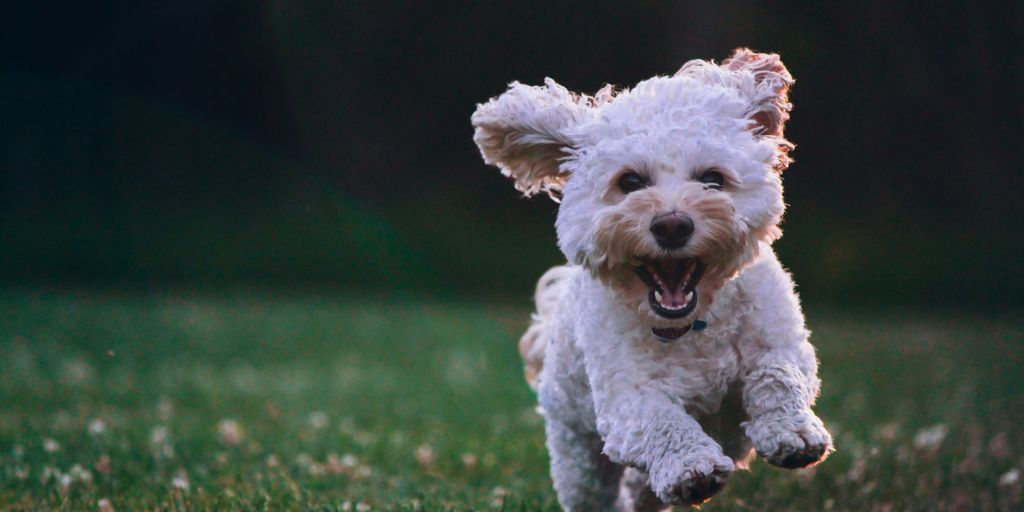
It’s a fact: dogs get distracted. A lot. Teaching them to ignore those distractions is super important for their safety and your sanity. It’s not always easy, but with the right approach, you can totally improve your dog’s focus.
Focus Training in Busy Environments
Focus training in busy places? Yeah, it can feel like a huge challenge. But, it’s a must-do if you want a well-behaved dog. Think about it: parks, streets, even your own backyard can be full of things grabbing your dog’s attention. The goal is to help them stay calm and focused, even when there’s a lot going on. Using treats or toys to redirect their attention back to you is a great start. Regular practice is key, and patience is a virtue. Remember, every dog learns at their own pace. You can start by teaching your dog to stay calm in a crate.
Recognizing Your Dog’s Triggers
What exactly makes your dog lose focus? Is it other dogs? Squirrels? The mail carrier? Identifying those specific triggers is the first step. Once you know what sets them off, you can start working on those specific distractions. For example:
- Other dogs barking
- Loud trucks driving by
- Kids playing nearby
Understanding your dog’s reactions helps you tailor your training. It’s like knowing your enemy, but in a much friendlier, dog-training kind of way.
Building Confidence Through Consistency
Consistency is the name of the game. Short, regular training sessions are way more effective than long, infrequent ones. When your dog succeeds, they build confidence. And a confident dog is a more focused dog. Make sure to use positive reinforcement – praise, treats, whatever motivates your pup.
Think of it like this: every time your dog successfully ignores a distraction and focuses on you, they’re practicing good behavior. And practice makes perfect, right?
Identifying Common Distractions for Dogs
It’s super important to know what things tend to pull your dog’s attention away during training or even just on a walk. Every dog is different, so what’s a big deal for one might not even register for another. Understanding these triggers is the first step in helping them learn to focus.
Types of Distractions in Everyday Life
Okay, so what are we talking about here? Well, think about it. For many dogs, other animals are a huge distraction. Squirrels, cats, other dogs – they can all be super interesting! Then there are the sounds: cars, sirens, kids playing. Even smells can be a major distraction for a dog. Basically, anything that grabs their attention and pulls it away from you counts as a distraction.
Here’s a quick list:
- Other animals (dogs, cats, squirrels, birds)
- Loud noises (cars, trucks, sirens, construction)
- Moving objects (bikes, skateboards, cars)
- Smells (food, other animals, interesting plants)
- People (especially strangers or kids)
Understanding Your Dog’s Reactions
It’s not enough to just know what distracts your dog; you also need to understand how they react. Does your dog get super excited and start barking? Do they freeze and stare? Or do they try to run after whatever caught their eye? Knowing their reaction helps you anticipate and manage the situation. For example, if your dog gets overly excited by other dogs, you might want to start focus training in busy environments from a distance.
Preparing for Unexpected Situations
Okay, so you know your dog gets distracted by squirrels. Great! But what happens when a garbage truck suddenly roars by? You can’t predict everything, but you can prepare for the unexpected. This means practicing focus exercises in different environments and gradually increasing the level of distraction. It also means having a plan for what to do when something unexpected happens. A solid recall command can be a lifesaver!
Think of it like this: you’re not trying to eliminate distractions entirely. That’s impossible! You’re teaching your dog to focus on you despite the distractions. It’s about building their ability to stay connected with you, even when there’s a lot going on around them.
Tools and Techniques for Improving Dog Focus
Using Clickers and Treats Effectively
Clickers and treats are like the dynamic duo of dog training. A clicker provides a clear, consistent signal that your dog has done something right, acting as a marker for the desired behavior. It’s all about timing – click precisely when your dog performs the action you want to reinforce.
Here’s how to make the most of them:
- Pair the click with a treat immediately after. This creates a positive association.
- Use high-value treats that your dog loves. Think small pieces of cheese, cooked chicken, or their favorite dog-friendly snack.
- Vary the treats to keep things interesting. Don’t always give the same thing, or your dog might get bored.
Clicker training can really speed up the learning process because it’s so clear for the dog. They quickly understand what earns them a reward.
Incorporating Toys into Training
Toys aren’t just for playtime; they can be powerful training tools too. Some dogs are more motivated by toys than food, so use that to your advantage. Interactive toys, like puzzle feeders, can keep your dog mentally engaged and focused.
Consider these ideas:
- Use a favorite toy as a reward during training sessions. Instead of a treat, give them a quick play session with the toy.
- Incorporate toys into recall exercises. Have someone hold the toy and call your dog, rewarding them with the toy when they come.
- Use toys to redirect your dog’s attention from distractions. If they’re getting fixated on something, wave a toy to get their focus back on you. This is a great way to practice dog obedience.
Creating a Structured Learning Environment
A structured learning environment is key to successful focus training. This means minimizing distractions and creating a consistent routine. Choose a quiet space where your dog can concentrate without being bombarded by sights and sounds.
Here are some tips for setting up your training area:
- Start in a low-distraction environment, like your living room or backyard.
- Remove potential distractions, such as other pets or noisy toys.
- Keep training sessions short and focused, especially when you’re starting out. Aim for 5-10 minutes at a time.
| Element | Description 0000000000000000000000000000000000000000000000000000000000000000000000000000000000000000000000000000000000000000000000000000000000000000000000000000000000000000000000000000000000000000000000000000000000000000000000000000000000000000000000000000000000000000000000000000000000000000000000000000000000000000000000000000000000000000000000000000000000000000000000000000000000000000000000000000000000000000000000000000000000000000000000000000000000000000000000000000000000000000000000000000000000000000000000000000000000000000000000000000000000000000000000000000000000000000000000000000000000000000000000000000000000000000000000000000000000000000000000000000000000000000000000000000000000000000000000000000000000000000000000000000000000000000000000000000000000000000000000000000000000000000000000000000000000000000000000000000000000000000000000000000000000000000000000000000000000000000000000000000000000000000000000000000000000000000000000000000000000000000000000000000000000000000000000000000000000000000000000000000000000000000000000000000000000000000000000000000000000000000000000000000000000000000000000000000000000000000000000000000000000000000000000000000000000000000000000000000000000000000000000000000000000000000000000000000000000000000000000000000000000000000000000000000000000000000000000000000000000000000000000000000000000000000000000000000000000000000000000000000000000000000000000000000000000000000000000000000000000000000000000000000000000000000000000000000000000000000000000000000000000000000000000000000000000000000000000000000000000000000000000000000000000000000000000000000000000000000000000000000000000000000000000000000000000000000000000000000000000000000000000000000000000000000000000000000000000000000000000000000000000000000000000000000000000000000000000000000000000000000000000000000000000000000000000000000000000000000000000000000000000000000000000000000000000000000000000000000000000000000000000000000000000000000000000000000000000000000000000000000000000000000000000000000000000000000000000000000000000000000000000000000000000000000000000000000000000000000000000000000000000000000000000000000000000000000000000000000000000000000000000000000000000000000000000000000000000000000000000000000000000000000000000000000000000000000000000000000000000000000000000000000000000000000000000000000000000000000000000000000000000000000000000000000000000000000000000000000000000000000000000000000000000000000000000000000000000000000000000000000000000000000000000000000000000000000000000000000000000000000000000000000000000000000000000000000000000000000000000000000000000000000000000000000000000000000000000000000000000000000000000000000000000000000000000000000000000000000000000000000000000000000000000000000000000000000000000000000000000000000000000000000000000000000000000000000000000000000000000000000000000000000000000000000000000000000000000000000000000000000000000000000000000000000000000000000000000000000000000000000000000000000000000000000000000000000000000000000000000000000000000000000000000000000000000000000000000000000000000000000000000000000000000000000000000000000000000000000000000000000000000000000000000000000000000000000000000000000000000000000000000000000000000000000000000000000000000000000000000000000000000000000000000000000000000000000000000000000
Distraction Training Tips
Managing the Environment
It’s not just about dealing with distractions as they pop up; it’s about actively shaping the environment to set your dog up for success. Think of it as setting the stage for a performance. For instance, if you’re working on recall, don’t do it right next to the dog park when all his buddies are there. Start in a quiet room, then your backyard, then a less busy park. Consider these points:
- Minimize visual distractions: Close blinds, remove toys.
- Reduce auditory distractions: Turn off the TV, find a quiet spot.
- Control scents: Avoid areas with strong food smells or other enticing odors.
By carefully managing the environment, you’re essentially stacking the deck in your dog’s favor. This makes it easier for them to focus on you and learn what you’re asking of them. It’s about creating a space where they can succeed, which builds their confidence and makes training more effective.
Gradual Exposure to Distractions
The key to distraction training is gradual exposure. Don’t throw your dog into the deep end right away. If your dog is obsessed with tennis balls, don’t start by teaching your dog to stay while you’re bouncing one right in front of their nose. Start with the ball far away, then gradually move it closer as they improve. Here’s a step-by-step approach:
- Start with low-level distractions: A slightly open door, a quiet TV.
- Increase the intensity slowly: A person walking by, a car driving past.
- Introduce different types of distractions: Visual, auditory, olfactory.
The Importance of Consistency
Consistency is absolutely vital in distraction training. If you allow your dog to break focus sometimes but not others, they’ll get confused and frustrated. Every time your dog successfully ignores a distraction and focuses on you, they’re learning the value of paying attention to you. Make sure everyone in the family is on the same page with the training rules. This includes:
- Using the same commands.
- Enforcing the same boundaries.
- Rewarding the same behaviors.
Consistency builds trust and helps your dog understand what’s expected of them. It’s the foundation for a well-behaved and focused companion. Remember to grab your dog’s focus and reward them when they do well!
Benefits of Dog Focus Training
Enhancing Safety in Busy Areas
Focus training is like giving your dog a superpower for navigating the world. It makes them safer because they learn to ignore distractions and listen to you, especially when it matters most. A dog that’s good at focusing is less likely to run into traffic or chase after something without thinking. This gives you peace of mind when you’re out and about.
Focus training isn’t just about obedience; it’s about equipping your dog with the skills to make safe choices, even when there’s a lot going on around them. It’s about building a foundation of trust and communication that can help prevent accidents and keep your dog out of harm’s way.
Improving Overall Behavior
Beyond safety, focus training can really improve your dog’s behavior in general. A dog that can concentrate is less likely to jump on people, bark excessively, or get into trouble. They’re better at following commands and staying calm in different situations. This makes them more pleasant to be around, both at home and in public.
Here’s how focus training can improve behavior:
- Reduces impulsivity
- Increases responsiveness to commands
- Decreases anxiety in new environments
Strengthening the Owner-Pet Bond
Focus training isn’t just about teaching your dog tricks; it’s about building a stronger connection. When you work together on focus exercises, you’re communicating and learning to understand each other better. This creates a bond of trust and respect that will last a lifetime. Plus, it’s just fun to see your dog succeed and know that you helped them get there.
Think of it this way:
- Training sessions become quality time.
- Successes are shared achievements.
- A well-trained dog is a happier dog, and a happier dog makes for a happier owner.
Focus training is a win-win for everyone involved. It’s an investment in your dog’s well-being and your relationship with them.
Creating a Focus Training Routine
Setting Realistic Goals
When starting a focus training routine, it’s important to set achievable goals. Don’t expect your dog to go from zero to perfect focus overnight. Start with short sessions and simple commands in a quiet environment. As your dog progresses, you can gradually increase the difficulty and duration of the training. Remember, every dog learns at their own pace, so be patient and celebrate small victories. For example, if your dog can maintain eye contact for 3 seconds without distraction, that’s a great start!
Incorporating Short Daily Sessions
Consistency is key to successful focus training. Instead of long, infrequent sessions, aim for short daily sessions. Even just 5-10 minutes a day can make a big difference. These sessions should be fun and engaging for your dog, using positive reinforcement techniques like treats and praise. Try to incorporate training into your daily routine, such as before meal times or during walks. This helps your dog learn to focus in different environments and situations. Think of it like a quick mental workout for your furry friend.
Tracking Progress Over Time
Keeping track of your dog’s progress is a great way to stay motivated and adjust your training plan as needed. You can use a simple notebook or a digital spreadsheet to record your dog’s performance in each session. Note the date, location, commands used, and any distractions encountered. Also, jot down how well your dog responded and any challenges you faced. This data will help you identify areas where your dog excels and areas where they need more practice. Plus, it’s rewarding to see how far your dog has come over time. Remember to adjust your training as needed, maybe you need to find a dog trainer near you to help you out.
Tracking progress isn’t just about numbers; it’s about understanding your dog’s learning style and adapting your approach to maximize their potential. It’s about building a stronger bond through effective communication and shared success.
Advanced Focus Training Techniques
Using Real-World Scenarios
Okay, so you’ve got the basics down. Now it’s time to ditch the controlled environment and head out into the real world. This is where things get interesting, and your dog’s training really gets put to the test. Start with places that have mild distractions, like a quiet park during off-peak hours. The goal is to generalize the focus skills they’ve learned in a controlled setting to unpredictable environments.
- Practice "leave it" around interesting smells.
- Work on recall with other dogs in the distance.
- Maintain focus during brief encounters with strangers.
Remember to keep your sessions short and sweet. If your dog starts to get overwhelmed, take a step back and simplify the task. It’s all about setting them up for success.
Increasing Complexity Gradually
Don’t jump straight into a crowded street festival! Gradually increase the level of distraction. Think of it like leveling up in a video game. Once your dog is reliably focused in a quiet park, move to a slightly busier one. Then maybe a sidewalk with moderate foot traffic. The key is to observe your dog’s body language and adjust accordingly. If they start showing signs of stress or anxiety, you’ve pushed them too far, too fast. Go back to the previous level and spend more time there before trying again. This approach helps build confidence and resilience. You can practice recall in various environments to help with this.
Engaging in Group Training Sessions
Group training classes can be a fantastic way to proof your dog’s focus skills. Not only are there other dogs present, but there are also other people, noises, and movements that can be distracting. Plus, the added pressure of performing in front of others can be a good challenge for both you and your dog. Look for classes that specifically focus on distraction training or advanced obedience. It’s a great way to get feedback from a professional trainer and learn new techniques.
Here’s what to expect:
- Increased distractions compared to solo training.
- Opportunities for socialization (under controlled conditions).
- Guidance from experienced trainers.
If you want to take your dog training to the next level, consider trying some advanced focus training techniques. These methods can help your dog stay attentive and responsive, making your training sessions more effective. To learn more about these techniques and find the best training resources, visit our website today!
Wrapping It Up: The Benefits of Focus Training
So, there you have it. Training your dog to focus despite distractions isn’t just a nice-to-have; it’s a game changer. It makes walks more enjoyable and keeps your pup safe in busy places. Plus, it strengthens the bond between you and your furry friend. Remember, consistency is key. Short, regular training sessions will help your dog learn to tune out the chaos around them. And let’s be honest, a well-behaved dog is a joy to have around. With a little patience and practice, you’ll see your dog become more confident and attentive. So grab those treats, get out there, and start training! You both deserve it.
Frequently Asked Questions
How can I help my dog focus in busy places?
To help your dog focus in busy areas, start with simple commands and use treats or toys to grab their attention. Practice in different locations and gradually increase distractions.
What types of distractions should I be aware of?
Common distractions for dogs include loud noises, other animals, and people. Knowing what distracts your dog can help you train them better.
How long should focus training sessions be?
Keep training sessions short, around 5 to 10 minutes, to keep your dog engaged. Daily practice is more effective than long, infrequent sessions.
What tools can I use for focus training?
Useful tools include clickers for marking good behavior, treats for rewards, and leashes for control in busy areas. These help create a structured learning environment.
Why is focus training important for dogs?
Focus training is important because it helps dogs stay calm and safe in busy environments. It improves their behavior and strengthens the bond with their owners.
How can I track my dog’s progress in focus training?
You can track your dog’s progress by noting their responses to commands and distractions over time. Keeping a journal of their successes can help you see improvements.