
Dog training can be tricky, especially when the seasons change. Each time of year brings its own set of challenges that can make it tough to keep your furry friend on track. Whether it’s freezing cold, blooming flowers, scorching heat, or falling leaves, knowing how to adjust your training methods can help you tackle any seasonal dog training challenges. Here’s a rundown of tips to help you and your pup thrive throughout the year.
Key Takeaways
- Adjust your training methods based on the season’s weather and distractions.
- Use indoor activities during winter to keep your dog engaged and warm.
- Spring is great for socialization and outdoor training opportunities.
- In summer, prioritize hydration and choose cooler times for training.
- Fall can be used to manage shedding and prepare for holiday interruptions.
Navigating Winter Training Obstacles
Winter can throw a wrench into your dog training routine, but with a little planning, you can keep your furry friend engaged and learning, even when the weather outside is frightful. It’s all about adapting and finding creative ways to work with the limitations of the season. Don’t let the cold stop you from reinforcing good behavior and building a stronger bond with your dog. Remember to check out winter activities for more ideas.
Keeping Your Dog Warm and Engaged
First things first: safety. Make sure your dog is warm enough during outdoor training sessions. Small dogs and those with short coats are especially vulnerable to the cold. Consider a dog coat or sweater. Keep sessions short and sweet to avoid overexposure. If it’s too cold for you to be outside comfortably, it’s probably too cold for your dog, too.
- Invest in appropriate winter gear (coats, boots if necessary).
- Limit outdoor exposure time.
- Monitor your dog for signs of shivering or discomfort.
Indoor Training Activities
When the weather is truly unbearable, move the training indoors. This is a great time to work on obedience commands, trick training, or puzzle toys. Rotate activities to keep your dog mentally stimulated and prevent boredom. You can even set up an indoor agility course using household items.
Indoor training can be just as effective as outdoor training, especially for building focus and reinforcing basic commands. It’s also a great way to burn off excess energy when outdoor exercise is limited.
Managing Winter Distractions
Winter brings its own set of distractions, like holiday decorations and visiting guests. Use these as opportunities to practice focus and impulse control. Teach your dog to settle calmly around distractions. This is also a good time to work on crate training or mat training, providing your dog with a safe and quiet space when things get overwhelming.
Here’s a simple table to illustrate how to manage distractions:
| Distraction | Training Focus | Command Examples |
|---|---|---|
| Holiday Decorations | Impulse Control, Focus | Leave it, Watch me |
| Visiting Guests | Calm Greetings, Boundaries | Sit, Stay, Go to your place |
| Loud Noises (storms) | Desensitization, Safe Space | Crate, Settle |
Springtime Training Strategies
Spring is awesome, right? Flowers blooming, birds singing… and your dog is probably going nuts with all the new smells and sights. It’s a great time to get back into training, but there are some things to keep in mind. Let’s get into it.
Addressing Allergies and Sensitivities
Okay, so first things first: allergies. Just like us, dogs can suffer from seasonal allergies. Pollen is the big one, but also grasses and molds. Keep an eye out for excessive scratching, licking, or even digestive issues. If you notice anything weird, a vet visit is a good idea. You might need to adjust your training schedule or location to avoid high-pollen areas. For example, early morning or late evening walks might be better when pollen counts are lower. Also, consider wiping your dog down with a damp cloth after outdoor sessions to remove allergens from their fur. This can really help minimize their discomfort and keep them focused on training. If your dog has allergies, you might want to consider dog training tips that are indoors.
Utilizing Outdoor Spaces
Spring offers a ton of opportunities for outdoor training. Parks, trails, even your backyard can become training grounds. Work on recall in a larger space, practice loose-leash walking on trails, or set up a mini agility course in your yard. Just be mindful of distractions. There will be other dogs, people, squirrels… the whole shebang. Start with short sessions and gradually increase the duration as your dog gets better at focusing. Remember to bring high-value treats to keep their attention.
Socialization Opportunities in Spring
Spring is prime time for socialization. Dog parks start to fill up, and there are often outdoor events where dogs are welcome. This is a great chance to expose your dog to different people, dogs, and environments. However, it’s important to do it right. Make sure your dog is comfortable and not overwhelmed. Start with controlled interactions and gradually increase the level of exposure. If your dog seems stressed or anxious, back off and try again later. Positive experiences during socialization are key to developing a well-adjusted dog. Here are some tips for successful socialization:
- Start slow and observe your dog’s body language.
- Keep interactions brief and positive.
- Provide plenty of praise and rewards.
- Avoid overwhelming situations.
Remember, every dog is different. Some dogs thrive in social situations, while others prefer a more low-key approach. Pay attention to your dog’s individual needs and adjust your socialization efforts accordingly. Don’t force anything, and always prioritize their comfort and safety.
Summer Training Tips for Hot Weather
Summer can be a blast for you and your dog, but the heat definitely throws a wrench into training. You’ve got to be smart about how you approach it to keep your furry friend safe and happy. It’s all about adjusting your routine and being mindful of the weather.
Hydration and Heat Safety
Hydration is absolutely key during the summer months. Always have fresh, cool water available for your dog, whether you’re at home or out and about. Consider investing in a portable water bowl or a hydration pack designed for dogs. Watch out for signs of overheating, like excessive panting, drooling, or lethargy. If you notice any of these, stop training immediately and get your dog into a cooler environment. You can also use cooling mats or vests to help them regulate their temperature. Remember, prevention is way better than cure when it comes to heatstroke.
- Provide constant access to fresh water.
- Recognize signs of heatstroke.
- Use cooling accessories like mats and vests.
Adjusting Training Times
The best way to beat the heat is to avoid it altogether. Shift your training sessions to the early morning or late evening when temperatures are cooler. The midday sun is brutal, and even a short training session can quickly become dangerous. Shorter, more frequent sessions are also a good idea. This way, you can keep your dog engaged without pushing them too hard. Find shady spots for dog training or, if possible, train indoors in an air-conditioned space. Remember, it’s better to do a little bit of training consistently than to try and cram everything into one long, hot session.
Training in the summer requires a flexible approach. Be prepared to adjust your plans based on the weather, and always prioritize your dog’s well-being. If it’s too hot, don’t push it. There’s always another day to train.
Fun Summer Activities for Dogs
Summer is the perfect time to incorporate fun, water-based activities into your training routine. Swimming is a great way to exercise your dog and keep them cool at the same time. Start with shallow water and gradually introduce them to deeper areas. You can also use water toys like dog agility training to make it more engaging. Hiking in shaded areas is another excellent option, but be sure to bring plenty of water and take frequent breaks. Remember to check the ground temperature before heading out – hot pavement can burn your dog’s paws. Consider using paw wax or booties to protect them.
Here’s a quick guide to summer activities:
| Activity | Benefits | Precautions |
|---|---|---|
| Swimming | Cools down, low-impact exercise | Supervise closely, avoid swallowing water |
| Hiking | Good exercise, mental stimulation | Shaded areas only, check ground temperature |
| Water games | Fun, engaging, keeps cool | Use safe toys, avoid overexertion |
Fall Training Considerations
Preparing for Holiday Disruptions
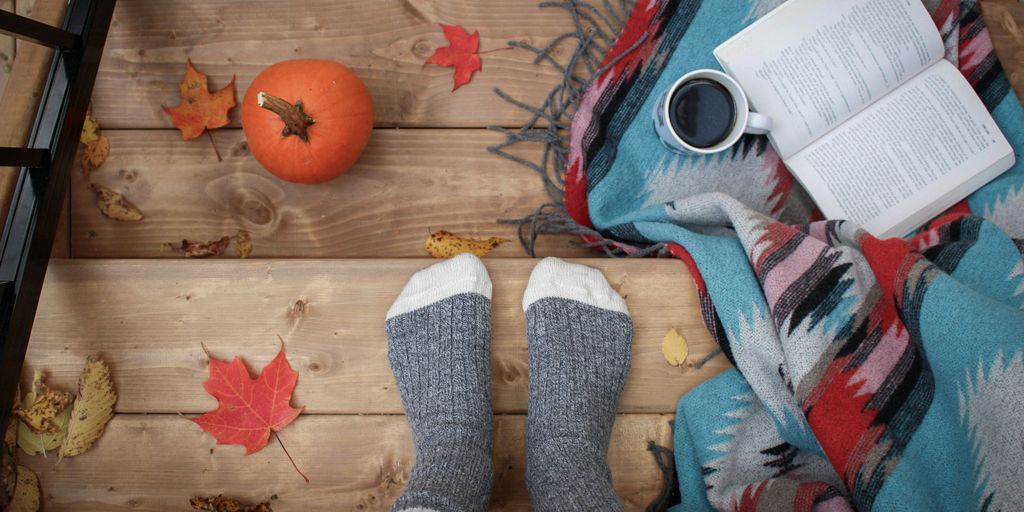
Fall brings holidays, and holidays bring guests, new foods, and changes to your dog’s routine. It’s important to prepare your dog for these disruptions to minimize stress and behavioral issues. Start by gradually introducing changes to their environment and schedule. For example, if you plan on having a lot of people over, begin by inviting small groups of friends or family to visit. This helps your dog get used to having more people around without being overwhelmed. Make sure your dog has a safe space they can retreat to if they feel anxious or overstimulated. This could be a crate, a bed in a quiet room, or even just a designated corner.
Remember to reinforce positive behaviors with treats and praise during these times. This will help your dog associate the holiday season with positive experiences.
Managing Seasonal Shedding
Fall is shedding season for many dogs as they prepare for winter coats. This can be a challenge for both you and your dog. Regular grooming is key to managing shedding and keeping your dog comfortable. Here’s a simple grooming schedule:
- Daily: Quick brush to remove loose hair.
- Weekly: Thorough brushing session.
- Monthly: Bath (if needed, but avoid over-bathing).
Consider using a deshedding tool to help remove excess undercoat. A good diet rich in omega-3 fatty acids can also promote healthy skin and coat, reducing shedding. If your dog is excessively itchy or has skin irritation, consult with your vet to rule out allergies or other medical conditions. You can also try dog training in Denver to help manage shedding.
Utilizing Fall Scents for Training
Fall offers a unique opportunity to incorporate seasonal scents into your dog’s training. Dogs have an incredible sense of smell, and using fall scents can make training more engaging and fun. Try hiding treats scented with pumpkin spice or apple cinnamon during scent work exercises. You can also use these scents to create positive associations with new environments or objects. For example, if you’re introducing your dog to a new harness or leash, spray it with a fall-themed scent to make it more appealing. Be mindful of any allergies or sensitivities your dog may have before introducing new scents. Here are some safe and effective ways to use fall scents:
- Scented toys: Add a few drops of essential oil to your dog’s favorite toy.
- Scent trails: Create a scent trail in your yard or home for your dog to follow.
- Scented rewards: Use treats with fall-themed flavors or scents as rewards during training sessions.
Adapting to Seasonal Changes
Every season brings its own set of challenges and opportunities when it comes to dog training. What works wonders in the summer might not be as effective in the winter. It’s all about being flexible and understanding your dog’s needs as the weather shifts. I’ve found that paying close attention to my dog’s behavior and adjusting our routine accordingly makes a huge difference.
Recognizing Behavioral Shifts
Dogs, just like us, can be affected by seasonal changes. You might notice your dog is more energetic in the spring or more prone to napping during the winter months. Changes in daylight can impact their sleep patterns and overall mood. Keep an eye out for these shifts and be ready to adapt your training schedule. For example, if your dog seems restless during the fall, it might be a good time to focus on indoor games and mental stimulation to burn off that extra energy. Recognizing these patterns is the first step in adapting your training approach.
Adjusting Training Techniques
What works in the summer heat won’t necessarily work in the winter cold. You’ll need to modify your training techniques to suit the season.
Here’s a quick breakdown:
- Summer: Focus on early morning or late evening sessions to avoid the heat. Use plenty of water and take frequent breaks.
- Winter: Short, indoor sessions are ideal. Consider using puzzle toys or scent work to keep your dog engaged.
- Spring: Take advantage of the milder weather for outdoor training, but be mindful of allergies and distractions.
- Fall: Incorporate seasonal scents like pumpkin or apple into your training to make it more engaging.
Maintaining Consistency Year-Round
While it’s important to adapt to seasonal changes, consistency is key to successful dog training. Try to maintain a regular training schedule, even if it means shorter or more frequent sessions.
A consistent routine helps your dog understand what’s expected of them, regardless of the season. This doesn’t mean you can’t be flexible, but try to stick to a general framework. For example, if you usually do a 20-minute training session in the morning, you might break it up into two 10-minute sessions during the winter months.
Remember, the goal is to create a positive and rewarding experience for both you and your dog. By adapting to seasonal changes and maintaining consistency, you can build a strong bond and achieve your training goals. You can find more tips on dog training at Teachdog.com.
Overcoming Environmental Challenges
Training your dog isn’t always a walk in the park, especially when Mother Nature throws curveballs. From scorching summer heat to icy winter sidewalks, the environment can significantly impact your dog’s ability to focus and learn. But don’t worry, with a little planning and some creative adjustments, you can overcome these hurdles and keep your training on track.
Dealing with Weather-Related Distractions
Weather can be a major distraction for dogs. A sudden downpour, a gust of wind, or even the changing light can throw them off their game. The key is to anticipate these distractions and prepare accordingly. For example, if you’re training outdoors and the forecast predicts rain, move your session indoors. If your dog is easily spooked by loud noises like thunder, create a safe and quiet space for them during storms. Desensitization techniques can also be helpful; gradually expose your dog to the sounds they fear, pairing the sounds with positive reinforcement like treats or praise. This helps them associate the noise with something good, reducing their anxiety over time. You can also try using a dog agility space to help them burn off energy when outdoor activities are limited.
Creating a Safe Training Space
Whether you’re training indoors or outdoors, safety should always be your top priority. Indoors, make sure your training area is free of hazards like slippery floors, sharp objects, or toxic substances. Outdoors, be mindful of traffic, other animals, and potential dangers like broken glass or poisonous plants. Consider using a leash or long line to keep your dog safe and under control, especially in unfamiliar environments. If you’re training in a public area, be respectful of others and clean up after your dog.
A safe training space isn’t just about physical safety; it’s also about creating a positive and stress-free environment for your dog. Avoid using harsh corrections or punishment, as this can damage your relationship and make your dog fearful of training. Instead, focus on positive reinforcement techniques, rewarding your dog for good behavior with treats, praise, or toys.
Utilizing Seasonal Resources
Each season offers unique resources that you can incorporate into your training. In the summer, take advantage of swimming pools or sprinklers to cool off and have fun while practicing recall or retrieving. In the fall, use fallen leaves as a natural obstacle course or hide treats among them for your dog to find. In the winter, consider indoor training classes or workshops to keep your dog mentally stimulated. And in the spring, explore new walking trails and parks to provide your dog with fresh sights, sounds, and smells. Remember to always be mindful of your dog’s limitations and adjust your training accordingly. For example, older dogs may need shorter, more frequent training sessions, while puppies may require more supervision and guidance. By adapting to the seasons and utilizing available resources, you can make training a fun and rewarding experience for both you and your furry friend. Remember to check out walking trails for new places to explore.
Here are some ideas for seasonal training resources:
- Summer: Swimming pools, sprinklers, shaded parks
- Fall: Fallen leaves, pumpkin patches, corn mazes
- Winter: Indoor training classes, dog-friendly stores, puzzle toys
- Spring: New walking trails, dog parks, outdoor agility courses
Building a Year-Round Training Routine
Establishing Consistent Habits
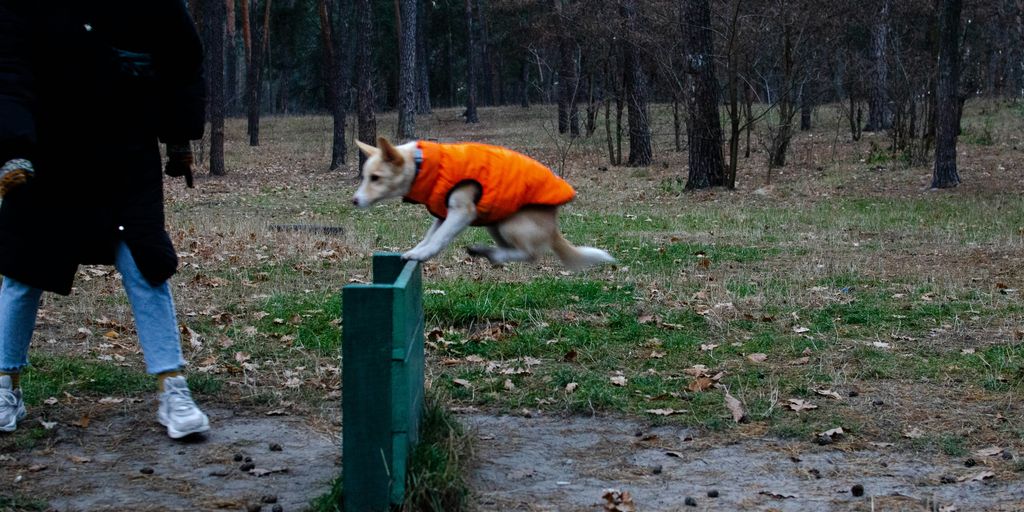
Okay, so you’ve made it through the seasonal hurdles. Now, let’s talk about making this a lifestyle. Consistency is the name of the game. Think of it like brushing your teeth – you don’t just do it when you feel like it, right? Same goes for dog training. Short, regular sessions are way more effective than marathon training days followed by weeks of nothing. Aim for at least 10-15 minutes of training each day. It can be broken up into smaller chunks, like 5 minutes in the morning, 5 in the afternoon, and 5 in the evening. Find what works for your schedule and stick to it. This helps your dog retain what they’ve learned and keeps their mind engaged. Don’t forget to use positive reinforcement to keep your dog motivated!
Incorporating Seasonal Themes
Spice things up by tying your training to the current season. In the fall, you could work on commands related to leaves or pumpkins. During the winter, focus on indoor games and activities. Spring is perfect for outdoor socialization and recall practice in open spaces. And summer? Well, that’s all about water games and staying cool while reinforcing basic commands. This keeps training fresh and fun for both you and your dog. Plus, it helps them generalize their skills to different environments and situations. For example, you can try agility training in the spring when the weather is nice.
Tracking Progress Through the Seasons
It’s easy to lose sight of how far you’ve come, so keep a record of your dog’s progress. This could be as simple as a notebook where you jot down what you worked on each day and how your dog performed. Or, you could use a dog training app to track their skills and achievements. Seeing the progress over time can be incredibly motivating, and it helps you identify areas where your dog might need extra help. Plus, it’s a great way to celebrate your dog’s accomplishments! Consider these points when tracking progress:
- Note the date and time of each session.
- Record the specific skills you worked on.
- Assess your dog’s performance (e.g., "Excellent," "Good," "Needs Improvement").
- Make notes on any challenges or breakthroughs.
Remember, dog training is a journey, not a destination. There will be ups and downs, good days and bad days. The key is to stay patient, consistent, and positive. Celebrate the small victories, and don’t get discouraged by setbacks. With a little effort and dedication, you can build a strong, lasting bond with your dog and enjoy a well-behaved companion year-round.
Creating a training routine for your dog that lasts all year is important for their happiness and good behavior. Start by setting aside regular times each week for training sessions. Mix up the activities to keep things fun and interesting for your dog. Remember, consistency is key! If you want more tips on how to build a great training routine, visit our website for helpful resources and advice!
Wrapping It Up: Seasonal Training Success
Training your dog through the seasons can feel like a lot sometimes, but it doesn’t have to be overwhelming. Each season brings its own set of challenges, but with a little planning and the right mindset, you can tackle them all. Remember to adjust your training methods based on the weather and your dog’s needs. Whether it’s keeping them cool in the summer or cozy in the winter, being flexible is key. Don’t forget to celebrate the small victories along the way. Every step forward counts, and your bond with your dog will grow stronger as you work together. So, gear up, stay patient, and enjoy the journey with your furry friend!
Frequently Asked Questions
How can I keep my dog warm during winter training?
You can keep your dog warm by dressing them in a dog coat or sweater, and making sure they have a warm place to rest. Also, limit their time outside in extreme cold.
What indoor activities can I do with my dog when it’s too cold outside?
You can play games like hide and seek, teach them new tricks, or set up an obstacle course using household items.
What should I do if my dog has allergies in spring?
Keep your dog indoors during high pollen days, wipe their paws after walks, and consider consulting your vet for allergy medications.
How can I ensure my dog stays hydrated during summer training?
Always provide fresh water, take breaks during training, and avoid exercising during the hottest parts of the day.
What are some fun activities for dogs in the summer?
You can take your dog swimming, go for hikes in the early morning or late evening, or set up a splash pad in your yard.
How can I manage my dog’s shedding in the fall?
Brush your dog regularly to reduce loose hair, and consider using a de-shedding tool to help control the amount of fur in your home.