
Training your dog to ignore distractions is a vital part of their overall obedience. Whether it’s a squirrel darting across the yard or another dog barking, distractions can lead to frustration and unsafe situations. By teaching your dog how to stay focused, you can help them become more obedient and confident, making outings more enjoyable for both of you. This article will explore effective techniques to train your dog to ignore distractions, ensuring they remain attentive no matter what chaos is happening around them.
Key Takeaways
- Start training in low-distraction environments to build confidence.
- Use positive reinforcement, like treats or praise, to encourage focus.
- Gradually introduce distractions to help your dog learn to ignore them.
- Short, engaging training sessions are more effective than long ones.
- Be patient and consistent; building focus takes time and practice.
Teaching Your Dog To Ignore Distractions
Understanding Focus Training
Focus training is all about teaching your dog to pay attention to you, even when there are interesting things happening around. It’s not about eliminating distractions entirely (that’s pretty much impossible!), but rather about building your dog’s ability to prioritize your commands and engagement. Think of it as teaching them to tune out the noise and tune into you. It’s a gradual process, and it requires patience and consistency. You’re essentially building a mental muscle that allows them to stay connected with you, regardless of what’s going on. It’s like teaching a child to concentrate on their homework even when their favorite TV show is playing in the background. Start with simple commands like sit or stay in a quiet environment and slowly introduce distractions.
Benefits Of Focus Training
There are so many good things that come from focus training! First off, it makes training in general way easier. A dog that can focus learns faster and retains more. Beyond that, it builds a stronger bond between you and your furry friend. When your dog is consistently engaged with you, it strengthens your relationship and improves communication. Plus, a focused dog is a safer dog. They’re less likely to run off after a squirrel or react impulsively in a potentially dangerous situation. It also helps with socialization, making them better behaved around other animals and people. It can also boost their confidence, making them less anxious in new or overwhelming situations.
Common Challenges In Focus Training
Okay, let’s be real – focus training isn’t always a walk in the park. One of the biggest hurdles is maintaining consistency. It’s easy to get discouraged when your dog seems to be making progress one day and then completely regresses the next. Another challenge is identifying and managing distractions effectively. What might seem like a minor distraction to you could be incredibly stimulating for your dog. And of course, every dog is different. Some dogs are naturally more focused than others, and some breeds are more prone to distraction. It’s important to tailor your training approach to your dog’s individual personality and needs.
Don’t get discouraged if you hit a wall. It’s all part of the process. Just keep practicing, stay positive, and celebrate the small victories. Remember, you’re building a skill, and that takes time and effort.
Here’s a quick look at some common challenges:
- Inconsistency in training
- High levels of environmental distractions
- Varying levels of motivation in dogs
- Difficulty in generalizing focus across different environments
Identifying Common Distractions For Dogs
Types Of Distractions
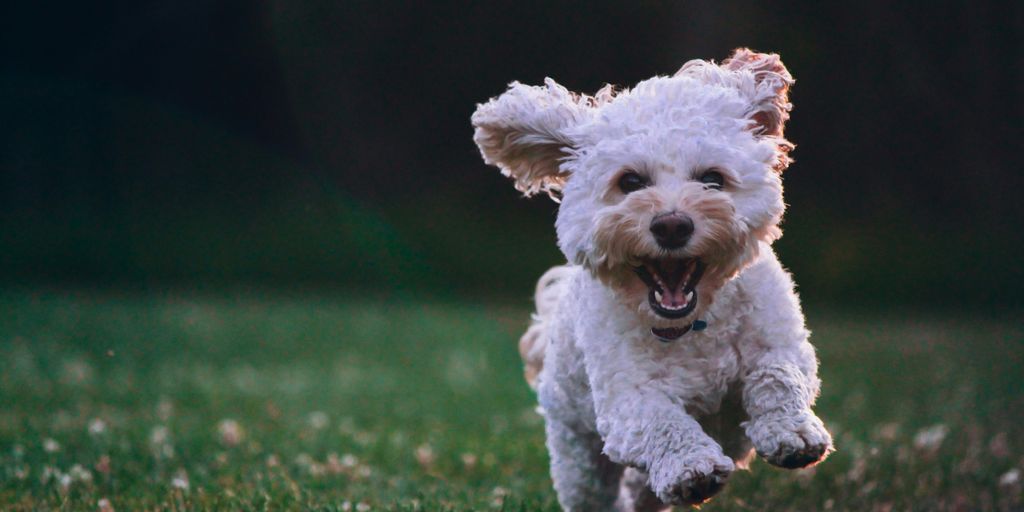
Okay, so your dog is easily distracted. Welcome to the club! But seriously, figuring out what distracts your dog is the first step to helping them focus. It’s not always obvious. For some dogs, it’s other animals – squirrels are public enemy number one in my backyard. For others, it’s noises like cars or the dreaded vacuum cleaner. And then there are the visual distractions: people walking by, moving objects, or even just a change in scenery. Identifying these triggers is key to successful training.
Here’s a quick list of common culprits:
- Other animals (dogs, cats, squirrels, birds)
- Noises (cars, sirens, construction, doorbells)
- Visual stimuli (people, bikes, moving objects)
- Smells (food, other animals, interesting scents on the ground)
How Distractions Affect Behavior
Distractions don’t just make your dog look away for a second; they can seriously mess with their behavior. A dog that’s constantly reacting to distractions is going to have a hard time learning new things, following commands, and generally being a well-behaved companion. Think about it: if they’re always on high alert, waiting for the next exciting thing to happen, they’re not really listening to you. This can lead to pulling on the leash, barking excessively, or even running off. It’s like trying to have a conversation with someone who’s constantly checking their phone – frustrating for everyone involved. Understanding how distractions impact your dog’s behavior is important for effective focus training.
Recognizing Your Dog’s Triggers
This is where you become a doggy detective. Pay close attention to your dog’s body language and reactions in different situations. Does their tail go up when they see another dog? Do their ears perk up at the sound of a motorcycle? Do they start sniffing like crazy when you walk past a certain bush? Keep a journal, if you want to be super thorough. Note the situation, the distraction, and your dog’s reaction. Over time, you’ll start to see patterns emerge.
It’s also important to remember that every dog is different. What’s a major distraction for one dog might not even register for another. Don’t compare your dog to others; focus on understanding their individual triggers.
Once you know what sets your dog off, you can start to manage those distractions and teach them to focus on you instead.
Effective Training Techniques For Focus
Using Positive Reinforcement
Positive reinforcement is the cornerstone of effective focus training. It’s all about rewarding the behaviors you want to see repeated. Instead of punishing your dog for breaking focus, you reward them handsomely when they maintain it. This could be with treats, praise, or a favorite toy. The key is to make the reward valuable enough to outweigh the distraction. Over time, your dog will learn that paying attention to you leads to good things, making them more likely to stay focused, even when there are squirrels involved.
Incorporating Clicker Training
Clicker training can be a game-changer for focus work. The clicker acts as a marker, pinpointing the exact moment your dog performs the desired behavior. It creates a clear and consistent signal that’s easy for your dog to understand. Pair the click with a reward, and you’ve got a powerful tool for shaping focus. For example, if you’re working on eye contact, click the instant your dog looks at you and then give them a treat. This helps them quickly learn what you’re asking for. Focus training is key for dogs because it helps them stay calm and attentive, even when distractions are overwhelming.
Gradual Exposure To Distractions
Don’t throw your dog into the deep end right away. Start with a low-distraction environment and gradually introduce more stimuli as they improve. This could mean starting in your living room and then moving to your backyard, then eventually to a park. The idea is to slowly increase the challenge, so your dog can learn to maintain focus even when there’s a lot going on. Remember to keep the sessions short and fun, and always end on a positive note.
Think of it like building a muscle. You wouldn’t start by lifting the heaviest weight possible. You’d start with something manageable and gradually increase the weight as you get stronger. The same principle applies to focus training. Start small, be patient, and celebrate every success along the way.
Here’s a simple progression you could follow:
- Quiet room, no distractions
- Room with low-level distractions (e.g., someone walking by)
- Outdoor area with minimal noise
- Park with moderate activity
- Busy street with lots of people and cars
Using training harnesses can guide your dog during sessions, ensuring safety and control. Remember to adjust the pace based on your dog’s individual progress. Some dogs will adapt quickly, while others may need more time and patience.
Creating A Distraction-Free Training Environment
It’s happened to all of us. You’re trying to teach your dog something new, and suddenly, a squirrel darts across the yard, or the neighbor’s cat decides to stroll by. Poof! There goes your dog’s attention. That’s why setting up the right environment is so important. A distraction-free zone can make all the difference in how quickly your dog learns and how well they retain the training. It’s not always easy, but with a little planning, you can create a space where your dog can focus on you.
Choosing The Right Location
Where you train your dog matters a lot. Start simple. Your living room might seem like a good spot, but is it near a window where your dog can see outside? Maybe the basement is better, or a quiet corner of your yard. The key is to find a place with minimal visual and auditory distractions. Avoid areas where people are constantly walking by or where there are loud noises. As your dog gets better at focusing, you can gradually introduce more challenging environments. Think of it as building a solid foundation before adding extra floors to a house.
Managing Environmental Factors
Even in a quiet location, there can be hidden distractions. Is it too hot or too cold? Is there a weird smell that’s catching your dog’s attention? Make sure the temperature is comfortable, and the area is clean. Turn off the TV or radio. If you’re outside, try to train when there are fewer people around. You might even consider using a training harness to help keep your dog focused on you. Remember, you’re trying to create an oasis of calm where your dog can concentrate on the task at hand.
Setting Up For Success
Think about what you can do to actively minimize distractions. If you’re training indoors, close the curtains or blinds. Put away toys that might tempt your dog. If you have other pets, keep them in a separate area during training sessions. Outside, try using a portable fence to create a smaller, more controlled space. And always, always have plenty of treats on hand! A little preparation can go a long way in helping your dog succeed.
Creating a distraction-free environment isn’t just about minimizing interruptions; it’s about setting your dog up for success. By carefully managing the environment, you’re showing your dog that you’re serious about training and that you’re there to support them every step of the way. It builds confidence and strengthens the bond between you and your furry friend.
Tools To Enhance Focus Training
Clickers And Treats
Clickers and treats are like the dynamic duo of dog training. A clicker provides a clear, consistent signal that your dog did something right, and treats reinforce that good behavior. It’s all about creating positive associations. I like to keep a variety of treats on hand – some high-value for really tough distractions, and some lower-value for simple tasks. This keeps things interesting for my dog and prevents him from getting bored.
Training Harnesses And Leashes
A good training harness and leash are essential for maintaining control and guiding your dog during focus exercises. I prefer a front-clip harness because it discourages pulling and gives me better steering ability. The leash should be lightweight but durable, allowing for clear communication without being cumbersome. Remote collars can also be useful, but it’s important to use them responsibly and ethically.
Using Toys As Rewards
Toys can be a fantastic alternative to treats, especially for dogs who are highly motivated by play. A quick game of tug-of-war or a toss of a favorite ball can be a great reward for maintaining focus. It’s also a good way to add variety to your training sessions and keep your dog engaged. Just make sure the toy is something your dog really loves, and that you only bring it out during training to keep it special.
I’ve found that using a combination of these tools works best. The clicker and treats help establish the desired behavior, the harness and leash provide control, and toys add an element of fun and excitement. It’s all about finding what motivates your dog and using it to your advantage.
Building Focus Through Consistent Practice
Establishing A Training Routine
Okay, so you’ve started focus training, that’s great! But here’s the thing: it’s not a one-and-done deal. You can’t just do it once a week and expect your dog to become a zen master. Consistency is absolutely key. Think of it like going to the gym – you won’t see results if you only go sporadically. Set up a daily routine, even if it’s just for 10-15 minutes. This helps your dog understand when it’s "focus time" and makes the training more effective. It’s all about building that mental muscle!
Short And Engaging Sessions
Long, drawn-out training sessions? Forget about it. Your dog will get bored, frustrated, and their focus will go right out the window. Keep those sessions short and sweet! Think quality over quantity. A few minutes of intense focus is way better than a half-hour of half-hearted effort. Make it fun! Use positive reinforcement like treats, praise, and toys to keep your dog engaged and motivated. End on a positive note, so your dog is always eager for the next session.
Tracking Progress Over Time
It’s easy to get discouraged if you don’t see results right away. That’s why tracking your dog’s progress is so important. Keep a simple journal or use a notes app on your phone to jot down what you worked on, how your dog did, and any challenges you encountered. This will help you see how far you’ve come and identify areas where you need to focus more attention. Plus, it’s super rewarding to look back and see all the progress your furry friend has made!
Remember, every dog learns at their own pace. Don’t compare your dog to others. Celebrate the small victories and be patient. With consistent practice and a positive attitude, you’ll be amazed at how much your dog’s focus improves. It’s a journey, not a race!
Advanced Focus Training Techniques
Increasing Distraction Levels
Okay, so your dog is a focus superstar in a quiet room. Awesome! Now it’s time to crank up the volume. Don’t just throw them into a dog park and expect miracles. Start small. Maybe train near a window with some street noise, or in your backyard while the neighbor’s kids are playing. The key is gradual introduction. If your dog starts to lose focus, dial it back a notch. Remember, we’re building confidence, not creating chaos.
- Start with low-level distractions.
- Observe your dog’s body language.
- Increase the intensity slowly.
Incorporating Real-World Scenarios
Time to take this show on the road! Think about the places where you actually need your dog to focus. Is it at the vet’s office? During walks in the park? At your kid’s soccer game? Recreate those scenarios in a controlled way. For example, set up a mock vet visit with a friend playing the role of the vet. Have them do some gentle handling while you reward your dog for staying calm and focused. This helps them generalize their training to real-world situations.
It’s important to remember that every dog learns at their own pace. Don’t get discouraged if your dog struggles in certain environments. Just keep practicing, be patient, and celebrate the small victories.
Using Hand Signals For Communication
Verbal commands are great, but hand signals can be even more effective, especially in noisy environments. Plus, it adds another layer of communication between you and your dog. Start by pairing a hand signal with a verbal command. For example, when you say "sit," also point your finger down. Eventually, you can fade out the verbal command and just use the hand signal. This is super helpful if your dog starts to lose hearing as they get older.
- Pair hand signals with verbal commands initially.
- Use clear and consistent gestures.
- Gradually fade out the verbal cues.
Here’s a quick example of how you might track progress:
| Distraction Level | Success Rate (Verbal) | Success Rate (Hand Signal) |
|---|---|---|
| Quiet Room | 95% | 90% |
| Backyard | 80% | 85% |
| Busy Street | 60% | 70% |
If you want to take your dog training to the next level, try some advanced focus training techniques. These methods can help your dog stay attentive and learn faster. By using fun exercises and games, you can keep your dog engaged and excited about training. Ready to learn more? Visit our website for tips and resources that will help you and your dog succeed!
Wrapping It Up: The Path to a Focused Dog
Training your dog to ignore distractions isn’t just about obedience; it’s about building a better relationship with your furry friend. The more you practice, the more your dog learns to focus on you, even when the world around them gets chaotic. Remember, it takes time and patience. Start small, and gradually increase the distractions as your dog gets better. Celebrate the little wins along the way, whether it’s a successful sit in a busy park or ignoring a squirrel on a walk. With consistent training, you’ll not only have a more focused dog but also a happier, more confident companion. So grab those treats, get out there, and start training! You both will enjoy the journey.
Frequently Asked Questions
What is focus training for dogs?
Focus training helps dogs learn to ignore distractions and pay attention to their owners. This makes them more obedient and well-behaved in busy environments.
Why is it important to train my dog to ignore distractions?
Training your dog to ignore distractions is important because it keeps them safe and helps them behave better. It also builds their confidence and makes them less anxious.
What are some common distractions for dogs?
Common distractions include other animals, loud noises, people walking by, and moving cars. These can make it hard for dogs to focus.
How can I help my dog focus better during training?
You can help your dog focus by using treats, toys, and positive reinforcement. Start in a quiet place and gradually introduce distractions as they improve.
How long should training sessions be?
Training sessions should be short and fun, around 5 to 10 minutes. This keeps your dog engaged and helps them learn better.
What tools can I use to improve my dog’s focus?
Useful tools include clickers for marking good behavior, treats for rewards, and harnesses or leashes to keep your dog safe during training.