
When your dog starts to lose their sight, it can feel pretty scary. You might worry about how they’ll get around or if they’ll still be happy. But here’s the thing: dogs are super adaptable, and losing their vision doesn’t mean the end of their fun. With some simple adjustments and the right training approach, you can totally help your dog keep living a full, joyful life. This article will help you figure out how to train a dog with vision problems, making sure they stay safe, confident, and engaged.
Key Takeaways
- Dogs can adjust well to blindness with the right support.
- Safety is a big deal for blind dogs; keep their space consistent.
- Training methods need to change, focusing on sounds and touch.
- Help your dog learn their way around using different senses.
- Keep blind dogs active and involved in fun stuff.
Understanding Canine Vision Loss
Common Causes of Blindness
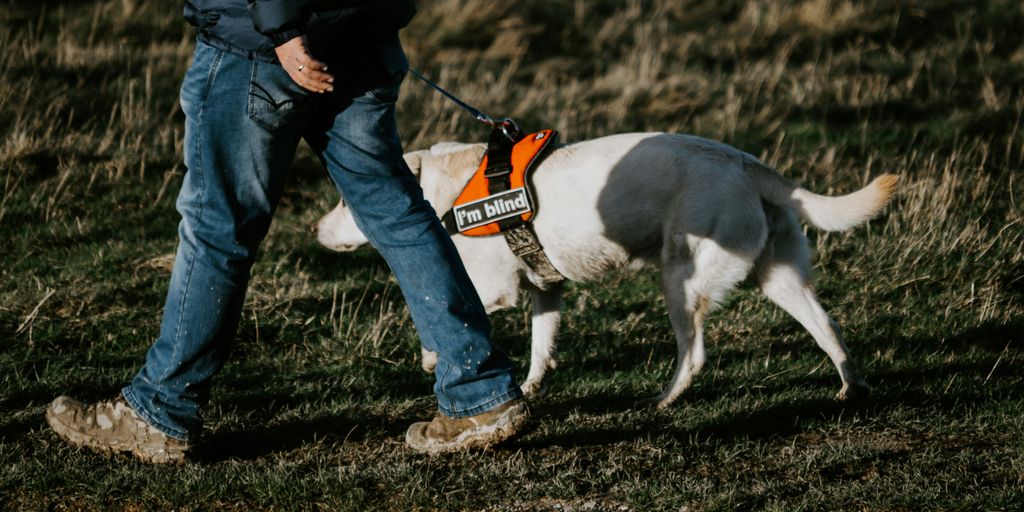
Canine vision loss can stem from various factors, some developing gradually over time, while others manifest suddenly. Understanding the root cause is key to providing appropriate care and support. Cataracts are a frequent culprit, clouding the lens of the eye and impairing vision. Glaucoma, characterized by increased pressure within the eye, can also lead to blindness if left untreated. Sudden Acquired Retinal Degeneration Syndrome (SARDS) is another condition where dogs experience rapid vision loss. Other potential causes include injuries, infections, and underlying health conditions like diabetes. If you notice your dog bumping into things or showing signs of disorientation, it’s important to consult with your vet promptly. Early diagnosis can sometimes help slow or even halt the progression of vision loss. You can find more information on dog training guides online.
When to Consult a Specialist
While your regular veterinarian can diagnose many common causes of vision loss, a veterinary ophthalmologist possesses specialized knowledge and equipment for more complex cases. Consider seeking a referral to a specialist if:
- Your dog’s vision loss is sudden or rapidly progressing.
- The cause of vision loss is unclear after initial examination.
- Your dog requires specialized treatment, such as cataract surgery.
- You’re seeking a second opinion on a diagnosis or treatment plan.
A veterinary ophthalmologist can conduct advanced diagnostic tests, such as electroretinography (ERG), to assess the function of the retina. They can also provide expert guidance on managing eye conditions and preserving your dog’s remaining vision. Remember, early intervention is often the best approach when dealing with canine vision problems.
It’s also important to remember that even with vision loss, dogs can still lead happy and fulfilling lives with the right support and adjustments. Don’t hesitate to explore resources and connect with other owners of blind dogs for advice and encouragement. You can find more information on AKC trick dog titles online.
Prioritizing Safety for Visually Impaired Dogs
It’s super important to make sure your dog is safe, especially when they can’t see well. Think about it – they’re relying on you to keep them out of harm’s way. It’s not just about preventing accidents; it’s about giving them the confidence to move around without being scared all the time.
Maintaining a Consistent Home Environment
Keeping things the same is a big deal for blind dogs. Imagine trying to navigate your house if someone moved all the furniture every day! It would be a nightmare. Try to keep furniture in the same spots. This helps your dog build a mental map of the house. If you do have to move something, walk them through the changes so they can adjust.
A consistent environment reduces anxiety and allows your dog to move with more confidence. This includes keeping their food and water bowls, bed, and toys in the same locations.
Securing Hazardous Areas
Think about potential dangers in your house. Stairs, pools, and sharp edges can be really risky for a dog that can’t see.
Here are some things you can do:
- Use baby gates to block off stairs or pools.
- Pad sharp corners of furniture.
- Keep floors clear of clutter. A stray shoe can be a major tripping hazard.
- Consider a dog gate to keep your dog away from dangerous areas.
Utilizing Protective Gear
If your dog is constantly bumping into things, you might want to consider getting them some protective gear. A dog bumper (like a halo) can help protect their head and face. It acts like a buffer, so they don’t get hurt when they bump into walls or furniture. It might look a little silly, but it can make a big difference in their confidence and safety. Also, switch from a collar to a harness. A harness gives you more control and helps guide them without putting pressure on their neck. Teaching commands like "watch," "step up," and "step down" can also improve their safety and engagement.
Adapting Training Methods for Blind Dogs
It’s totally possible to keep training your dog even if they’ve lost their sight. It just means tweaking your approach a bit. The cool thing is, dogs are super adaptable, and with a few changes, you can keep them learning and engaged. It’s all about using their other senses and building their confidence.
Emphasizing Verbal Cues
Verbal cues become super important when your dog can’t see. Instead of relying on hand signals, you’ll need to use clear, consistent words. Think about it like this: your voice is now their visual. Keep your commands short and sweet, and always use the same words for the same actions. For example, instead of pointing for "sit", clearly say "sit" every single time. This helps them learn what you expect. You can also use training treats to reinforce the behavior.
Incorporating Physical Cues
Physical cues can be a great addition to verbal commands. A gentle touch can guide your dog without startling them. For example, a light tap on their rear can signal them to sit, or a touch on their side can mean "stay". The key is to be consistent and gentle. Always pair the physical cue with the verbal command at first, so they learn to associate the touch with the action. Over time, you might be able to fade out the verbal cue and rely more on the physical one. This is especially helpful in noisy environments where they might not hear you clearly. It’s also important to desensitize your dog to touch, so they don’t get spooked by unexpected contact. This can be achieved through gentle petting and handling, always paired with positive reinforcement.
Building Confidence Through Training
Training isn’t just about teaching commands; it’s also about building your dog’s confidence. When a dog loses their sight, they can become anxious and unsure of themselves. Training provides structure and predictability, which can help them feel more secure. Start with simple commands they already know and gradually introduce new ones. Celebrate their successes with praise and rewards. Scent work is a great way to build confidence, as it allows them to use their sense of smell to solve problems. Remember to keep training sessions short and positive, and always end on a high note. This will help your dog stay motivated and engaged.
Training a blind dog requires patience, consistency, and a willingness to adapt. By focusing on verbal and physical cues, and by building their confidence through positive reinforcement, you can help your dog live a happy and fulfilling life, even without sight. It’s a journey that will strengthen your bond and deepen your understanding of your canine companion.
Enhancing Navigation and Orientation
Helping a dog with vision problems get around safely and confidently is super important. It’s all about using their other senses and creating a predictable environment. Let’s look at some ways to make things easier for them.
Establishing Home Base and Landmarks
Think of your house as a map, but instead of seeing it, your dog senses it. Having a consistent "home base" is key. This could be their bed, a specific corner, or even their crate. Make sure their food and water bowls stay in the same spot too. This helps them orient themselves. You can also use different textures on the floor, like carpet runners, to create landmarks. These can act as guides, especially in doorways or on slick surfaces.
Using Sensory Cues
Blind dogs rely heavily on their hearing and smell. You can use this to your advantage. Talk to your dog often, especially when you’re approaching them. This prevents startling them. Consider using things like wind chimes outside or a radio inside to provide consistent auditory landmarks. Even something as simple as a dog water fountain can help them locate their water source. Other pets can wear bells to help your dog know where they are.
Avoiding Unnecessary Relocation
Try to keep furniture and belongings in the same places. Moving things around can be really disorienting for a blind dog. If you absolutely must rearrange, introduce the changes gradually. Walk your dog through the new layout, using verbal cues and gentle guidance.
It’s important to remember that what seems like a small change to us can be a big deal for a dog who can’t see. Consistency is your best friend. By creating a predictable and sensory-rich environment, you can help your dog navigate with confidence and reduce their anxiety.
Engaging Blind Dogs in Activities
It’s easy to think a dog losing their sight means the end of fun, but that’s far from true! Blind dogs can still enjoy a rich and fulfilling life with the right activities. It’s all about adapting and finding what works for them. The key is to focus on their other senses and provide plenty of mental and physical stimulation.
Exploring Scent Work Opportunities
Scent work is a fantastic option for blind dogs. It taps into their strongest sense and provides a great mental workout. AKC Scent Work is a sport where dogs use their noses to find hidden scents. It’s amazing how much they enjoy it, and it really builds their confidence. You can start with simple scent games at home and then move on to more formal training if your dog enjoys it. It’s a really rewarding activity for both of you.
Participating in Dog Sports
Don’t rule out dog sports just because your dog can’t see! Many blind dogs can still participate in activities like the Canine Good Citizen program or even trick competitions. It might require some modifications and extra patience, but it’s definitely possible. The important thing is to focus on verbal cues and clear communication. Plus, it’s a great way to show off your dog’s skills and bond with them even more.
Continuing Physical and Mental Exercise
Just like any dog, blind dogs need regular physical and mental exercise to stay happy and healthy. This could include walks (on a leash, of course!), puzzle toys, or even just spending time exploring new environments. The key is to adapt the activities to their abilities and make sure they’re safe and comfortable. Remember, a tired dog is a happy dog, and that’s especially true for blind dogs who need extra stimulation to keep their minds engaged.
It’s important to remember that every dog is different, and what works for one blind dog might not work for another. Be patient, observant, and willing to experiment to find the activities that your dog enjoys the most. With a little creativity and effort, you can help your blind dog live a full and happy life.
Building a Stronger Bond Through Training
The Importance of Consistent Training
Okay, so your dog can’t see. Big deal! Training is still super important, maybe even more so. It’s not just about teaching commands; it’s about building trust and a deeper connection. Consistent training provides a sense of security and predictability for a visually impaired dog. Think of it as giving them a language they can always rely on. If you’re consistent, they’ll feel more confident and connected to you. It’s like a constant reassurance that you’re there for them, guiding them through the world.
Introducing New Commands
Introducing new commands to a blind dog might seem daunting, but it’s totally doable. The trick is to rely on senses other than sight. Verbal cues are your best friend. Be clear, concise, and consistent with your words. Pair those verbal cues with tactile cues – a gentle touch on the shoulder for "sit," a tap on the back for "down." Repetition is key, and don’t forget the treats! Make it a positive experience, and your dog will be eager to learn. It’s all about adapting your approach and finding what works best for your furry friend. You can use positive reinforcement to help your dog learn new commands.
Leveraging Clicker Training
Clicker training can be a game-changer for blind dogs. The clicker sound becomes a marker for good behavior, a clear signal that they’ve done something right. It’s precise and consistent, which is super helpful when visual cues are out of the picture. Plus, it’s a fun and engaging way to train! Start by associating the clicker sound with a treat. Then, use it to mark desired behaviors, like turning towards you when you call their name. The clicker sound becomes a bridge, connecting your intentions with your dog’s actions. It’s a powerful tool for building confidence and strengthening your bond. Scent work is a great way to keep your dog stimulated.
Training a blind dog isn’t about overcoming a disability; it’s about unlocking their potential and building an even stronger relationship. It requires patience, creativity, and a willingness to adapt, but the rewards are immeasurable. You’ll be amazed at what your dog can achieve, and you’ll both grow closer in the process.
Want to make your dog your best friend? Training is the secret! It helps you and your furry pal understand each other better, making your bond super strong. Ready to start? Check out our website for the best dog training courses!
Conclusion
So, seeing your dog lose their sight can feel pretty rough at first. It’s totally normal to feel a bit sad or even overwhelmed. But here’s the thing: blindness doesn’t mean the end of their happy, active life. Dogs are amazing at adapting, and with just a little bit of help from us, they can keep doing all the stuff they love. It’s really about giving them that extra support and understanding. They can still have a full, fun life, and it’s up to us to make sure that happens.
Frequently Asked Questions
What should I do if I think my dog is losing its vision?
It’s super important to take your dog to the vet right away if you think they’re losing their sight. They can figure out what’s going on and might send you to a special eye doctor for dogs.
What causes blindness in dogs?
Many things can make dogs go blind, like getting old, cataracts (cloudy eyes), glaucoma (pressure in the eye), or a quick vision loss condition called SARDS.
Can blind dogs still be trained?
Yes, absolutely! Blind dogs can still learn new things. You just need to change how you teach them, using more sounds and touch instead of hand signals.
How can I make my home safe for a blind dog?
Keep their stuff like food bowls and beds in the same spot. Don’t move furniture around too much. When you bring them to a new place, walk them around carefully so they can learn the layout. Also, block off dangerous spots like stairs.
What kind of activities can blind dogs participate in?
Blind dogs can enjoy lots of activities! Scent work is great because they use their amazing noses. They can also do things like obedience training, trick competitions, and even therapy work.
Why is training important for blind dogs?
Training helps blind dogs feel more sure of themselves. It gives them a routine and helps them understand their surroundings better, which makes them happier and more confident.