
Getting older can be tough for anyone, and it’s no different for our furry friends. If you have a senior dog, you might start noticing them moving a little slower or seeming a bit stiff. This could be a sign of arthritis, a common issue in older pups. But don’t worry, even with arthritis, you can still help your dog live a happy, active life. Training a senior dog with arthritis just means we need to adjust our approach a bit. It’s all about making things comfortable and fun for them, so they can keep learning and enjoying their golden years.
Key Takeaways
- Be patient and consistent with your training; it makes a big difference.
- Change how you teach things to fit your dog’s body.
- Keep training sessions short and do them more often.
- Help your dog’s mind stay busy with games that don’t need a lot of moving around.
- Work closely with your vet to make sure your dog gets the best care.
Understanding Arthritis In Senior Dogs
Arthritis is super common in older dogs, and it can really impact their quality of life. It’s not just about slowing down; it’s about actual pain and discomfort that can make everyday activities difficult. Recognizing the signs early and getting a vet’s opinion is key to helping your furry friend live their best life.
Recognizing The Signs Of Canine Arthritis
Spotting arthritis early can make a huge difference. Keep an eye out for changes in your dog’s behavior and movement. It might be subtle at first, like a slight limp after a walk or hesitation when climbing stairs. Other signs include:
- Stiffness, especially after resting
- Reluctance to jump or play
- Changes in appetite or sleep patterns
- Irritability or sensitivity to touch
The Importance Of Early Veterinary Diagnosis
Don’t just assume your dog is "slowing down" because of age. A proper diagnosis from a vet is crucial. They can rule out other potential issues and confirm if it’s arthritis. A veterinarian diagnoses canine arthritis through a physical exam, discussing symptoms, and maybe taking X-rays. Early diagnosis means you can start managing the condition sooner, which can significantly improve your dog’s comfort and mobility.
Getting a diagnosis early allows you to create a plan with your vet to manage the pain and slow the progression of the disease. This might involve medication, lifestyle changes, or a combination of both.
Tailoring A Personalized Management Plan
Once you have a diagnosis, it’s time to work with your vet to create a plan that’s right for your dog. Every dog is different, and what works for one might not work for another. This plan might include:
- Medication to manage pain and inflammation
- Weight management to reduce stress on joints
- Changes to their diet, including supplements
- Modifications to their environment to make things easier for them
The goal is to keep your dog comfortable and active for as long as possible. Regular check-ups and adjustments to the plan are important to ensure it continues to meet your dog’s needs.
Adapting Training Methods For Arthritic Dogs
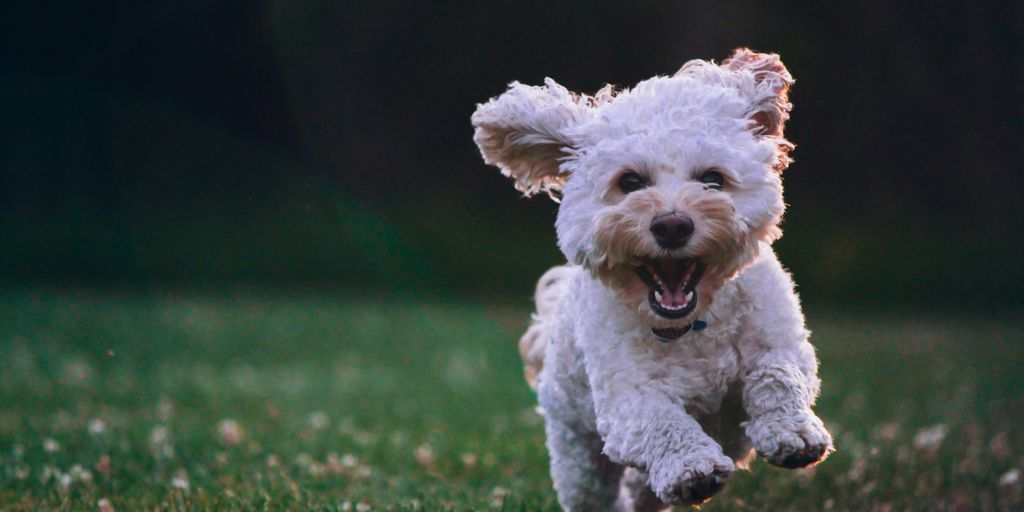
It’s important to remember that training an older dog with arthritis requires a different approach than training a younger, healthier dog. We need to be more mindful of their physical limitations and adjust our methods accordingly. The goal is to keep them mentally stimulated without causing pain or discomfort. It’s all about finding that sweet spot where they’re engaged and happy, not stressed and sore.
Patience And Consistency In Training
Patience is absolutely key when working with an arthritic dog. They might not be able to perform tasks as quickly or easily as they once did, and that’s okay. Consistency is also important. Short, regular training sessions are much more effective than long, infrequent ones. It helps them retain what they’ve learned without overexerting themselves. Remember to celebrate small victories and avoid getting frustrated if they’re having an off day.
Modifying Cues For Physical Limitations
We need to rethink how we give cues. For example, instead of asking them to sit, which can be painful for their joints, we might teach them an alternative behavior like lying down or standing still. Visual cues can also be helpful, as they require less physical effort than verbal commands. It’s all about finding ways to communicate effectively without putting stress on their bodies. Consider appropriate activities that are gentle on their joints.
Short, Frequent Training Sessions
Arthritic dogs tire more easily, so short training sessions are a must. Aim for 5-10 minute sessions several times a day, rather than one long session. This allows them to stay focused and engaged without getting overwhelmed or experiencing increased pain. End each session on a positive note, with a reward or praise, to keep them motivated.
Think of training sessions as mini-playdates. Keep them light, fun, and focused on building a positive relationship with your dog. The goal isn’t to achieve perfection, but to provide mental stimulation and strengthen your bond in a way that’s comfortable and enjoyable for both of you.
Enhancing Comfort And Mobility At Home
It’s not just about medicine; creating a comfortable and accessible home environment is vital for senior dogs with arthritis. Simple changes can make a huge difference in their quality of life. Focus on minimizing strain and maximizing ease of movement.
Creating A Comfortable Resting Environment
Senior dogs need supportive and comfortable places to rest. Consider these points:
- Orthopedic beds: These beds provide excellent support for aching joints. Look for beds with memory foam or other cushioning materials.
- Warmth: Arthritis can make dogs feel colder. Provide blankets or heated pads, especially during colder months. Make sure the dog bed is easily accessible.
- Easy access: Ensure your dog can easily get in and out of their bed. If needed, use a ramp or steps.
Home Modifications For Easier Navigation
Small changes around your home can significantly improve your dog’s mobility:
- Clear pathways: Remove clutter to create clear and safe walking paths. This reduces the risk of trips and falls.
- Ramps and steps: Install ramps or steps to help your dog access furniture, beds, and even get in and out of the car. This minimizes the need to jump, which can be painful.
- Elevated food and water bowls: Raising the bowls can reduce strain on the neck and back, especially for dogs with arthritis in those areas.
Utilizing Traction Aids For Slippery Floors
Slippery floors can be a major challenge for arthritic dogs. Here’s how to improve traction:
- Rugs and mats: Place rugs or mats on slippery surfaces like hardwood or tile. Non-slip backing is essential.
- Paw wax: Apply paw wax to your dog’s paws to improve their grip on smooth floors. This can give them more confidence and stability.
- Dog socks with grips: These socks provide traction and can also protect your dog’s paws from cold floors. Make sure to check the arthritis supplements your dog is taking.
Remember, every dog is different. Observe your dog’s behavior and adjust your home environment to meet their specific needs. Small changes can make a big difference in their comfort and mobility.
Nutritional Support For Joint Health
Weight Management For Reduced Joint Strain
It’s easy to give our dogs a little too much love in the form of treats, but keeping your senior dog at a healthy weight is super important. Extra weight puts a lot of stress on their joints, making arthritis pain even worse. Think of it like carrying a heavy backpack all day – it’s tiring and painful! Talk to your vet about the ideal weight for your dog and how to achieve it through diet and exercise. Even small changes can make a big difference in their comfort levels.
Overfeeding can exacerbate joint issues, so portion control is key. Regular, measured meals are better than free-feeding. Also, limit those extra treats, no matter how much they beg with those puppy-dog eyes!
Selecting Appropriate Diets For Senior Dogs
Not all dog food is created equal, especially for senior dogs with arthritis. Look for food that’s specifically formulated for older dogs, as these often have fewer calories and added nutrients to support joint health.
Here are some things to consider:
- Protein: Senior dogs still need protein to maintain muscle mass, but too much can be hard on their kidneys. Find a balance.
- Fiber: Helps with digestion and keeps them feeling full, which can aid in weight management.
- Fat: Provides energy, but too much can lead to weight gain. Opt for healthy fats like omega-3s.
- Joint-supporting ingredients: Some senior dog foods have added glucosamine and chondroitin, which can be beneficial (more on that below).
Beneficial Supplements For Arthritis
Supplements can be a great addition to your dog’s diet to help manage arthritis symptoms. It’s like giving their joints a little extra support. But, it’s important to talk to your vet before starting any new supplements, just to make sure they’re safe and appropriate for your dog. Here are a few common ones:
- Glucosamine and Chondroitin: These are building blocks of cartilage and can help protect and repair damaged joints. Training older dogs can be easier with these supplements.
- Omega-3 Fatty Acids: These have anti-inflammatory properties, which can help reduce pain and swelling in the joints.
- Turmeric/Curcumin: This spice has anti-inflammatory and antioxidant effects. Some studies suggest it can help with arthritis pain in dogs.
It’s worth exploring green-lipped mussel for dogs and deer velvet supplements for dogs as well. They contain a unique combination of compounds that can support joint health, reduce inflammation, and improve mobility.
Mental Stimulation Without Physical Strain
It’s easy to think that because your senior dog can’t run around like they used to, they don’t need as much to do. But that’s just not true! Their minds still need to be engaged, and there are plenty of ways to do that without putting stress on their joints. Keeping their minds active can actually help them stay happier and more comfortable.
Engaging With Puzzle Toys And Scent Games
Puzzle toys are a fantastic way to keep your dog entertained and thinking. There are tons of different kinds out there, from simple treat-dispensing balls to more complex puzzles that require them to solve problems. Scent games are another great option. You can hide treats around the house and let your dog use their nose to find them. It’s like a treasure hunt for dogs! This is a great way to provide canine enrichment.
Teaching New Tricks With Minimal Movement
Who says you can’t teach an old dog new tricks? You just have to be smart about it. Focus on tricks that don’t require a lot of physical activity. Think about things like "speak," "wave," or even just learning the names of their toys. Short, positive training sessions can be a great way to bond with your dog and keep their mind sharp. Remember to adapt training methods to suit your dog’s physical and cognitive abilities.
Maintaining Cognitive Function In Senior Dogs
As dogs get older, their cognitive function can decline, just like with people. But there are things you can do to help keep their minds sharp. Regular mental stimulation is key. Try to incorporate puzzle toys, scent games, and training sessions into their daily routine. Even something as simple as a new walking route can provide valuable mental stimulation.
It’s important to be patient and understanding with your senior dog. They may not learn as quickly as they used to, and they may have days where they’re just not up for it. That’s okay! Just adjust your expectations and focus on making sure they’re comfortable and happy.
Collaborating With Your Veterinarian
It’s easy to feel overwhelmed when dealing with your senior dog’s arthritis. Remember, you’re not alone! Your veterinarian is your best ally in managing your dog’s condition and ensuring they live a comfortable life. Regular check-ups and open communication are key to tailoring a treatment plan that works for your furry friend.
Developing A Prescription Medication Plan
Prescription medications can play a big role in managing arthritis pain. Non-steroidal anti-inflammatory drugs (NSAIDs) are often prescribed, but it’s important to discuss potential side effects with your vet. They can monitor your dog’s blood work to ensure the medication isn’t affecting their liver or kidneys. Other pain relievers, like gabapentin or amantadine, might also be considered, especially if NSAIDs aren’t well-tolerated. Finding the right medication and dosage often involves some trial and error, so patience and communication are essential. It’s also important to understand the benefits of managing canine arthritis through medication.
Exploring Physical Rehabilitation Options
Physical rehabilitation can work wonders for arthritic dogs. Think of it as physical therapy, but for your pup! A certified canine rehabilitation therapist can develop a program that includes exercises to strengthen muscles, improve range of motion, and reduce pain.
Here are some common rehab techniques:
- Hydrotherapy (underwater treadmill)
- Therapeutic exercises
- Laser therapy
- Massage
Physical rehabilitation isn’t just about exercise; it’s about improving your dog’s overall quality of life. It can help them maintain their mobility, reduce pain, and even improve their mood.
Tracking Progress And Adjusting Care
Arthritis management isn’t a one-size-fits-all approach. What works for one dog might not work for another. That’s why it’s so important to track your dog’s progress and communicate any changes to your veterinarian. Keep a journal of their activity levels, pain levels, and any side effects you observe from medications or therapies. This information will help your vet fine-tune the treatment plan and ensure your dog is getting the best possible care. Regular check-ups are crucial for monitoring the effectiveness of the treatment plan and making necessary adjustments. Consistent monitoring allows for timely interventions and prevents the condition from worsening.
Working closely with your vet is super important for your pet’s health. They’re like a partner in making sure your furry friend stays happy and healthy. To learn more about how to pick the best training for your dog, check out our website.
Wrapping Things Up
So, we’ve talked a lot about helping our older, arthritic pups. It really comes down to being patient and making small changes. Think about those short training times, using treats, and making sure their home is comfy. It’s not about making them into a super athlete again, but about making their daily life better. Every little bit helps, and seeing them happy and moving around more easily is the best reward. Just keep trying different things, and you’ll find what works for your dog.
Frequently Asked Questions
How can I tell if my senior dog has arthritis?
Arthritis in older dogs often shows up as limping, stiffness, trouble getting up or lying down, being slow to move, or not wanting to play as much. They might also whine or snap when touched in certain spots.
Why is an early vet visit so important for an arthritic dog?
It’s super important to see your vet early because they can figure out exactly what’s going on. They’ll do a check-up, maybe some X-rays, and then help you make a plan to ease your dog’s pain and keep them comfy. The sooner you start, the better your dog will feel.
What are some good ways to change training for my dog with arthritis?
You can make training easier by being super patient and always doing things the same way. Use gentle words and hand signals. Keep training times short and fun, like 5-10 minutes a few times a day, so your dog doesn’t get tired or hurt.
How can I make my home more comfortable for my dog with joint pain?
Make your home cozy! Get a soft, supportive dog bed, maybe one that’s easy to get in and out of. Put down rugs or mats on slippery floors so your dog doesn’t slide. Ramps can also help them get onto furniture or into the car without jumping.
What kind of food and supplements are good for a senior dog with arthritis?
Keeping your dog at a healthy weight is key because extra pounds put more stress on their joints. Talk to your vet about the best food for senior dogs and if any joint supplements, like glucosamine, would be helpful.
Can I still keep my arthritic dog’s mind active without making them move too much?
Absolutely! Puzzle toys, sniff games where they find treats, or even learning new, easy tricks that don’t involve much movement can keep their brain busy and happy without hurting their body.