
So, you want to know how to train a dog without treats? It sounds a bit tricky at first, right? Most of us start with those little biscuit things, and they work well. But what if you want to try something different, or maybe your dog just isn’t that into them? Turns out, there are plenty of ways to get your dog to listen and learn without a pocketful of snacks. It’s all about figuring out what really makes your dog tick and using that to your advantage. We’ll explore how to make training fun and effective, using things your dog already loves.
Key Takeaways
- Discover what truly motivates your dog beyond food, like toys, praise, or specific activities.
- Use everyday events and interactions your dog enjoys as rewards.
- Become the most exciting thing in your dog’s world by being the source of good stuff.
- Mix up your rewards to keep your dog guessing and engaged, using a variety of positive reinforcement.
- Gradually shift from using treats as a lure to using them purely as a reward after the behavior is done.
Understanding Your Dog’s Motivation Beyond Food
When we talk about training our dogs, the first thing that often comes to mind is a pocket full of tasty treats. And sure, food is a fantastic motivator for most dogs, most of the time. It’s quick, it’s clear, and it makes training feel like a party for your pup. But what happens when you want to train without relying solely on kibble or biscuits? It turns out, dogs are motivated by a whole lot more than just what they can eat. Understanding what truly gets your dog excited is the key to unlocking a deeper level of communication and cooperation.
Identifying What Truly Drives Your Canine Companion
Think about your dog. What makes their tail wag uncontrollably? Is it a squeaky toy, a good scratch behind the ears, or maybe the chance to chase a squirrel? Every dog is an individual, and their motivations can vary wildly. While one dog might be thrilled by a piece of cheese, another might be more interested in the opportunity to go outside or play with a favorite toy. It’s about figuring out what your specific dog finds genuinely rewarding in any given moment. Sometimes, what they really want isn’t a treat at all, but access to something they desire, like sniffing a particularly interesting bush on a walk. Learning to read your dog’s body language is super important here; signs of enjoyment can tell you a lot about what they like.
The Power of Novelty in Dog Training
Dogs, much like us, can get bored with the same old routine. Introducing new experiences, places, or even just different types of praise can be incredibly motivating. A new park to explore, a different toy to play with, or even just a change in your training location can add a spark of excitement. This element of surprise keeps them engaged and eager to see what’s coming next. It’s like shaking things up to keep them guessing, which can be a powerful reinforcer in itself. Think about how much more interesting a walk is when you take a new route – your dog probably feels the same way about training sessions that offer something new.
Recognizing Your Dog’s Unique Preferences
This is where you become a bit of a detective. Pay close attention to what your dog gravitates towards. Do they lean into your touch, or do they prefer a bit more space? Do they get excited by the prospect of a game of fetch, or is a good sniffari more their speed? Observing these preferences allows you to tailor your rewards effectively. For instance, if your dog loves physical closeness, gentle petting or leaning against you can be a fantastic reward. If they are more independent, perhaps the reward is simply being allowed to explore a new scent on a walk. You might find that what motivates them changes depending on the situation, so being adaptable is key. It’s all about finding that special something that makes your dog think, "Yes! This is the best!".
It’s easy to fall into the trap of thinking food is the only way to reward our dogs. But when you start looking at what else makes your dog happy – like a good game of tug, a chance to sniff, or just some quality time with you – you realize you have a whole toolbox of rewards available at all times. This makes training so much more flexible and fun for both of you.
Leveraging Real-Life Rewards Effectively
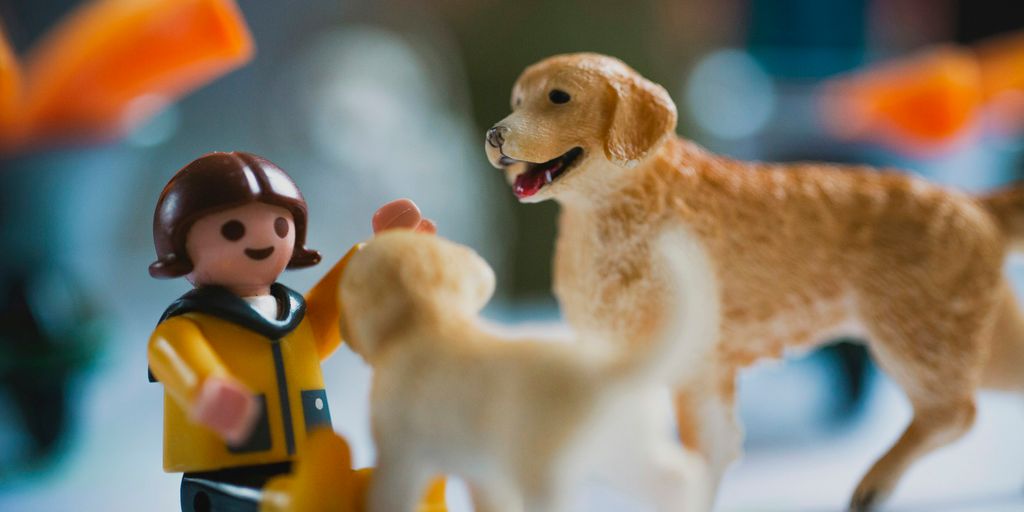
Think about it: your dog doesn’t just live for kibble. While treats are great, they’re not the only way to get your dog excited about training. Real-life rewards are basically anything your dog genuinely enjoys that isn’t a food item. It’s about tapping into what makes your dog tick in any given moment. Using these rewards early on helps you phase out food treats faster and makes you way more interesting to your dog. Plus, you always have these rewards on hand, meaning you can reward good behavior anytime, anywhere.
Integrating Activities Your Dog Enjoys
What does your dog love to do? Maybe it’s a good game of fetch, a tug-of-war session, or just a good old-fashioned belly rub. These activities can be incredibly powerful motivators. If your dog isn’t super into treats, play can be a fantastic alternative. It’s a great way to connect and build that bond, making training more fun for both of you. Remember to introduce toys and play properly to get the most out of them as rewards.
Becoming the Source of All Good Things
This is where you become the most exciting thing in your dog’s world. It’s not just about giving a treat; it’s about being the one who provides all the fun stuff. This could be anything from a quick game of fetch to simply giving your dog your undivided attention. When your dog learns that good things come from you, they’ll be much more eager to listen and engage. You want to be the provider of all the awesome things.
Rewarding Behavior Anytime, Anywhere
This is a big one. Since real-life rewards are things you always have with you – like your attention, a favorite toy, or permission to go outside – you can reward your dog for good behavior no matter where you are. Did your dog sit patiently while you chatted with a neighbor? Give them some praise and a quick ear scratch. Did they walk nicely beside you for a block? Let them sniff that interesting bush. It means you’re always equipped to reinforce positive actions, making training a constant, natural part of your day. It’s about making the most of everyday opportunities to reinforce good behavior.
Here’s a quick look at some common real-life rewards:
- Attention: Eye contact, talking to your dog, or even just being present.
- Play: A quick game of tug, fetch, or a chase game.
- Touch: Petting, ear scratches, or belly rubs (if your dog likes them!).
- Access: Permission to go through a door, sniff a bush, or get on the couch.
- Verbal Praise: A happy "Good boy!" or "Yes!"
The key is to observe your dog and figure out what truly motivates them in the moment. What are they looking at? What are they trying to get to? Use that as your reward.
Mastering the Art of Varied Reinforcement
So, you’re moving beyond just handing over kibble. That’s great! But how do you keep your dog interested and guessing what’s coming next? It’s all about being a bit of a magician with your rewards. Think of it like this: if you always give the same treat at the same time, your dog learns to expect it. But if you mix things up, they stay engaged, always wondering, "What’s next?"
The ‘Reward Magician’ Approach
This is where you become unpredictable, in a good way. You want your dog to think, "Wow, I never know what I’m going to get!" This means sometimes you’ll use a favorite toy, other times it’s a good scratch behind the ears, or maybe a quick game of tug. You can even hide treats or toys around the house and then surprise your dog with them after they perform a behavior. The key is that the reward isn’t always obvious or in your hand. You’re not a vending machine; you’re a fun surprise box!
Keeping Your Dog Engaged and Guessing
To keep your dog on their toes, you need to practice without always having the reward visible. Try asking for a behavior, then, instead of immediately giving a treat, grab one from a jar across the room or from a pocket. This teaches them that the reward isn’t tied to seeing it beforehand. You can also use different types of rewards for the same behavior. For example, a ‘sit’ might earn a toy one time and praise the next. This variety keeps their brain working and makes training more exciting. It’s about building a history of reinforcement, not just a habit.
Alternating Between Tangible and Intangible Rewards
Don’t forget that not all rewards have to be physical things. While a toy or a special chew is great, don’t underestimate the power of praise, petting, or even just permission to do something they enjoy, like going outside. You can start by rewarding a behavior with a tangible item, then switch to verbal praise and petting for the next repetition. This teaches your dog that good things come in many forms. It’s about making sure your dog is still motivated to work for you, even when the obvious reward isn’t there. You can even use access to things like a favorite spot in the park as a reward. Remember, consistency in your positive approach is key, especially if your dog has food sensitivities, where non-food rewards are a great alternative training a dog with food allergies.
It’s important to remember that the goal is to make training a positive experience for your dog. By varying your rewards, you keep them mentally stimulated and eager to participate. This approach builds a stronger relationship and a more reliable training partner.
Transitioning from Lures to Rewards
So, you’ve been using treats to get your dog to do things, and it’s working great. But now, you’re noticing your dog only seems to care if there’s a treat in your hand. This is super common! It’s like they’ve become a “show me the money” dog, and honestly, it can put a damper on your training and your relationship. The good news is, you can totally shift this. It’s all about making that treat go from a lure, something they follow, to a reward, something they get after they do the thing.
Fading the Visible Treat Lure
This is where you start to make the treat disappear before you ask for the behavior. Instead of holding a treat right in front of their nose, you’ll use the same hand motion, but without the actual treat. Think of it as a phantom treat. Your dog’s brain is still wired to follow that motion, but now they have to actually perform the action first. Once they do, then you reach for the treat from your pocket or treat pouch and give it to them. This simple switch helps your dog understand that the action itself earns the reward, not just the sight of the treat.
Using Hand Gestures as Cues
Once your dog is getting the hang of the phantom treat lure, you can start to make those hand motions more like actual cues. You’re not holding a treat, and you’re not even necessarily doing the full lure motion anymore. Maybe it’s just a subtle flick of the wrist or a pointed finger. The goal is for your dog to respond to the gesture itself, not the lure. This is a big step towards having your dog respond to you even when you don’t have anything visible to offer. It’s about building that communication bridge where your dog trusts that a cue means something good will happen, even if they can’t see it yet. You can even start to fade out the lure entirely, relying solely on these learned gestures.
Shifting Treats from Lure to Reward
This is the core of the transition. It’s not just about hiding the treat; it’s about changing the timing and the expectation. You want your dog to perform the behavior, and then you reward them. This means the treat comes after the sit, after the down, after the recall. It’s a subtle but important difference. You’re moving from a system where the dog follows a visual cue to get a treat, to one where the dog performs an action and then receives a reward. This makes you the source of all good things, not just the person holding the food. It’s about building a relationship where your dog works for your approval and the eventual reward, rather than just the immediate visual promise of a treat.
Implementing Intermittent Reinforcement Schedules
So, you’ve gotten your dog to do a behavior reliably using treats, which is awesome. But if you keep giving a treat every single time, your dog might start to expect it, and honestly, it can get a bit predictable for them. This is where intermittent reinforcement comes in. Think of it like this: instead of being a vending machine that always dispenses a snack when you press a button, you become more like a slot machine. Sometimes you hit the jackpot, sometimes you don’t, but the possibility keeps you engaged, right?
Moving Beyond Continuous Rewards
When you first teach a new skill, giving a reward every time (continuous reinforcement) helps your dog understand what you’re asking. It’s like a clear signal: ‘Yes, that’s exactly what I want!’ But once the behavior is solid, you need to start mixing it up. If you always give a treat, your dog might only perform the behavior when they see a treat, or they might get bored. By not rewarding every single time, you actually make the behavior stronger and more resilient. It means your dog will keep trying even when they don’t immediately get a reward, because they know it might come next.
The ‘Slot Machine’ Effect in Training
This is where the fun really begins! You want to keep your dog guessing. Instead of always having a treat in your hand, sometimes you’ll have one, sometimes you won’t. You might reward every second or third correct response, or maybe just randomly. This unpredictability is what makes the behavior more resistant to extinction – meaning your dog won’t stop doing it just because they don’t get a reward every time. It’s about building that anticipation and excitement for what might happen next. You can even hide treats around the house and then go grab one after your dog performs a known cue; it’s a great way to practice without having treats on your person. This keeps them motivated and thinking, "What’s going to happen now?"
Randomizing Reward Delivery for Sustained Motivation
Don’t get stuck in a rut with your reward timing. If you always reward after three sits, your dog might just learn to give you three sits and then stop. By randomizing when you give the reward – sometimes after one sit, sometimes after five, sometimes with a verbal praise instead – you keep your dog engaged. This variety is key to maintaining their interest and enthusiasm for training sessions. It’s not just about treats, either. You can mix in praise, a quick game of tug, or a favorite toy. This keeps them thinking and working for that next potential reward, whatever form it may take. Remember, the goal is to make training a fun, engaging activity, not a predictable transaction. You can even use their regular kibble as a reward, perhaps mixed with something a little more exciting occasionally, to keep things interesting and manage their diet. Using food is still a positive reinforcement, even if it’s not a special treat every time.
The Role of Praise, Play, and Affection
Beyond the tangible rewards, the emotional and interactive elements of training can be incredibly powerful. Think about it: your dog doesn’t just want a treat; they want to connect with you. Making training a positive social experience is key.
Incorporating Verbal Praise and Petting
Sometimes, a simple "Good boy!" or a good scratch behind the ears is all it takes. Many dogs thrive on verbal affirmation and physical affection. It’s about making your voice sound genuinely happy and enthusiastic. Petting should be in places your dog enjoys, like their chest or the base of their tail. Pay attention to their body language; if they lean into your touch, you’re on the right track. It’s not just about the physical act, but the positive association your dog makes with your attention.
Utilizing Play as a Powerful Reinforcer
Play is a fantastic way to reward your dog, especially if they aren’t super food-motivated. A quick game of tug with a favorite toy or a short chase around the yard can be incredibly rewarding. It taps into their natural instincts and provides a great outlet for energy. Think of it as a mini-celebration for a job well done. You can even use play as a reward for basic obedience cues, like asking for a sit before tossing a ball. This makes training feel less like work and more like fun for your dog. It’s a great way to build a stronger bond, and you can discover more about using toys as rewards in dog training.
Building a Stronger Bond Through Positive Interaction
Ultimately, training without treats is about strengthening the relationship you have with your dog. When you consistently reward good behavior with things your dog genuinely enjoys – whether it’s praise, play, or access to something they want – you become the source of all good things. This builds trust and makes your dog eager to engage with you. It’s about creating a partnership where both of you look forward to training sessions. Remember, a happy dog is a dog that wants to please its owner, and positive interactions are the best way to get there.
Showing your dog love through praise, fun games, and cuddles is super important for their happiness and good behavior. These simple acts build a strong connection between you and your furry friend. Want to learn more about making your dog feel loved and understood? Visit our website for expert tips and guidance!
Beyond the Biscuit: A Rewarding Partnership
So, while treats are a fantastic starting point, they’re not the only way to get your dog’s attention and build a strong bond. By getting creative with praise, play, and other real-life rewards, you can keep training exciting and meaningful for your furry friend. Remember, the goal is to make training a fun, shared activity. You’re not just teaching commands; you’re building a partnership based on trust and understanding, and that’s a reward in itself.
Frequently Asked Questions
What can I use instead of treats to reward my dog?
You can use praise, petting, and playing games like fetch or tug-of-war. These things make your dog happy and feel good, just like treats do. By using different rewards, you keep training exciting for your dog.
How do I figure out what my dog likes besides food?
It’s great to discover what your dog loves most! Some dogs go crazy for cheese, while others prefer a favorite toy or a good belly rub. Paying attention to what makes your dog wag its tail the hardest will help you pick the best rewards.
How can I make training more surprising and fun?
Think of it like a surprise! Instead of giving a treat every single time, sometimes give a treat, sometimes give praise, and sometimes give a fun game. This keeps your dog guessing and eager to see what reward they’ll get next, making training more fun.
How do I stop using treats as a lure?
When you first teach a new trick, you might use a treat to guide your dog. But as your dog learns, you should stop showing the treat before they do the trick. Instead, give the treat *after* they do it right. This way, the treat becomes a reward, not just a lure.
What is ‘intermittent reinforcement’?
It’s like a slot machine for your dog! Instead of getting a reward every time, you start giving rewards randomly. Sometimes they get a treat, sometimes they get praise, sometimes nothing. This makes them keep trying because they never know when the jackpot will hit.
Why is it important to use rewards other than treats?
Using rewards other than food helps your dog see you as the source of all good things. This makes your bond stronger. Plus, you’ll always have rewards with you, like a fun game or a good scratch, so you can reward good behavior anytime, anywhere.