
Being a dog owner is awesome, but let’s be real, life gets crazy busy. Between work, family, and trying to squeeze in some personal time, it can feel impossible to give your dog the training they need. You want them to be well-behaved, but finding the time feels like a huge hurdle. Don’t worry, though! You don’t need hours every day to make a real difference. We’ve got some simple training tips for busy dog owners that actually work.
Key Takeaways
- Fit training into your day with short, frequent sessions. Even five minutes here and there adds up.
- Use everyday moments, like before meals or going outside, as training opportunities.
- Find what really motivates your dog – it might be food, a favorite toy, or praise.
- Consistency is super important; try to keep routines and commands the same for everyone in the house.
- Focus on calm behavior and mental work, which can be more tiring for your dog than physical exercise.
Integrate Training Into Your Daily Routine
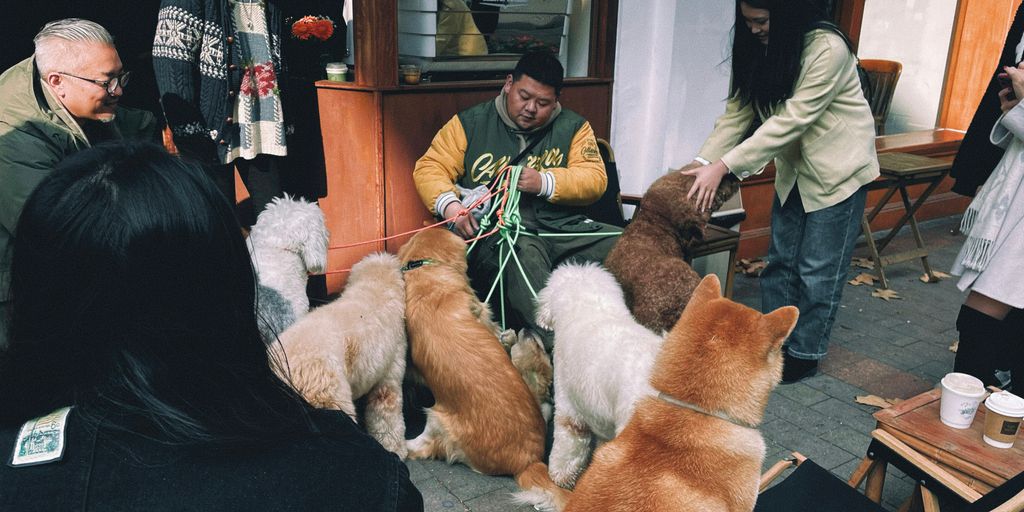
Life gets hectic, and finding dedicated time for dog training can feel like a chore. But what if you could weave training into your everyday life without adding extra hours to your day? It’s totally doable. The trick is to make every moment count, turning ordinary interactions into learning opportunities. Think of your daily routine as a built-in training program.
Short, Frequent Training Bursts
Forget hour-long sessions that you’ll never get to. Dogs, especially, do better with short, focused bursts of training. Aim for 5-minute intervals a few times a day. This keeps them engaged and prevents boredom or frustration. It’s all about quality over quantity, making sure your dog is still having fun and eager for the next session.
Leverage Everyday Moments
Every interaction is a chance to practice. Waiting for your dog to go outside? Ask for a ‘sit’ first. Getting ready to leave the house? Practice a ‘stay’ by the door. These small moments add up, reinforcing good behavior without needing a formal training class. You can even make walks more productive by practicing commands like ‘heel’ or ‘wait’ during your daily walk.
Utilize Mealtimes for Practice
Your dog’s food is a powerful motivator. Instead of just dumping their food in a bowl, use it for training. Have your dog perform a ‘sit’ or ‘down’ before you give them their meal. You can even divide their food into smaller portions and use each piece as a reward for a correct response. This turns a daily necessity into a consistent training opportunity.
Mastering Time-Efficient Training Techniques
When you’re juggling a million things, training your dog might seem like another chore you don’t have time for. But it doesn’t have to be a huge time commitment. The trick is to make every interaction count and focus on what really matters.
Focus on Presence and Calmness
This is a big one. Instead of rushing through exercises, try to slow down and be present with your dog. Think about your own energy – are you stressed and hurried, or are you calm and focused? Your dog picks up on that. Even simple things, like asking your dog to stay in their bed while you make coffee, can be a training moment. It teaches them that calmness gets them what they want. It might sound simple, but this mental work is surprisingly tiring for dogs, often more so than a long walk. It’s about teaching them to yield to the moment, which is a valuable skill for them to learn.
Make Every Interaction a Learning Opportunity
Seriously, any time you interact with your dog is a chance to reinforce good behavior or teach something new. Waiting for them to go outside? Ask for a ‘sit’ first. Getting their food ready? Have them ‘stay’ on their mat. These aren’t separate training sessions; they’re just part of your day. It’s about building a consistent communication system. You can find some great tips on integrating training into your daily life on the AKC website.
Mental Work Over Physical Exertion
We often think training means lots of physical activity, but for busy owners, mental stimulation is often more efficient and just as effective. Puzzles, scent games, or even just practicing impulse control exercises like ‘stay’ can tire your dog out much faster than a game of fetch. A mentally tired dog is usually a well-behaved dog. It’s about quality over quantity when it comes to training time.
Remember, your dog lives in years, not months. Making time for focused, present interactions, even short ones, builds a stronger bond and a more fulfilled dog, making your schedule feel more manageable.
Choosing the Right Rewards for Busy Schedules
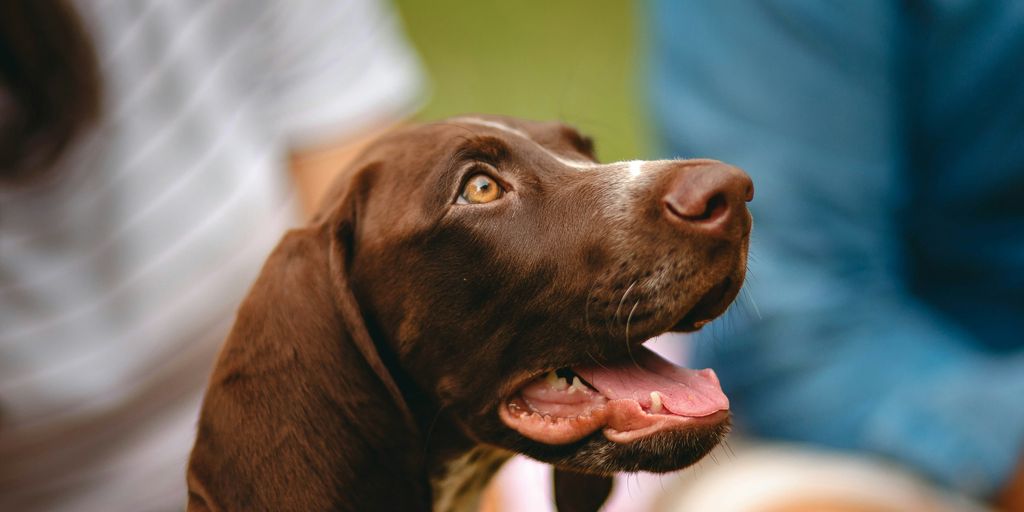
When you’re short on time, the rewards you use for training need to be quick, effective, and easy to access. Think about what really gets your dog excited. It might be a tiny piece of cheese, a special squeaky toy, or even just a good scratch behind the ears. The key is to make the reward something your dog genuinely wants and can receive instantly.
Identify Your Dog’s Motivators
Every dog is different, and what motivates one might not work for another. Spend a little time figuring out what your dog loves most. Is it food? A particular toy? Praise? Or maybe a chance to do something they enjoy, like going outside?
- Food: High-value treats like small bits of cooked chicken, cheese, or commercial training treats work well. Keep them small so you can give several without overfeeding.
- Toys: A quick game of tug with a favorite rope or a squeaky toy can be a great reward, especially for dogs who love to play.
- Affection: For some dogs, a good petting session, a belly rub, or enthusiastic praise is all the motivation they need.
- Activities: Access to a favorite activity, like going for a walk or playing in the yard, can also serve as a reward.
Beyond Food: Utilizing Play and Affection
While food is a common reward, don’t forget about other motivators. If your dog is toy-driven, a quick game of fetch or tug can be incredibly effective. For dogs who crave attention, enthusiastic praise and petting can be just as powerful as any treat. Sometimes, simply opening the door for them to go outside can be the reward for a job well done. This variety keeps training interesting and helps you adapt to different situations. You can find some great ideas for training tools and toys at dog training supplies.
Keep Rewards Accessible
To make training happen on the fly, you need to have rewards ready. Keep a few high-value treats in a small pouch on your belt or in your pocket. Have a favorite toy easily reachable by the sofa or near the door. If you use treat jars, place them in spots where you’re likely to interact with your dog, like the kitchen counter or by their food bowl. This way, you’re always prepared to reinforce good behavior, even if you only have a few seconds.
Making rewards readily available means you can seize any training opportunity that pops up. It turns everyday moments into chances to practice and reinforce good habits, making the whole process smoother for both you and your dog.
Consistency is Key for Success
Consistency is the bedrock of successful dog training, especially when you’re juggling a busy life. Dogs thrive on predictability; it helps them understand what’s expected and builds their confidence. Without it, training can become a confusing, frustrating experience for both of you.
Establish Predictable Routines
Setting up a regular schedule for feeding, potty breaks, and training sessions makes a big difference. When your dog knows what to expect and when, they feel more secure. This routine helps manage their energy levels and can even prevent some common behavioral issues that pop up when dogs are bored or anxious. Think of it like this: a consistent schedule means fewer surprises and more calm days.
Household Agreement on Training Methods
It’s super important that everyone in the house is on the same page. If one person allows the dog on the couch but another doesn’t, your dog will just get mixed signals. Make sure everyone uses the same commands and understands the training goals. This unified approach prevents confusion and speeds up learning. A quick chat about your training plan with family members or roommates can save a lot of hassle later on.
Maintain a Steady Pace
Don’t try to rush the process. Dogs learn at their own speed, and pushing them too hard can backfire. Celebrate small wins and keep training sessions short and positive. Remember, building a strong bond and good habits takes time, not just effort. It’s better to have several short, focused sessions throughout the week than one long, overwhelming one. This approach keeps training fun and manageable for everyone involved. For more on effective training cues, check out how to use commands.
Dogs are always learning, and consistency is the teacher they respond to best. Even small, regular efforts add up significantly over time, creating a well-behaved companion and a more peaceful home.
Addressing Behavioral Challenges Efficiently
When life gets hectic, it’s easy for our dogs’ behavior to slip. We’re rushing, maybe not paying as close attention as we should, and suddenly, Fido is chewing the furniture or barking at every passing car. It’s not that our dogs are being intentionally naughty; often, they’re just reacting to our own stress and lack of presence. The key to fixing these issues without adding more stress to your schedule is to slow down and be more mindful.
Problem-Solving in Small Doses
Instead of trying to tackle a big behavioral issue all at once, break it down. If your dog jumps on guests, don’t try to fix it in one long session. Instead, practice a quick "sit" when the doorbell rings, even if it’s just for a second. Reward that small success. Over time, these tiny wins add up. Think of it like this:
- Doorbell Rings: Ask for a "sit" as soon as you hear it.
- Guest Enters: Reward a calm "sit" or "down" before the dog can jump.
- Guest Sits: Reward continued calm behavior.
This approach makes the training manageable for both you and your dog. It’s about consistent, small steps rather than overwhelming efforts. Remember to keep training sessions short, maybe just five minutes, and spread them throughout the day. This makes it easier to fit into a busy schedule and keeps your dog engaged.
Calmness as a Solution
Often, a dog’s unwanted behavior stems from anxiety or over-excitement. Teaching your dog to be calm, even for short periods, can make a huge difference. This isn’t about complex commands; it’s about creating a peaceful environment. Try incorporating short periods of quiet time into your day. Just sitting together, breathing, and being present can help your dog learn to relax. This focus on calmness can be more effective than constant physical activity, especially when you’re short on time. It helps your dog learn to manage their own energy levels, which is a win-win.
Our dogs mirror our energy. If we’re always rushing and stressed, they’ll pick up on that. By consciously slowing down and being present, we teach them a different way to be. It’s about creating a shared sense of peace.
Seek Professional Help When Needed
Sometimes, despite your best efforts, a behavior problem might be too much to handle on your own. This is perfectly okay! If your dog’s behavior is causing significant stress, or if you’re not seeing progress, don’t hesitate to reach out to a qualified professional. A good trainer or behaviorist can offer personalized advice and strategies tailored to your specific situation. They can help identify the root cause of the behavior and provide a clear plan. Finding the right help is a sign of responsible pet ownership, not failure. You can find resources and trainers through organizations like the American Kennel Club. Remember, getting expert guidance can save you time and frustration in the long run.
Maximizing Quality Time with Your Dog
Bonding Through Training Activities
Training isn’t just about teaching commands; it’s a fantastic way to build a stronger connection with your dog. When you’re short on time, think about how each training moment can also be a moment of connection. Instead of just tossing a ball, try incorporating a ‘sit’ or ‘stay’ before you throw it. This turns a simple game into a mini training session that reinforces good behavior and strengthens your bond. Even short bursts of focused interaction, like practicing a new trick or reinforcing a known one, can make your dog feel seen and appreciated. It’s about the quality of the interaction, not just the quantity.
Be Present During Interactions
It’s easy to go through the motions, but try to really be there with your dog. When you’re training, put away your phone and focus solely on your dog. Pay attention to their body language, their responses, and their overall mood. Are they excited? Confused? Tired? This mindful presence helps you understand your dog better and adjust your training accordingly. It also shows your dog that they are your priority in that moment, which is incredibly important for their sense of security and your relationship. Remember, dogs live in the moment, so meeting them there is key.
Balance Training with Play
While training is important, don’t forget that play is also a vital part of your dog’s life and your relationship. Make sure to schedule in time for pure, unadulterated fun. This could be a vigorous game of fetch, a tug-of-war session, or just some relaxed cuddling on the couch. Playtime helps your dog de-stress, burn off energy, and reinforces the positive association they have with you. It’s about finding that sweet spot where training and play complement each other, making your time together both productive and enjoyable. Think of it as a partnership; you both get something out of it. For more on managing multiple dogs, check out training multiple dogs.
Want to make the most of your time with your furry friend? Spending quality moments together is super important for building a strong bond. Simple things like playing fetch or going for a walk can make a big difference. Ready to learn more fun ways to connect with your dog? Visit our website for great tips and ideas!
Keep Training Fun and Consistent
Look, we get it. Life is hectic. But remember, even a few minutes of focused training each day can make a huge difference for your dog. The key is to be present, keep it positive, and make it a regular part of your routine. Whether it’s a quick ‘sit’ before dinner or a short play session with a favorite toy, these small moments add up. Your dog will thank you for the attention, and you’ll both enjoy a stronger bond. So, don’t get discouraged if you can’t dedicate hours to training. Just make the most of the time you have, and you’ll be amazed at the progress you can make together.
Frequently Asked Questions
How short should training sessions be for a busy owner?
You can train your dog in short, 5-minute bursts throughout the day. This is much better than trying to find a whole hour. Keep it fun, and stop before your dog gets bored or tired. This makes them excited for the next training time!
What kind of rewards work best for my dog?
Think about what your dog really loves! Some dogs go crazy for tasty treats, while others would rather play with a favorite toy or get some good pets. Using what your dog loves most will make training much easier and more fun.
Does everyone in the house need to train the dog the same way?
Yes, consistency is super important! Everyone in the house should use the same words and methods for training. This helps your dog understand what you want and avoid getting confused.
How can I use my daily routine for training?
You can use everyday moments like mealtime or going outside. Ask your dog to ‘sit’ before you give them their food or let them out. Even simple things like putting on their leash can be a chance to practice being calm.
Is mental training better than physical exercise for busy owners?
Mental exercise can tire out a dog more than physical running around. Things like teaching new tricks, practicing ‘stay,’ or even puzzle toys that make them think can be great. This helps them relax and learn.
What should I do if my dog has behavior problems?
If you’re struggling with a specific behavior, like barking too much or chewing things, try to break it down. Focus on small steps and reward calm behavior. If you’re still having trouble, it’s always a good idea to ask a professional dog trainer for help.