
Training your dog to walk nicely on a leash can feel like a daunting task, especially if your furry friend has a habit of pulling. But don’t worry, with the right strategies, you can turn those chaotic walks into enjoyable strolls. In this article, we’ll explore effective methods on how to train a dog to stop pulling on the leash, ensuring both you and your pup can enjoy your time together outdoors.
Key Takeaways
- Understand why dogs pull on leashes to address the behavior effectively.
- Be consistent with your no-pulling rule to reinforce good habits.
- Use positive reinforcement to reward your dog for walking nicely.
- Incorporate life rewards to make walks more enjoyable for your dog.
- Keep training sessions short and fun to maintain your dog’s interest.
Understanding Leash Pulling Behavior
Why Dogs Pull on Leashes
Okay, so why do dogs pull on leashes? It’s not just to annoy us, I promise! There are a few main reasons. First off, think about it from their perspective: they’re excited! They want to explore, sniff all the things, and get to that interesting spot way over there. Pulling gets them there faster. It’s like a self-rewarding behavior. Also, some dogs just haven’t learned what’s expected of them on a leash. It’s our job to teach them. Here’s a quick rundown:
- Excitement about surroundings
- Desire to reach a specific spot
- Lack of training on proper leash manners
Common Mistakes Owners Make
We’re all guilty of making mistakes, especially when we’re just starting out with a new dog. One big one is letting the dog lead the walk. If you always follow where they pull you, you’re basically reinforcing the behavior. Another mistake? Inconsistency. If sometimes you let them pull and sometimes you don’t, they’re going to be confused. And finally, not using positive reinforcement enough. We tend to focus on the negative (the pulling) instead of rewarding the good behavior (walking nicely).
It’s easy to get frustrated when your dog is pulling, but remember, they’re not doing it to be difficult. They’re just being dogs! Understanding the reasons behind the pulling and avoiding common mistakes can make a huge difference in your training.
The Importance of Training
Leash training isn’t just about making walks more pleasant for you; it’s also about your dog’s safety and well-being. A dog that pulls can easily slip their collar or get into dangerous situations. Plus, a well-trained dog is a happier dog because they understand what’s expected of them. Think of it as building a stronger bond with your furry friend. It’s an investment in successful leash training that pays off big time. It makes walks enjoyable for both of you. And who doesn’t want that?
Establishing a No-Pulling Rule
It’s super important to set some ground rules if you want your dog to stop dragging you down the street. It’s not just about the walk itself, but about creating a consistent expectation for your dog. Think of it as teaching them a new language – they need to understand what you want, and that means being clear and consistent.
Consistency is Key
Consistency is absolutely vital. If you sometimes let your dog pull, even just a little, you’re confusing them. They won’t understand why it’s okay sometimes but not others. It’s like telling a kid they can have candy before dinner on Tuesdays, but then getting mad when they ask for it on Wednesday. It just doesn’t make sense to them. Make sure everyone who walks your dog is on the same page. This includes family members, friends, or dog walkers. If everyone isn’t following the same rules, your dog will get mixed signals, and training progress will be slow, if any.
When to Stop Walking
One of the most effective ways to establish a no-pulling rule is to stop moving forward the instant your dog starts to pull. I know, it sounds simple, but it requires patience. The idea is that your dog learns that pulling gets them nowhere. Literally. Stand still, wait for them to stop pulling (even if it’s just for a second), and then start walking again. If they pull again, stop again. You might not get very far on your first few walks, but eventually, they’ll start to get the picture. It can be frustrating, especially if you’re in a hurry, but trust me, it’s worth it in the long run. Think of it as an investment in future, more enjoyable walks.
Setting Boundaries
Setting boundaries is about more than just stopping when they pull. It’s about defining the space where they’re allowed to be during the walk. This means keeping them close to you, not letting them dart ahead to sniff every interesting thing they see. Use the leash to gently guide them back to your side if they start to wander too far. You can also use verbal cues, like "easy" or "with me," to remind them to stay close. The goal is to create a bubble around you where your dog feels comfortable and knows what’s expected of them. It’s not about being mean or restrictive; it’s about creating a safe and predictable environment for both of you.
Establishing a no-pulling rule isn’t just about stopping the pulling; it’s about building a better relationship with your dog. It’s about teaching them to respect your leadership and to trust that you’ll guide them safely and happily on your walks together. It takes time and effort, but the rewards are well worth it.
Utilizing Positive Reinforcement Techniques
Positive reinforcement is all about rewarding your dog when they do what you want. It’s a super effective way to train, and it makes the whole process more enjoyable for both you and your furry friend. Forget about punishment; let’s focus on the good stuff!
Rewarding Good Behavior
The core of positive reinforcement is to reward your dog immediately after they exhibit the desired behavior. This helps them make a clear connection between their actions and the positive outcome. Think of it like telling them, "Yes, that’s exactly what I wanted!" It could be as simple as a "good dog!" and a pat on the head, or something more exciting like a tasty treat. The key is to be consistent and make sure the reward is something your dog truly values. If you’re looking for some dog training aids, there are many options available.
Using Treats Effectively
Treats are a fantastic tool for positive reinforcement, especially when you’re first starting out. But it’s not just about handing out treats willy-nilly. You need to use them strategically. High-value treats, like small pieces of cooked chicken or cheese, work best because they’re super motivating. Keep the treats small so your dog doesn’t get full too quickly, and always deliver the treat right after the desired behavior. For example, if your dog walks nicely on a loose leash for a few steps, immediately reward them with a treat and praise. This helps them understand what they did right. You can find a variety of dog treats online or at your local pet store.
Gradually Reducing Treats
While treats are great for initial training, you don’t want your dog to become completely reliant on them. The goal is to fade out the treats over time and replace them with other forms of reinforcement, like praise, petting, or even just a happy tone of voice. Start by rewarding every other successful behavior, then gradually increase the intervals between treats. Eventually, you can phase out the treats altogether and rely on other rewards to maintain good behavior. This helps your dog learn to walk nicely because they want to, not just because they’re expecting a treat. It’s all about building a positive association with loose-leash walking.
Incorporating Life Rewards During Walks
What Are Life Rewards?
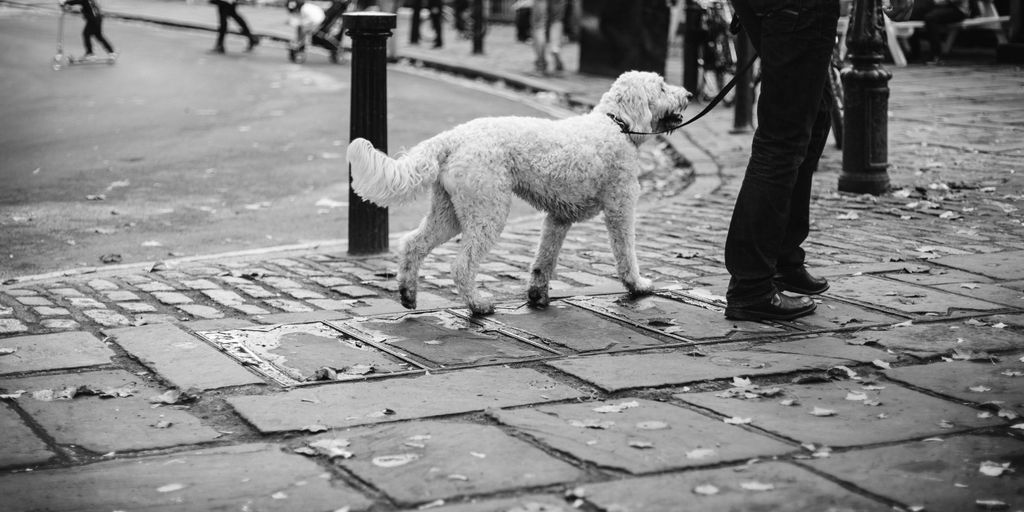
Walks shouldn’t just be about bathroom breaks; they should be enriching experiences for your dog. One way to boost training and make walks more enjoyable is to incorporate life rewards. Life rewards are everyday things your dog loves, like sniffing a fire hydrant or greeting a friendly person. It’s about using the environment to your advantage.
Examples of Life Rewards
Here are some examples of life rewards you can use during your walks:
- Sniffing: Allowing your dog to sniff a bush or a patch of grass after walking nicely for a certain distance.
- Greeting: Letting your dog greet a friendly person or another dog (with permission, of course) after maintaining a loose leash.
- Exploring: Giving your dog the chance to explore a new area or object after walking politely.
- Playing: A quick game of fetch or tug-of-war in a safe area as a reward for good behavior.
Timing Your Rewards
Timing is everything when it comes to life rewards. The reward should immediately follow the desired behavior. For example, if your dog walks 10 feet without pulling, release them to sniff for a few minutes. This helps them associate puppy leash training with positive outcomes. Bonus rewards like that will truly convince your dog that walking politely pays off.
Think of life rewards as bonus points for good behavior. They make training more fun and engaging for your dog, and they help to strengthen the bond between you.
Practicing Loose Leash Walking
Waiting for a Loose Leash
If your dog is pulling, the first thing you need to do is stop. Just stop walking. This might seem counterintuitive, but it’s a really effective way to communicate that pulling gets them nowhere. Don’t yank the leash or say anything, just stand still. The moment you feel the leash slacken, even a little, that’s your cue to proceed. This teaches your dog that a taut leash means no forward movement.
How to Start Walking Again
Once the leash is loose, take a step forward. If your dog starts to pull again, stop immediately. Repeat this process as many times as necessary. It can be frustrating at first, especially if you’re only moving a few feet at a time. But with consistency, your dog will start to understand that they only move forward when the leash is loose. Remember to use a verbal cue like "Let’s go!" to signal the start of the walk.
Maintaining Focus on You
Keeping your dog’s attention on you during walks is key to preventing pulling. Here are a few tips:
- Use high-value treats to reward them for staying by your side.
- Change directions frequently to keep them guessing.
- Incorporate fun games into your walks, like asking them to sit or stay.
Walks should be enjoyable for both you and your dog. By making training fun and engaging, you’re more likely to see positive results. Remember, patience is key. It takes time and consistency to train a dog to walk nicely on a leash. Don’t get discouraged if you don’t see results immediately. Keep practicing, and eventually, your dog will get the hang of it. You can also incorporate life rewards on your walk.
Keeping Training Sessions Engaging
It’s easy for both you and your dog to get bored if training becomes repetitive. The key is to keep things fresh and exciting so your dog remains focused and motivated. Let’s explore some ways to make your training sessions something your dog looks forward to.
Short and Fun Sessions
Keep training sessions short and sweet. Aim for 5-10 minutes at a time. This helps maintain your dog’s attention and prevents them from getting overwhelmed or bored. End each session on a positive note, with a command they know well, so they feel successful. Think of it like a fun game, not a chore. If you notice your dog losing interest, wrap it up immediately and try again later. Remember, quality over quantity is key here. A focused five minutes is far more effective than a dragging twenty.
Mixing Up Locations
Training in the same spot can become monotonous. Change up your training locations to keep things interesting. Start in a low-distraction environment like your living room, then move to the backyard, and eventually to a park or quiet street. Each new location presents new challenges and opportunities for your dog to learn to focus on you amidst distractions. This also helps generalize their training, so they understand that commands apply everywhere, not just in one specific place. Remember to adjust the difficulty based on the environment; start with simple commands in new locations and gradually increase the complexity.
Using Play as a Reward
Treats are great, but play can be an even more powerful motivator for some dogs. Incorporate play into your training sessions as a reward for good behavior. A quick game of fetch, a tug-of-war session, or even just a few seconds of enthusiastic praise and petting can be incredibly rewarding. Experiment to see what motivates your dog the most. This not only makes training more fun but also strengthens the bond between you and your furry friend. Plus, it’s a great way to burn off some extra energy! Remember to keep the play sessions short and controlled, so your dog doesn’t get too overstimulated. You can even use a favorite barking dog toy as a reward.
Choosing the Right Equipment for Training
Choosing the right gear can really impact your dog’s leash manners. It’s not just about control; it’s about comfort and communication. Let’s break down some options.
Types of Leashes and Collars
- Standard Leashes: A basic, six-foot leash is a great starting point. They’re simple and effective for everyday walks. You can find them in nylon or leather, but make sure the leash is durable enough for your dog’s size and strength.
- Retractable Leashes: These offer more freedom, but they can also encourage pulling if not used correctly. They’re better suited for well-trained dogs in open areas. Always use with caution.
- Flat Collars: These are fine for ID tags, but they can put pressure on the neck if your dog pulls. Make sure it fits snugly, but you should still be able to slip two fingers underneath.
- Harnesses: A good alternative to collars, especially for breeds prone to neck issues. They distribute pressure across the chest, reducing strain. Front-clip harnesses can be particularly helpful for managing pulling.
Benefits of No-Pull Harnesses
No-pull harnesses are designed to discourage pulling without causing pain or discomfort. They typically work by redirecting your dog’s movement when they pull, making it harder for them to move forward.
Here’s why they’re popular:
- Reduced Strain: They minimize pressure on the neck, which is especially important for small breeds or dogs with tracheal problems.
- Better Control: They give you more control over your dog’s direction, making walks more manageable.
- Training Aid: They can help teach your dog not to pull by making it less rewarding.
Using a no-pull harness can be a game-changer, but it’s not a magic bullet. It’s important to pair it with consistent training to achieve long-term results. Remember, the goal is to teach your dog to walk nicely on a loose leash, not just to prevent them from pulling.
Adjusting Equipment for Comfort
Fit is everything! Ill-fitting equipment can cause discomfort, chafing, and even injury. Here’s how to make sure your gear fits properly:
- Collars: Ensure you can slip two fingers comfortably between the collar and your dog’s neck. It shouldn’t be so loose that it slides off over their head.
- Harnesses: Follow the manufacturer’s instructions for adjusting the straps. The harness should fit snugly around the chest and shoulders without restricting movement. Check for chafing after each walk, especially in the armpit area.
- Leashes: The length of the leash should allow your dog some freedom to explore, but not so much that they can get into trouble. A six-foot leash is generally a good starting point.
Ultimately, the best equipment is what works best for you and your dog. Experiment with different options and don’t be afraid to ask a professional trainer for advice.
When it comes to training your dog, picking the right tools is super important. You want to make sure you have everything you need to help your furry friend learn and grow. Think about what kind of training you want to do and choose equipment that fits those needs. Whether it’s a comfy leash, tasty treats, or fun toys, the right gear can make a big difference. Ready to find the best training equipment for your dog? Visit our website for more tips and resources!
Wrapping It Up
Training your dog to stop pulling on the leash takes time and patience, but it’s totally doable. Stick to the basics: reward good behavior, be consistent, and keep your training sessions short and fun. Remember, every dog learns at their own pace, so don’t get discouraged if progress seems slow. Celebrate the small wins, like walking a few steps without pulling. With persistence and the right approach, you’ll both enjoy your walks much more. So grab those treats, stay calm, and get ready to hit the pavement together!
Frequently Asked Questions
Why does my dog pull on the leash?
Dogs often pull on the leash because they are excited to explore their surroundings or want to get to a specific spot quickly. It’s a natural behavior for them.
What should I do if my dog pulls while walking?
If your dog pulls, stop walking immediately. Wait until the leash is loose before you start walking again. This teaches your dog that pulling won’t get them what they want.
How can I reward my dog for good leash behavior?
You can reward your dog with treats, praise, or letting them sniff something interesting when they walk nicely on the leash. This encourages them to keep behaving well.
What are life rewards?
Life rewards are everyday things your dog enjoys, like sniffing a tree or greeting another dog. You can use these as rewards during walks to make them more enjoyable.
How long should my training sessions be?
Keep training sessions short and fun, around 5 to 10 minutes. This helps keep your dog engaged and makes learning easier for both of you.
What type of leash or collar is best for training?
A front-clip harness or a head collar can help prevent pulling. These tools give you better control and can make it easier to train your dog to walk nicely on the leash.