
Getting your puppy used to car rides can feel like a big deal, but it doesn’t have to be a headache. With some simple steps and a bit of patience, you can help your furry friend become a happy traveler. This guide will walk you through how to train a puppy to travel in a car, making sure they’re safe and actually enjoy the journey, whether it’s a quick trip to the park or a longer adventure.
Key Takeaways
- Start car training early to help your puppy feel good about vehicles.
- Always use proper safety gear, like a crate or harness, to keep your puppy secure.
- Make car experiences fun and positive right from the start with treats and praise.
- Slowly get your puppy used to the car, from just sitting inside to short drives.
- Stay calm and positive yourself, as your puppy can pick up on your feelings.
Understanding Puppy Car Anxiety
It’s pretty common for puppies to get anxious in the car. Think about it – they’re in a moving metal box, often without understanding where they’re going. It’s our job to help them feel safe and secure during car rides. Let’s look at why this happens and what we can do about it.
Recognizing Signs of Distress
First things first, you need to know how to tell if your puppy is actually anxious. It’s not always obvious! Some signs are clear, like whining, barking, or trying to escape their crate or seat. But others are more subtle. Look for:
- Excessive panting (even when it’s not hot)
- Drooling
- Lip licking or yawning (when they’re not tired)
- Trembling or shaking
- A tucked tail
If you see any of these, your puppy is likely stressed and you should take steps to calm them down. It’s important to recognize these early signs so you can address the anxiety before it escalates.
The Impact of Negative Associations
Think about it from your puppy’s perspective. If the only time they get in the car is to go to the vet for shots, they’re going to associate the car with something unpleasant. These negative associations can build up quickly, making car rides a source of major anxiety. It’s like when you associate a certain smell with a bad memory – the car becomes a trigger. This is why it’s so important to create positive experiences early on. Counterconditioning helps with this.
Why Early Exposure Matters
Just like with socialization to other dogs and people, early exposure to car rides is key. The earlier you start getting your puppy used to the car, the better. Puppies are more adaptable when they’re young, so introducing them to car travel before they develop strong fears can make a huge difference. It’s all about making the car a normal, non-scary part of their world.
Think of it like teaching a child to swim. The earlier they start, the less likely they are to develop a fear of the water. The same goes for car rides. Start slow, keep it positive, and your puppy will be much more likely to become a happy traveler.
Prioritizing Safety During Car Travel
Okay, so you’re ready to hit the road with your puppy! Awesome. But before you even think about turning the key, let’s talk safety. This isn’t just about keeping your pup safe – it’s about keeping you, your passengers, and everyone else on the road safe too. A loose puppy in a car can be a major distraction, and in the event of an accident, they could get seriously hurt, or even cause further injury. So, let’s get this right from the start.
The Importance of Proper Restraint
Think of it like this: you wouldn’t drive without your seatbelt, right? The same goes for your puppy. Letting them roam free in the car is a recipe for disaster. They could jump into the front seat, get under your feet, or even try to climb out the window. Proper restraint keeps them in a safe spot and minimizes distractions. Plus, it’s the law in some places! It’s really important to find the best dog harness for your puppy.
Choosing the Right Travel Gear
There are a few options when it comes to restraining your puppy in the car:
- Dog Car Seats: These are great for smaller breeds and provide a secure, comfortable space. Look for ones with tethers that attach to the seatbelt.
- Dog Harnesses with Seatbelt Attachments: These harnesses clip directly into your car’s seatbelt, keeping your puppy secure. Make sure the harness is crash-tested for maximum protection.
- Travel Crates: If your puppy is already crate-trained, a travel crate is a good option. Secure the crate in the car so it doesn’t slide around.
I personally prefer a harness with a seatbelt attachment. It gives my dog a little more freedom to move around than a crate, but still keeps him safely restrained. Just make sure you get the right size and adjust it properly!
Avoiding Dangerous Habits
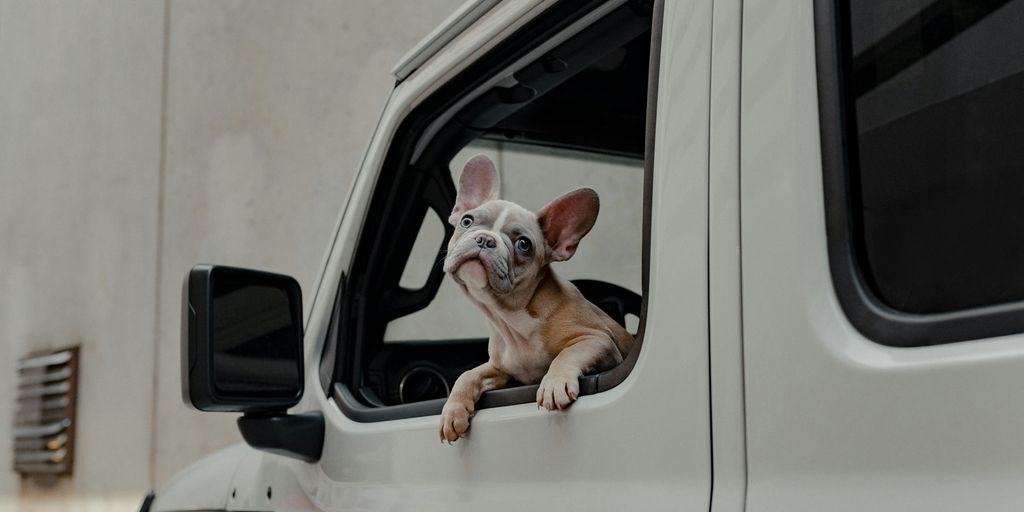
It might look cute to see a dog hanging its head out the window, but it’s super dangerous. Debris can fly into their eyes, and they could even jump out. Also, never, ever drive with your puppy in your lap. It’s distracting and puts them at risk. Here are some habits to avoid:
- Letting your puppy ride in the front seat.
- Allowing your puppy to hang out the window.
- Leaving your puppy unattended in a hot car – even for a few minutes. The temperature inside a car can rise rapidly, even on a mild day, leading to heatstroke. It’s just not worth the risk.
Introducing Your Puppy to the Car
It’s time to get your puppy acquainted with the car! This stage is all about creating positive associations and making the car a safe, inviting space. We want to avoid any negative experiences that could lead to car anxiety down the road. Remember, patience is key here. Don’t rush the process; let your puppy explore at their own pace.
Creating Positive First Impressions
First impressions matter a lot! Make the initial introduction to the car fun and stress-free. Start by simply letting your puppy sniff around the outside of the car. Use a happy, encouraging tone of voice and offer plenty of treats. You can even toss a few treats near the car to encourage them to approach it willingly. The goal is to make them think, "Hey, this car thing isn’t so bad after all!" Avoid forcing your puppy near the car if they seem scared or hesitant. Let them approach it on their own terms. This early puppy socialization is important.
Starting with a Stationary Vehicle
Before you even think about turning on the engine, let your puppy explore the inside of the car while it’s parked. Open all the doors to make it feel less enclosed and more inviting. Place some of their favorite toys or a comfy blanket inside. Encourage them to jump in and explore, rewarding them with treats and praise when they do. Make sure the car is parked in a safe location where they can’t accidentally run into traffic if they get spooked.
Making the Car a Happy Place
Transform the car into a haven of positive experiences. This means associating it with things your puppy loves. Bring high-value treats, favorite toys, and maybe even a special chew toy that they only get in the car. You can also try feeding them their meals in the car (with the engine off, of course!). The idea is to create a strong association between the car and good things. If your puppy is hesitant, start by feeding them just outside the car and gradually move the food bowl further inside as they become more comfortable. It’s all about building confidence and making the car a place they actually want to be. It’s also helpful to have training treats available.
Gradual Desensitization Techniques
Feeding Meals in the Car
Okay, so you’ve made the car a somewhat okay place. Now, let’s make it even better by associating it with something your puppy loves: food! Start by feeding your puppy their regular meals in the car. The goal here is to create a positive association with the vehicle.
- Begin with the engine off. No need to overwhelm them right away.
- If your pup is hesitant, leave the doors open. Make it easy for them to come and go.
- As they get more comfortable, gradually close the doors. Eventually, they should be happy eating with all the doors closed.
Acclimating to the Engine Running
Once your puppy is happily munching away in the stationary car, it’s time to introduce the engine. This can be a bit scary for some pups, so take it slow. Have someone start the engine while you praise your dog and reward calm behavior with treats. Leave the engine running for a little while, constantly praising the dog. Take as long as necessary and as many sessions as necessary for the dog to get used to this. Once he is comfortable with the engine running, try reversing out of the driveway and then driving back in again. If your dog is showing signs of anxiety, take a step back and repeat the previous steps until they are completely relaxed. Remember, patience is key. If you need to consider Chill Paws Pet CBD Oil to help calm your dog, that is an option.
Short, Positive Pleasure Trips
Now for the fun part! Once your puppy is calm with the engine running, it’s time for short trips. But not just any trips – pleasure trips! Think of destinations your puppy will love, like the dog park or a nearby trail for a walk. The destination acts as an additional reward that makes a trip in the car worthwhile. Keep these initial trips very short, just a few minutes at first, and gradually increase the duration as your puppy gets more comfortable.
The key here is to make the car a predictor of good things. If every car ride ends with a fun activity, your puppy will start to associate the car with positive experiences, reducing anxiety and making travel a breeze.
Effective Training Strategies for Car Calmness
Teaching the ‘Sit’ Command in the Car
So, you want your pup to chill in the car? Start with the basics! The ‘sit’ command is your best friend. First, get your puppy comfortable just being in the car. No engine, no movement. Just hanging out. Use a treat to lure them into a sit. Once they’re sitting, shower them with praise and give them the treat. Repeat this a bunch of times.
Make sure you’re patient. It might take a few tries, or a few sessions, before they get it. Don’t rush it. The goal is to make the car a positive place, not a stressful one.
Once they’re reliably sitting in the car, you can start adding distractions. Maybe turn on the radio quietly, or have someone walk around outside the car. Keep rewarding them for staying in the sit position. This helps them learn to focus on you, even when there’s stuff going on around them. You can also teach ‘sit’ method outside the car, then transfer the skill inside.
Rewarding Calm Behavior Consistently
Consistency is key! Every time your puppy is calm in the car, reward them. This doesn’t always have to be with treats. Sometimes, a simple "good boy/girl" and a scratch behind the ears is enough. The important thing is that they know you’re happy with their behavior.
Here’s a few things to keep in mind:
- Timing is everything: Reward them while they’re being calm, not after they’ve already started getting restless.
- Vary the rewards: Use a mix of treats, praise, and toys to keep them interested.
- Be patient: It takes time for them to learn what you want. Don’t get discouraged if they don’t get it right away.
Practicing Self-Control in Motion
Okay, now for the tricky part: getting them to be calm while the car is actually moving. Start small. Really small. Like, just backing out of the driveway and then pulling back in. Reward them for staying calm during that tiny trip. Gradually increase the length of the trips as they get better at staying calm.
It’s also a good idea to practice other self-control exercises outside of the car. Things like
Addressing Common Travel Challenges
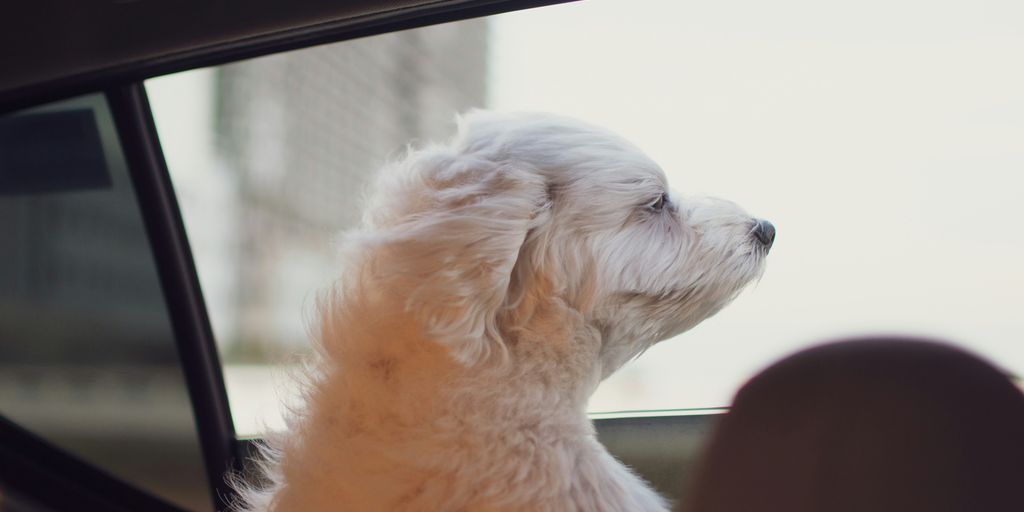
Traveling with a puppy isn’t always smooth sailing. You might run into a few bumps in the road, but don’t worry, most of these can be managed with a little patience and the right approach. Let’s look at some common issues and how to tackle them.
Managing Motion Sickness
Motion sickness is a real bummer for some pups. It can make them dread car rides, and nobody wants that. If your puppy is drooling excessively, yawning a lot, or even vomiting, motion sickness could be the culprit.
Here’s what you can do:
- Talk to your vet: They might suggest medication or other remedies.
- Adjust their position: Sometimes, facing forward or being able to see out the window helps.
- Keep the car cool and well-ventilated: Fresh air can make a big difference.
My friend Sarah’s golden retriever used to get terribly carsick. She started giving him ginger snaps before car rides (vet approved, of course!), and it seemed to help settle his stomach. It’s worth exploring different options to find what works best for your pup.
Preventing Excessive Barking
Barking in the car can be super distracting and annoying, especially on long trips. It could be due to excitement, anxiety, or just plain boredom. To address this, try:
- Identifying the trigger: Is it other cars, people, or just the motion?
- Using a crate or carrier: This can provide a sense of security and limit visual stimuli.
- Providing distractions: Toys, chews, or even a stuffed Kong can keep them occupied.
- Ignoring the barking: If it’s attention-seeking, don’t give in. Only reward quiet behavior.
Handling Restlessness and Escaping
Some puppies just can’t seem to settle down in the car. They might try to climb all over the seats, escape their restraints, or generally be a nuisance. Proper restraint is key here, not just for your sanity, but for their safety. A good harness or carrier is a must. Also:
- Make sure they’re tired: A good play session before a car ride can help burn off excess energy.
- Take frequent breaks: Let them stretch their legs and relieve themselves.
- Use positive reinforcement: Reward calm behavior with treats and praise. Consider teaching your dog some additional skills to make your experiences better for you both! pet friendly activities can be a great way to bond with your dog and make car rides more enjoyable.
Maintaining a Positive Travel Experience
It’s easy to get caught up in the logistics of traveling with a puppy, but remember that their experience matters just as much as yours. The goal is to make car rides a positive and enjoyable part of their life, not something they dread. A few simple guidelines can help ensure your puppy associates car travel with good things.
Avoiding Unnecessary Stressful Journeys
Think twice before taking your puppy on long or complicated trips, especially when they’re still learning to love the car. Short, fun outings are much better for building positive associations. If you only use the car for vet visits, your puppy will quickly learn to fear it. Instead, try driving to a nearby park for a walk or a friend’s house for a playdate. The idea is to mix in plenty of enjoyable destinations so the car doesn’t always equal stress.
Never Forcing Your Puppy Inside
Forcing a scared puppy into the car is a surefire way to create negative associations. It might seem like the quickest solution in the moment, but it can backfire in the long run. Instead, be patient and use positive reinforcement. Lure them in with treats, toys, or praise. If they’re hesitant, start by just getting them comfortable near the car, then gradually encourage them to step inside on their own.
Refraining from Punishment
Never punish your puppy for being anxious or restless in the car. Yelling or scolding will only make them more fearful and worsen their anxiety. Instead, focus on rewarding calm behavior. If they start to whine or fidget, try redirecting their attention with a toy or a gentle voice. Remember, patience and positive reinforcement are key to safe car travel with your puppy.
Making sure your trips are always fun and easy is super important. It’s all about planning smart and knowing what to do if things get a little bumpy. Want to learn more simple tricks to keep your travels happy and stress-free? Check out our full guide on how to choose the best dog training course for even more helpful advice!
Wrapping Things Up: Happy Travels Ahead!
So, there you have it. Getting your puppy used to car rides doesn’t have to be a big headache. It’s really about taking things slow, making sure they feel safe, and keeping it fun. Think about it: a calm puppy in the car means less stress for everyone. No more worrying about messes or a dog freaking out in the back seat. Just a happy pup, ready for whatever adventure you throw their way. With a little bit of work, those car trips will be something you both look forward to, not dread. It’s totally worth the effort, trust me.
Frequently Asked Questions
What if my puppy gets carsick?
If your puppy gets carsick, try not to feed them a big meal right before a trip. Keep the car cool and well-aired. You can also talk to your vet about special treats or medicines that help with motion sickness.
How can I stop my puppy from barking too much in the car?
To stop barking, make sure your puppy is comfortable and not scared. Give them a favorite toy or a chew. If they still bark, ignore it at first, then reward them when they are quiet. If it’s really bad, you might need help from a dog trainer.
Why is my puppy restless in the car, and what can I do?
A puppy might be restless if they’re bored, scared, or need to go to the bathroom. Make sure they’ve had a potty break and some playtime before the ride. Bring a comfy bed or blanket and a favorite toy to keep them busy.
When is the best time to start car training for a puppy?
It’s best to start getting your puppy used to the car when they are young, around 8-12 weeks old. This helps them see car rides as a normal and fun part of life.
Is it really important to use a special car seat or harness for my puppy?
Absolutely! A secure crate or a special car harness that connects to the seatbelt is the safest way to travel. This keeps your puppy from getting hurt if you stop suddenly and stops them from distracting you while you drive.
How do I make car rides fun for my puppy instead of scary?
Start with very short trips, like just around the block, and make them fun! Go to a park, a friend’s house, or somewhere your puppy loves. This helps them connect car rides with good experiences.