
Bringing a new puppy into an apartment can be a bit tricky. You’ve got less space, and things like potty training or managing energy can feel like a big puzzle. But don’t worry! This guide is here to help you figure it all out, making puppy training for apartment living a smooth ride for both you and your new furry friend.
Key Takeaways
- Pick a dog breed that fits well with apartment life, thinking about how much energy they have and if they bark a lot.
- Set up your home to be safe and comfy for your puppy, with a special spot for them to sleep and play.
- Get a good potty plan in place, starting with a specific spot inside and slowly moving to outside trips.
- Teach your puppy basic commands and use a crate to help them feel secure and learn good habits.
- Make sure your puppy gets enough exercise and fun mental games, even if you’re mostly staying indoors.
Choosing the Right Puppy for Apartment Living
Selecting Apartment-Friendly Breeds
Okay, so you’re thinking about getting a puppy for your apartment? Awesome! But hold up – not all pups are created equal when it comes to apartment life. Some breeds just thrive in smaller spaces, while others… well, not so much. Think about it: a massive, high-energy dog in a tiny studio? Probably not the best fit. Consider breeds known for being adaptable and relatively calm indoors. For example, smaller breeds like Cavalier King Charles Spaniels or French Bulldogs can do really well. Even some medium-sized dogs, like American Eskimo Dogs, can adapt if they get enough exercise. Do your homework and research breeds that are known to be happy in apartments.
Considering Energy Levels and Barking Tendencies
Energy levels are a HUGE deal. A super energetic puppy needs a lot of exercise, and if you can’t provide that, you’re going to have a restless, destructive, and probably noisy dog. And let’s talk about barking. Apartment living means neighbors, and nobody wants to live next to a dog that barks all day. Some breeds are just naturally more vocal than others. Before you commit, find out about the breed’s typical energy level and barking habits. A quieter, lower-energy dog will make apartment life much easier for both of you. Here’s a few things to consider:
- How much time can you realistically dedicate to daily walks and playtime?
- Are you prepared to deal with potential noise complaints?
- Can you provide enough mental stimulation to prevent boredom-related barking?
Understanding Breed-Specific Needs
Every breed is different, and they all come with their own set of needs. Some breeds need a lot of grooming, others need a lot of mental stimulation, and some have specific health issues to watch out for. Before you fall in love with a cute face, take the time to understand what that breed really needs to be happy and healthy. For example, some breeds are prone to separation anxiety, which can be a nightmare in an apartment setting. Others might need a special diet or have joint problems that make stairs difficult. Knowing these things upfront can save you a lot of heartache (and money) down the road.
Choosing the right breed is the first step to a happy apartment life with your new puppy. It’s not just about finding a cute dog; it’s about finding a dog that’s a good fit for your lifestyle and living situation. Take your time, do your research, and be honest with yourself about what you can realistically provide. Your future self (and your neighbors) will thank you!
Setting Up Your Apartment for Puppy Success
Bringing a puppy into your apartment is super exciting, but it’s not quite as simple as just opening the door and letting them run wild. You need to prep your space to make sure your new furry friend is safe, comfortable, and less likely to get into trouble. Think of it as baby-proofing, but for a creature with four legs and a love for chewing.
Creating Safe and Defined Spaces
First things first, designate specific areas for your puppy. This helps them understand where they’re supposed to eat, sleep, and play. A crate is a great idea, even if you don’t plan on using it all the time. It can be their safe haven, a place they can retreat to when they’re feeling overwhelmed or just need some alone time. You’ll also want a designated potty area, especially if you’re on a high floor and can’t easily run outside. More on that later.
Puppy-Proofing Your Living Area
Okay, time to get down on your hands and knees and see the world from a puppy’s perspective. What looks tempting? What could be dangerous? Electrical cords are a big one – tape them down, cover them up, or use cord protectors. Anything toxic, like cleaning supplies or medications, needs to be locked away. Small objects that could be swallowed should be removed. Think about your plants, too – some are poisonous to dogs. Basically, if you don’t want your puppy to eat it, chew it, or get tangled in it, put it out of reach. It’s also a good idea to use puppy gates to restrict access to certain areas, like stairs or rooms with valuable items.
Establishing a Cozy Sleep Spot
Your puppy needs a comfortable and secure place to sleep. This could be a crate, a dog bed, or even just a cozy corner with a blanket. The key is to make it feel like their own special space. Make sure it’s away from drafts and high-traffic areas. You might want to put a few of their favorite toys in there to make it even more inviting. Don’t force them to go in there, let them discover it on their own. You want them to associate it with positive feelings, not punishment. A good dog bed is an investment in your puppy’s well-being.
Setting up your apartment properly before your puppy arrives can save you a lot of headaches down the road. It’s all about creating a safe, comfortable, and predictable environment where your puppy can thrive. A little preparation goes a long way in making the transition smoother for both of you.
Mastering Potty Training in an Apartment
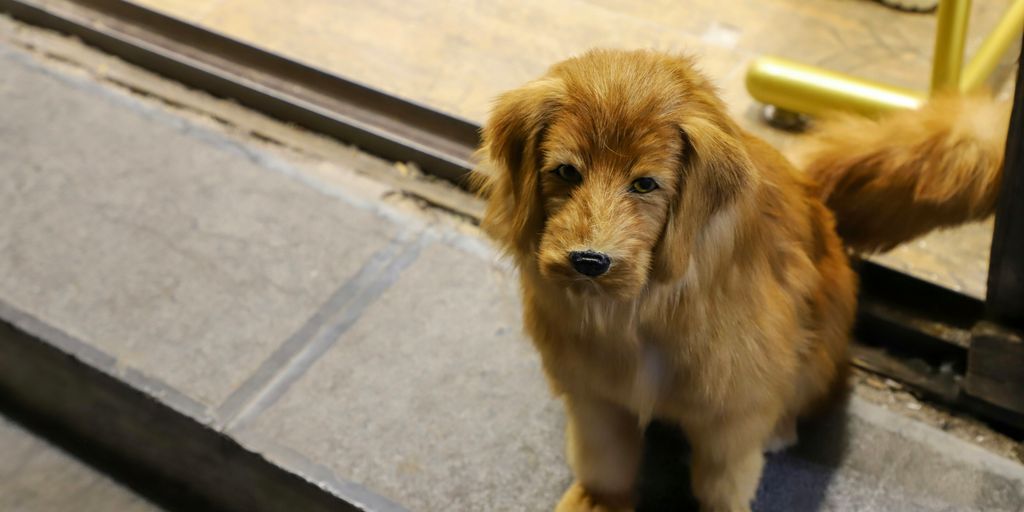
Potty training is a big deal when you live in an apartment with a puppy. It requires a bit more planning and consistency than if you had a backyard. But don’t worry, it’s totally doable! The key is to be proactive and understand your puppy’s needs.
Setting Up an Appropriate Potty Spot
Since your puppy can’t immediately go outside until fully vaccinated, setting up an indoor potty spot is crucial. This could be a real grass patch in a tray on your balcony or inside near the door. The goal is to mimic the feel of grass to make the transition to outdoor potty breaks easier later on. Make sure it’s a designated, private area that your puppy can easily access. This helps them understand where they’re supposed to go.
Establishing a Consistent Potty Schedule
Consistency is key! Puppies have small bladders and need to go out frequently. A good rule of thumb is to take your puppy out every 2-3 hours, especially after waking up, after meals, and after playtime.
Here’s a sample schedule:
| Time | Activity |
|---|---|
| 7:00 AM | Wake up, potty break |
| 8:00 AM | Breakfast |
| 8:30 AM | Potty break |
| 10:00 AM | Potty break |
| 12:00 PM | Lunch, potty break |
| … | … |
Remember, puppies can only hold their bladders for about one hour per month of age. So, a three-month-old puppy needs to go out every three hours. Adjust the schedule as your puppy grows and their bladder control improves.
Transitioning to Outdoor Potty Breaks
Once your vet gives the all-clear, you can start transitioning to outdoor potty breaks. Choose a specific spot outside your apartment building and always take your puppy there. This helps them associate that area with going potty.
Here are some tips for a smooth transition:
- Start by taking them to the outdoor spot immediately after they use the indoor potty spot.
- Use a verbal cue like "go potty" when you’re outside.
- Reward them immediately with praise and a treat when they go potty outside. This reinforces the desired behavior. Don’t forget to bring training treats with you!
- Be patient! It may take some time for your puppy to adjust to the new routine.
Always be prepared with a "clean-up bag" containing poop bags, paper towels, and an enzymatic cleaner. Accidents happen, and it’s important to clean them up immediately to prevent your puppy from developing bad habits. Cleaning up accidents right away also helps maintain a clean and sanitary environment for you and your neighbors.
Essential Training Techniques for Apartment Puppies
Implementing Crate Training Effectively
Crate training is super important, especially in an apartment. It gives your puppy a safe space and helps with potty training. Don’t think of the crate as a punishment; instead, make it a cozy den. Here’s how:
- Introduce the crate slowly with treats and toys.
- Feed your puppy meals inside the crate to create positive associations.
- Gradually increase the time your puppy spends in the crate.
A good tip is to leave the crate door open when you’re home so your puppy can go in and out as they please. This helps them see it as their own little room, not a jail cell.
Teaching Basic Obedience Commands
Basic obedience is key for apartment living. A well-behaved puppy is a happy puppy (and a happy neighbor!). Focus on these commands:
- Sit: Use a treat to lure your puppy into a sitting position, saying "Sit" as they do.
- Stay: Have your puppy sit, then say "Stay" and hold your hand up. Start with short durations and gradually increase the time.
- Come: Use a cheerful voice and say "Come," rewarding your puppy when they come to you.
Reinforcing Desired Behaviors Consistently
Consistency is the name of the game. If you want your puppy to learn good habits, you need to reinforce them every single time. Here’s how to do it right:
- Use positive reinforcement: Reward good behavior with treats, praise, or toys.
- Be consistent with your commands: Use the same words and hand signals every time.
- Avoid punishment: Punishment can create fear and anxiety, making training harder. Instead, focus on rewarding the behaviors you want to see. For example, if you are potty training, reward them when they go outside.
Managing Exercise and Mental Stimulation Indoors
Apartment living doesn’t mean your puppy has to be a couch potato! It just means you need to get creative with how you provide exercise and mental stimulation. A bored puppy is often a destructive puppy, so keeping them engaged is key to a happy life together.
Providing Daily Physical Activity
Just because you don’t have a yard doesn’t mean your puppy can’t get their zoomies out. Short, frequent play sessions are your friend. Think fetch in the hallway (if your neighbors are cool with it!), tug-of-war, or even chasing a laser pointer (use with caution, some dogs can get overly fixated).
Here are some ideas:
- Indoor Agility Course: Use pillows, blankets, and furniture to create a mini-obstacle course. Guide your puppy through it with treats and praise. This is a great way to provide winter dog training when it’s cold outside.
- Stair Workouts: If you have stairs in your apartment building (and your vet approves), use them for short, controlled walks up and down. This is a great way to build muscle, but always supervise closely.
- Treadmill Training: For high-energy breeds, a dog-specific treadmill can be a lifesaver. Start slow and gradually increase the speed and duration. Always supervise your puppy on the treadmill.
Engaging in Mental Enrichment Games
A tired mind is just as important as a tired body. Mental stimulation can help prevent boredom and destructive behaviors. Puzzle toys are a great way to keep your puppy entertained and challenged.
Here are some options:
- Puzzle Feeders: These toys require your puppy to work for their food, stimulating their problem-solving skills.
- Snuffle Mats: Hide treats in the mat and let your puppy sniff them out. This is a great way to engage their natural foraging instincts.
- DIY Games: Get creative with household items! Hide treats under cups or in cardboard boxes and let your puppy find them.
Remember to rotate toys regularly to keep things interesting. A toy that’s always available will eventually lose its appeal.
Utilizing Indoor Training Opportunities
Training isn’t just about teaching commands; it’s also a great way to provide mental stimulation and strengthen your bond with your puppy. Use indoor time to work on basic obedience commands, tricks, or even just reinforcing good behavior. You can even practice leash training indoors before venturing outside.
Consider these training games:
Navigating Apartment Challenges with Your Puppy
Apartment living with a puppy presents unique hurdles. It’s not always easy, but with some planning, you can make it work. Let’s look at some common issues and how to handle them.
Introducing Stairs and Elevators Safely
Stairs and elevators can be scary for a young pup. Start slow and make it positive.
- Begin with just one or two steps, using treats and praise.
- For elevators, let your puppy get used to the sounds and movement before actually riding.
- Always keep your puppy on a leash in common areas.
It’s important to be patient. Some puppies will adapt quickly, while others need more time. Never force your puppy, and always end on a positive note. If your puppy is really struggling, talk to your vet or a professional trainer.
Minimizing Barking and Noise Disturbances
Barking can be a big problem in apartments. No one wants to be that neighbor.
- Figure out what’s causing the barking. Is it boredom, anxiety, or something else?
- Provide plenty of daily physical activity and mental stimulation.
- Train a "quiet" command using positive reinforcement.
- Consider using a white noise machine to mask outside sounds.
Handling Distractions During Training
Apartments are full of distractions. People walking by, noises from other units, and all sorts of smells can make training tough.
- Choose a quiet time and place for training sessions.
- Keep sessions short and focused.
- Use high-value treats to keep your puppy’s attention.
- Gradually introduce distractions as your puppy progresses.
| Distraction Level | Training Technique |
|---|---|
| Low | Basic commands in a quiet room |
| Medium | Training near a window with occasional passersby |
| High | Training in a hallway with moderate foot traffic |
Building a Strong Bond Through Positive Reinforcement
Building a strong bond with your puppy isn’t just about teaching tricks; it’s about creating a relationship built on trust and mutual understanding. Positive reinforcement is key to this. It’s about rewarding the behaviors you want to see, making training a fun and engaging experience for both of you. Forget old-school methods that rely on punishment; positive reinforcement is the way to go for a happy, well-adjusted apartment pup.
Using Rewards and Praise Effectively
Rewards are anything your puppy finds motivating. This could be treats, toys, or even just verbal praise. The trick is to figure out what your puppy loves most and use that as your reward. Timing is everything; you want to reward the desired behavior immediately so your puppy makes the connection. Don’t underestimate the power of a simple "Good dog!" delivered with enthusiasm. It can be just as effective as a treat for some pups. Experiment and see what works best for your furry friend. You can even use a reward marker like a clicker to mark the exact moment your dog does something right.
Understanding Your Puppy’s Limits
Puppies have short attention spans, so keep training sessions short and sweet. Five to ten minutes at a time is usually plenty. It’s also important to recognize when your puppy is getting tired or frustrated. Pushing them too hard can backfire and make them resistant to training. Pay attention to their body language. Are they yawning, looking away, or losing interest? If so, it’s time for a break. Remember, training should be a positive experience for both of you. Also, consider their breed. Some breeds are more eager to please than others, and some might have specific challenges. Understanding these breed-specific traits can help you tailor your training approach.
Maintaining Patience and Consistency
Patience is a virtue, especially when it comes to puppy training. There will be days when your puppy seems to forget everything they’ve learned. Don’t get discouraged! Just keep practicing and stay consistent with your commands and rewards. Consistency is key to helping your puppy understand what you expect of them. If you allow them to get away with certain behaviors sometimes, they’ll be confused. Set clear rules and stick to them. It might take time, but with patience and consistency, you’ll eventually see results. Remember, every puppy learns at their own pace. Celebrate small victories and focus on progress, not perfection.
Building a strong bond with your puppy takes time and effort, but it’s well worth it. By using positive reinforcement, understanding your puppy’s limits, and maintaining patience and consistency, you can create a loving and rewarding relationship that will last a lifetime.
Building a strong connection with your furry friend through positive reinforcement is super important. When you reward good behavior, your dog learns faster and trusts you more. Want to learn the best ways to teach your dog and make your bond even stronger? Check out our website for amazing dog training courses that use these kind and effective methods.
Wrapping Things Up
So, there you have it. Training a puppy in an apartment might seem like a big deal at first, but it’s totally doable. Just remember to pick a dog that fits your living situation, set up some clear rules, and be ready to put in the work. It’s not always easy, and you’ll probably have some messy moments, but sticking with it will pay off. You’ll end up with a happy, well-behaved dog, and that’s a pretty great reward for all your effort.
Frequently Asked Questions
How do I pick the right puppy for my apartment?
Not every dog breed is a good fit for apartment living. Some breeds are naturally calmer and smaller, making them better suited for tight spaces. Think about how much energy a dog has and if they tend to bark a lot. Also, some breeds have special needs, so do your homework to pick a puppy that will be happy and healthy in your apartment.
What’s the best way to get my apartment ready for a puppy?
It’s super important to make your apartment safe and comfy for your new puppy. Set up a special spot just for them, like a crate or a playpen. Make sure to put away anything they shouldn’t chew on or get into. And create a soft, quiet place where they can sleep and feel secure.
What’s the secret to potty training a puppy in an apartment?
Potty training in an apartment can be tricky, but it’s totally doable! Start by picking a consistent spot for them to go, maybe a pee pad or a patch of real grass on your balcony. Stick to a regular potty schedule, taking them out often. As they get older and get all their shots, you can slowly start taking them outside for potty breaks.
What are the most important training tricks for apartment puppies?
Training your puppy is key to a happy life together. Crate training helps them feel safe and can make potty training easier. Teach them simple commands like ‘sit’ and ‘stay.’ Always reward good behavior with treats and praise, so they learn what you want them to do.
How can I keep my puppy active and entertained in a small apartment?
Even in an apartment, your puppy needs to burn off energy and use their brain. Play games like fetch in the hallway or hide-and-seek to get them moving. Puzzle toys and training sessions can keep their minds busy. Use your apartment space for short training exercises and playtime to keep them entertained.
What are some common apartment challenges with a puppy and how do I solve them?
Apartment living has its own challenges. Teach your puppy how to handle stairs and elevators safely, taking it slow at first. To keep barking down, make sure they get enough exercise and mental stimulation. When you’re training, try to find quiet times and places to help them focus without too many distractions.