
Bringing a new puppy home is super exciting, but let’s be real, potty training can feel like a huge mountain to climb. While lots of dog owners love taking their pups outside for potty breaks, pee pads can be a real lifesaver. They’re great for little puppies who haven’t had all their shots yet, folks living in apartments without easy yard access, or even older pet parents who might have trouble getting outside regularly. If you’re looking to figure out how to train a puppy to use pee pads, this guide has got you covered.
Key Takeaways
- Always use positive reinforcement; never punish your puppy for accidents.
- Consistency in pad placement and training routine is super important.
- Choose the right pee pads for your puppy’s size and needs.
- Gradually move the pad closer to the door if you plan to transition to outdoor potty breaks.
- Supervise your puppy closely during training to catch potty signals early.
Why Pee Pads Are Essential For Puppy Training
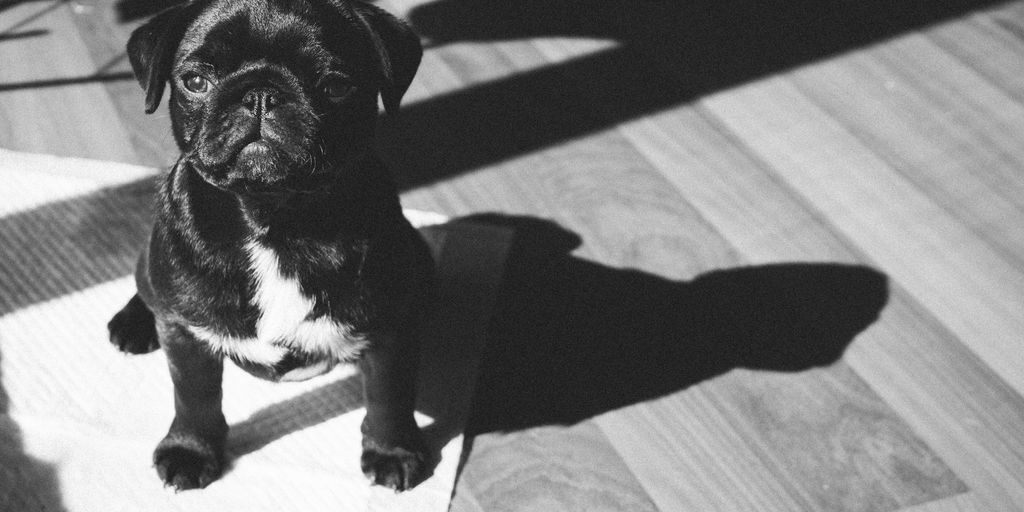
Okay, so you’ve got a new puppy! Exciting times, right? But then comes the not-so-fun part: potty training. That’s where pee pads come in super handy. They’re not just about saving your floors; they’re a real tool for teaching your pup where it’s okay to go. Let’s break down why they’re so important.
Convenience For Pet Parents
Let’s be real, life gets busy. Pee pads offer a major convenience, especially if you live in an apartment or have a hectic schedule. No more rushing home every few hours for a potty break! Plus, those middle-of-the-night emergencies? Handled. It’s all about making life a little easier while your puppy learns the ropes. Think of it as a safety net while you’re both figuring things out. They are great for apartments or homes without yard access.
Weather-Proof Potty Solution
Rain, snow, scorching heat – none of it matters with pee pads. Your puppy can do their business indoors, safe and sound. This is a game-changer during those awful weather days when even you don’t want to step outside. It keeps things consistent for your puppy, which is key to successful training. No more weather-related setbacks!
Controlled Training Environment
Pee pads help you create a controlled environment for potty training. You decide where the designated potty spot is, and your puppy learns to associate that spot with going to the bathroom. This is way easier than letting them wander around and pick their own spots (trust me, you don’t want that). Plus, using Pogi’s Dog Pee Pads with attractant scents can really speed up the process. It’s all about setting them up for success!
Selecting The Right Pee Pads
Not all pee pads are created equal, and choosing the right ones can make a big difference in how smoothly pee pad training goes. It’s not just about grabbing the cheapest option; think about what will work best for you and your pup.
Key Features To Look For
When you’re shopping for pee pads, there are a few things you should keep in mind. Absorbency is a big one – you want something that can handle accidents without leaking all over your floor. Size matters too; make sure the pad is big enough for your puppy to comfortably use without missing the edges. And finally, consider the backing. A non-slip backing can prevent the pad from sliding around, especially if you have an energetic puppy.
Here’s a quick rundown:
- Absorbency: Look for pads with multiple layers or special absorbent cores.
- Size: Bigger is generally better, especially for larger breeds.
- Backing: Non-slip backing is a must to keep the pad in place.
- Durability: Some pads are more tear-resistant than others, which can be helpful if your puppy likes to scratch or chew.
The Benefit Of Attractant Scents
Some pee pads come with attractant scents, which are designed to encourage your puppy to use the pad. These scents are usually very subtle to humans but can be quite appealing to dogs. If you’re having trouble getting your puppy to use the pad, an attractant scent might be just what you need. It’s like a little signal that tells them, "This is the place to go!"
Choosing The Ideal Size
The size of the pee pad really depends on the size of your puppy and how much space you have available. For small breeds, a standard-sized pad might be fine. But for larger breeds, you’ll want to go with something bigger to ensure they have enough room. It’s also a good idea to consider the layout of your training area. If you have a small space, you might need to get creative with how you arrange the pads.
I remember when I first got my golden retriever puppy, I underestimated how much space he would need. I started with small pads, and it was a total mess! He would often miss the edges, and I was constantly cleaning up accidents. Once I switched to larger pads, it made a huge difference. Less mess, less stress, and a much happier puppy!
Setting Up The Pee Pad Training Area
Alright, so you’ve got your pee pads, and you’re ready to go. But hold up! Before you just toss one down and hope for the best, let’s talk about setting up the training area. It’s more important than you might think. A well-planned setup can seriously cut down on accidents and make the whole process way smoother. Trust me, a little prep goes a long way.
Finding The Perfect Location
Location, location, location! It’s not just for real estate; it’s key for pee pad training too. You want a spot that’s easy for your puppy to access, but not right in the middle of everything. Think about it from your pup’s perspective. Is it a quiet corner? Away from their food and water? Is it easily accessible when they wake up or finish playing? Near a door if you plan to transition outside later? These are all things to consider. You don’t want to put it somewhere they’ll be constantly disturbed or distracted. I put mine in the laundry room, it’s worked out great.
Consistency In Placement
Consistency is the name of the game. Once you’ve picked a spot, stick with it. Moving the pee pad around will only confuse your puppy and set you back. They need to learn that this is the designated potty area, and that doesn’t happen if it’s a moving target.
Imagine trying to find your keys if someone kept moving them every day. Frustrating, right? It’s the same for your puppy. Pick a spot and commit. This helps them build a solid association between the pad and potty time.
Avoiding Common Mistakes
Okay, let’s talk about what not to do. Here are a few common pee pad training mistakes I see all the time:
- Don’t put the pad too close to their food or water. Puppies don’t like to eliminate where they eat. It’s just not natural.
- Don’t place it in a high-traffic area. They need some privacy, just like us!
- Don’t forget to clean up accidents thoroughly with an enzymatic cleaner. If they can still smell their pee, they might think it’s okay to go there again. You can find a good crate training cleaner at most pet stores.
Introducing Your Puppy To Pee Pads
Guiding Your Puppy To The Pad
Okay, so you’ve got your pee pads, and you’ve picked the perfect spot. Now what? It’s time to introduce your puppy to their new potty area. Don’t just plop them down and expect them to know what to do. Gentle guidance is key here. After meals, naps, or playtime – basically, any time your puppy is likely to need to relieve themselves – gently lead them to the pee pad. If they seem hesitant, try gently placing their paws on the pad. Let them sniff around and explore. The goal is to make them comfortable with the pad and associate it with potty time.
Using Verbal Cues
Consistency is super important, and that includes using the same words every time you want your puppy to use the pee pad. Pick a phrase like "Go potty," "Do your business," or whatever works for you, and stick with it. Say the phrase in a calm, encouraging tone as you guide your puppy to the pad. This helps them learn to associate the words with the action. Over time, they’ll start to understand what you want them to do when they hear that phrase. It’s like teaching them a new language, one potty break at a time.
Recognizing Potty Signals
One of the most important things you can do is learn to recognize your puppy’s potty signals. Every puppy is different, but common signs include:
- Sniffing the ground intensely
- Circling repeatedly
- Squatting or hunching over
- Whining or barking
If you see any of these signs, immediately take your puppy to the pee pad. The faster you react, the more successful you’ll be in preventing accidents. It takes a bit of observation, but once you get to know your puppy’s habits, you’ll be able to anticipate their needs and guide them to the pad before they have an accident. Also, remember that outdoor potty breaks are the ultimate goal, so keep that in mind as you progress.
Mastering Positive Reinforcement
Rewarding Successful Potty Breaks
When your puppy finally gets the hang of using the pee pad, it’s time to celebrate! Immediate rewards are key to reinforcing the desired behavior. Don’t wait – the sooner you reward, the clearer the connection for your pup. Think of it like this: they pee, you praise, they understand. It’s a simple equation that leads to success. Make sure you have treats ready and waiting near the pee pad so you can reward them right away.
The Power Of Praise And Treats
Praise is a powerful tool. Use an enthusiastic, happy tone of voice when your puppy uses the pad correctly. Combine verbal praise with physical affection, like gentle petting. Treats are also a great motivator, especially small, tasty ones that your puppy loves. Experiment to see what motivates your puppy the most. Some pups are more motivated by praise, while others are all about the treats. You can also try using a combination of both for maximum impact.
Why Punishment Is Detrimental
Never punish your puppy for accidents. It’s tempting to get frustrated, but punishment can create fear and anxiety, which can actually hinder the training process. Instead, focus on rewarding good behavior and calmly redirecting accidents. Remember, accidents happen, and it’s all part of the learning curve.
Instead of punishing, emphasize positive reinforcement for good behavior. If you catch your puppy in the act of having an accident, gently guide them to the pee pad and reward them if they finish there. This helps them associate the pad with the desired behavior, even if they didn’t start there.
Here are some things to keep in mind:
- Be patient.
- Stay positive.
- Celebrate small victories.
Common Pee Pad Training Mistakes To Avoid
Pee pad training can be super helpful, but it’s easy to slip up and make mistakes that can confuse your puppy or slow down the process. Let’s look at some common pitfalls and how to steer clear of them.
The Dangers Of Inconsistent Training
Consistency is absolutely key when you’re teaching your pup where to go. Moving the pee pad around all the time will only confuse them. Imagine trying to learn a new route, but the landmarks keep changing! Pick a spot and stick with it until your puppy consistently uses the pad. If you need to move it later, do it gradually, like a few inches each day.
Overusing Multiple Pads
While it might seem like a good idea to scatter pee pads all over the house, it can actually backfire. Too many options can overwhelm your puppy and make it hard for them to understand where they’re supposed to go. Start with one pad in the designated area. Once they’re reliably using that one, you can slowly remove it if you want to transition to outdoor potty breaks. Think of it like this: less is more when it comes to pee pads.
The Importance Of Supervision
Never underestimate the power of supervision! Leaving your puppy alone for long periods, especially in a large area without easy access to the pee pad, is just asking for accidents. Keep a close eye on your pup, especially after meals, naps, and playtime. Look for those telltale signs that they need to go – sniffing, circling, squatting. If you catch them in the act of going somewhere else, gently scoop them up and place them on the pad. Supervision is your best friend during this phase.
It’s important to remember that accidents happen. Don’t get discouraged if your puppy doesn’t get it right away. Just clean up the mess with an enzymatic cleaner to eliminate odors and keep working at it. Patience and consistency are the keys to success.
Transitioning From Pee Pads To Outdoor Potty Breaks
Gradually Moving The Pad Outdoors
Okay, so you’ve got your puppy reliably using pee pads indoors. Awesome! Now, if your goal is to eventually have them do their business outside, it’s time to start the transition. The key here is gradual change. Don’t just suddenly yank the pad away and expect them to understand. That’s a recipe for accidents (and frustration for both of you).
- Start by moving the pee pad closer to the door you’ll eventually use for outdoor potty breaks. Just a little bit each day.
- Once the pad is right by the door, start taking your puppy outside to the pad first thing in the morning, after naps, and after meals. These are prime potty times.
- After a week or so with the pad just outside the door, you can start moving it further into the yard. Again, small increments are your friend. The goal is to get them used to the idea of going potty in the designated outdoor spot.
Maintaining Consistency With Commands
Remember those verbal cues you were using indoors? Keep using them! When you take your puppy outside to the pad, use the same command (like "go potty" or "do your business"). This helps them associate the command with the action, no matter where they are. And, of course, positive reinforcement is still super important. When they go potty outside, give them lots of praise and a treat. Let them know they did a good job!
Phasing Out Indoor Pad Use
Once your puppy is consistently using the pee pad outdoors, you can start phasing out the indoor pad. This doesn’t mean just removing it completely overnight. Instead:
- Start by only putting the indoor pad down at night or when you know you won’t be able to take them outside frequently (like during a long meeting).
- Gradually reduce the size of the indoor pad. This can help them get used to the idea of going on a smaller and smaller surface, eventually leading to just the grass or dirt outside.
- Eventually, you can remove the indoor pad altogether. But keep a close eye on your puppy for any signs that they need to go potty. If you see them sniffing around or circling, take them outside immediately.
It’s important to remember that accidents will happen. Don’t get discouraged! Just clean it up, and go back to your routine. Consistency and patience are key to success. And celebrate every little victory along the way!
Moving your dog from using pee pads inside to doing their business outside can be tricky, but it’s totally doable with the right steps. It takes patience and consistency, but soon your furry friend will be a pro at outdoor potty breaks. For more helpful tips on making this switch smooth, check out our full guide on our website!
Conclusion: How to Potty Train Puppies with Pee Pads
So, using pee pads can actually be pretty simple if you go about it the right way. The main things you need are patience, doing the same thing every time, and giving your puppy lots of good feedback. If you stick with it, your puppy will get the hang of it. This is just the start of your puppy’s potty success story!
Frequently Asked Questions
Why are pee pads good for puppy training?
Pee pads are super helpful for puppy training because they offer a reliable spot for your puppy to go potty indoors. This is great for new puppies who haven’t had all their shots, people living in apartments without easy outdoor access, or pet owners who might find it tough to take their dog out often. They make potty training smoother and keep your home cleaner.
What should I look for in a good pee pad?
When picking pee pads, look for ones that soak up a lot of liquid and help control smells. A non-slip bottom is also a good idea so the pad stays put. Some pads even have special scents that attract puppies, making it easier for them to know where to go. Make sure the pad is big enough for your puppy.
Where’s the best spot to put a pee pad?
Place the pee pad in a quiet, easy-to-reach spot that’s not too close to your puppy’s food or bed. Consistency is key, so once you pick a spot, try to keep the pad there. This helps your puppy learn that this specific area is their potty zone.
How do I reward my puppy for using the pee pad?
When your puppy uses the pee pad correctly, praise them right away with a happy voice, pets, or a small treat. This helps them understand they did something good and makes them want to do it again. Positive rewards work much better than scolding for accidents.
What are some common mistakes to avoid during pee pad training?
It’s best to start with just one pee pad in a consistent spot. Using too many pads or moving them around a lot can confuse your puppy. Also, always watch your puppy closely, especially during training, and never punish them for accidents. Just clean it up and guide them back to the pad.
How do I get my puppy to stop using pee pads and go outside instead?
To move your puppy from pads to outdoor potty breaks, slowly move the pee pad closer to the door over a few weeks. Once it’s outside, start taking your puppy out for potty breaks without the pad, using the same commands and rewards you used indoors. Gradually, you can stop using the pad altogether.