
Getting a new puppy is super exciting, but it also comes with a bunch of new things to teach them. One big one? Stairs! It might seem simple to us, but for a tiny pup, a flight of stairs can look like a mountain. This article will walk you through how to help your little furry friend learn to go up and down stairs safely and happily. We’ll cover everything from understanding why stairs are tough for them to making sure they feel good about every step. The goal is to make “Training a puppy to walk on stairs” a fun and easy experience for everyone involved.
Key Takeaways
- Start slow and keep training sessions short. Puppies have short attention spans.
- Always use treats and praise. This makes the experience fun and helps your puppy link stairs with good things.
- Make sure the stairs are safe. Check for slippery spots or anything that could hurt their paws.
- Never force your puppy. Pushing them will only make them more scared.
- Be patient and consistent. It takes time for a puppy to learn new things, so keep at it every day.
Understanding Puppy Stair Challenges
Physical Hurdles for Young Pups
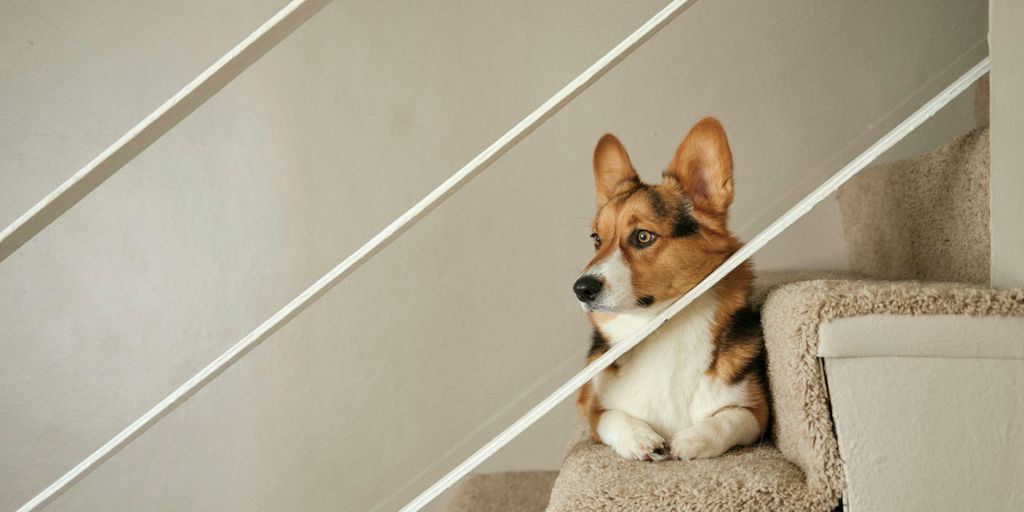
Puppies aren’t just small dogs; their bodies are still developing, and stairs can present a real physical challenge. Think about it: their legs are shorter, their coordination is still a work in progress, and the height of each step can seem like a mountain to climb. This is why it’s important to approach stair training with patience and understanding. It’s not just about teaching them a new skill; it’s about helping them navigate a world that wasn’t exactly designed for their little bodies.
Developing Coordination and Strength
Stair climbing isn’t just about leg strength; it’s a full-body workout that requires balance, coordination, and spatial awareness. Puppies need time to develop these skills, and rushing the process can lead to frustration or even injury. It’s like asking a toddler to run a marathon – they might be willing, but their bodies simply aren’t ready for the task. Gradual introduction and positive reinforcement are key to helping your puppy build the necessary confidence on the ascent and strength to tackle stairs with ease.
Overcoming Fear of Heights
For some puppies, it’s not the physical challenge of the stairs that’s daunting, but the perceived height. Looking up or down a flight of stairs can be scary for a small pup, especially if they’ve never encountered anything like it before. It’s important to remember that fear is a powerful emotion, and forcing a puppy to confront their fears can backfire, leading to anxiety and avoidance. Instead, focus on creating a positive association with the stairs, using treats, toys, and plenty of encouragement to help them overcome their fear and see the stairs as a fun and rewarding challenge.
Imagine seeing a set of vertical cliff-faces, each one of which is impossible, let alone a whole flight of them. It’s important to introduce stairs before they reach 18 weeks of age. That way the puppy will learn that stairs are a regular part of life and grow up confident in going up and down.
Essential Preparations for Stair Training
Before you even think about getting your puppy to climb stairs, some prep work is needed. It’s not just about tossing them at the steps and hoping for the best. A little planning goes a long way in making this a positive experience for your furry friend. We want them confident, not terrified!
Gathering Necessary Training Tools
First things first, you’ll need some supplies. High-value treats are a must. Think tiny, tasty morsels that your puppy goes crazy for. You’ll also want a leash, especially if you’re working on stairs in a public place or want to maintain control. A favorite toy can also be a great motivator. Don’t forget a no-spill dog bowl if you plan on feeding your pup on the stairs as part of the training. Here’s a quick list:
- High-value treats (small and easy to eat)
- Leash (4-6 feet is ideal)
- Favorite toy
- Non-spill bowl (optional)
- A towel or scarf to use as a supportive sling, if needed
Creating a Safe Stair Environment
Safety is paramount. Take a good look at your stairs. Are they slippery? Consider adding non-slip treads or a carpet runner. Are there any gaps or openings where a small puppy could fall through? Block them off. Make sure the lighting is good so your puppy can see clearly. Remove any clutter that could be a tripping hazard. A safe environment is a happy environment. Here are some things to consider:
- Install non-slip treads or a carpet runner.
- Block off any gaps or openings.
- Ensure adequate lighting.
- Remove clutter from the stairs and surrounding area.
Establishing a Positive Training Mindset
Your attitude matters! If you’re stressed or impatient, your puppy will pick up on it. Approach stair training with a calm, positive, and encouraging attitude. Remember, it’s a process, and every puppy learns at their own pace. Celebrate small victories and be patient with setbacks.
Think of yourself as your puppy’s personal cheerleader. Lots of praise and affection will make the experience fun and rewarding. Keep training sessions short and sweet to match your puppy’s attention span. And most importantly, never force your puppy to do something they’re not comfortable with.
Introducing Your Puppy to Stairs Gradually
Starting with a Single Step
When you first introduce your puppy to stairs, don’t overwhelm them. Begin with just one step. Let them sniff it, touch it, and explore it at their own pace. You can even place their front paws on the step while their back paws remain on the ground. The goal here is to make the experience positive and non-threatening. Think of it as a gentle introduction to a new and potentially scary object. It’s important to avoid rushing them; patience is key. If they seem hesitant, don’t force it. Try again later. This initial step sets the stage for future success. Remember, we want to build confidence, not create fear. You might find that using a supportive sling helps them feel more secure during these first encounters.
Using Treats as Positive Reinforcement
Treats are your best friend during stair training. Use them to lure your puppy up and down the steps. Hold a treat just above the step and encourage your puppy to reach for it. As they move towards the treat, praise them enthusiastically. Once they successfully place a paw on the step, reward them immediately. This creates a positive association with the stairs. Small, bite-sized treats work best because they won’t distract your puppy for too long. Here’s a simple treat schedule you can follow:
- Step 1: Treat for approaching the step.
- Step 2: Treat for placing a paw on the step.
- Step 3: Treat for putting all four paws on the step.
- Step 4: Treat for taking a step up.
Positive reinforcement is far more effective than punishment. It builds trust and encourages your puppy to try new things without fear. Always end your training sessions on a positive note, even if your puppy only makes a small amount of progress.
Incorporating Play into Training Sessions
Training doesn’t have to be all work and no play. Turn stair training into a fun game! Use a favorite toy to lure your puppy up the stairs. Toss the toy onto the first step and encourage them to retrieve it. As they become more confident, you can gradually increase the distance. This makes the experience more engaging and less stressful. You can also try playing hide-and-seek on the stairs. Hide behind a step and call your puppy’s name. When they find you, reward them with praise and affection. This not only reinforces their stair-climbing skills but also strengthens your bond. Remember to keep the sessions short and sweet to maintain your puppy’s interest. A no-spill dog bowl can also be useful if you want to feed your puppy on the stairs as part of the training.
Building Confidence on the Ascent
Luring with Food and Toys
Okay, so your puppy’s taken that first step – awesome! Now, how do we get them to go further? Luring is your best friend here. Grab some of those super tasty treats or a favorite toy. Hold it just above the next step, encouraging your pup to reach for it. The goal is to make them want to climb, not feel like they have to. Keep the lure close enough that they can almost get it, but just far enough that they need to take that next step.
Encouraging Independent Climbing
Once your puppy is consistently taking a few steps with the lure, it’s time to start fading it out. This doesn’t mean you suddenly stop using treats or toys altogether. Instead, start placing the treat on the step itself, so they have to climb to get it. You can also use verbal praise and encouragement as they go. The idea is to build their confidence so they feel comfortable climbing without needing constant guidance.
Here’s a simple progression:
- Lure to each step.
- Treat on each step.
- Treat every other step.
- Treat at the top of the stairs.
Celebrating Every Small Success
Seriously, don’t underestimate the power of positive reinforcement. When your puppy takes a step, even if it’s just one, make a big deal out of it! Use an excited tone of voice, give them lots of praise, and offer a treat. This helps them associate climbing with good things. If you want to teach your dog hide and seek, you need to build their confidence first. Remember, every puppy learns at their own pace, so be patient and celebrate those small wins.
It’s important to remember that building confidence takes time. Don’t rush the process, and always be mindful of your puppy’s comfort level. If they seem scared or overwhelmed, take a step back and try again later. The goal is to make stair climbing a positive and enjoyable experience for both of you.
Mastering the Descent with Care
Going down the stairs can be trickier than going up, especially for puppies. It’s all about balance and coordination, and a little bit of trust. You want to make sure they feel safe and supported as they learn to navigate those downward steps. It’s important to take it slow and be patient; rushing things can lead to fear and setbacks.
Teaching Downward Movement Safely
Start by having your puppy approach the top step. Use a leash for control. Lure them with a treat held near the first step, encouraging them to place their front paws on it. If they hesitate, don’t force it. Just keep the treat enticing and praise them for any forward movement. Repeat this process, gradually increasing the number of steps they take down. Remember, short, successful attempts are better than long, frustrating ones. You can also try using a puppy-proofing stairs method to make the steps more manageable.
Supporting Your Puppy’s Balance
Puppies can be clumsy, especially on stairs. You can physically support them by placing one hand under their chest and the other under their rear. This gives them a sense of security and helps them maintain their balance. As they gain confidence, you can gradually reduce the amount of support you provide. Watch their body language closely. If they seem wobbly or unsure, offer more support. If they’re doing well, let them take the lead.
Preventing Fear of Going Down
Fear can quickly develop if a puppy has a bad experience on the stairs. To prevent this, always be gentle and patient. Never pull or push them down the stairs. If they get scared, stop the training session and try again later. Make sure the stairs are well-lit and free of obstacles. You can also use non-slip mats to provide better traction. A scared puppy is less likely to learn, so focus on creating a positive and safe environment.
It’s easy to forget that puppies are still developing their coordination and depth perception. What seems like a simple set of stairs to us can be a daunting challenge for them. By taking a slow, patient approach, you can help your puppy overcome their fears and learn to navigate the stairs with confidence.
Key Principles for Effective Stair Training
Maintaining Short and Positive Sessions
Puppies have the attention span of, well, puppies! Keep your stair training sessions brief and upbeat. Aim for 5-10 minutes at a time. End on a high note, even if it’s just one successful step. This helps them associate stairs with positive experiences, not frustration. Think of it like this: quality over quantity. A tired or overwhelmed puppy won’t learn as effectively.
Consistency is Crucial for Success
Consistency is key in any kind of training, and stair training is no different. Try to practice at least once a day, if possible.
- Establish a routine: Pick a time of day when your puppy is typically alert and receptive.
- Use the same commands: Stick to simple, clear cues like "Up" or "Down."
- Reinforce regularly: Even after your puppy has mastered the stairs, continue to practice occasionally to maintain their confidence.
Consistency helps build muscle memory and reinforces the desired behavior. It also prevents confusion and ensures that your puppy understands what you expect of them.
Avoiding Force and Punishment
Never, ever force your puppy to go up or down the stairs. This can create fear and anxiety, making the training process much harder in the long run. Instead, focus on positive reinforcement and encouragement. If your puppy is hesitant, take a step back and try a different approach. Remember, the goal is to build confidence, not to intimidate them. If you are having trouble with dog protectiveness training, consult a professional.
Addressing Common Training Obstacles
Handling Puppy Hesitation and Fear
Okay, so your puppy isn’t exactly thrilled about the stairs. That’s pretty normal! Some pups are just naturally more cautious. The key here is patience and understanding. Don’t rush them. If they’re scared, forcing them will only make things worse. Instead, try to figure out what’s causing the hesitation. Is it the slippery surface? The height? The open steps?
Here’s what you can do:
- Go back to basics. Start with just approaching the stairs, rewarding them for simply being near them.
- Use high-value treats. Something they absolutely love. Make the stairs a positive place.
- Consider using a harness for added security. It gives you more control without putting pressure on their neck.
Remember, every puppy learns at their own pace. What works for one might not work for another. Be flexible and adjust your approach as needed.
Redirecting Distractions Effectively
Puppies are basically tiny balls of energy and easily distracted. A leaf blowing by, a sound from outside, suddenly the stairs are the least interesting thing in the world. So, how do you keep their focus?
- Minimize distractions. Train in a quiet area with as few interruptions as possible.
- Use a command like "focus" or "watch me." Train this separately first, then incorporate it into stair training.
- Keep training sessions short and sweet. A few minutes of focused attention is better than a long, drawn-out session where they’re constantly losing interest.
Knowing When to Consult a Veterinarian
Sometimes, a puppy’s reluctance to use stairs isn’t just about fear or stubbornness. It could be a sign of an underlying health issue. If your puppy is showing any of these signs, it’s time to talk to your vet:
- Sudden onset of reluctance or refusal to use stairs.
- Limping or signs of pain when walking.
- Changes in gait or posture.
- Any other unusual behavior.
It’s always better to be safe than sorry. A vet can rule out any medical problems and give you peace of mind. Plus, they might have some helpful tips tailored to your puppy’s specific needs. Remember to use positive reinforcement during training.
Don’t let common training problems get you down! Many dog owners face similar hurdles, but with the right approach, you can overcome them and build a stronger bond with your furry friend. Ready to turn those challenges into triumphs? Discover our top-rated dog training courses today!
Wrapping It Up
So, there you have it! Getting your puppy comfortable with stairs really just comes down to being patient and making it a fun experience for them. Remember, every little step they take is a big deal, so cheer them on like crazy. Don’t rush things, use those yummy treats, and always keep safety in mind. Before you know it, your furry friend will be zipping up and down the stairs like a pro, and you’ll both be super proud of how far they’ve come. It’s a journey, not a race, and it’s totally worth it.
Frequently Asked Questions
When should I start teaching my puppy to use stairs?
It’s best to start teaching your puppy about stairs when they are young, ideally around 12-18 weeks old. This is a time when they learn quickly and are more open to new experiences. Introducing them early helps them see stairs as a normal part of life, not something to be scared of.
Should I force my puppy to go up or down the stairs?
No, never force your puppy up or down the stairs. Forcing them can make them very scared and anxious, which will make training much harder. Instead, use gentle encouragement, treats, and praise to make the experience positive and fun.
How long should stair training sessions be?
Keep training sessions short and sweet, usually 5-10 minutes at a time. Puppies have short attention spans, so brief, fun sessions are more effective than long, boring ones. You can do a few short sessions throughout the day.
Are treats helpful for stair training?
Yes, treats are a great tool! Place small, tasty treats on each step to encourage your puppy to move forward. This helps them connect stairs with good things, making them more willing to try. Always praise your puppy enthusiastically when they take a step.
How can I make the stairs safe for my puppy?
Safety is super important. Make sure the stairs aren’t slippery by adding rugs or non-slip strips. Check for any sharp edges or loose parts that could hurt your puppy. Good lighting also helps your puppy see where they’re going. Always watch your puppy closely when they are on the stairs, especially when they are first learning.
When should I be worried about my puppy’s difficulty with stairs?
If your puppy seems very scared, refuses to try, or struggles with their balance, it’s a good idea to talk to your vet. Sometimes, there might be a health reason why a puppy is having trouble with stairs, and your vet can check for any issues or offer advice.