
Having a shy puppy can be a bit tough, but it’s totally possible to help them become more outgoing and happy. This guide will show you how to train a shy puppy, helping them build confidence and get better at being around others. We’ll cover everything from understanding why your pup might be shy to trying out fun activities that make them feel braver.
Key Takeaways
- Recognize the signs of shyness early on to help your puppy sooner rather than later.
- Build trust with your puppy by being a calm and consistent leader.
- Introduce your shy puppy to new things and other dogs slowly, always using positive rewards.
- Use games and training to help your puppy feel more sure of themselves.
- If your puppy is extremely shy, don’t hesitate to get help from a professional trainer.
Understanding Your Shy Puppy’s Behavior
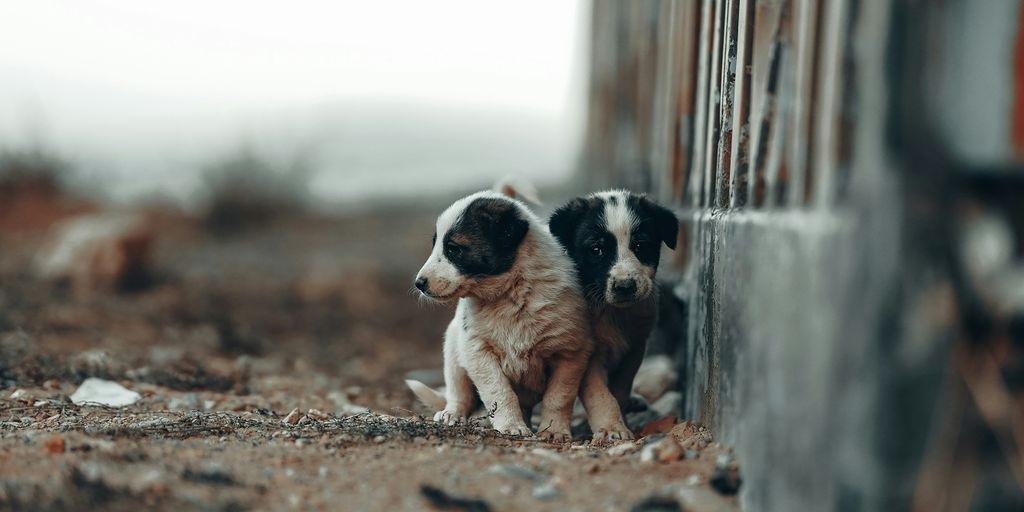
It’s super important to figure out why your puppy is shy so you can help them feel more comfortable and confident. Ignoring shyness can actually make things worse, so let’s get into it.
Recognizing Signs of Shyness
Okay, so how do you actually know if your puppy is shy? It’s not always obvious. Some signs are subtle, while others are pretty clear. Here’s a quick rundown:
- Tucked tail
- Avoiding eye contact
- Trembling or shaking
- Excessive panting or lip licking
- Ears pinned back
It’s easy to mistake shyness for just being calm, but the key is to look at the whole picture. Are they also hesitant to explore, or do they startle easily? These are clues!
The Importance of Early Intervention
Why is it so important to address shyness early? Well, puppies are like sponges – they’re learning and developing their personalities all the time. Early socialization is key, and if they’re constantly scared, it can really impact their development. Helping shy puppies socialize early on can prevent bigger problems down the road.
Why Shyness Can Worsen
Shyness isn’t something puppies just grow out of. In fact, it can get worse if it’s not addressed. Think about it: if a puppy is scared of new situations and you don’t help them learn to cope, they’re just going to become more and more fearful. This can lead to dog anxiety and other behavioral issues. It’s all about creating positive experiences and building their confidence, so they don’t develop a lifelong fear of the world.
Building a Foundation of Trust
Trust is everything when you’re trying to help a shy puppy blossom. It’s the bedrock upon which all other training and socialization efforts are built. Without a solid foundation of trust, your puppy will likely remain fearful and withdrawn, no matter how many new experiences you try to introduce. It’s like trying to build a house on sand – it just won’t stand.
Establishing Yourself as a Pack Leader
Being a pack leader isn’t about being bossy or dominant; it’s about providing clear guidance and security. Your puppy needs to know that you’re in charge and that you’ll keep them safe. This means setting consistent rules and boundaries, and calmly enforcing them. Think of it as being a reliable parent – firm but fair. A good way to start is by teaching basic commands and rewarding good behavior. This helps your puppy understand what you expect and builds their confidence in following your lead. You can also try to use positive reinforcement to build their confidence.
Creating a Secure Environment
A secure environment is one where your puppy feels safe, comfortable, and free from threats. This starts with their physical space. Make sure they have a cozy den or crate where they can retreat when they feel overwhelmed. Avoid exposing them to loud noises, sudden movements, or other stressors that might trigger their anxiety.
Here are some ways to create a secure environment:
- Provide a safe and comfortable den.
- Minimize exposure to stressors.
- Establish a consistent daily routine.
A structured daily routine provides predictability and stability for your dog, reducing anxiety and increasing confidence. Consistent feeding times, exercise, and play can contribute to their overall sense of security.
Patience and Consistency are Key
Training a shy puppy takes time, so patience is a must. There will be good days and bad days, setbacks and breakthroughs. The key is to remain consistent in your approach and to never give up on your puppy. Celebrate small victories and don’t get discouraged by setbacks. Remember, every puppy is different, and some may take longer to come out of their shell than others. If you are looking for a dog trainer comprehensive, there are many options available.
Gradual Socialization Techniques
Socializing a shy puppy requires a delicate touch. It’s not about throwing them into the deep end, but rather gently easing them into new experiences. Think of it as building a staircase, one step at a time. We want to create positive associations, not overwhelm them.
Introducing New Experiences Slowly
Start with small, manageable exposures. Instead of a crowded park, maybe it’s just a quiet street corner. The goal is to let your puppy observe without feeling pressured to interact. Keep sessions short and sweet, ending on a positive note. If your puppy shows signs of stress (tail tucked, panting, lip licking), back off and try again later at a slower pace. Remember, early socialization is key, but it needs to be done right.
One-on-One Puppy Introductions
Group playdates can be overwhelming for a shy puppy. Instead, arrange one-on-one introductions with calm, well-socialized dogs. A controlled environment, like a fenced yard, is ideal. Keep the initial meeting brief, allowing the puppies to sniff each other and then separate. Gradually increase the duration of these interactions as your puppy becomes more comfortable. It’s all about building confidence through positive experiences.
Positive Reinforcement During Socialization
Always use positive reinforcement during socialization. Treats, praise, and gentle encouragement can go a long way in helping your puppy associate new experiences with positive feelings. Avoid punishment or scolding, as this can reinforce their shyness. If your puppy approaches a new person or dog, reward them with a treat and praise. This will help them learn that these interactions are safe and enjoyable.
Socialization isn’t just about meeting other dogs. It’s about exposing your puppy to a variety of sights, sounds, and experiences. Car rides, walks in different environments, and even household noises can all contribute to their overall confidence. The more they experience in a positive way, the less likely they are to be fearful or anxious in new situations.
Here’s a simple guide to track your puppy’s progress:
| Experience | Initial Reaction | Progress | Notes |
|---|---|---|---|
| Meeting new people | Cowering, barking | Approaching cautiously | Use high-value treats |
| Walking on leash | Pulling, resisting | Walking calmly | Shorten leash initially |
| Car rides | Whining, panting | Relaxing | Bring a favorite toy |
Remember, patience is key. It takes time and consistency to help a shy puppy overcome their fears and develop into a confident, well-adjusted dog.
Confidence-Building Activities
Engaging in Problem-Solving Games
One cool way to help a shy puppy gain confidence is through problem-solving games. These games encourage them to think independently, rather than always relying on you for guidance. It’s like giving their brain a little workout, which can be super rewarding for them.
- Start with simple puzzles, like hiding treats under cups.
- Gradually increase the difficulty as they get better.
- Use toys that require them to figure out how to release the treats.
Problem-solving is often a weak spot for shy dogs. By playing games or puzzles that teach your dog to problem solve, you’re helping to build their confidence. It’s all about making them feel smart and capable.
The Benefits of Agility Training
Agility training isn’t just for super athletic dogs; it can be amazing for building confidence in shy pups too. It’s all about navigating obstacles, following commands, and getting lots of positive reinforcement. Plus, it’s a great way to bond with your dog. Agility can boost a dog’s self-assurance.
- Start with basic obstacles like low jumps and tunnels.
- Use positive reinforcement to encourage them.
- Keep the sessions short and fun.
Obedience Training for Self-Assurance
Obedience training is another fantastic way to boost a shy puppy’s confidence. Mastering basic commands like sit, stay, and come can give them a sense of accomplishment and control. Plus, it strengthens the bond between you and your pup. You can use basic commands throughout the day as part of your dog’s routine. Every time your dog responds correctly to one of your commands, he builds a little more confidence. The more he gets things right, the more confident he will become, so stick to easy stuff at first, like sit, shake, or stay, and slowly build to more complicated. Discover effective games to alleviate anxiety and enhance confidence in fearful dogs.
Enriching Your Puppy’s Environment
It’s easy to get caught up in training and socialization schedules, but don’t forget about the importance of simply letting your puppy experience the world. A rich environment can do wonders for a shy puppy’s confidence. It’s all about providing safe and positive exposures that help them learn and grow.
Exploring New Sights and Sounds
Start small. A walk around a new block can be an adventure. The key is to let your puppy set the pace. Don’t force them to interact with anything they’re scared of. Just being present and observing is a win. Varying your walking routes can introduce a range of stimuli, from different types of plants and trees to the sounds of traffic or children playing. You can also try:
- Visiting a quiet park during off-peak hours.
- Playing recordings of different sounds (fireworks, thunderstorms) at a low volume.
- Introducing them to different surfaces like grass, sand, or pavement.
Benefits of Dog Parks and Daycare
Dog parks and daycare can be great, but they’re not for every puppy, especially shy ones. If you do decide to try them, start with short visits during less crowded times. Observe your puppy closely and be ready to leave if they seem overwhelmed. A good daycare will have staff trained to recognize and manage puppy socialization anxiety. Dog parks can be a mixed bag, so choose wisely and always supervise.
Puzzle Toys for Mental Stimulation
Puzzle toys are fantastic for building confidence. They give your puppy a chance to problem-solve and succeed on their own. Start with easy puzzles and gradually increase the difficulty as they get better. This not only keeps them entertained but also helps them develop cognitive skills. Some ideas include:
- Treat-dispensing balls
- Hide-a-treat puzzles
- Snuffle mats
A mentally stimulated puppy is often a more confident puppy. Puzzle toys provide a safe and controlled way for them to explore their environment and learn to overcome challenges. This can translate into increased confidence in other areas of their life.
Professional Guidance for Extreme Shyness
When to Seek Expert Help
Sometimes, despite your best efforts, a puppy’s shyness can be really tough to manage. It’s okay to admit when you need help! If your puppy is showing extreme fear, aggression stemming from fear, or is completely withdrawn, it might be time to call in a professional. A certified dog trainer or a veterinary behaviorist can give you a better understanding of what’s going on and create a plan that’s tailored to your dog’s specific needs. Don’t feel bad about seeking help; it shows you’re a responsible owner!
Tailored Advice for Anti-Social Dogs
Not all shy dogs are the same, and that’s why cookie-cutter solutions often don’t work. A professional can assess your dog’s personality, history, and the specific triggers for their shyness. They can then develop a customized training plan that addresses those unique challenges. This might involve desensitization techniques, counter-conditioning, or even medication in some cases. The goal is to help your dog feel safe and secure, so they can start to come out of their shell. Remember to provide regular exercise and mental stimulation.
Different Steps and Tools for Severe Cases
For dogs with severe shyness, the approach might need to be more intensive. This could involve:
- Medication: In some cases, anti-anxiety medication can help to lower your dog’s overall anxiety level, making them more receptive to training.
- Specialized Training: This might include working with a trainer who specializes in fear and aggression issues.
- Environmental Management: Modifying your home environment to reduce triggers and create a safe space for your dog.
It’s important to remember that progress might be slow, and there will be setbacks along the way. The key is to be patient, consistent, and to celebrate every small victory. With the right support and guidance, even the shyest dog can learn to live a happier, more confident life.
Feeling really shy can be tough, but you don’t have to go through it alone. Our website has lots of helpful tips and tricks to guide you. We can show you how to feel more comfortable and confident in social settings. Come visit us and start your journey to feeling better!
Helping Your Shy Puppy Shine
So, we’ve talked about a lot of ways to help your shy puppy. Remember, it’s all about taking things slow and being consistent. You want to make sure your puppy feels safe and happy as they learn about the world. It might take some time, but with your help, your puppy can become a confident, friendly dog. Just keep at it, and you’ll see them grow!
Frequently Asked Questions
How can I boost my dog’s confidence through training?
Training helps make your dog feel more sure of themselves by teaching them new skills. Using positive rewards, being consistent, and having patience are super important for building their confidence.
Can meeting other dogs and people make my dog more confident?
Yes, letting your dog meet other dogs and people, especially when they’re a puppy, can really help them become more confident.
Are there certain activities that make a dog feel more sure of themselves?
Absolutely! Activities like agility courses, obedience lessons, and even puzzle toys can challenge your dog’s mind and body, which helps them feel more confident.
How does giving my dog a clear routine help them feel more confident?
Giving your dog a clear routine and a safe place to be helps them feel secure. This feeling of safety is key to building their confidence.
When is the best time to start helping a shy puppy?
It’s best to start helping a shy puppy as early as possible. The sooner you begin, the easier it is to help them overcome their shyness and grow into a happy, social adult dog.
When should I get help from a professional for my very shy puppy?
If your puppy is very shy and doesn’t like being around others, it’s a good idea to get help from a professional dog trainer. They can offer special tips and tools to help your dog feel more comfortable.