
Getting your new puppy used to a leash can feel like a big task, right? It’s not always easy, and sometimes it feels like your furry friend has other plans than walking nicely beside you. But don’t worry, leash training a puppy doesn’t have to be a constant struggle. With the right approach and a bit of patience, you can turn those wobbly walks into enjoyable strolls. We’ll cover everything from picking the right gear to handling those moments when your pup just wants to pull ahead.
Key Takeaways
- Start leash training indoors with a comfortable collar or harness before heading outside. This helps your puppy get used to the feeling without too many distractions.
- Use a fixed-length leash, not a retractable one, as it offers better control and helps prevent pulling habits.
- The ‘loose leash’ method is a great way to teach your puppy to walk beside you. Stop moving whenever the leash tightens and reward them when it slackens.
- Positive reinforcement, like praise and occasional treats, is key. Make training sessions fun and rewarding for your puppy.
- Be patient and consistent. If you or your puppy get frustrated, take a break. Training takes time, and every puppy learns at their own pace.
Getting Started With Leash Training A Puppy
Starting leash training with your new puppy is a big step, and honestly, it can feel a little overwhelming at first. But think of it as building a foundation for all the fun adventures you’ll have together. It’s not just about preventing pulling; it’s about communication and building trust. The goal is to make walks enjoyable for both of you, and that starts with a positive introduction to the leash and collar.
Choosing The Right Leash And Collar
Picking the right gear makes a world of difference. For leashes, a standard 4-to-6-foot nylon or leather leash is usually best. Forget those retractable leashes for now; they don’t offer enough control when you’re just starting out and can even be a bit risky. When it comes to collars or harnesses, consider your puppy’s size and any potential issues. A simple flat collar might work for some, but if your puppy is small, has a delicate neck, or is a bit of a puller already, a harness (especially a front-clip one) can be a great help. It’s all about finding what fits comfortably and safely.
Introducing The Leash Indoors
Before you even think about stepping outside, let your puppy get used to wearing the collar or harness inside the house. Do this when they’re already happy, maybe during playtime or mealtime. Let them wear it for short periods, and if they seem bothered, take it off. Once they’re comfortable with the collar, attach the leash. Keep it short and supervise them closely so they don’t get tangled. Don’t pull on the leash at this stage; just let them drag it around while you keep an eye on them. Think of it as just another part of their environment for now. This initial introduction is key to avoiding fear of the leash.
Making Leash Training A Positive Experience
This is probably the most important part. You want your puppy to associate the leash and walking with good things. Use plenty of praise and treats – but don’t overdo the treats, as you don’t want them to become the sole focus. A happy voice, a good scratch behind the ears, or a favorite toy can be just as rewarding. Keep training sessions short and sweet, especially at first. Puppies have short attention spans, and you don’t want them to get bored or frustrated. If your puppy is doing well and then suddenly starts acting out, it’s often a sign they’re tired or overwhelmed. That’s your cue to end the session on a positive note and try again later.
Remember, consistency is key, but so is patience. Every puppy learns at their own pace, and what works one day might need a little adjustment the next. Celebrate the small wins!
Here’s a quick rundown of what to focus on:
- Comfort: Ensure the collar or harness fits well and doesn’t cause irritation.
- Familiarity: Let your puppy wear the gear indoors without pressure.
- Positive Association: Pair the leash and collar with fun activities and rewards.
- Short Sessions: Keep initial training periods brief to maintain engagement.
This initial phase is all about building a positive relationship with the leash, setting the stage for successful walks down the road.
Essential Leash Training Techniques
Alright, let’s get down to the nitty-gritty of actually teaching your dog to walk nicely on a leash. This is where the magic happens, and honestly, it’s not as complicated as some make it out to be. We’re going to focus on two main styles of walking: the loose leash and the heel. Both have their place, and mastering them will make your walks so much more enjoyable.
Mastering The Loose Leash Method
This is the kind of walk where your dog has a bit of freedom. Think of it as ‘off-duty’ walking. The main rule here is simple: no pulling. You can even pick a fun command for this, like "ease" or "hike." The idea is to give your dog some slack, allowing them to sniff around and explore a little. You want to hold the leash loosely, maybe just a loop of a longer leash, so they don’t feel restricted. The goal is for the leash to remain slack, not taut, during the walk.
Here’s how to approach it:
- Start walking with your chosen command.
- Let your dog explore, but if they pull, stop immediately. Say "stop" and then encourage them back to your side before starting again.
- If a distraction pops up, like another dog or a person, call your dog’s name to get their attention. Try to move away from the distraction, or if you need to pass it, ask your dog to heel until you’re clear.
Remember, consistency is key. If you let them pull sometimes and not others, they’ll get confused. Stick to the rules, and they’ll learn.
Understanding The ‘Heel’ Command
‘Heel’ is a more formal position, and it’s a great building block for other training. It means your dog walks right beside you, usually on your left side, staying in step. This is super useful when you need more control, like when passing other dogs or navigating busy areas. You can teach this using treats, a clicker, or even hand signals. Start by luring your dog into position with a treat, rewarding them the moment they get it right. Gradually, you’ll phase out the lure and rely on the verbal cue and your body language. It takes practice, but it’s worth it for that controlled walk. This is a great skill for safe trail hiking.
Using Positive Reinforcement Effectively
This is the backbone of all good dog training. Positive reinforcement means rewarding your dog for doing what you want. It’s not just about treats, though those can be helpful! Think praise, petting, and enthusiastic "good dogs!" When your dog walks nicely, celebrate it! Make it a party. Use treats sparingly for really great moments or when you’re introducing something new. Your dog wants to please you, and showing them they’ve succeeded with happy attention is often more motivating than a food reward. The key is to make training a fun, rewarding experience for both of you.
Addressing Common Leash Pulling Issues
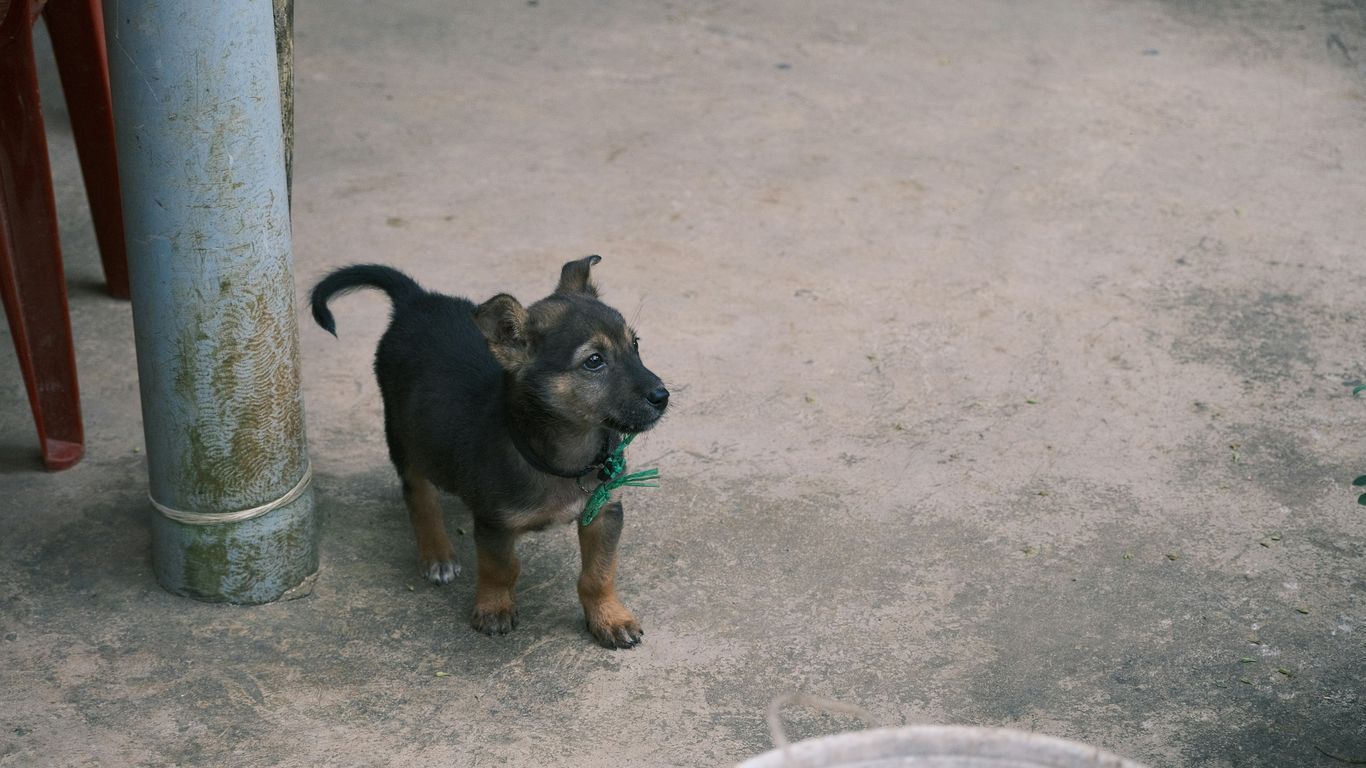
It’s pretty common for puppies to get excited and pull on the leash, especially when they’re out exploring the world. This pulling happens because, for them, it’s a way to get to whatever caught their attention faster. They learn that pulling gets them closer to that interesting smell or that squirrel up ahead. It’s a self-rewarding behavior, which makes it a bit tricky to fix. But don’t worry, there are ways to manage this.
Why Puppies Pull on the Lead
Puppies pull for a few main reasons. Their natural curiosity is a big one; they want to see and sniff everything! High energy levels also play a part. If they’re not getting enough exercise or mental stimulation, they’ll have a lot of pent-up energy that can come out as pulling. Sometimes, they just haven’t learned that walking nicely beside you is the goal. They might also be reacting to something exciting or even a bit scary in their environment. It’s important to remember that pulling isn’t usually a sign of defiance, but rather a lack of understanding or an overflow of excitement.
Strategies to Stop Lunging
Lunging is a bit different from just pulling; it’s often a more sudden, reactive movement. If your puppy lunges at things, the first step is to try and avoid the trigger if you can. Be observant and try to steer clear of what sets them off. If you see something coming that might cause a lunge, you can try to distract your puppy with a treat or a favorite toy. Another effective method is to teach a strong ‘sit’ command. When your puppy starts to get ready to lunge, ask them to sit. If they manage to sit and stay calm, reward them immediately. This teaches them that good things happen when they control their impulse.
The key to stopping lunging is to interrupt the behavior before it happens and redirect your puppy’s focus. It’s about teaching them impulse control in a positive way.
Managing Distractions During Walks
Distractions are everywhere when you’re out walking, and they can really derail your training. Smells, sounds, other dogs, people – it’s a lot for a young pup to process. To help manage this:
- Start in a quiet area: Begin your leash training in a low-distraction environment, like your own backyard or a quiet park. This helps your puppy focus on you and the leash without being overwhelmed.
- Gradually introduce distractions: As your puppy gets better, slowly introduce more distracting environments. Go for short walks in busier areas, but be prepared to use treats and praise to keep their attention on you.
- Use a high-value reward: When there are a lot of distractions, use treats that your puppy absolutely loves. This makes it more worthwhile for them to pay attention to you than to the distractions around them.
- Change direction: If your puppy gets too focused on a distraction and starts to pull or lunge, calmly turn and walk in the opposite direction. This teaches them that pulling away from you doesn’t get them closer to what they want, but rather moves them further away. They’ll have to pay attention to you to catch up.
Maintaining Consistency In Training
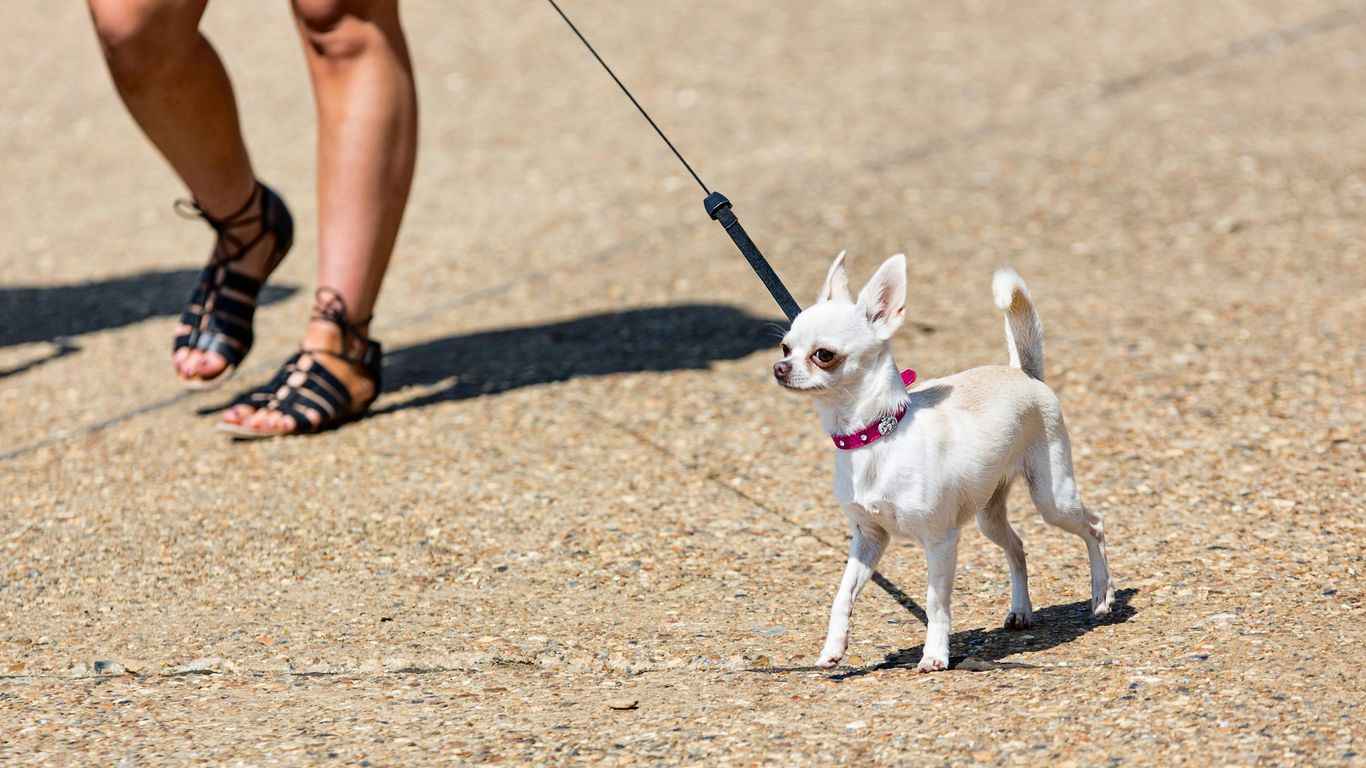
Look, training a puppy to walk nicely on a leash isn’t a one-and-done kind of deal. It takes time, and honestly, a good dose of patience. The biggest thing you can do to help your pup learn is to be consistent. This means that every single time your dog pulls, the reaction should be the same. And when they walk nicely, the reward should also be consistent. It’s like teaching them a new language; they need to hear the same words and see the same reactions over and over to get it.
The Importance Of Patience
Let’s be real, puppies are bundles of energy and curiosity. They’re going to pull, they’re going to get distracted, and sometimes, they’re just going to do their own thing. It’s totally normal. Don’t get discouraged if you don’t see results overnight. Some pups pick things up faster than others, and that’s okay. What matters is that you keep at it. If you find yourself getting frustrated, it’s a sign to take a break. Pushing when you’re annoyed rarely helps anyone, especially your dog. Remember, this is a journey, and celebrating the small wins, like even just a few steps without pulling, is a big deal.
Keeping Training Sessions Age-Appropriate
Puppies have short attention spans. Seriously, they can get overstimulated pretty quickly. Trying to do long, drawn-out training sessions will likely just lead to frustration for both of you. Shorter, more frequent sessions are way more effective. Think 5 to 10 minutes at a time, a few times a day. This keeps things fresh and fun, and it prevents your pup from getting too tired or bored. As they get older and their focus improves, you can gradually increase the session length.
Here’s a quick look at how you might structure your sessions:
- Young Puppies (8-12 weeks): Focus on very short introductions to the leash and collar indoors. Keep it positive and brief.
- Adolescent Pups (4-9 months): Can handle slightly longer sessions, maybe 10-15 minutes, and start practicing in low-distraction areas.
- Older Pups/Young Adults (9+ months): Sessions can be extended to 15-20 minutes, and you can introduce more challenging environments.
When To Take A Break From Training
Sometimes, you just know it’s not working. Maybe your puppy is having an off day, or maybe you are. If you notice your pup is getting overly stressed, anxious, or just plain not listening, it’s time to call it quits for the session. Pushing through can actually set you back. It’s better to end on a positive note, even if that means just a few minutes of calm walking or even just putting the leash away. You can always try again later or the next day. This approach helps maintain a positive association with training and prevents your dog from developing a negative view of leash walks. It’s all about keeping the experience positive, even when the progress feels slow. For more on handling reactivity, you might find this guide helpful addressing leash reactivity.
Consistency doesn’t mean perfection. It means showing up and doing your best, day after day, with the same clear expectations for your dog. If you slip up, just get back on track. Your dog will appreciate the steady guidance.
Advanced Leash Training Tips
Once your puppy has a good handle on the basics of leash walking, it’s time to build on that foundation. This stage is all about refining their skills and making walks more enjoyable and controlled for both of you. We’ll look at how to integrate commands, change up your walking routine, and build your dog’s confidence in different situations.
Incorporating Basic Commands
Now that your pup knows how to walk without pulling, let’s make those walks more interactive. You can start by asking for simple commands like ‘sit’ when you stop, or ‘watch me’ to get their attention. This keeps their mind engaged and reinforces your leadership. Try asking for a ‘sit’ before you cross the street or before they get to sniff an interesting spot. It’s a great way to practice impulse control.
- ‘Sit’ at stops: Ask your dog to sit whenever you pause during your walk. This helps them learn to stop with you and wait patiently.
- ‘Watch me’: Use this command to redirect their attention back to you, especially when distractions are present.
- ‘Leave it’: This is super useful for ignoring tempting items on the ground or distractions like squirrels.
Varying Walking Patterns
To keep things interesting and to further develop your dog’s focus, mix up your walking routes and patterns. Don’t just stick to the same old block. Explore different neighborhoods, parks, or even just change the direction you usually go. You can also practice different gaits – a little faster, a little slower, or even incorporate some gentle turns. This challenges your dog to stay attuned to your cues and adapt to new environments.
Here’s a simple way to structure a varied walk:
| Activity | Duration | Focus |
|---|---|---|
| Warm-up walk | 5 mins | Loose leash walking, sniffing |
| Pattern practice | 10 mins | Incorporate ‘sit’, ‘watch me’, turns |
| Distraction zone | 5 mins | Practice ‘leave it’ near mild distractions |
| Cool-down walk | 5 mins | Relaxed loose leash walking |
Building Confidence With Triggers
Many dogs can become anxious or reactive to certain sights, sounds, or other dogs. The goal here is to help your dog feel more comfortable and less reactive. This involves controlled exposure to these triggers at a distance where your dog notices them but doesn’t react negatively. When they see or hear the trigger and remain calm, reward them generously. Gradually decrease the distance as their confidence grows. The key is to stay below their reaction threshold.
It’s important to remember that progress isn’t always linear. Some days will be better than others, and that’s perfectly normal. If your dog has a setback, don’t get discouraged. Just go back to what worked before and build up again slowly. Patience and positive reinforcement are your best tools here.
- Identify triggers: What makes your dog nervous or overly excited? (e.g., skateboards, other dogs, loud noises).
- Start at a distance: Find a spot where your dog can see or hear the trigger without reacting.
- Reward calm behavior: When your dog notices the trigger but stays relaxed, give them praise and a treat.
- Gradually decrease distance: Slowly move closer over many sessions, always rewarding calm behavior.
Want to make walks with your furry friend more enjoyable? Mastering leash manners is key! We’ve got some awesome tricks to help your dog walk nicely by your side. Ready to transform those strolls into peaceful adventures? Visit our website for more expert advice and easy-to-follow guides on leash training your dog.
Keep Up the Great Work!
So, leash training your puppy might feel like a marathon sometimes, right? There will be days when it feels like you’re making zero progress, and that’s totally normal. Just remember all the little wins along the way. Every time your pup walks nicely for even a few steps, that’s a win! Keep being patient, stay consistent with those rewards – whether it’s a treat, a "good boy!", or a good scratch behind the ears – and you’ll get there. Soon enough, those walks will be less about the tug-of-war and more about enjoying the fresh air together. You’ve got this!
Frequently Asked Questions
What’s the best way to stop my puppy from pulling on the leash?
The most helpful trick is the ‘loose leash’ method. When your puppy pulls, you stop walking. As soon as the leash loosens up, you start walking again. Give your puppy a treat and praise when they walk nicely beside you. Being consistent and patient is key, and your puppy will learn not to yank you forward.
My puppy is 10 months old and pulls a lot, even inside. What should I do?
It sounds like your puppy might be easily distracted, especially with interesting smells on the floor. Try starting leash training indoors with very few distractions. Use high-value treats or a favorite toy to get their attention focused on you. Practice the loose leash method inside first, and gradually introduce outdoor distractions as they improve.
Can I ever walk my puppy quickly if I’m in a hurry?
Life gets busy, and sometimes you might need to get your puppy out for a quick potty break without a full training session. It’s okay to let them pull a little sometimes so you can manage your schedule. Some people use a different leash or harness for these quick trips so the puppy associates it with less structured walks. However, doing this too often can slow down your training progress, so try to stick to the training methods as much as possible.
Do puppies eventually stop pulling on their own?
Sadly, no. Puppies usually don’t grow out of pulling on the leash by themselves. If they learn that pulling gets them where they want to go, they’ll keep doing it as adults. Consistent training from a young age is the best way to make sure walks are enjoyable for both of you throughout your dog’s life.
How long should leash training sessions be for a puppy?
Puppies have short attention spans, so keep training sessions brief and fun. Aim for 5-10 minutes a few times a day. If your puppy seems tired, bored, or frustrated, it’s time to take a break. Long, overwhelming sessions can make them dislike leash walking.
What’s the best type of leash and collar for training?
For training, a standard leash that’s about 4 to 6 feet long is best. Avoid retractable leashes, as they can be dangerous and don’t offer much control. A flat collar or a well-fitting harness is recommended. Harnesses are great for preventing neck strain, especially for certain breeds. Make sure whatever you choose fits comfortably and securely.