
Getting a new puppy is super exciting, right? You’re probably picturing all the fun walks and cuddles. But before you know it, you’re knee-deep in training, and sometimes, things don’t go as planned. It’s easy to make mistakes when you’re a new dog parent, and honestly, most of us do! These common puppy training mistakes can pop up unexpectedly, but knowing about them beforehand can save you a lot of headaches. Let’s talk about some of the most frequent puppy training mistakes and how to steer clear of them.
Key Takeaways
- Start training your puppy as soon as they arrive home. Don’t wait for bad habits to form.
- Be consistent with your commands and rules. Using the same words and methods every time helps your puppy understand.
- Keep training sessions short and sweet, especially for young puppies. Stop before they get bored or frustrated.
- Socialization is vital. Safely introduce your puppy to new people, places, and other animals early on.
- Focus on rewarding good behavior with treats, praise, and affection. Avoid punishment for accidents, as it can cause fear and confusion.
Starting Puppy Training Too Late
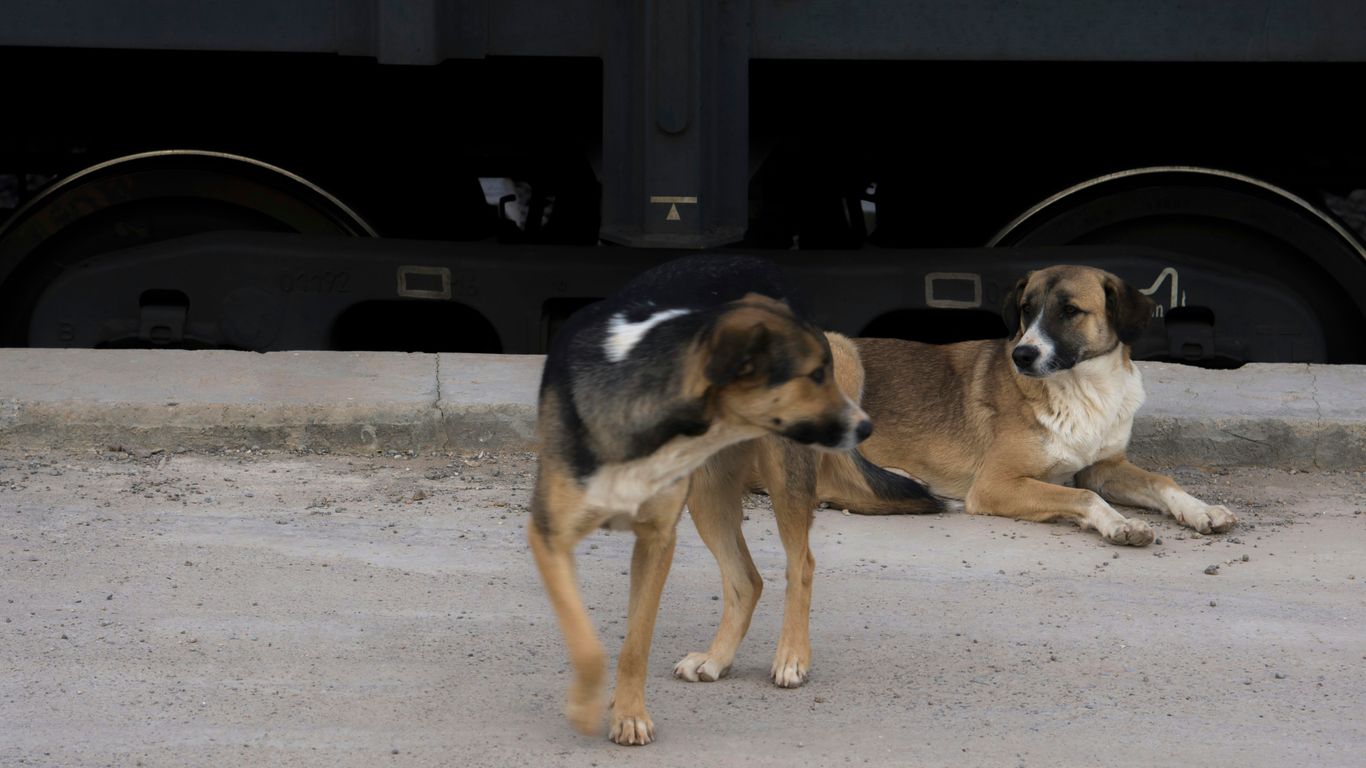
It’s easy to think that puppies are too young to learn much, or that they’ll just naturally grow out of certain behaviors. But honestly, waiting too long to start training can actually create more problems down the road. The first few months of a puppy’s life are a really important time for shaping their behavior and personality. The window for establishing good habits is open now, not later.
Begin Foundational Skills Early
Even tiny puppies can start learning the basics. Things like potty training, getting used to a leash, and learning their name are all things you can begin right away. It’s not about teaching them complex tricks; it’s about setting a foundation for good behavior. Think of it like building a house – you need a strong base before you can add the fancy stuff.
Address Behavior From Day One
When your puppy comes home, they’re already learning. If they jump on the furniture and you let them, they learn that’s okay. If they chew on your shoes and you don’t redirect them, they learn that’s acceptable. It’s better to guide them from the start. This doesn’t mean being harsh; it just means being clear about what you expect.
Enroll in Puppy Classes
Puppy classes are fantastic for a few reasons. They offer a structured environment to learn basic commands, and they also provide a safe space for your puppy to meet other dogs and people. This early socialization is super important for developing a well-adjusted dog. Plus, you get to ask a professional trainer all your burning questions. It’s a win-win.
Don’t wait for bad habits to form. Starting early with consistent guidance helps prevent issues before they become ingrained. It’s much easier to teach a puppy the right way from the beginning than to correct established behaviors later on.
Inconsistent Training Methods
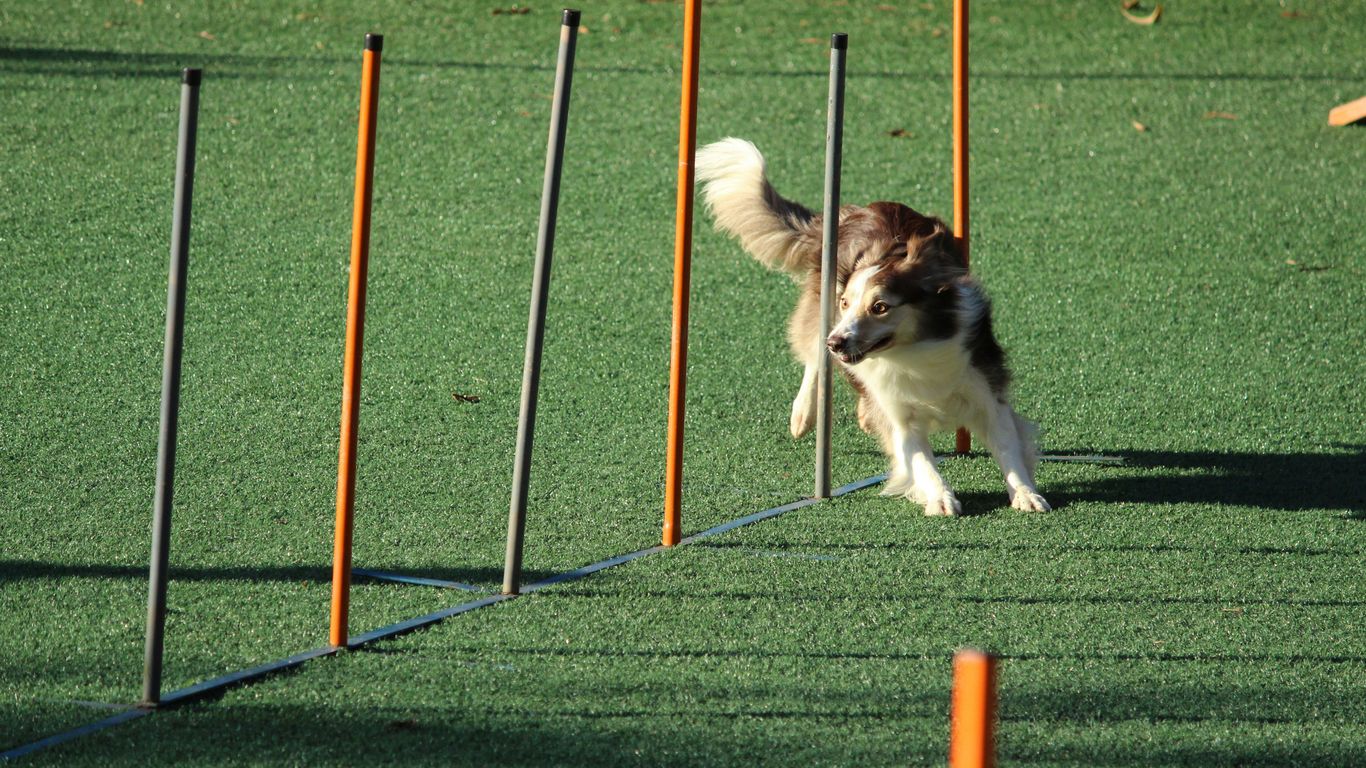
When you’re training your puppy, consistency is really the name of the game. It’s easy to get tripped up here, especially with how we humans use language. Dogs don’t grasp the subtle differences between ‘sit’ and ‘sit down,’ for instance. To them, these could be two entirely different commands. Sticking to the exact same words and signals every single time is key.
Maintain Consistent Commands
This means using the same word for the same action, always. If you decide ‘down’ means lie down, don’t switch to ‘get down’ or ‘lie on the floor’ later. Your puppy will get confused, and that’s not fair to them. It’s like trying to learn a new language where the teacher keeps changing the words for common objects. You’d get nowhere fast, right? The same applies to your furry friend. Using a consistent command helps them learn faster and builds their confidence.
Avoid Mixing Training Approaches
There are tons of training philosophies out there, and while some might have merit, bouncing between them can be a real problem. If one method isn’t clicking, it’s better to figure out why it’s not working and adjust, rather than just jumping to something completely different. Imagine trying to build a house by switching from using nails to screws to glue every few minutes – the structure would never hold. Find a training style that feels right for you and your dog, and stick with it. If you’re struggling, it’s okay to seek advice, but try to get a clear plan before making big changes. You can find some helpful tips for effective dog training here.
Establish Clear Boundaries
This ties into consistency. Everyone in the household needs to be on the same page. If one person allows the puppy on the couch and another doesn’t, the puppy learns that rules are flexible. This can lead to frustration for both the dog and the humans involved. Setting clear, firm boundaries from the start helps your puppy understand what’s expected of them, making training smoother for everyone.
Dogs thrive on predictability. When training methods are all over the place, it creates uncertainty. This uncertainty can lead to anxiety and make it harder for your puppy to learn and trust you. A predictable training environment fosters a more confident and well-behaved dog.
Here’s a quick look at why consistency matters:
- Faster Learning: Dogs learn cues more quickly when they are presented the same way every time.
- Reduced Confusion: Prevents your puppy from guessing what you want.
- Stronger Bond: Builds trust as your puppy learns they can rely on your cues.
- Better Behavior: Clear expectations lead to fewer unwanted behaviors.
Mismanaging Training Sessions
Training your puppy should be a positive experience for both of you, but it’s easy to fall into habits that make things harder than they need to be. When sessions aren’t set up right, your puppy can get confused, bored, or even stressed. This section looks at how to run your training time so your puppy actually learns and enjoys it.
Avoid Cue Nagging
This is a really common one. You say a command, like "sit," and your puppy doesn’t do it. So, you say it again. And again. And again. Before you know it, you’ve said "sit, sit, sit, sit!" What your puppy learns here isn’t "sit," it’s that they don’t have to listen until you’ve said it five times. The goal is for your puppy to respond to a cue the first time it’s given. If your puppy is distracted and you don’t think they’re paying attention, it’s better to pause and get their focus back before you even say the command. Trying to get their attention with a quick noise or a treat can work wonders before you ask them to do something.
Practice in Short, Frequent Bursts
Puppies have short attention spans, much like toddlers. Trying to force a long training session when they’re not engaged is a recipe for frustration. Instead, aim for several short sessions throughout the day. Think 5 to 10 minutes at a time. This keeps things fresh and fun, and it helps your puppy build good habits without getting overwhelmed. It’s way better to have three 5-minute sessions than one 15-minute session where your puppy checks out halfway through.
Stop When Frustrated
We’ve all been there. You’re trying to teach your puppy something, and it’s just not clicking. You start to feel annoyed, maybe even angry. Training when you’re feeling frustrated is counterproductive. Your puppy can sense your mood, and it can make them anxious or shut down. If you find yourself getting upset, it’s time to take a break. Step away, play a quick game of fetch, or just give your puppy some cuddles. Come back to training later when you’re both feeling calm and positive. It’s better to end on a good note, even if it’s just a simple "sit" that they got right, than to push through and create a negative experience.
Neglecting Socialization
So, you’ve got this adorable little fluffball, and you’re focused on teaching them ‘sit’ and ‘stay’. That’s great, really! But there’s this other huge piece of the puzzle that new puppy parents sometimes overlook, and it’s called socialization. This is where your puppy learns how to be a well-adjusted member of society, both human and canine. It’s not just about them being friendly; it’s about them understanding how to react appropriately in different situations. Skipping this step can lead to a dog who’s fearful, anxious, or even aggressive later on, and trust me, that’s a much harder problem to fix.
Introduce New Experiences Safely
Think of this as your puppy’s first introduction to the big, wide world. But just like you wouldn’t throw a toddler into a crowded concert, you can’t just expose your puppy to everything all at once. The key here is gradual and positive. Start small. Let them see and hear things from a distance. Maybe it’s a quiet street with people walking by, or a park where they can watch other dogs play from afar. The goal is for them to see these new things not as scary threats, but as normal parts of life. Make sure they have a safe space to retreat to if they feel overwhelmed. This might be your lap, or a familiar blanket.
Encourage Positive Interactions
Once your puppy is comfortable with new sights and sounds, it’s time for interactions. This is where puppy classes really shine. They offer a controlled environment where your pup can meet other vaccinated, well-behaved puppies and people. But even outside of classes, look for opportunities. A calm, friendly neighbor’s dog can be a great first friend. Always supervise these interactions closely. You want to make sure they are positive for everyone involved. If your puppy seems scared or unsure, don’t force it. Let them observe first. A bad interaction early on can set them back.
Understand Puppy Temperaments
Every puppy is an individual, just like people. Some are naturally bold and curious, while others are more reserved and cautious. It’s super important to recognize your puppy’s personality. A shy puppy might need more time and gentle encouragement to warm up to new people or dogs. Pushing them too fast can make them shut down or become fearful. On the flip side, an overly boisterous puppy might need guidance on how to play appropriately without overwhelming others. Pay attention to their body language – tucked tails, flattened ears, or lip licking can be signs of stress. Adjust your approach based on what your individual puppy is telling you.
Socialization isn’t a one-time event; it’s an ongoing process throughout your dog’s life. The early weeks are the most critical for shaping their worldview, but continuing to expose them to new and positive experiences will help them remain confident and adaptable as they grow.
Improper Use of Reinforcement
When you’re training your puppy, how you reward them makes a big difference. It’s not just about giving treats; it’s about how and when you give them, and what else you use to show your dog they’ve done a good job. Getting this wrong can confuse your pup or even make them less eager to learn.
Reward Desired Behaviors
This might sound obvious, but it’s easy to miss the mark. You want to reward your puppy the instant they do the right thing. If you’re teaching ‘sit’ and your puppy’s bottom hits the floor, that’s the moment for a treat and praise. Waiting too long means your puppy might not connect the reward with the action. Keep treats handy, maybe in a pocket or a treat pouch, so you can deliver them quickly. Timing is everything in positive reinforcement.
Utilize Praise and Affection
Treats are great, but they shouldn’t be the only thing your puppy works for. Your verbal praise and a good scratch behind the ears can be just as motivating, especially as your puppy gets older and you want to phase out constant treats. However, if you just say ‘good dog!’ without any real enthusiasm or follow-up, your puppy might learn that those words don’t mean much. Make your praise sound genuinely happy! It helps build a stronger bond and shows your puppy that you’re pleased with their efforts. Think of it as adding a little extra sparkle to their training success.
Avoid Punishment for Accidents
Accidents happen, especially with young puppies. When your puppy has an accident inside, resist the urge to scold or punish them. They don’t understand why you’re upset, and punishment can make them fearful or anxious, potentially leading them to hide their accidents instead of eliminating them. Instead of punishing, focus on cleaning up the mess without fuss and recommitting to your potty training schedule. If you catch them in the act, a calm interruption and redirection to the appropriate potty spot is more effective. Remember, training is about building positive associations, not creating fear.
It’s important to remember that your puppy is still learning. They don’t have the same understanding of rules as humans do. Instead of getting frustrated with mistakes, see them as opportunities to guide your puppy better. Focus on what you want them to do, and reward that behavior consistently. This approach builds trust and makes training a more enjoyable experience for both of you. If you’re struggling with potty training or other issues, consider seeking advice from a professional trainer or looking into resources like puppy training tips.
Ignoring Puppy’s Needs
It’s easy to get caught up in the excitement of a new puppy, but sometimes we forget that they have basic needs that must be met for them to thrive. Overlooking these can lead to all sorts of behavioral issues, from accidents in the house to destructive chewing. Think of it like this: if you’re constantly tired and hungry, you’re not going to be at your best, right? Puppies are the same way.
Ensure Sufficient Exercise
Puppies have a lot of energy, and if they don’t have an outlet for it, they’ll find their own ways to burn it off – and you probably won’t like those ways. This could mean chewing up your favorite shoes or digging holes in the yard. A tired puppy is a good puppy, as they say. Regular walks, playtime in a secure yard, or even short bursts of fetch can make a huge difference. The amount of exercise needed varies by breed and age, but aim for at least two or three short sessions a day. It’s not just about tiring them out; it’s also about mental stimulation and bonding time.
Provide a Safe Crate Environment
Many people think crates are cruel, but when used correctly, they’re a puppy’s safe haven. It’s their own little den where they can retreat and feel secure. Crate training can also be a lifesaver for potty training, as dogs naturally avoid soiling their sleeping area. Start with short periods, making it a positive experience with treats and toys. Never use the crate as punishment. The goal is for your puppy to want to go in there. A crate that’s too large can defeat the purpose, as they might use one end as a bathroom. It should be just big enough for them to stand up, turn around, and lie down comfortably.
Don’t Overwhelm with Freedom
When you first bring a puppy home, it’s tempting to let them roam freely and explore every nook and cranny. However, this can be a recipe for disaster. Without supervision, puppies can get into trouble, have accidents, or chew on things they shouldn’t. It’s better to start with limited access to your home, using baby gates or playpens to create safe, contained areas. As your puppy matures and proves they can be trusted, you can gradually expand their freedom. This structured approach helps them learn boundaries and reduces the chances of them getting into harmful situations or developing bad habits. If you can’t actively supervise your puppy, it’s best to put them in their crate or a secure playpen.
Creating Negative Associations
Sometimes, without even realizing it, we can accidentally teach our puppies to dislike certain things. This happens when we link a command or a training activity with something unpleasant for them. It’s like if your parents always made you do chores right after you got home from school – you might start to dread going home! With puppies, this can lead to them ignoring commands or becoming anxious during training.
Prevent Cue Poisoning
Cue poisoning is a big one. It’s when a word or signal you use to ask your dog to do something becomes associated with a bad experience. For example, if you only ever call your puppy to come for a bath, which they hate, they’ll start to think that
Sometimes, we accidentally teach our dogs bad habits by not being careful. It’s easy to make mistakes when you’re training, but understanding how dogs learn helps a lot. Want to learn how to avoid common training errors and build a better relationship with your furry friend? Visit our website to discover effective, positive training methods that work!
Wrapping Up Your Puppy Training Journey
So, we’ve covered a bunch of common slip-ups people make when training their new puppies. It’s easy to get caught up in the excitement and forget some basics, or maybe try methods that just don’t quite work. Remember, consistency is key, and keeping training sessions short and positive makes a big difference. Don’t get discouraged if things aren’t perfect right away; every puppy learns at their own pace. By avoiding these common mistakes and focusing on patience and positive reinforcement, you’re well on your way to raising a happy, well-behaved dog. It’s a journey, for sure, but a really rewarding one when you see your pup start to get it!
Frequently Asked Questions
When should I start training my puppy?
It’s best to begin training your puppy as soon as possible, ideally from the moment they come home. Even young puppies can start learning basic manners, potty training, and simple commands. Waiting too long can make it harder for them to learn and might allow bad habits to form.
Why is consistency so important in puppy training?
Puppies learn best when rules and commands are the same every time. If you use different words for the same action or have different expectations on different days, your puppy will get confused. Sticking to consistent commands and rules helps them understand what you want them to do much faster.
How long should training sessions be?
Puppies have short attention spans, similar to young children. Keep training sessions short and fun, usually around 5 to 10 minutes. It’s better to have a few short sessions throughout the day than one long one. This helps keep them engaged and prevents them from getting bored or frustrated.
What is socialization and why is it important?
Socialization means safely introducing your puppy to new people, places, sounds, and other animals. This helps them grow into a confident, well-adjusted dog who isn’t fearful or reactive. It’s crucial to do this early on, but always ensure it’s done in a safe and positive way, especially after your vet says it’s okay.
Should I punish my puppy for accidents?
No, you should never punish your puppy for accidents. They don’t understand why they’re in trouble, and punishment can make them fearful or anxious. Instead, focus on positive reinforcement for good behavior and clean up accidents without fuss. If you catch them in the act, calmly redirect them outside.
What’s the best way to reward my puppy?
Positive reinforcement is key! Reward your puppy immediately when they do something right. This can be with small, tasty treats, enthusiastic praise, petting, or a favorite toy. Rewards help your puppy associate good behavior with positive outcomes, making them more likely to repeat it.