
Taking your dog out on the trails can be a great way to bond and get some exercise. But, it’s not as simple as just grabbing the leash and heading out. You really need to get your dog ready for the outdoors. This means making sure they’re fit enough, know basic commands, and understand how to act around other people and wildlife. If you want to know how to train a dog to stay on trails, getting them ready beforehand is a big part of it. A little planning goes a long way to make sure everyone has a good time and stays safe.
Key Takeaways
- Before you hit the trail, check if your dog is really ready for a hike. Think about their age and breed, and maybe even ask your vet.
- Make sure your dog knows basic commands like ‘stay’ and ‘come’. This is super important for their safety and for everyone else on the trail.
- Always keep your dog on a leash, especially in areas with wildlife. This helps prevent bad encounters and keeps your dog from running off.
- Pick trails that match what your dog can handle. Don’t go for super hard trails if your dog isn’t used to them.
- Bring plenty of water for your dog and some snacks. Also, be sure to clean up after them – nobody wants to see dog waste on the trail.
Pre-Hike Preparation for Dog Hiking
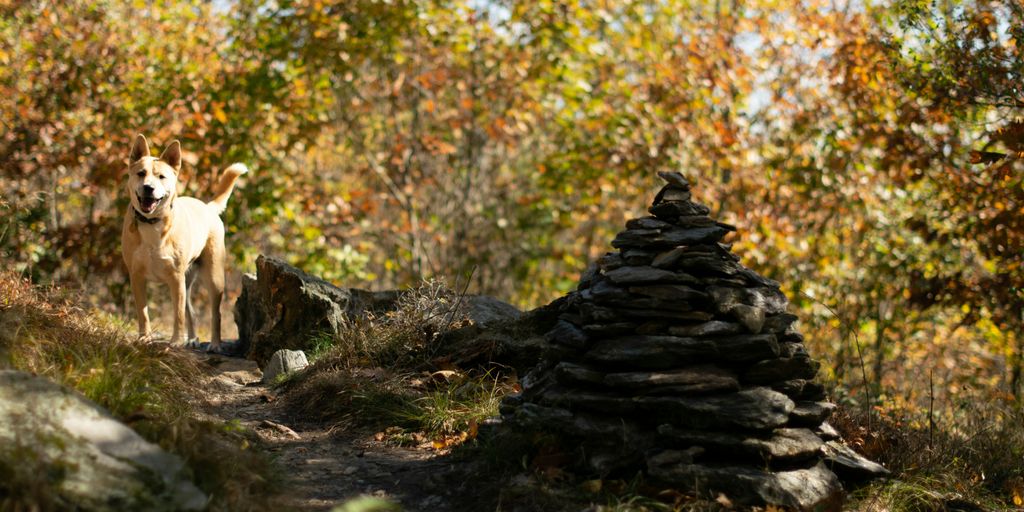
Before you even think about hitting the trails with your furry friend, some prep work is needed. It’s not just about grabbing a leash and going; it’s about making sure both you and your dog are ready for a safe and enjoyable experience. Think of it as setting the stage for a great adventure. Let’s get into the details.
Assessing Your Dog’s Fitness Level
First things first, is your dog actually ready for a hike? Just like humans, dogs have different fitness levels. A couch potato pug isn’t going to handle a strenuous mountain trail the same way a border collie would. Consider your dog’s breed, age, and overall health. If you’re unsure, a quick visit to the vet is always a good idea. They can give you the green light and point out any potential issues. Start with short, easy walks and gradually increase the distance and difficulty. Pay attention to your dog’s body language. Are they panting excessively? Lagging behind? These are signs they might be pushing themselves too hard. It’s better to err on the side of caution and build up their stamina over time. This ensures dog hiking is a positive experience.
Essential Commands for Trail Safety
Basic obedience is non-negotiable. Your dog needs to know and reliably respond to certain commands before you even consider taking them on a trail. We’re talking about the basics: sit, stay, come, leave it, and drop it. These aren’t just cute tricks; they’re essential for safety. Imagine your dog spots a squirrel and takes off running. A solid recall command could prevent them from getting lost or running into danger. "Leave it" can stop them from eating something potentially toxic. Practice these commands in various environments, not just at home. Parks, sidewalks, and even your backyard can provide distractions to help proof your dog’s training.
Packing for Your Canine Companion
Your dog can’t pack their own bag, so that task falls to you. Think about what they’ll need for a comfortable and safe hike. Here’s a quick checklist:
- Water and a portable bowl: Hydration is key, especially on warm days.
- Food and treats: Keep their energy levels up.
- Waste bags: Be a responsible pet owner and clean up after your dog.
- Leash and harness/collar: A secure way to keep them close when needed.
- First-aid kit: Include items like antiseptic wipes, bandages, and any medications your dog might need.
Don’t forget about paw protection! Depending on the terrain, consider dog booties to prevent injuries. And always pack a towel for muddy paws after the hike. A little preparation goes a long way in ensuring your dog’s comfort and safety on the trail. Remember to check trail conditions before you go!
Training Your Dog for Trail Behavior
Mastering Leash Walking Skills
Leash walking is the foundation for safe trail hiking. A dog that pulls constantly can be a danger to themselves and others. Start practicing in low-distraction environments, like your backyard or a quiet park. Use positive reinforcement, rewarding your dog for walking nicely by your side. Short, frequent training sessions are more effective than long, drawn-out ones. Gradually increase the difficulty by introducing more distractions, such as other dogs or people. If your dog is struggling, consider using a front-clip harness or a gentle leader to help control their pulling. Remember to be patient and consistent, and your dog will eventually learn to walk politely on a leash.
Teaching Essential Trail Commands
Certain commands are non-negotiable for trail safety. "Leave it" is crucial for preventing your dog from ingesting something harmful or disturbing wildlife. "Stay" is important for keeping your dog safe when encountering other hikers or obstacles. "Heel" ensures your dog walks politely by your side, especially in narrow sections of the trail. Practice these commands regularly in various environments, gradually increasing the level of distraction. Use high-value treats to motivate your dog and make training fun. Consider using hand signals in addition to verbal commands, as they can be useful when your dog is further away or when there’s a lot of background noise. These essential commands will help keep your dog safe and under control on the trail.
Practicing Recall in Distracting Environments
Recall, or coming when called, is arguably the most important command for off-leash hiking. A reliable recall can save your dog’s life in a dangerous situation. Start by practicing recall in a safe, enclosed area with minimal distractions. Use a high-value reward, such as a favorite toy or treat, to motivate your dog. Gradually increase the distance and level of distraction as your dog improves. Practice recall in different environments, such as parks, fields, and eventually, on the trail. Use a long leash during initial trail practice to prevent your dog from running off. If your dog doesn’t respond to recall, go back to basics and practice in a less distracting environment. A strong recall is the key to safe off-leash hiking.
Training your dog for trail behavior takes time and patience. Don’t get discouraged if your dog doesn’t learn everything overnight. Be consistent with your training, use positive reinforcement, and celebrate your dog’s successes. With dedication and effort, you can train your dog to be a well-behaved and enjoyable trail companion.
Choosing the Right Trail for Your Dog’s Fitness Level
Not all trails are created equal, especially when you’re bringing your furry friend along. It’s super important to pick a trail that matches your dog’s current fitness level and abilities. Pushing them too hard can lead to injuries or just a miserable experience for everyone involved. Let’s be real, nobody wants a grumpy, tired dog on the trail.
Matching Trails to Your Dog’s Abilities
Think about your dog’s breed, age, and overall health. A young, energetic Border Collie can probably handle a more challenging trail than a senior Bulldog. Start with shorter, easier trails and gradually increase the difficulty as your dog gets more conditioned. Pay attention to how your dog is doing during the hike. Are they panting excessively? Are they lagging behind? These are signs that the trail might be too tough. You can find dog-friendly hiking trails that are perfect for your dog’s fitness level.
Considering Terrain and Elevation
Terrain and elevation play a big role in trail difficulty. Rocky, uneven terrain can be tough on your dog’s paws and joints. Steep inclines can be tiring, especially for dogs that aren’t used to them. Consider trails with softer surfaces, like dirt or packed gravel, and avoid trails with lots of sharp rocks or loose scree. Also, be mindful of the elevation gain. A trail that’s relatively flat might be a good starting point, while a trail with a significant elevation change should be reserved for more experienced dogs.
Researching Dog-Friendly Trails
Before you head out, do your homework! Look for trails that are specifically designated as dog-friendly. This usually means that dogs are allowed on the trail and that there are resources available, like waste bags and water stations. Check online trail guides and reviews to get an idea of the trail’s difficulty, terrain, and elevation.
It’s also a good idea to check the weather forecast before you go. Hot weather can be especially dangerous for dogs, so avoid hiking during the hottest part of the day. Bring plenty of water for both you and your dog, and consider using a cooling vest or bandana to help keep your dog cool.
Here are some things to look for when researching trails:
- Trail length and elevation gain
- Terrain type (rocky, dirt, gravel, etc.)
- Availability of water sources
- Presence of shade
- Recent trail conditions reports
Managing Trail Hazards: Wildlife, Plants, and Terrain
Preventing Wildlife Encounters
One of the biggest concerns when hiking with your dog is encountering wildlife. Keeping your dog on a leash is the simplest way to prevent dangerous interactions. It’s not just about protecting your dog; it’s also about protecting the wildlife. A curious dog can easily disturb or even injure wild animals, and vice versa. Before you head out, research the area you’ll be hiking in to understand what kind of wildlife you might encounter. Carry bear spray if you’re in bear country, and know how to use it. Train your dog with essential commands like "leave it" and "stay" so you can quickly control them if you spot an animal.
- Always be aware of your surroundings.
- Make noise to alert wildlife to your presence.
- Never approach or feed wild animals.
Remember, you’re a visitor in their home. Respect their space, and keep your dog under control.
Identifying and Avoiding Toxic Plants
Many plants can be harmful, even deadly, to dogs. Poison ivy, oak, and sumac are common culprits, causing skin irritation. Other plants, like certain types of mushrooms, can be toxic if ingested. Teach your dog to avoid eating plants along the trail. Familiarize yourself with the toxic plants common in your hiking area. If your dog does come into contact with a potentially toxic plant, wash the affected area immediately and contact your vet.
- Research local toxic plants before your hike.
- Keep your dog on the trail to minimize exposure.
- Carry a pet-safe first-aid kit with supplies for treating skin irritations.
Navigating Challenging Terrain Safely
The terrain itself can pose a risk to your dog. Steep inclines, loose rocks, and slippery surfaces can lead to injuries. Choose trails that match your dog’s fitness level and physical abilities. If you’re hiking on rocky terrain, consider using dog boots to protect their paws. Be extra cautious near cliffs or drop-offs. If you encounter a particularly difficult section, don’t hesitate to turn back or find an alternate route. Always prioritize your dog’s safety. Pay attention to trail difficulty ahead of time.
- Assess the terrain before starting your hike.
- Use appropriate gear, like dog boots, if needed.
- Take breaks to allow your dog to rest and recover.
Ensuring Hydration and Nutrition on the Trail
Providing Adequate Water Breaks
It’s easy to forget about your dog’s needs when you’re focused on your own hike, but hydration is super important. Plan to offer water every 30 minutes, especially if it’s warm out. A good rule of thumb is to bring an extra liter of water just for your dog. I always pack a collapsible bowl; they’re lightweight and easy to carry. Don’t let your dog drink from puddles or stagnant water – you never know what’s lurking in there. Keep an eye out for signs of dehydration, like heavy panting or if they seem tired.
Packing Appropriate Food and Snacks
Just like us, dogs need fuel for a hike! How much food you pack depends on the length and intensity of the trail. For a short hike, a few high-value treats might do the trick. For longer hikes, bring a portion of their regular food. I like to pack it in a zip-lock bag to save space. Consider these points when packing:
- Calorie Density: Choose foods with high calorie content to maximize energy.
- Portability: Opt for lightweight, easy-to-carry options.
- Digestibility: Stick to foods your dog is familiar with to avoid stomach upset.
Remember, a tired and hungry dog is not a happy hiker. Plan ahead and pack accordingly to keep their energy levels up throughout the adventure.
Avoiding Contaminated Water Sources
While a stream might look refreshing, it could be full of nasty bacteria or parasites. It’s best to avoid letting your dog drink from any natural water source unless you’re absolutely sure it’s safe. Giardia and other waterborne illnesses can ruin a hike (and your dog’s health). If you’re going on a long hike where you might need to use natural water sources, consider bringing a water filtration system designed for pets. It’s a small investment that can make a big difference. Always carry extra water as a backup, and be prepared to share!
Practicing Leave No Trace Principles with Your Dog
It’s super important to remember that enjoying the outdoors comes with a responsibility to protect it. This applies to our furry friends too! We want to make sure our dogs are good stewards of the environment, so everyone can enjoy the trails for years to come. It’s not just about picking up after ourselves; it’s about minimizing our impact in every way possible. Let’s dive into how we can train our dogs to be eco-conscious hikers.
Staying on Designated Trails
Keeping your dog on the trail is crucial for protecting fragile ecosystems. Wandering off-trail can damage plants, disturb wildlife habitats, and contribute to erosion. It’s tempting to let your dog explore, but sticking to the path helps preserve the natural environment. Plus, it keeps your dog safe from hidden hazards like thorny bushes or unstable ground. Think of it as respecting the boundaries of nature. If you are looking for dog hiking tips, make sure to research the area beforehand.
Proper Waste Management
This one’s a no-brainer, but it’s worth repeating: always, always pick up after your dog. Dog waste isn’t just unsightly; it can contaminate water sources and spread diseases. Carry waste bags with you on every hike, and dispose of them properly in designated trash receptacles. If there aren’t any trash cans available, pack the waste out with you. No one wants to step in a surprise on the trail!
It’s a good idea to double-bag the waste, especially on longer hikes, to minimize odors. Consider using biodegradable bags to reduce your environmental impact even further. Remember, being a responsible dog owner means taking care of the planet too.
Respecting Wildlife and Other Hikers
Our dogs can be curious creatures, but it’s important to teach them to respect wildlife and other hikers. Keep your dog on a leash in areas where wildlife is present to prevent chases or encounters that could harm both your dog and the animals. Also, be mindful of other hikers on the trail. Not everyone is a dog person, and some people may be afraid of dogs. Keep your dog under control and yield the right-of-way to other hikers. A little courtesy goes a long way in ensuring everyone has a pleasant experience. Make sure to follow trail rules to keep the peace.
Troubleshooting Common Trail Challenges
Addressing Leash Pulling
Leash pulling is a frequent issue, especially with enthusiastic dogs. The key is consistency and patience. Start with short training sessions in low-distraction environments. If your dog starts to pull, stop immediately. Wait for them to stop pulling, and then reward them with praise and a treat. You might want to try different types of leashes or harnesses to see what works best for your dog. For example, a front-clip harness can discourage pulling by gently redirecting your dog’s attention. Remember to keep the leash loose and reward your dog for walking nicely by your side. It’s a process, and it takes time, but with consistent effort, you can train your dog to walk politely on a leash. Don’t forget to bring all-mountain leashes for better control.
Managing Distractions on the Trail
Trails are full of exciting smells, sights, and sounds that can easily distract your dog. To manage these distractions, start by teaching your dog a solid "leave it" command. This command can be used to redirect their attention away from interesting things like squirrels or other hikers. When you see a potential distraction ahead, use the "leave it" command and reward your dog for obeying. Gradually increase the level of distraction as your dog improves. It’s also helpful to carry high-value treats to keep their attention focused on you. If your dog is particularly reactive, consider hiking during off-peak hours when there are fewer people and animals around. Remember, patience is key when dealing with distractions.
Seeking Professional Training Assistance
Sometimes, despite your best efforts, you might encounter challenges that are difficult to overcome on your own. In these cases, seeking professional training assistance can be incredibly beneficial. A certified dog trainer can provide personalized guidance and help you address specific behavioral issues. They can also teach you effective training techniques and help you understand your dog’s behavior better. Don’t hesitate to reach out to a professional if you’re feeling stuck or overwhelmed. It’s an investment in your dog’s well-being and your enjoyment of future hikes. A trainer can help with off-leash dog training if that’s your goal.
Remember, every dog is different, and what works for one dog may not work for another. Be patient, consistent, and always prioritize your dog’s safety and well-being. With the right training and preparation, you and your furry friend can enjoy many happy and safe adventures on the trails.
Even the most experienced hikers can run into unexpected issues on the trail. Don’t let common problems like leash pulling or getting distracted ruin your outdoor fun. Our website has lots of helpful tips and tricks to make sure your dog is a perfect trail buddy. Check out our best dog training courses to learn more!
Wrapping It Up: Happy Trails Ahead!
So, there you have it. Getting your dog ready for trail adventures takes some work, but it’s totally worth it. Think about all the fun you’ll have together, exploring new places. Just remember to start slow, be patient, and keep practicing those commands. Every little bit of training helps. Soon enough, you and your furry friend will be hitting those trails like pros, making memories and enjoying the great outdoors safely. Happy hiking!
Frequently Asked Questions
What should I do to get my dog ready for a hike?
Before hitting the trails, make sure your dog is healthy enough for the trip. Check with your vet, especially if your dog is older or very young. Teach them basic commands like “stay,” “come,” and “leave it.” Also, pack essentials like water, food, a leash, and a first-aid kit for your furry friend.
Why is it important to keep my dog on a leash while hiking?
It’s super important to keep your dog on a leash on most trails. This helps keep them safe from wild animals and prevents them from bothering other hikers or getting lost. Even if your dog is really good off-leash, many parks require leashes for everyone’s safety.
How can I make sure my dog doesn’t harm the environment on our hike?
Always pick up your dog’s poop and carry it out with you until you find a trash can. Don’t leave bags of poop on the side of the trail. Also, make sure your dog stays on the marked path to protect plants and animals, and don’t let them chase wildlife.
What dangers should I be aware of for my dog on the trail?
Watch out for wild animals like deer, bears, or even small critters. Keep your dog close and on a leash. Learn to spot poisonous plants like poison ivy or certain mushrooms. Also, be careful on tricky parts of the trail, like steep hills or slippery rocks, to avoid injuries.
How do I pick the best trail for my dog?
Choose trails that match your dog’s energy level and physical ability. A young, energetic dog might enjoy a longer, tougher hike, while an older or smaller dog might do better on a shorter, flatter path. Look up trail information online beforehand to see if it’s dog-friendly and what the terrain is like.
My dog gets too excited on walks. How can I manage their behavior on the trail?
If your dog pulls on the leash, practice walking nicely in less distracting places first. Use treats to reward them when they walk by your side. If they get too excited by other dogs or people, try to distract them with a treat or toy. If you’re really struggling, a professional dog trainer can offer personalized help.