
Puppies bark. It’s their way of talking to us, and sometimes, it can get a little much. Whether they’re excited, bored, or feeling a bit anxious, excessive barking can be a real headache. But don’t worry, there are plenty of effective puppy barking solutions out there that can help you and your furry friend find some peace and quiet. We’ll explore why they bark and how to manage it.
Key Takeaways
- Understanding why your puppy barks is the first step to finding the right puppy barking solutions. Look at triggers like boredom, anxiety, or communication needs.
- Positive reinforcement is a great way to encourage quiet behavior. Reward your puppy with treats and praise when they are silent, and teach them alternative actions.
- Managing what sets your puppy off is important. Try to desensitize them to triggers, use distractions like toys, or create barriers to block stimuli.
- Making sure your puppy gets enough exercise and mental stimulation can significantly reduce barking. A tired and engaged puppy is less likely to bark out of boredom.
- Sometimes, you might need a little extra help. Consulting a professional dog trainer can provide tailored puppy barking solutions and guidance for challenging situations.
Understanding Why Your Puppy Barks
So, your little furball has found their voice, huh? It’s totally normal for puppies to bark. It’s their main way of talking to us and the world around them. But when it feels like it’s non-stop, it can get a bit much. The good news is, once we figure out why they’re making all that noise, we can start to help them chill out. It’s not about stopping them from barking altogether, but about teaching them when it’s okay and when to use their indoor voice.
Puppies bark for all sorts of reasons, and it’s rarely just one thing. Sometimes they’re trying to tell you something, like
Positive Reinforcement For Quieter Pups
Sometimes, it feels like your puppy has a built-in siren. While barking is a natural way for dogs to communicate, excessive noise can be a real headache. The good news is, you can shape your puppy’s behavior using positive methods. This approach focuses on rewarding the good stuff – like quiet moments – rather than punishing the barking itself. It’s all about teaching your pup what you do want them to do.
Rewarding Silence With Treats And Praise
This is pretty straightforward, really. When your puppy is quiet, even for a few seconds, you mark that behavior with a treat and some happy talk. The key is to be consistent and quick with your rewards. If your puppy barks, you don’t give them attention. The moment they pause, even to take a breath, that’s your cue to reward. Over time, your puppy will start to connect silence with good things happening.
Here’s a simple way to think about it:
- Barking happens: You ignore it. No eye contact, no talking, no fuss.
- Puppy pauses: Even a brief moment of quiet counts!
- Reward! Immediately offer a small, tasty treat and some cheerful praise like "Good quiet!"
- Repeat: The more you do this, the more your puppy will understand that being quiet gets them what they want.
It might take a while, and you’ll need to be patient. Some days will be better than others. You can even use this method when your puppy is in a crate or a gated area. Just wait for a moment of quiet before opening the door or offering a new toy. This helps them learn that calm behavior gets them freedom or fun things.
Using Clicker Training To Mark Good Behavior
Clicker training is a fantastic tool for positive reinforcement. Think of the clicker as a super-precise way to tell your puppy, "Yes, that exact thing you just did is what I like!" The click is followed immediately by a treat. It’s like taking a snapshot of the good behavior. This helps your puppy learn much faster because they know precisely what earned them the reward. You can use it to reward any instance of quiet, or even to teach new commands that are incompatible with barking, like fetching a toy. This method is great for building a strong communication line with your dog and can be a really effective way to train your dog to be quiet.
Teaching Alternative Behaviors
Sometimes, your puppy barks because they don’t know what else to do. Teaching an alternative behavior gives them a job that prevents barking. For example, if the doorbell rings and your puppy usually barks, you can teach them that the doorbell means they should go get a specific toy. They can’t bark with a toy in their mouth, right? This redirects their energy and gives them a positive action to perform instead of barking. You can also train calm behaviors, like going to a mat and settling down, which are the opposite of a barking frenzy. This approach addresses the root of the barking by providing a constructive outlet.
It’s important to remember that changing barking habits takes time and consistency. Don’t get discouraged if you don’t see results overnight. Focus on rewarding the small victories and building on them. Every quiet moment is a step in the right direction.
This method is about showing your puppy what you want, rather than just telling them what not to do. By rewarding quiet and teaching them other ways to communicate or occupy themselves, you’re building a more harmonious relationship and a quieter home.
Managing Barking Triggers Effectively
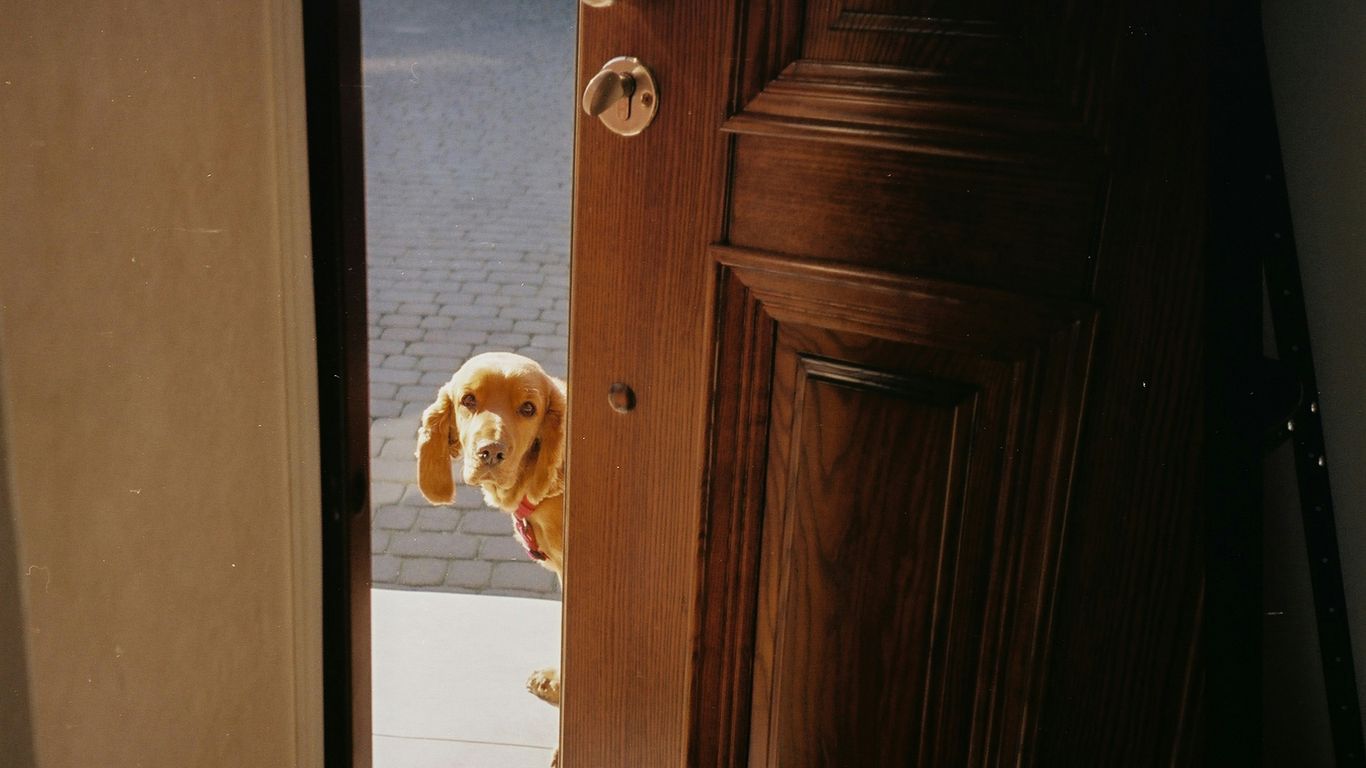
Sometimes, it feels like your puppy barks at everything. The mail carrier, a leaf blowing down the street, the neighbor’s cat – you name it, they’ll bark at it. While barking is a natural way for dogs to communicate, excessive barking at every little thing can be a real headache. The good news is, you can manage these triggers and help your pup learn to be a bit more chill.
Desensitizing To Specific Stimuli
This is all about slowly getting your puppy used to whatever it is that sets them off. You start with the trigger way, way in the distance. Like, if your dog barks at other dogs, have a friend with a dog stand across the street, or even further. As long as your puppy isn’t barking, give them super tasty treats and praise. The moment the trigger disappears, so do the treats. Gradually, over many sessions, you can bring the trigger a little closer. If your puppy barks, you’ve moved too fast, so back up a bit. It takes patience, but it really works to change their emotional response from ‘bark!’ to ‘oh, that thing? I get treats.’
Here’s a basic plan:
- Start far away: Position the trigger (e.g., another dog, a person walking by) at a distance where your puppy notices it but doesn’t react.
- Reward calm: As long as your puppy is looking at the trigger without barking, feed them high-value treats.
- Gradual approach: Slowly decrease the distance over multiple sessions, always rewarding quiet observation.
- Retreat if needed: If your puppy barks, you’ve gotten too close. Increase the distance and try again.
Distraction Techniques With Engaging Toys
When you know a trigger is coming, or even just to keep your puppy occupied, toys can be a lifesaver. Think about those puzzle toys you can stuff with kibble or peanut butter. These aren’t just fun; they’re a great way to redirect your puppy’s attention. If the doorbell rings, and that usually sends your pup into a barking fit, you can toss them a stuffed Kong. They’ll be so busy trying to get the goodies out, they might not even notice the visitor. This is a fantastic way to keep them busy when you’re out of the house too, preventing them from barking at every little sound outside. You can even use these toys as a reward during training sessions.
Creating Environmental Barriers
Sometimes, the easiest way to stop barking is to simply block the view. If your puppy barks at everything they see out the window, consider using frosted window film or putting up temporary barriers. For puppies who bark at noises, a white noise machine can work wonders. It helps to mask those little sounds that might otherwise trigger a barking response. It’s about making your home a calmer, less stimulating environment for your pup. Blocking their view can be a simple yet effective way to reduce barking triggers.
Managing barking involves a two-part approach: preventing the unwanted behavior from happening in the first place and teaching your puppy what you do want them to do instead. It’s about setting them up for success by controlling their environment and providing positive alternatives.
The Importance Of Exercise And Stimulation

Sometimes, it feels like our puppies have boundless energy, right? They can bark for what seems like no reason at all, and it can be pretty frustrating. But often, that barking is just a sign that they need something more. A big part of solving barking issues comes down to making sure your pup is getting enough physical activity and mental challenges throughout the day. It’s not just about tiring them out; it’s about meeting their natural needs.
Physical Activity For A Tired Dog
Think about it: a dog that’s spent its energy chasing a ball or going for a good long walk is much less likely to have the pent-up energy to bark at every little thing. Puppies, especially, need a lot of exercise. What counts as ‘enough’ really depends on the breed, age, and individual dog, but generally, aim for at least two good sessions of activity daily. This could be anything from a brisk walk around the block to a vigorous game of fetch in the yard. For those living in apartments, getting creative with indoor play or short, frequent outdoor potty breaks combined with play can make a difference. Remember, a physically spent puppy is often a quieter puppy.
Mental Engagement To Prevent Boredom
Just like us, dogs need their brains to be worked too. Boredom is a huge trigger for barking. If your puppy is left to its own devices with nothing to do, it’s going to find something to occupy itself, and barking is a pretty easy outlet. Puzzle toys are fantastic for this. You can stuff them with kibble or treats, and it takes your dog a good amount of time and effort to get them out. This keeps their mind busy and satisfies their natural urge to forage and problem-solve. Rotating these toys can keep things interesting, too. You can find some great options for enrichment toys that will keep your pup engaged.
Enrichment Activities For Puppies
Beyond just walks and puzzle toys, think about other ways to enrich your puppy’s life. This could involve training sessions, even short ones, which are mentally stimulating. Learning new tricks or practicing basic obedience commands uses their brainpower. You can also explore scent games, like hiding treats around the house for them to find. Even simple things like letting them explore a new environment (safely, of course) can be incredibly enriching. The goal is to provide varied experiences that keep their minds active and prevent them from becoming bored and resorting to barking as a way to express their dissatisfaction.
When To Seek Professional Guidance
Sometimes, despite your best efforts, your puppy’s barking can feel like a puzzle you just can’t solve. It’s totally normal to hit a wall, and that’s exactly when it’s smart to bring in some backup. Don’t feel like a failure if you need a little help; it’s a sign you’re committed to your pup’s well-being.
Recognizing When to Consult a Trainer
If you’ve tried various methods and your puppy’s barking isn’t improving, or if it’s getting worse, it’s time to think about professional help. You might also consider a trainer if the barking seems linked to serious issues like aggression, intense fear, or extreme separation anxiety. It’s also a good idea if you’re feeling overwhelmed or unsure about how to proceed. Remember, a trainer can help you understand the root cause of the barking, which is key to finding the right solution.
Here are some signs it’s time to call in a pro:
- Barking is constant and disruptive.
- Barking is accompanied by other concerning behaviors (e.g., destruction, aggression, extreme fear).
- You’ve tried multiple training techniques without success.
- You feel stressed or unsure about how to manage the barking.
Finding the Right Professional Help
When looking for a trainer, seek out someone who uses positive reinforcement methods. This means they focus on rewarding good behavior rather than punishing unwanted actions. Ask about their experience with barking issues in puppies and what their training philosophy is. Certifications from reputable organizations can also be a good indicator of their knowledge. It’s also helpful to ask for references or read reviews from other clients. A good trainer will be patient, communicative, and willing to work with you and your puppy’s specific needs. You can find resources for finding a qualified trainer through organizations like the AKC, which has a wealth of information on puppy training tips.
Collaborating on a Training Plan
Once you’ve found a trainer, they’ll likely want to observe your puppy in different situations to pinpoint the triggers and motivations behind the barking. Based on their assessment, they’ll work with you to create a personalized training plan. This plan will outline specific strategies, exercises, and a timeline for progress. It’s important to be an active participant in this process, following through with the recommended exercises at home and providing feedback to your trainer. Consistent effort from both you and your trainer is what will lead to a quieter, happier puppy.
Sometimes, the most effective training involves understanding what your puppy is trying to tell you. Barking is their primary way of communicating, and while we want to manage excessive noise, we also don’t want to silence them completely. A professional can help you decipher their messages and teach them more appropriate ways to express themselves.
Utilizing Training Aids For Bark Control
Sometimes, even with the best training and plenty of exercise, a puppy can still get a bit too vocal. That’s where training aids can step in. These tools aren’t magic bullets, but when used correctly and as part of a bigger plan, they can really help manage excessive barking. It’s important to remember that these aids are meant to interrupt barking, not punish your pup. The goal is to help them learn what’s acceptable and what’s not.
Understanding Ultrasonic Devices
Ultrasonic devices emit a high-frequency sound that most dogs find unpleasant, but humans can’t hear. When your puppy barks, the device activates, creating a sound that startles them and interrupts the barking. It’s a pretty hands-off approach, and some people find it works well for persistent barkers. However, it’s not a perfect solution for every dog. Some pups might get used to the sound over time, or it might not be enough to deter a really determined barker. Plus, you need to make sure the device is placed where your puppy can actually hear it.
Exploring Vibration And Spray Collars
These collars work a bit differently. A vibration collar will give your puppy a gentle buzz when they bark, acting as a physical reminder to be quiet. A spray collar, on the other hand, releases a short burst of air or citronella scent. Both are designed to interrupt the barking in a way that’s less jarring than a loud noise. The key is to start with the lowest setting and only increase it if necessary. It’s also vital to ensure the collar fits properly so it’s comfortable and effective. You don’t want it to be too loose or too tight. Remember, these collars are meant to be a training tool, not a constant punishment. Many vets suggest using these alongside positive reinforcement training to teach your dog what to do instead of barking. You can find more information on how to use these tools effectively by consulting with a professional trainer.
Considering Bark Collars As A Tool
Bark collars, often referred to as anti-bark collars, are probably the most well-known training aid. Modern versions have come a long way from older, harsher models. Today’s collars, like those from PetSafe, are designed with humane correction in mind. They use technology to detect your dog’s specific bark and then deliver a correction, which can be a vibration, a mild static stimulation, or a spray. The idea is to interrupt the barking and help your dog associate the bark with an unpleasant sensation, thus discouraging future barking. It’s really important to get the fit right and to use them according to the manufacturer’s instructions. Never leave a bark collar on your dog for extended periods. They are a tool to help with training, not a replacement for it. If your puppy is barking due to anxiety or boredom, a collar won’t fix the root cause. You’ll still need to address those underlying issues through exercise, mental stimulation, and behavioral training.
Here’s a quick look at how different aids might work:
| Aid Type | How it Works |
|---|---|
| Ultrasonic Device | Emits high-frequency sound when barking is detected |
| Vibration Collar | Delivers a gentle buzz upon barking |
| Spray Collar | Releases air or citronella scent when barking |
| Bark Collar (Static) | Provides a mild static stimulation |
When using any training aid, always remember that your puppy is still learning. Patience and consistency are your best friends. These tools can help, but they work best when combined with positive reinforcement and addressing the reasons why your puppy is barking in the first place.
Dealing with a dog that barks too much can be tough. Our section on "Utilizing Training Aids For Bark Control" offers simple, effective ways to help your furry friend learn to be quieter. We break down how to use tools and techniques that actually work, making training easier for both of you. Ready to find peace and quiet? Visit our website to discover the best training methods and resources for your dog!
Bringing the Barking Under Control
So, we’ve gone over a bunch of ways to help quiet down your barking pup. Remember, every dog is different, and what works for one might not work for another. It’s usually a mix of things, like making sure they get enough exercise and mental playtime, and then using training methods to teach them what you do want them to do instead of barking. Sometimes, a little distraction with a toy or a special treat can go a long way. If you’re really struggling, don’t be afraid to call in a professional dog trainer. They’ve seen it all and can give you personalized advice. The main thing is to be patient and consistent. Your dog is trying to tell you something, and with a little effort, you can help them communicate in a way that works for everyone.
Frequently Asked Questions
Why does my puppy bark so much?
Puppies bark for all sorts of reasons! It’s their main way of talking to us and the world around them. Sometimes they bark because they’re excited to see you, or maybe they’re feeling a bit anxious or lonely. Other times, it’s just plain boredom or a need to let you know something’s up, like a squirrel in the yard or someone at the door. Figuring out *why* they’re barking is the first step to helping them calm down.
How can I get my puppy to be quiet?
The best way to get your puppy to be quiet is by teaching them what you *do* want them to do. When they are quiet, give them lots of praise and yummy treats! You can also use a clicker to mark the exact moment they are silent, followed by a reward. It’s like saying, ‘Yes, that’s exactly what I wanted!’ This helps them understand that being quiet gets them good things.
What if my puppy barks at specific things, like the mail carrier?
If your puppy barks at certain triggers, you can help them get used to it slowly. Start by showing them the trigger (like a person walking by at a distance) when they are far enough away that they don’t bark. Give them treats for staying calm and looking at you. As they get more comfortable, you can slowly move the trigger a little closer. If they bark, you’ve moved too fast, so back up a bit. This is called desensitizing, and it helps them realize that the trigger isn’t so scary after all.
Is exercise important for stopping barking?
Absolutely! A tired puppy is a quiet puppy. Making sure your dog gets plenty of physical activity, like walks and playtime, helps burn off excess energy. But don’t forget mental exercise too! Puzzle toys and training games can keep their minds busy and prevent boredom, which is a big reason many puppies bark.
When should I get help from a professional?
If you’ve tried different methods and your puppy’s barking is still a big problem, it’s a good idea to call in a pro. A certified dog trainer or behaviorist can help you figure out the exact reason for the barking and create a personalized plan. They can also show you the best ways to use training techniques and tools effectively.
Are bark collars a good idea?
Bark collars, like ultrasonic or spray collars, can sometimes help manage barking. They work by giving a gentle correction when your dog barks. However, it’s important to use them carefully and always consult with a professional trainer first. They are often best used as a temporary tool alongside positive training methods, not as the only solution. They don’t teach your dog what *to* do, just what *not* to do, so combining them with rewarding good behavior is key.