
Bringing a new puppy home is exciting, but those sharp little teeth can quickly become a handful. Puppy biting is totally normal, especially when they’re teething or just figuring out the world. But don’t worry, you don’t have to live with constant nipping. With the right approach, you can help your furry friend learn gentler ways to play. This guide offers practical puppy biting solutions to help you through this common phase.
Key Takeaways
- Puppies bite naturally to explore, play, and ease teething pain, not to be naughty.
- When your puppy bites too hard, yelp “Ouch!” and pause playtime to teach them about bite force.
- Redirect your puppy’s biting instinct by offering appropriate chew toys and praising them when they chew on the toy.
- Consistent rules from everyone in the household are important for your puppy to understand boundaries.
- If biting persists or seems aggressive, consult a veterinarian or a professional dog trainer for further puppy biting solutions.
Understand Why Puppies Bite
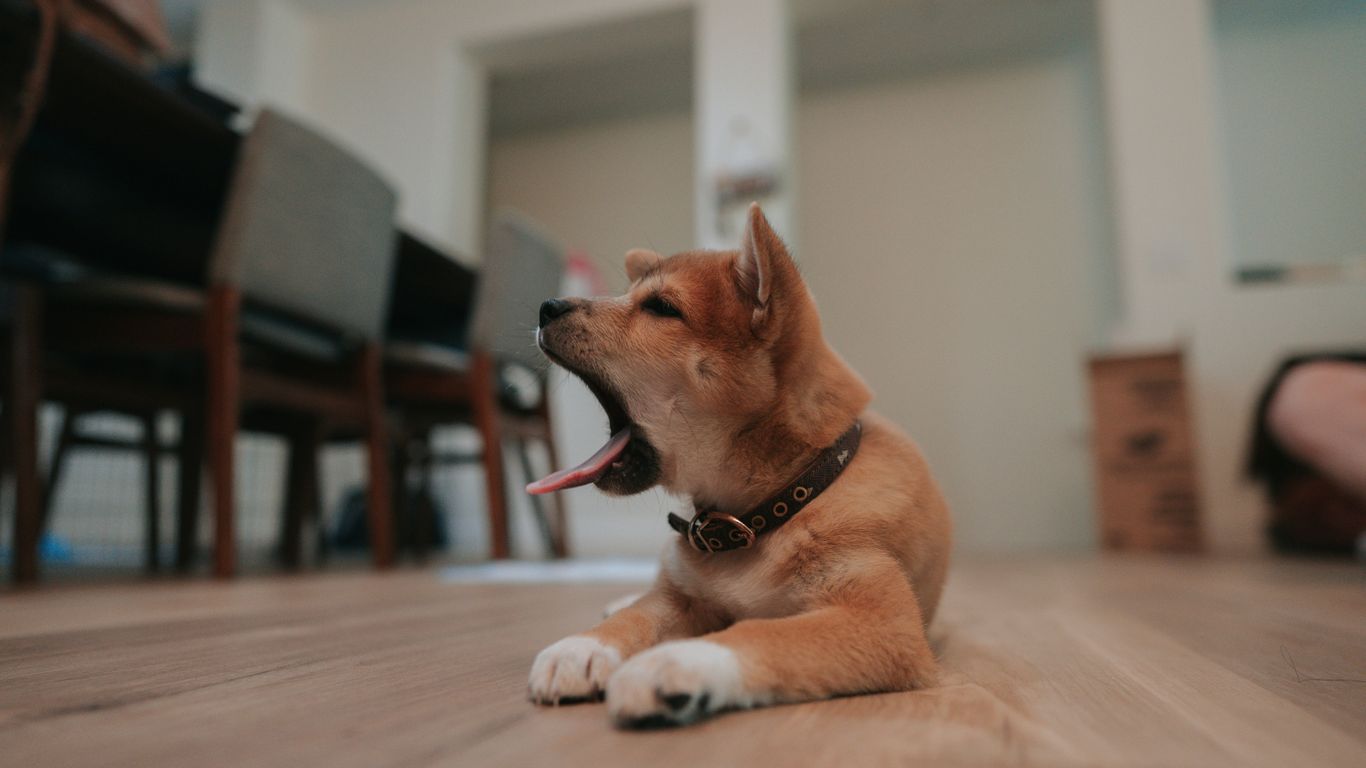
Puppies are naturally mouthy creatures, and their biting isn’t usually a sign of aggression. It’s more about how they explore their world and communicate. Understanding these reasons is the first step to managing the nipping.
Teething Troubles and Discomfort
Puppies go through a teething phase, much like human babies. Between about 3 to 6 months old, their baby teeth fall out, and adult teeth start to come in. This process can be quite uncomfortable for them. They often chew to relieve the pressure and soreness in their gums. You might notice increased drooling and a stronger urge to gnaw on things. Providing appropriate chew toys can really help soothe them during this time. It’s a normal part of growing up, but it can be a bit intense for your little one.
Exploration Through Their Mouths
Puppies don’t have hands to investigate new things. Instead, their mouths and teeth are their primary tools for exploring textures, shapes, and even smells. If your hand has lotion on it or smells like food, your puppy might be curious and want to check it out with their mouth. This isn’t malicious; it’s just their way of learning about their environment. It’s important to guide this exploration toward acceptable items, like safe chew toys.
Play and Communication Instincts
Biting is also a big part of how puppies play and interact with each other. When they play with their littermates, they often mouth each other. If one puppy bites too hard, the other might yelp and stop playing for a moment. This teaches them bite inhibition – how to control the pressure of their mouth. They’re trying to mimic this natural play behavior when they interact with you, especially during energetic play sessions. It’s their way of saying, "Let’s play!" or signaling excitement.
Puppies are wired to use their mouths to learn and play. It’s a natural instinct that needs gentle redirection, not punishment. Think of it as them learning the rules of engagement with humans.
Teach Essential Bite Inhibition
Puppies explore the world with their mouths, and that includes nipping at you during play. It’s a natural behavior, but one you need to guide. Teaching your puppy to control the pressure of their bite, known as bite inhibition, is super important. It helps them learn that while mouthing is okay, biting too hard isn’t. This skill will prevent painful nips as they grow.
React Appropriately to Hard Bites
When your puppy gets a little too enthusiastic with their teeth and bites down hard, make a sudden, sharp noise like "Ouch!" or "Ow!" This mimics how littermates react when play gets too rough. Immediately stop all interaction and withdraw your attention. Turn away, tuck your hands away, or even stand up. The goal is to teach your puppy that biting hard makes the fun stop instantly. If they back off after your yelp, offer a calm "Good job" and maybe a small treat. Consistency is key here; every time they bite too hard, the game must end.
Mimic Littermate Reactions
Think about how puppies learn from each other. If one puppy bites another too hard during play, the bitten puppy will often yelp and stop playing. This teaches the biting puppy to be gentler. You can replicate this by yelping yourself when your puppy bites too hard. If the yelp doesn’t work or makes them more excited, try a different approach. Instead of a yelp, you could make a short, sharp sound like "Eh-eh" or "No bite." The important thing is to interrupt the behavior. If they pause or stop biting, praise them gently. This helps them understand the consequence of their actions without making them fearful. It’s all about teaching them to moderate their bite pressure.
Control Biting Force
Teaching your puppy to control how hard they bite is a skill that takes practice. When your puppy nips you, and you react by yelping and withdrawing, you’re already starting this process. If they continue to mouth gently, that’s fine, but if they bite down hard, the game stops. You can also use a specific word like "Gentle" before they bite, and if they do, reward them. If they bite too hard, use your interruption cue and disengage. It’s about showing them the difference between a soft mouthing and a hard bite. Remember, never punish your puppy physically; this can make them fearful and damage your bond. Instead, focus on rewarding the gentle behavior and stopping play when they bite too hard. You can find more tips on managing puppy behavior at puppy biting advice.
It’s important to remember that puppies bite for many reasons, including teething and exploration. Your reaction should be consistent and aimed at teaching, not punishing. If your puppy is particularly mouthy, consider redirecting their attention to an appropriate chew toy immediately after they bite you.
Redirect Biting to Appropriate Items
Puppies explore the world with their mouths, and sometimes that means they explore your hands, ankles, or furniture. It’s not malicious, but it’s definitely not ideal. The good news is you can guide this natural behavior toward acceptable outlets. The key is to offer something better for them to chew on the moment they start to mouth something they shouldn’t.
Offer Chew Toys Instantly
Keep a variety of chew toys readily available. When your puppy starts to nibble on you or your belongings, immediately swap your hand or the forbidden item for an appropriate toy. This teaches them what is okay to chew. Think of it as a quick, positive interruption. Having toys scattered around the house means you’re always prepared to make this switch.
Reward Chewing on Toys
When you see your puppy happily chewing on one of their toys, praise them! Make a big deal out of it. This positive reinforcement helps them understand that chewing on toys is a good thing. You can even give them a little treat or a happy "Good boy/girl!" when you catch them doing it. This encourages them to choose toys over your possessions.
Provide a Variety of Textures
Puppies have different preferences, and what one puppy loves, another might ignore. Offering a range of textures can keep them engaged and satisfied. Some puppies enjoy softer, rubbery toys, while others prefer harder, more durable options. Having a mix means you can figure out what your pup likes best. This variety also helps prevent boredom, which can sometimes lead to unwanted chewing.
It’s important to select toys that are safe and appropriately sized for your puppy. Avoid anything with small parts that could be chewed off and swallowed, or materials that could splinter. A good chew toy should be durable enough to withstand some serious gnawing but also safe if ingested in small amounts (though ideally, they won’t be eating the toys!).
Here’s a quick look at toy types:
- Rubber Toys: Often good for teething, especially if you can stuff them with treats.
- Rope Toys: Great for gentle games of tug-of-war, which can be a good way to channel their energy.
- Hard Nylon or Plastic Toys: These are typically very durable and can satisfy a strong chewing urge.
Redirecting their chewing instinct is a proactive way to manage puppy biting. It gives them an acceptable outlet for their natural behaviors, making life easier for everyone.
Manage Playtime Effectively
Playtime is super important for your puppy, but it can also be when they get a little too mouthy. It’s all about setting up games so everyone has fun without anyone getting nipped. Keeping playtime positive and controlled is key to teaching your puppy good manners.
Stop Play When Biting Occurs
When your puppy gets a little too excited and starts biting your hands or clothes during play, it’s time to pause the fun. Think of it like this: biting equals the game ending. A quick, sharp “ouch!” or “eh-eh” can sometimes startle them, but the most effective way is to immediately stop all interaction. Pull your hands away, stand up, and turn your back. If they follow, you might even need to leave the room for a minute. This teaches them that their teeth on your skin means playtime stops. It might take a few tries, but they’ll start to connect the dots that gentle play keeps the fun going, while biting makes it disappear.
Engage in Non-Contact Games
To avoid those nippy moments altogether, try games that don’t involve your hands directly. Fetch is a classic for a reason! Your puppy can chase and retrieve a ball or toy without needing to put your hands in their mouth. Tug-of-war with a rope toy can also be great, as long as you teach them to release the toy when you ask and keep their teeth off your hands. Using a flirt pole, which is basically a pole with a lure on a string, is another fantastic way to let your puppy chase and pounce without any direct contact. These games help burn off energy and satisfy their natural prey drive in a safe way. You can find some great options for puppy play equipment.
Avoid Roughhousing
While it’s tempting to get down on the floor and wrestle with your puppy, this kind of play can often encourage biting. Roughhousing, especially when it involves your hands as the
Establish Consistent Boundaries
Setting clear rules for your puppy is super important, and everyone in the house needs to be on the same page. If one person lets the puppy chew on their hands while another yelps and pulls away, your pup is going to get mixed signals. This confusion just makes the whole process take longer. Think of it like teaching a kid not to draw on the walls – you don’t take away their crayons, you just show them they can draw on paper instead. It’s about guiding the behavior, not stopping it completely.
Ensure Household Consistency
It’s vital that every single person who interacts with your puppy follows the same guidelines. This means no exceptions. If your puppy nips someone and gets a reaction, but then nips someone else and gets ignored, they won’t learn effectively. A united front makes it much easier for your puppy to understand what’s acceptable and what’s not. This consistency is the bedrock of teaching them how to interact appropriately.
Use a "No Bite" Command
When your puppy does bite too hard, use a clear, firm word like "Ouch!" or "Gentle." The key is to be consistent with whatever word or sound you choose. As soon as you say it, stop all interaction. Pull your hand away slowly – a quick yank can actually encourage more chasing or biting. If your puppy backs off or stops biting, immediately praise them and offer a toy. This teaches them that biting too hard stops the fun, but being gentle or chewing on a toy keeps the good times rolling.
Avoid Negative Reinforcement
It’s tempting to scold or punish your puppy when they bite, but this can often backfire. Yelling or harsh physical corrections can make your puppy anxious or fearful, which might even lead to more biting or other behavioral issues down the line. Instead of punishment, focus on positive reinforcement. When your puppy plays nicely, chews on their toys, or stops biting when you use your gentle command, reward them with praise, a small treat, or a favorite toy. This helps them associate good behavior with positive outcomes, making them more likely to repeat it.
Address Overtiredness and Energy
Sometimes, your puppy’s biting isn’t about being naughty; it’s a sign they’re just plain worn out or have too much energy to burn. Puppies need a lot of sleep, often 18-20 hours a day, and when they don’t get it, their impulse control goes out the window. This can lead to more nipping and chewing, even when you’re just trying to interact with them normally.
Pay attention to your puppy’s cues. Are they getting a bit clumsy? Maybe their play seems a little frantic or less coordinated than usual? These can be signs that a nap is in order. If your puppy is overtired, they might also become more sensitive to touch or easily frustrated, which often results in more biting.
- Increased clumsiness
- More frantic or less controlled play
- Easily frustrated or sensitive to touch
- Whining or fussing without a clear reason
When your puppy is overtired, they have very little impulse control. This means they’re more likely to bite because they can’t manage their own energy or frustration.
A puppy with pent-up energy is a puppy that’s more likely to bite. They need an outlet for all that puppy exuberance, or they’ll find one on you or your furniture. Make sure your pup is getting a good mix of physical and mental exercise throughout the day. Short, frequent bursts of activity can be more effective than one long session. Consider activities like fetch, or even just letting them explore a safe outdoor space. If the weather is bad, there are plenty of indoor games you can play to help burn off energy.
Don’t forget about mental exercise! Puzzle toys, training sessions, and even just letting your puppy sniff around a new environment can tire them out just as much as physical activity. Rotating toys every few days can also keep them engaged and prevent boredom, which can sometimes lead to unwanted chewing. Think about what keeps your puppy engaged and try to incorporate that into their daily routine.
- Puzzle feeders
- Short training sessions
- Nose work games
- Exploring new safe environments
Seek Professional Puppy Biting Solutions
Sometimes, despite your best efforts, puppy biting can feel like an uphill battle. If you’re finding that the usual methods aren’t quite cutting it, or if your puppy’s biting seems more intense than typical play nipping, it might be time to bring in the pros. They’ve seen it all and can offer tailored advice for your specific situation. Don’t hesitate to reach out for expert guidance if you’re struggling.
Consult a Veterinarian
Before anything else, it’s always a good idea to rule out any underlying medical issues. Sometimes, discomfort from teething or other health problems can contribute to increased nipping. Your vet can check your puppy’s mouth for any signs of pain or infection and offer advice on managing teething discomfort, perhaps suggesting specific chew toys or even safe, puppy-appropriate pain relief if needed. They can also help determine if the biting is a behavioral issue or potentially linked to a physical ailment.
Enroll in Training Classes
Group training classes are fantastic for socialization and learning basic obedience, but they can also be a great resource for tackling biting. A good trainer can demonstrate techniques in person and provide immediate feedback on your handling. You’ll also get to see how other puppies react and learn from their owners’ experiences. Look for classes that focus on positive reinforcement methods, as these are most effective and build a strong bond with your pup.
Identify Triggering Activities
It can be helpful to pinpoint exactly when and why your puppy tends to bite the most. Is it during specific games? When they’re overtired? Or perhaps when they’re overstimulated? Keeping a log of these instances can help you and a professional trainer identify patterns. For example, if your puppy tends to get mouthy after a long play session, it might indicate they need a structured cool-down period or a change in their exercise routine. Understanding these triggers is key to modifying the behavior effectively. A professional can help you create a plan to manage or avoid these situations, or teach your puppy alternative behaviors when they arise.
Is your puppy nipping too much? Don’t worry, there are simple ways to help your furry friend learn better manners. We offer easy-to-follow guidance to stop unwanted biting and build a stronger connection with your dog. Visit our website today to discover effective solutions and start training your puppy right!
Wrapping Up: Patience and Consistency Win the Day
So, you’ve learned a lot about why your puppy bites and how to handle it. Remember, this is a normal puppy thing, and it won’t last forever. By using the tips we talked about – like saying ‘ouch,’ redirecting to toys, and stopping play when they get too rough – you’re teaching your pup how to be a good companion. It takes time and you have to be consistent, but you’ll get there. Keep at it, celebrate the small wins, and soon enough, those sharp little teeth will be a distant memory. Your patience now will lead to a much calmer, well-behaved dog later on.
Frequently Asked Questions
Why do puppies bite so much?
Puppies explore the world with their mouths, kind of like how babies put everything in their mouths. They also bite because their baby teeth are coming in, which can be uncomfortable, and it’s how they play and learn with their brothers and sisters.
How can I stop my puppy from biting my hands?
When your puppy bites your hand, say “Ouch!” in a high-pitched voice and immediately stop playing or petting them. This mimics how another puppy would react. Then, give them a chew toy instead. If they chew the toy, praise them!
When will my puppy stop biting?
Most puppies naturally start to bite less as they get older, usually around six months. But consistent training and giving them appropriate things to chew on can help them learn faster.
What’s the best way to redirect my puppy’s biting?
Keep chew toys handy! When your puppy starts to bite something they shouldn’t, like your hand or a shoe, quickly give them a toy to chew on instead. Make sure to praise them when they chew the toy.
Should I punish my puppy for biting?
It’s best not to punish your puppy harshly. Yelling or hitting can make them scared or confused. Instead, focus on teaching them what they *should* chew on and stopping playtime when they bite too hard. Positive methods work best.
How much exercise does a puppy need to reduce biting?
Puppies often bite more when they have too much energy or are bored. Make sure your puppy gets enough playtime, walks, and mental challenges, like puzzle toys. A tired puppy is usually a calmer puppy and less likely to bite excessively.