
Teaching your puppy to stay calm on command is a game-changer. It’s not just about obedience; it’s about building a better relationship with your furry friend. When your dog can settle down, it makes everything easier, from car rides to visitors at the door. This guide will walk you through the steps to get your puppy to master the puppy stay command, making both your lives a lot more peaceful.
Key Takeaways
- Start by rewarding calm behavior, even if it’s just a moment of quiet. Gradually ask for longer periods of stillness.
- Introduce the ‘stay’ command with a clear hand signal and verbal cue, starting with your puppy in a down position.
- Build up the duration and distance of the stay slowly, rewarding your puppy for holding the position.
- Practice in various locations and introduce mild distractions to make the puppy stay command reliable in different situations.
- Troubleshoot common issues by keeping training sessions short, positive, and ending on a good note.
Understanding the Puppy Stay Command
What is the ‘Stay’ Command?
The ‘stay’ command is a basic but incredibly useful cue that teaches your puppy to remain in a specific position (like sitting or lying down) until you release them. It’s not just about freezing in place; it’s about teaching your dog to choose to be still and calm. This command is a cornerstone of good canine manners and safety. It helps your dog learn self-control and understand that listening to you is rewarding. Think of it as teaching your puppy to pause and check in with you before reacting to the world around them.
Why Teach Your Puppy to Stay?
Teaching your puppy to stay offers a whole host of benefits, both for you and your furry friend. For starters, it’s a huge safety asset. Imagine being able to ask your dog to stay put when the doorbell rings, preventing them from rushing the door and potentially escaping. Or needing them to stay in the car while you grab something, without worrying they’ll jump out. It also builds a stronger bond between you and your puppy, as it requires clear communication and trust. Plus, a dog that can stay is generally a calmer dog, which makes life easier for everyone. It’s a skill that helps manage common puppy behaviors like jumping up or bolting.
Common Over-Excitement Triggers
Puppies are bundles of energy, and sometimes that energy can get the better of them, leading to over-excitement. Understanding what sets your puppy off is key to managing their behavior. Some common triggers include:
- Other dogs: Seeing or interacting with other dogs, especially in a playful or exciting way.
- New people: Strangers entering the home or approaching on walks can be overwhelming.
- Exciting environments: Places with lots of sights, sounds, and smells, like parks or busy streets.
- Certain toys or games: High-energy play can sometimes escalate into over-excitement.
- Meal times or treat delivery: The anticipation of food can be a big trigger for some puppies.
Recognizing these triggers helps you prepare your puppy and manage situations before they become too much. It’s all about setting them up for success, not failure. For more on teaching basic commands, you can check out this guide on teaching the ‘stay’ command.
Learning to manage your puppy’s excitement is a process. It involves understanding their individual personality and what makes them tick. Patience and consistent training are your best tools here. Don’t get discouraged if your puppy doesn’t get it right away; every dog learns at their own pace.
Foundational Training for a Calm Puppy
Before you even think about asking your puppy to hold a ‘stay’, we need to build a solid base of calm behavior. This isn’t about complex tricks; it’s about teaching your dog how to manage their own excitement and focus. Think of it as building the foundation of a house before you start decorating. Without a strong base, everything else can fall apart.
Rewarding Relaxed Behaviors
This is where we start shaping your puppy’s natural inclination to settle. You’re not asking for anything specific yet, just rewarding moments of quiet. If your puppy is just standing there without bouncing off the walls, give them a little praise or a tiny treat. The goal is to show them that calm is a good thing. You might start by dropping treats on the floor near them when they’re quiet, or rewarding them for simply looking away from a distraction. It’s about catching them being good, even if it’s just for a few seconds. Gradually, you’ll increase the time they need to be settled before they get a reward, moving from a quick moment of quiet to a longer period of relaxation. This process helps them learn to self-soothe.
Introducing Basic Obedience
Commands like ‘sit’ and ‘down’ are more than just tricks. They are tools that help your puppy learn to listen and respond to you. When your puppy knows how to sit or lie down on cue, you have a way to redirect their energy when they start to get overstimulated. It gives them something specific to do instead of just reacting to whatever is happening around them. Practicing these basic commands in a quiet environment first is key. You want them to understand what you’re asking without a lot of confusing noise or activity. This is a great way to start basic obedience training.
The Importance of Impulse Control
Impulse control is basically your puppy’s ability to stop and think before they act. For a young dog, this is a huge challenge! They see a squirrel, they chase. They hear a noise, they bark. Teaching ‘stay’ is a big part of impulse control, but we can start building it even before that. Simple games where they have to wait for a treat, or not grab a toy until you say so, help them practice this skill. It’s about teaching them that they don’t have to react immediately to every single thing. This self-control will make training the ‘stay’ command much smoother down the road.
Building these foundational skills takes patience. It’s easy to get frustrated when your puppy doesn’t get it right away, but remember they are learning a whole new language. Keep your training sessions short, positive, and consistent. Celebrate the small wins, and don’t be afraid to go back a step if needed. Your puppy will thank you for it with a calmer demeanor.
Teaching the ‘Stay’ Command Step-by-Step
Starting with a Down Position
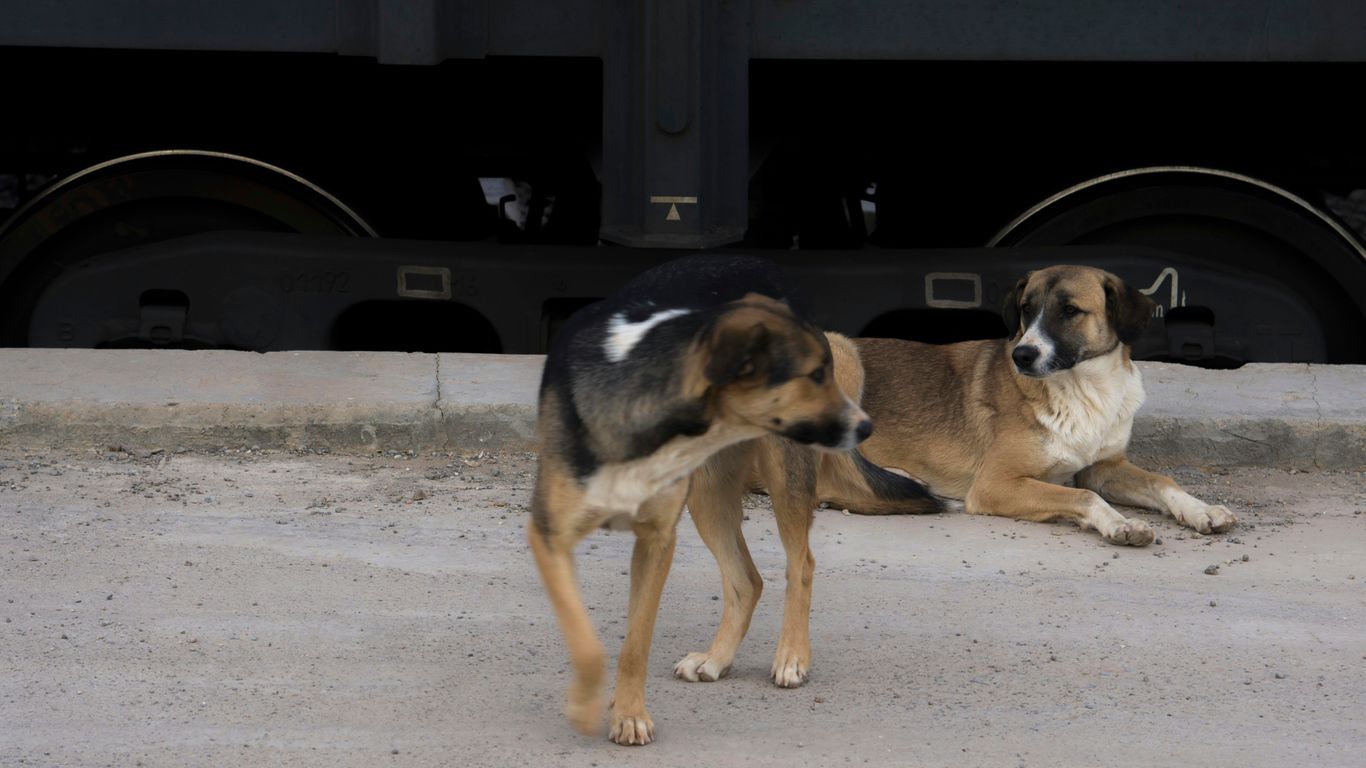
Before you even think about "stay," your puppy needs to have a solid "down" command. This is the bedrock. If they can’t reliably lie down when you ask, "stay" is going to be a real uphill battle. Start in a quiet spot, maybe your living room. Ask for a "down," and when they do it, give them a treat and some praise. We’re building a positive association here. Repeat this a few times. It’s not about speed; it’s about them understanding what "down" means and enjoying the process. You can find some great tips on teaching the basic "sit" command, which is a good precursor to "down," here.
Adding the Verbal Cue and Hand Signal
Once your puppy is pretty good at the "down," it’s time to add the "stay" cue. Ask for the "down." As soon as they are in position, give them a clear hand signal – think of a flat palm facing them, like a gentle "stop" sign. Immediately after the hand signal, say the word "stay" in a calm, clear voice. Don’t say it over and over. Just once. Then, wait a few seconds. This is the tricky part: you have to resist the urge to give them a treat right away. The goal is to reward them while they are still in the down position. So, after those few seconds, if they haven’t moved, give them the treat and praise. If they get up, that’s okay, just reset and try again. We want them to learn that staying put is what earns the reward.
Rewarding While in Position
This is where the magic happens, or where it can fall apart if you’re not careful. The key is to reward your puppy while they are still in the "stay" position. If you wait too long, or if you call them to you to give the treat, they won’t connect the reward with the act of staying. So, after you give the "stay" cue and signal, wait a few seconds. If they are still down, calmly walk over and give them the treat and praise. The reward must happen while they are still holding the "stay." This reinforces the behavior you want. If they pop up before you give the treat, don’t scold them. Just calmly reset and try again. We’re setting them up for success, not failure. It might look something like this:
| Step | Action |
|---|---|
| 1 | Ask for "Down" |
| 2 | Give "Stay" hand signal and verbal cue |
| 3 | Wait 3-5 seconds |
| 4 | If puppy remains in "Down", calmly deliver treat and praise |
| 5 | If puppy moves, reset and try again |
Remember, consistency is your best friend here. Short, frequent training sessions are much more effective than one long, frustrating one. Keep it positive, and celebrate the small wins!
Building Duration and Distance
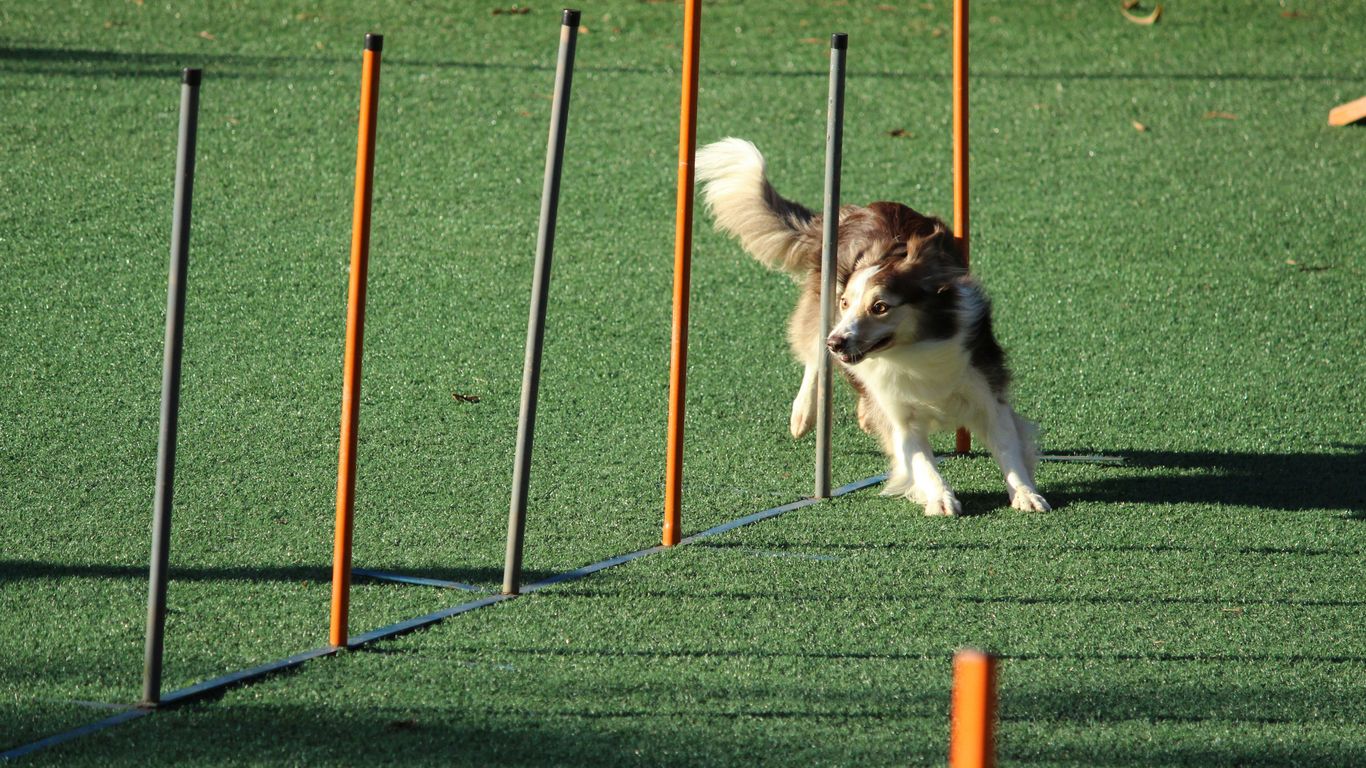
Once your puppy has a good grasp on the ‘stay’ command in a down position, it’s time to make that stay last longer and cover more ground. This is where the real magic happens, turning a simple cue into a reliable behavior.
Gradually Increasing Time
Start small. Like, really small. If your puppy can hold a stay for 5 seconds, great! Now, try for 7. Then 10. Don’t rush this. The goal is to build confidence, not frustration. Think of it like adding reps at the gym; you don’t go from one push-up to fifty overnight. Short, frequent sessions are better than one long, overwhelming one. If your puppy breaks the stay, that’s okay! Just calmly guide them back to their spot and try again for a shorter duration. We want to set them up for success.
Here’s a simple progression:
- 5 seconds: Reward generously.
- 10 seconds: Reward generously.
- 15 seconds: Reward generously.
- 30 seconds: Reward generously.
- 1 minute: Reward generously.
Remember to always reward while they are still in the stay position. This reinforces that the reward comes for holding the position, not for breaking it.
Increasing Distance Between You and Your Puppy
This is the next logical step. Once your puppy can stay for a decent amount of time (say, 30 seconds to a minute) while you’re right next to them, start taking a single step back. Wait a second or two, then return and reward. Gradually increase that distance. One step, then two, then three. You can even try turning around briefly. The key is to return to your puppy before they have a chance to break the stay. This way, they learn that good things happen when they hold their position, and you always come back to them. This is a great way to build their trust and reinforce their training.
Practicing in Short, Regular Sessions
Consistency is your best friend here. Aim for multiple short training sessions throughout the day rather than one long one. Five minutes here, ten minutes there – it all adds up. This keeps your puppy engaged and prevents them from getting bored or tired. It also helps to integrate the ‘stay’ command into their daily life, making it more natural and less like a chore. Think of it as sprinkling training moments throughout your day, like little treats of learning.
Building duration and distance requires patience. It’s a process of small victories. Celebrate each successful hold, no matter how brief, and use those moments to build towards longer, more challenging stays. If your puppy struggles, it’s a sign to go back a step and make it easier for them. We’re building a reliable behavior, and that takes time and positive reinforcement.
Introducing Distractions for Reliability
Okay, so your puppy is getting pretty good at staying put in a quiet room. That’s awesome! But now comes the real test: can they hold that stay when the world gets a little more interesting? This is where we build true reliability. We want them to stay even when there’s stuff happening around them, not just when it’s dead silent and you’re the only thing in the universe.
Practicing in Different Locations
First off, let’s get out of the living room. Start simple. Maybe the backyard? Or the kitchen while you’re doing dishes? The goal is to show your pup that a ‘stay’ means a ‘stay’ no matter where you are. The more varied your practice spots, the more adaptable your puppy’s ‘stay’ will become.
- Kitchen: Practice while you’re cooking or cleaning. The sounds of pots and pans can be a good start.
- Backyard: Try it while you’re gardening or just relaxing outside. Squirrels or birds might make an appearance.
- Front Porch/Yard: A step up, with potential for people or other dogs walking by at a distance.
- Car: If your puppy is comfortable, practice a short stay while the car is parked.
Adding Environmental Distractions
Once your puppy is doing well in new spots, it’s time to add mild distractions. Think about things that might normally grab their attention but aren’t super high-stakes yet. This is about teaching them to focus on you despite the noise or movement.
- Sounds: Clapping your hands softly, dropping a set of keys (not too close!), or playing some music at a low volume.
- Movement: Walking around your puppy, or having them watch you do simple tasks like sweeping.
- Objects: Rolling a ball gently a short distance away, or placing a toy near them (but not letting them get it).
Remember, the idea here isn’t to overwhelm your puppy. It’s to gradually introduce stimuli and see if they can maintain their ‘stay’. If they break, that’s okay! Just reset and try something a little less intense. We’re building confidence, not frustration.
Helper-Assisted Distractions
This is where having a friend or family member can really help. They can act as a controlled distraction, allowing you to focus on your puppy’s response. This is a great way to control the training environment and make sure you’re not asking too much too soon.
- Walking By: Have your helper walk past at a distance, gradually getting closer as your puppy succeeds.
- Making Noise: Your helper could gently jingle keys or make a soft sound.
- Dropping an Object: Have them drop a non-exciting object a few feet away.
Keep these sessions short and positive. If your puppy gets too excited or breaks their stay, your helper should pause or move further away. The goal is for your puppy to learn that even with these interesting things happening, their job is to stay put until released.
Advanced ‘Stay’ Command Techniques
Incorporating a Release Word
Teaching your puppy a specific word to signal the end of a ‘stay’ is super important. It gives them a clear cue that their job is done and they’re free to move. Think of it like a "go" button after a "wait." Pick a word you don’t use often in everyday chat, like "Free!" or "Okay, break!" This way, your puppy won’t get confused. When you’re practicing ‘stay,’ wait until your puppy has held the position for a bit, then say your release word clearly and reward them. This clear communication prevents your puppy from guessing when they can move.
Teaching ‘Stay’ in a Sit Position
Once your puppy is a pro at staying in a down position, you can move on to teaching ‘stay’ while they’re sitting. The process is pretty similar. Ask your puppy to sit, give your ‘stay’ hand signal, and use the verbal cue. Start with short durations and gradually increase them. Remember to reward them while they’re still sitting. This adds another layer of control and is useful in different situations.
Using a ‘Place’ Command
The ‘place’ command is a bit different from ‘stay.’ Instead of staying in one spot, ‘place’ means your puppy goes to a specific designated spot (like a mat or bed) and stays there until released. This is fantastic for teaching your puppy to settle down in busy environments, like when guests are over or when you’re eating. You’ll lure them onto their ‘place,’ reward them for being there, and then use your release word. It gives them a job to do and helps them relax.
Here’s a quick look at how the commands differ:
| Command | Goal |
|---|---|
| Stay | Hold current position |
| Place | Go to a specific spot and hold position |
Building on the basic ‘stay’ with these advanced techniques gives your puppy more structure and helps them understand expectations in a wider range of scenarios. It’s all about clear communication and building their confidence.
Troubleshooting and Maintaining the ‘Stay’
Handling Mistakes During Training
It happens. Your puppy breaks their ‘stay,’ or maybe they just don’t quite get it. Don’t get discouraged! When your puppy makes a mistake, the best thing to do is simply reset them. Don’t scold or punish; just calmly guide them back to their starting position and try again. Think of it as a little hiccup, not a failure. We want our pups to associate training with good things, not stress. If you’re finding your puppy consistently struggles, it might be a sign you’re moving too fast. Try breaking the step down even further. Maybe you need to go back to rewarding just a second or two of stillness, or perhaps you need to reduce the distance you’re asking them to stay from. It’s all about setting them up for success, not frustration. Remember, consistency is key, and patience will get you much further than any harsh correction. Sometimes, a little adjustment in your approach is all that’s needed. For more on balanced training methods, you might find resources on reward-based methods helpful.
Recognizing Signs of Breaking ‘Stay’
Your puppy’s body language can tell you a lot. Before they actually get up and move, they often give subtle cues that they’re about to break their ‘stay.’ Watch for things like shifting their weight forward, a sudden tensing of their muscles, or a quick glance in the direction they want to go. Sometimes, a little whine or a flick of the ear can signal their internal struggle. If you spot these signs, it’s your cue to either reward them for holding the ‘stay’ before they break it, or to release them and try again with a slightly easier version. It’s better to reward them for a good attempt than to let them fail. This proactive approach helps build their confidence and understanding.
Keeping Training Sessions Positive
Training should be a fun bonding experience for both you and your puppy. Keep sessions short, especially when you’re starting out or introducing new challenges. Aim for 5-10 minutes, a few times a day, rather than one long, drawn-out session. Always end on a positive note, even if it means asking for a very simple behavior your puppy can easily succeed at. If your puppy is getting frustrated or you are, it’s time to take a break. Maybe play a quick game of fetch or give them a chew toy. The goal is to build a reliable ‘stay’ command, but more importantly, to maintain a happy, willing training partner. A tired puppy is often a more cooperative puppy, so consider incorporating training into your daily walks or playtime. Remember, a positive attitude from you makes all the difference to your puppy’s enthusiasm.
Here’s a quick look at common issues and how to address them:
| Problem Area |
|---|
| Puppy gets up too soon |
| Puppy whines or paces |
| Puppy looks distracted |
Solutions:
- Reset and simplify: Go back a step or two. Reduce duration, distance, or distractions.
- Reward effort: Catch them before they break the stay and reward.
- Check your timing: Ensure your reward is given while they are still in position.
- End on success: Always finish with an easy win for your puppy.
Having trouble with your dog’s ‘Stay’ command? Don’t worry, we’ve all been there! Keeping your dog focused and obedient can be a challenge, but with the right approach, you can overcome common issues. For expert tips and solutions to help your furry friend master the ‘Stay’ and other essential commands, visit our website today!
Bringing It All Together
So, training your puppy to stay calm on command isn’t just about teaching a trick; it’s about building a better relationship with your furry friend. Remember, patience is key here. Some days will be easier than others, and that’s totally normal. Keep those training sessions short, fun, and consistent, and celebrate those small wins. With a little practice and a lot of positive reinforcement, you’ll soon have a pup who knows how to chill out when you need them to, making life a lot more peaceful for both of you.
Frequently Asked Questions
Why should I teach my puppy the ‘Stay’ command?
Teaching your puppy to ‘stay’ is super useful for keeping them safe and well-behaved. It can help them wait patiently in the car, at the door, or even when you have guests over. It’s a great way to build their self-control and make them a more predictable companion.
What’s the best way to start teaching ‘Stay’?
Begin by having your puppy lie down. Once they’re in a down position, give them the ‘stay’ cue and a hand signal. Wait just a few seconds before rewarding them while they’re still lying down. Keep these first sessions short and positive!
How do I make my puppy stay longer?
To increase the time your puppy stays, gradually add a few seconds at a time during your training sessions. Don’t rush it! Build up slowly over many short practices. Always reward them while they are still in the ‘stay’ position.
When can I start adding distractions to the ‘Stay’ training?
Once your puppy is doing well with ‘stay’ for longer periods and at a short distance, you can slowly introduce distractions. Start with small things like a dropped toy or a slight noise, and gradually move to more challenging things like practicing in different rooms or outside.
What if my puppy breaks the ‘Stay’ command?
If your puppy gets up or moves before you release them, don’t worry! Just calmly guide them back to their original spot and try again. It’s better to set them up for success by making the training easier at first, rather than letting them practice making mistakes.
Can I teach ‘Stay’ in a sitting position too?
Absolutely! Once your puppy understands ‘stay’ in a down position, you can teach it while they are sitting. Just follow the same steps, but start by asking your puppy to sit before giving the ‘stay’ cue and hand signal.