
Training a puppy can feel a bit like learning to juggle—some days everything clicks, and other days you’re not sure anything is working. But here’s the thing: puppy training consistency is what really makes the difference. When you stick to the same routines, words, and rewards, your puppy figures things out so much faster. It’s not about being perfect every day, but about showing up and doing things the same way as much as you can. That’s where the real progress happens.
Key Takeaways
- Consistent routines help puppies feel safe and speed up learning.
- Using the same cues and commands avoids confusion for your puppy.
- Everyone in the family should stick to the same training rules and words.
- Rewards and praise work best when they’re given right after good behavior.
- Tracking your puppy’s progress and being patient makes training less stressful and more successful.
Why Puppy Training Consistency Matters
Establishing Clear Communication Channels
When you train your puppy, it’s like you’re both learning a brand-new language. Using the same commands and responses every time makes it far easier for your puppy to learn what you actually want. Dogs don’t pick up on subtle differences in our words—they rely on patterns and predictability. If you say “sit” for one behavior and “sit down” for another, your puppy may struggle to connect any meaning at all. Over time, this reliable repetition becomes the base of clear communication.
- Stick to one word per command.
- Always use the same tone and posture.
- Reward your puppy immediately so the command connects with action.
Consistency isn’t just about the words—it’s about creating a pattern that your puppy can count on day after day. Every member of the household should use the same cues and training follow-through so your puppy hears a single, unified message from start to finish.
Reducing Confusion and Anxiety
Training is a lot less stressful for your dog when the rules don’t change without warning. If you sometimes let your puppy jump on the couch but other times scold them for it, they end up confused and anxious. That can lead to stubbornness, but really, it’s just uncertainty. With unwavering rules, your dog never has to wonder what comes next. Their world feels secure and safe, and they’re much more likely to relax and try their best.
A predictable routine can be a comfort to your puppy, cutting down on wild guesses and nervous energy.
Building Lasting Behavioral Habits
Puppyhood is a bit like wet cement—habits formed now will stick for years. Repetitive, steady training routines help your puppy build brain pathways that make good behavior automatic. Over time, things like sitting before meals or waiting at the door just become normal life. Breaking the process up or shifting the rules too much means you’ll be stuck retraining over and over. Consistent early efforts pay off in a dog you can trust to behave well, even as they grow and change.
In the end, steady training forms not just skills, but the foundations of a lifelong bond between you and your puppy.
Creating Consistent Training Routines for Puppies
Getting your puppy on a consistent training routine makes a world of difference. You’ll notice they settle in faster, start picking up commands, and just feel more at ease in their new surroundings. Keeping things predictable isn’t easy at first, but the benefits show up in so many ways—less whining, better sleep, fewer accidents, and a happier home. Here’s how to build routines that stick.
Setting Scheduled Mealtimes and Potty Breaks
Regular feeding and potty times are the backbone of a puppy’s daily rhythm. When meals happen at the same times each day, your pup’s bathroom schedule will follow a pattern, making house training smoother. Plus, expecting when it’s time to eat or go outside lowers stress for everybody.
Here’s a simple schedule to follow:
| Time | Activity |
|---|---|
| 7:00 AM | Breakfast & potty |
| 10:00 AM | Potty break |
| 12:00 PM | Lunch & potty |
| 3:00 PM | Potty break |
| 6:00 PM | Dinner & potty |
| 9:00 PM | Last potty break |
Every puppy is unique, but consistency with meals and potty trips makes it much easier to catch good behavior and teach them where to go.
Designing Predictable Training Sessions
Training sessions don’t have to be complicated or long. What works best is keeping them short, focused, and fun. Predictability here means your puppy knows when to expect learning time. Use the same area of the house or yard, and mix up the skills you practice to keep their mind engaged. For more on short, positive sessions, positive puppy training basics explains how to make each session effective and enjoyable.
Try these ideas to create a steady training rhythm:
- Choose specific times each day, like after breakfast or before walks
- Spend 5–10 minutes per session
- End with play or a treat
When your puppy expects these sessions, they’ll start to look forward to them—and learning comes much faster.
Understanding the Importance of Daily Structure
Routines do more than keep your puppy out of trouble. Structure builds confidence because your pup knows what comes next. Set times for feeding, play, walks, training, and sleep help them feel secure and speed up the learning process. You’ll also notice fewer accidents or outbursts when your pup isn’t wondering what’s happening next.
- Set wake-up and bedtime routines
- Plan out meal, walk, and play windows
- Stick with your schedule even on weekends for best results
Giving your puppy consistency means less worry for them and smoother training for you. Even if your schedule isn’t perfect, sticking to the basics will give your puppy the foundation they need to thrive.
Consistency in Cues and Commands
Getting your puppy to listen isn’t just about repetition – it’s about using the exact same words and actions every time. Changing what you say or how you act teaches your puppy that instructions are optional, which honestly can make your training feel impossible. Here’s what helps:
Using the Same Words for Each Behavior
If you tell your puppy “down” one day and “lie down” the next, don’t be surprised when they look at you like you’re speaking another language. Dogs thrive when you pick one command and stick to it for every behavior. Make a list of the key commands you’ll use and share it with everyone in your home. For walking, for example, always use the same word, like “let’s go” or “heel”, to make things clear for your pup.
| Behavior | Command | Consistent Word Example |
|---|---|---|
| Sit | "Sit" | Sit |
| Down/Lie down | "Down" | Down |
| Come to me | "Come" | Come |
| Walk nicely | "Heel" | Heel |
- Pick just one word for each action
- Make sure it’s short and easy to say
- Repeat it exactly the same way, every time
Involving All Family Members in Training
Whoever is taking part in your puppy’s daily life should use the same cues. If you say “off” for getting off the couch but your partner says “down,” your puppy will get confused. Gather your family for a quick meeting to:
- Decide on cues for each action
- Demonstrate them together
- Agree to stick with it, even if it sounds repetitive
Keeping a group chat or a written list of commands on the fridge can stop anyone from slipping up with different phrases.
Minimizing Mixed Messages to Your Puppy
It’s easy to send mixed signals without realizing it. Maybe you let your dog jump on you when you come home, but scold them for jumping on guests. To your puppy, there’s no difference, and it just feels inconsistent.
- Set household rules and always stick to them
- Use the same tone and body language for each cue
- Don’t switch up your expectations based on your mood or outfit
The bottom line? Simple, consistent cues and household teamwork mean your puppy always knows what you expect—making it much easier (and quicker) for your puppy to learn.
The Role of Consistent Rewards and Feedback
Teaching a puppy can feel never-ending. But small, repeatable actions make a big difference—especially when it comes to rewards and feedback. When you’re steady with rewards and feedback, your puppy learns which behaviors work and which don’t, much faster. This predictability gives them confidence and helps good habits stick.
Timing Rewards for Maximum Impact
Timing is everything in puppy training. If a reward comes even a few seconds too late, your puppy might not connect it to the behavior you want. Here’s how to get it right:
- Give treats, praise, or play immediately when your pup does the right thing.
- Keep high-value treats handy during training sessions.
- Use a consistent cheerful tone with praise.
A quick reaction makes the lesson clear: action → reward.
Getting the timing right doesn’t have to be complicated—keep treats in your pocket and be ready to react as soon as you see the good behavior.
Reinforcing Positive Behaviors Every Time
Puppies figure out what works by repetition. If you are always rewarding the behavior you like, it becomes their go-to move. To reinforce those behaviors—with no exceptions—try this approach:
- Notice and reward the behavior, not just the command. (Even if they sit on their own!)
- Use different rewards: treats, petting, or even their favorite toy.
- Stay enthusiastic—your puppy feeds off your energy.
Avoiding Neglect of Good Behavior
It’s tempting to focus on fixing mistakes, but ignoring good behavior can backfire.
- Make it a habit to praise calm sitting, patience, or quiet waiting—stuff that’s easy to take for granted.
- Surprise your puppy with a reward when they’re behaving well, even if you didn’t ask for it.
- Use a simple tally chart to keep track—sometimes we don’t realize how often we forget.
| Good Behavior | Did I Reward It? |
|---|---|
| Quiet on bed | ✅ |
| Calm at doorway | ❌ |
| Chewing toy | ✅ |
Staying consistent with rewards and feedback does take effort, but it sets your puppy up for success—making training faster, more fun, and less stressful for both of you.
Overcoming Common Setbacks with Consistency
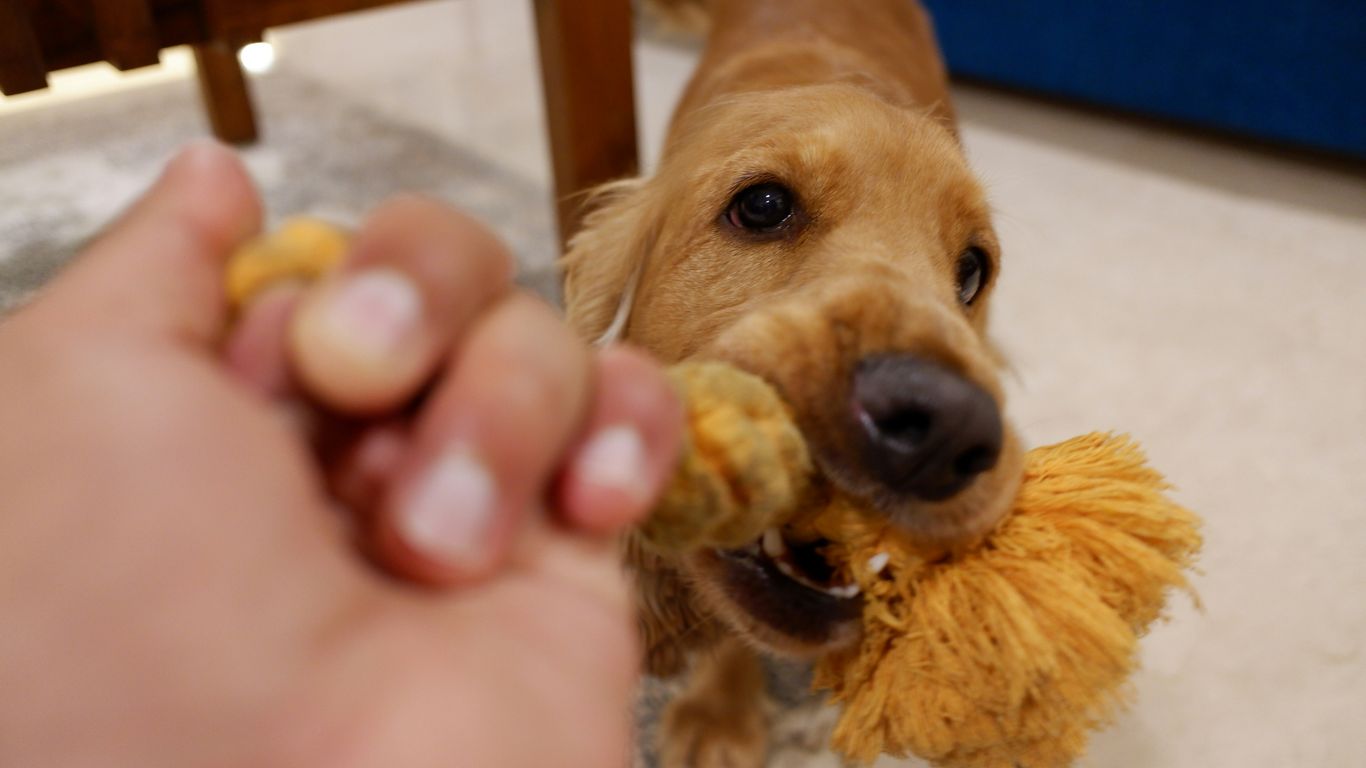
Let’s be real—puppy training isn’t a smooth road. There’s going to be moments when it feels like you’re taking one step forward and two steps back. Frustration creeps in, especially when that adorable ball of fur keeps chewing the couch or having setbacks with potty training. The good news? Consistency is what gets you through those sticky patches.
Staying Patient Through Training Plateaus
Training feels exciting at first, but then you hit a point where your puppy isn’t picking up new things. It’s almost like everything you tried just stopped working. Staying patient is everything here. Your puppy might just be overwhelmed or having an off week. Even when progress is slow, keep your routines steady. Small, daily sessions still matter.
- Take a break if you feel tension during practice.
- Remind yourself that learning isn’t always linear—expect bumps.
- Celebrate small wins (like choosing a toy over a shoe) to keep your spirits up.
Sometimes plateaus just mean your puppy’s brain is processing. Consistency and a calm attitude help you both move ahead—even if it doesn’t look like it right away.
Overcoming tricky puppy behavior sometimes requires more patience than we expect.
Tracking Progress to Maintain Momentum
If you don’t track progress, it’s easy to feel like nothing’s happening. But little changes add up. A simple log can show you where things are improving—even if it’s just fewer accidents indoors or quicker sit responses. Here’s a basic structure for tracking outside of training apps:
| Week | Potty Accidents | New Cues Learned | Leash Pulling |
|---|---|---|---|
| 1 | 5 | 1 | Every walk |
| 2 | 3 | 2 | Sometimes |
| 3 | 1 | 2 | Rarely |
- Jot down one positive behavior per day.
- Mark new cues your puppy responds to.
- Review your log once a week to spot trends.
Balancing Challenge and Encouragement
It’s tempting to try harder when your puppy doesn’t catch on, but piling on more complex tasks can backfire. Instead, balance easy wins with a little bit of challenge:
- Start each session with a cue your puppy knows well.
- Introduce a new cue or add a slight challenge—just one baby step.
- Wrap up with something fun, like a short play session or favorite treat.
When you keep encouragement high, your puppy stays motivated and eager to try again. If a behavior just isn’t happening, go back to basics before trying again.
Remember, setbacks aren’t failures—they’re just part of the process. When in doubt, stick to what you know works and give your puppy plenty of chances to succeed.
How Consistency Strengthens the Human-Animal Bond
Building Trust Through Predictability
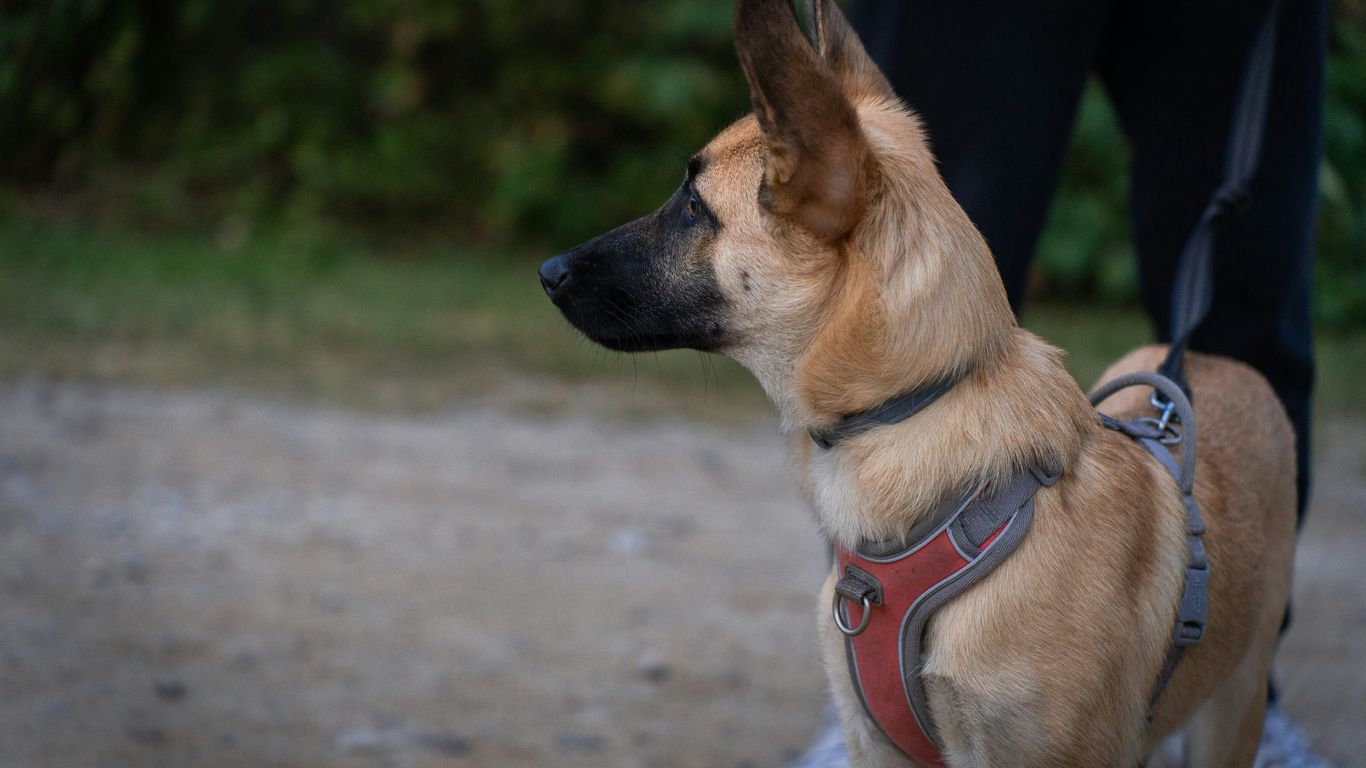
Puppies crave routine and look for patterns in our behavior. When your actions are reliable and consistent, your puppy feels secure, knowing exactly what to expect. Predictability from you builds trust: your puppy learns that every time you say "sit," the same thing will happen—maybe a gentle touch, a treat, or kind praise. This steady pattern is comforting, because your puppy doesn’t have to guess what will happen next, which makes daily life together less stressful for both sides.
- Consistent routines lower anxiety
- Puppies respond faster when they trust their environment
- Trust is the foundation for learning new behaviors
Trust comes from steady routines. The more consistent you are, the easier it is for your puppy to learn that you’re someone worth following, no matter what’s happening around them.
Promoting Joyful Learning Experiences
Consistency transforms training into fun instead of a chore. Regular training sessions at predictable times make learning feel more like a game. When your puppy knows that a command always leads to a reward or enthusiastic encouragement, they become eager and happy to participate.
Here’s a quick comparison of how consistent training affects mood and learning:
| Approach | Puppy Response |
|---|---|
| Consistent Routine | Eager, focused |
| Inconsistent Routine | Hesitant, distracted |
If everyone at home uses the same commands and rules, the puppy won’t be stuck trying to figure out what’s going on. Instead, learning becomes a shared, happy activity, like you’ll find in well-organized households where everyone pitches in to train the pup.
Fostering a Confident and Calm Puppy
Confidence is the natural outcome when puppies experience consistency. Knowing exactly what response to expect when they sit, stay, or walk by your side gives young dogs a sense of control over their world. Calmness comes from the absence of mixed signals—no confusion, no surprises. Over time, you get a dog that’s self-assured, less prone to stress, and better equipped to face new situations without fear.
- Consistent feedback shapes stable personalities
- Puppies act out less when they know what you expect
- A calm puppy is more likely to tackle new challenges
Through steady routines and feedback, your puppy gains the kind of confidence and contentment that makes life at home smoother and more enjoyable for everyone. It’s really about small actions repeated over time that lead to a lasting, happy relationship.
Adapting Puppy Training Consistency to Your Lifestyle
It’s great when you set out to train your puppy—full of plans and motivation. But sometimes real life gets in the way. You oversleep, spill coffee, get stuck late at work, and next thing you know, there goes the routine. Still, consistency isn’t something that only works for people who have tons of free time.
Setting Realistic Training Goals
Some people jump into training thinking their puppy will pick up every command in a week (spoiler: almost never happens). Here are some practical ways to stay on track:
- Write down what you actually need your puppy to learn right away. (Sit? No biting? Potty outside?)
- Break big goals into small, doable pieces. Maybe aim for “sit” in the kitchen before asking for “sit” at the park.
- Set expectations based on your daily life—not an imaginary perfect schedule.
Start with a level of routine and practice that fits your reality. For some, that’s five minutes twice a day; for others, maybe just a few mini-sessions squeezed in around work or school.
Evaluating and Adjusting Your Approach
Nobody’s perfect. There’ll be setbacks, hiccups, even days (or weeks) you miss. That’s totally normal! The trick is to keep checking in and adjust when things get off track.
- Notice what times and places actually work for training in your schedule.
- Ask yourself what’s getting in the way—do you need to set reminders, or get help from a friend or family member?
- Try different rewards if motivation drops. Maybe your puppy likes praise more than treats—or loves a quick tug game.
If something’s not working, switch it up! Consistency doesn’t mean rigidity—it means sticking with training, even if sometimes that’s taking a fresh approach.
Making Consistency Sustainable for Your Family
You’re not training your puppy in a vacuum—other people live in your home too. Keeping everyone on board keeps things running smoother.
- Choose just a few key commands everyone uses the same way.
- Put a schedule or reminder on the fridge (or your phone) so everyone knows when it’s "puppy practice" time.
- Work together if one person needs to hand off potty breaks or walk duty during a busy week.
| Consistency Tips for Busy Families | Notes |
|---|---|
| One-word commands only | Reduces confusion |
| Share a group chat or calendar | Keeps reminders visible |
| Weekly check-ins | Adjust roles as needed |
Progress isn’t always a straight line. Some weeks, you’ll miss a session or your puppy will backslide—and that’s okay. What counts is coming back to the routine, again and again, until it feels natural for everyone.
Consistency is all about habits that fit your life, not someone else’s. In the end, small, steady efforts will get you and your pup further than a perfect plan you can’t actually follow.
Every person has a different daily routine, but your puppy still needs steady training. The good news is you can match your training habits to fit your lifestyle—making things easier for both you and your furry friend. If you want tips or tools to help keep your puppy’s lessons on track, check out our website for guidance and support. We’re here to help you build good habits, no matter how busy you are!
Conclusion
Wrapping things up, the real secret to fast results in puppy training is just sticking with it. Consistency isn’t always exciting, but it works. When you use the same words, the same rules, and the same rewards every time, your puppy starts to get it—and that’s when you see real progress. Sure, there will be days when it feels like nothing is working, but if you keep at it, those little wins start to add up. Remember, every training session is a chance to build trust and make life easier for both you and your pup. So, don’t stress about being perfect—just be steady. Your puppy will thank you for it, and you’ll both enjoy the process a whole lot more.
Frequently Asked Questions
Why is consistency important in puppy training?
Consistency helps your puppy understand what you expect from them. When you use the same rules and commands every time, your puppy learns faster and feels less confused. This makes training smoother and helps your puppy feel more secure.
How can I make sure everyone in my family trains the puppy the same way?
Talk with your family and agree on the words and rules you’ll all use. For example, choose one word for each command, like ‘sit’ or ‘stay.’ Remind each other to use the same words and reward your puppy the same way every time.
What should I do if my puppy seems to forget what they learned?
It’s normal for puppies to forget sometimes, especially when they’re learning something new. Stay patient and keep practicing. Go back to basics if needed, and keep your training sessions short and fun. Practice in different places so your puppy learns to listen everywhere.
How often should I train my puppy?
Short, daily training sessions work best. Try to practice for 5 to 10 minutes a few times each day. Puppies learn better with regular, short lessons instead of long, tiring ones.
What if my puppy doesn’t respond to a command right away?
Stay calm and don’t get upset. Repeat the command in a clear voice and show your puppy what you want. If they do it, give them a treat or lots of praise right away so they know they did a good job.
How do I reward my puppy for good behavior?
You can use treats, praise, or playtime as rewards. The most important thing is to give the reward right after your puppy does what you asked. This helps them connect the good behavior with the reward.