
Teaching your puppy to sit is a foundational skill, and it’s surprisingly quick to get the basics down. This guide breaks down the simple steps to get your puppy responding to the puppy sit command in no time. It’s a fantastic way to start building a strong bond and good habits with your new furry friend. Let’s get started!
Key Takeaways
- Use high-value treats that your puppy loves to keep them motivated.
- Start training in a quiet place with few distractions for best results.
- Lure your puppy into a sit using a treat, then say the ‘sit’ command.
- Immediately praise and reward your puppy the moment their bottom hits the floor.
- Practice consistently in short sessions and gradually introduce more distractions.
Choose Your High Value Treats
Alright, let’s talk treats. When you’re trying to teach your puppy something new, especially something as basic as ‘sit,’ you need to have their attention. And for most pups, that means pulling out the good stuff. We’re not talking about the dry kibble they get every day. Think smaller, tastier, and way more exciting.
These are your high-value treats. They’re the special rewards that make your dog think, ‘Wow, this is way better than sniffing that interesting patch of grass!’
What makes a treat high-value? It really depends on your dog, but generally, it’s something they absolutely love and don’t get all the time. Some dogs go wild for tiny pieces of cheese, others for bits of cooked chicken or hot dog. For many, freeze-dried liver or small, chewy training treats work wonders. The key is that it’s irresistible to your specific dog.
Here’s a quick rundown of what usually works:
- Small, soft, and smelly: These are easy to chew quickly so training stays fast-paced. Think bits of chicken, cheese, or commercial training treats.
- Something unique: Maybe it’s a tiny piece of peanut butter on a spoon (watch the ingredients!) or a special jerky treat.
- Avoid the everyday: Don’t use their regular food. It won’t have the same motivational power.
You want treats that are small enough to give several during a short training session without overfeeding your pup. They should also be easy to break into even smaller pieces if needed, especially for tiny puppies.
Remember, the goal is to get your dog excited about training. If your pup is super food-motivated, you’re already halfway there. If they’re a bit pickier, you might need to experiment a little to find that perfect, drool-worthy reward.
Select The Right Environment
Okay, so you’ve got your super tasty treats ready. Now, where are you going to actually do this training thing? It’s not the time to be in the middle of a busy park with dogs running everywhere and people walking by. That’s just asking for your puppy to get overwhelmed and not learn a thing. Think of it like trying to study for a big test in a noisy arcade – not ideal, right?
Start in a quiet, familiar spot. Your living room, a quiet corner of the yard, or even your bedroom can be perfect. The goal is to minimize distractions so your puppy can really focus on you and what you’re asking. It’s like giving them a clean slate to absorb the new information.
Here’s a quick rundown of what makes a good training spot:
- Minimal distractions: No other pets running around, no loud noises, no people constantly coming and going.
- Familiarity: A place your puppy already feels safe and comfortable.
- Control: You want to be able to guide your puppy easily. Keeping them on a leash, at least initially, can be super helpful for this. It prevents them from just wandering off when they get bored.
You’re building a foundation here. If the first experiences are chaotic and confusing, it’s going to be a lot harder to get your puppy to trust you as a reliable source of information and rewards. A calm environment sets the stage for success.
Once your puppy is a pro in your quiet zone, you can slowly start introducing mild distractions. But for these first few minutes of learning "sit," keep it simple. Less is more when you’re just starting out.
Hold The Treat
Okay, so you’ve got your super-special, extra-tasty treats ready. Now, how do you actually use them to get your puppy to sit? It’s all about the lure.
Hold the treat right in front of your puppy’s nose. Make sure they can see it, smell it, and really want it. This is your magic wand for this step. You want them to be focused on that treat, but not so much that they’re trying to snatch it out of your hand just yet. Think of it as holding a tiny, delicious beacon.
Here’s the basic idea:
- Keep the treat close.
- Let your puppy sniff it.
- Don’t let them grab it yet!
This initial focus is key. It gets their attention and sets them up for the next move. It’s like getting them to pay attention before you tell them what to do. Teaching your puppy basic commands is essential for good behavior and a strong bond. Start with simple commands.
You’re essentially creating a path for your puppy to follow with their nose, and their body will naturally follow their head. It’s a simple physical response that we’re going to use to our advantage.
Move The Treat & Say “Sit”
Alright, so your pup is focused on that tasty morsel in your hand. Now it’s time to make the magic happen. As you hold the treat close to their nose, start to slowly move it upwards and just a bit back, almost like you’re drawing a gentle curve over their head. As their head follows the treat, their rear end should naturally start to lower.
While you’re doing this little treat dance, say the word "Sit." Keep the movement smooth and not too fast. If your dog starts to jump up instead of sitting, it usually means you’re moving the treat too quickly or too high. Just slow it down and keep it closer to their nose. They’ll get the hang of it!
It’s all about associating that word with the action. Think of it as giving them a little verbal nudge while the treat guides their body. This is a key step in helping them understand what you’re asking for, and it’s pretty cool to watch it click for them. You can find some fun games to help with dog recall if you want to try something else later on.
Mark The Behavior And Reward Immediately
Okay, so your puppy’s butt just touched the floor. Awesome! Now, this is where the magic really happens. You need to tell them they did a good job right now. Like, the second their rear end hits the carpet. This is called marking the behavior.
The timing here is super important. If you wait even a few seconds, your puppy might think you’re rewarding them for standing up, sniffing the floor, or doing a little happy dance. We want them to connect that "sit" action with the good stuff.
So, what’s a marker? It’s a sound or a word that tells your dog, "Yes! That’s exactly what I wanted!" A lot of people use a clicker for this – click – and then immediately give a treat. If you don’t have a clicker, a sharp, happy "Yes!" works just as well. Just make sure it’s always the same sound or word.
Here’s the quick rundown:
- As soon as your puppy sits, make your marker sound (click or "Yes!").
- Immediately follow that marker with a high-value treat. Think tiny pieces of something your dog goes nuts for, like freeze-dried liver or small bits of cheese.
- Give the treat right near their mouth so they can grab it without having to move out of the sit position.
This immediate feedback is how dogs learn what we’re asking. It’s like a little lightbulb going off in their head. Keep those treats coming, and keep those training sessions short and sweet. You’re doing great!
Remember, consistency is key. Every time your puppy sits, mark it and reward it. This builds a strong association between the action and the positive outcome, making it easier for them to learn and remember.
Praise Your Dog
Once your puppy successfully sits, it’s time for some enthusiastic praise! This isn’t just about making your dog feel good; it’s a key part of the training process. Think of it as adding a verbal cherry on top of their reward.
Your happy tone and words tell your dog they did a great job. They learn to associate that positive sound with the action of sitting. It builds their confidence and makes them eager to repeat the behavior.
Here’s how to make your praise count:
- Use a cheerful, upbeat voice. Your excitement is contagious!
- Say something simple like "Good sit!" or "Yes, good boy/girl!"
- Combine it with a gentle pat or scratch if your dog enjoys that.
It’s important to remember that dogs learn through association. If you consistently pair your praise with the treat and the "sit" command, your dog will start to understand that praise itself is a reward. Over time, especially with consistent training, some dogs can even learn to respond to praise alone, though treats are still a great motivator.
Don’t underestimate the power of your voice. A genuinely happy "Good dog!" can go a long way in reinforcing the behavior you want to see. It’s a simple, yet effective, way to strengthen your bond and make training more enjoyable for both of you.
Repeat The Process
Okay, so your puppy just sat! Awesome. Now, don’t just stop there. The magic really happens when you do this a few times in a row. Think of it like practicing a new dance move – one time isn’t enough to get it down. You need to repeat the steps to build that muscle memory and really cement the idea in your pup’s brain.
Consistency is absolutely key here. Each repetition helps your dog connect the treat, the word "sit," and the action of sitting even more strongly. It’s not about drilling them endlessly, but about short, focused bursts of practice.
Here’s a quick rundown of what repeating looks like:
- Lure and Cue: Hold that treat, move it over their head, and say "Sit."
- Reward: The moment their bum hits the floor, mark it (with a clicker or a "yes!") and give the treat.
- Reset: Let them stand up, maybe toss a treat a short distance away to reset their focus.
- Repeat: Do it all again.
Try to do this at least 3-5 times in a single short session. If your dog is getting a bit antsy or losing focus, it’s better to end on a good note and try again later. You want them to associate training with fun, not frustration. Remember, the goal is to make this a natural behavior, and that takes a bit of repetition. It’s how they learn that this action leads to good things.
Don’t get discouraged if it’s not perfect every single time. Puppies have short attention spans, and sometimes they’ll just look at you like you’ve grown a second head. That’s totally normal. Just reset and try again with a smile.
Add The Verbal & Hand Signal
Okay, so your pup is starting to get the hang of this whole sitting thing when you move that treat around. That’s awesome! Now it’s time to put a name to the action and give them a visual cue. This is where we really start building that communication bridge.
It’s important to introduce the word and the hand signal together, right before they actually sit. Think of it as giving them the instructions just as they’re about to perform. You’ll say "Sit" in a clear, happy voice, and at the same time, use your chosen hand signal. For many people, this is an upward palm motion or a "C" shape with their hand. Whatever you pick, stick with it! Consistency is key here.
Here’s a little breakdown of how to layer it in:
- Say the word: Use your verbal cue, "Sit." Keep it upbeat!
- Show the signal: Simultaneously, present your hand signal.
- Lure (if needed): If they hesitate, use the treat lure to guide them into the sit.
- Reward: As soon as their bum hits the floor, mark it with a "yes!" or a clicker, and give that high-value treat.
This pairing helps your dog connect the sound of your voice and the sight of your hand motion with the action of sitting. It’s like teaching them a secret code! You’re not just asking them to sit; you’re telling them how you want them to sit, using both sound and sight. This is a big step in teaching your dog hand signals and makes your training much more effective.
Remember, at this stage, they’re still learning. If they don’t sit right away, don’t get frustrated. Just repeat the word and signal, and if necessary, use the lure again. The goal is to build a strong association between the cues and the behavior, making it second nature for them.
Practice In Different Settings
Your puppy might be a whiz at sitting in the quiet living room, but take them outside and it’s like they’ve never heard the word before. That’s because dogs don’t always generalize commands well. What works in one spot might not work in another.
To help your dog understand that "sit" means sit everywhere, you need to practice in a variety of places. Start by trying it in different rooms of the house. Then, move on to the backyard, and eventually, more distracting spots like the park or a friend’s house. The more real-world practice they get, the more reliable their sit will become.
Here are a few ideas for practicing:
- Ask for a sit before every meal.
- Practice before you head out for a walk.
- Cue a sit at doorways before you open them.
- Try it when you see a squirrel or another dog on your walk – this can be a life-saving skill!
Consistency is key here. Keep reinforcing the command in these new environments. It usually takes about two weeks of consistent practice everywhere for a dog to truly grasp that "sit" applies no matter the location. Remember, training takes time and patience is a virtue when working with your pup.
Teach “Sit Pretty”
So, your pup has mastered the basic sit? That’s awesome! Now, let’s move on to a fun little trick that looks pretty impressive: ‘Sit Pretty.’ It’s basically your dog sitting up on their hindquarters, balancing with their front paws in the air, like they’re begging politely. It’s not just for show, though; it can actually help build your dog’s core strength and balance.
Here’s how we’ll get there:
- Start with a solid sit. Make sure your dog is comfortable and focused in a quiet spot. You’ll want to be right in front of them.
- The Lure: Hold a really tasty treat right in front of your dog’s nose. Slowly move your hand upwards, away from their face. As they follow the treat with their nose, their head will tilt up, and their front paws should naturally lift off the ground. The moment their paws leave the floor, even for a second, click (if you use a clicker) and give them the treat.
- Gradually increase the time. Once they’re getting the hang of lifting their paws, start asking them to hold it for a tiny bit longer each time. Don’t push it too fast; we want them to feel successful.
- Add the cue. When your dog is reliably lifting their paws, start adding a verbal cue like "Pretty" or "Beg" just as you begin the lure. You can also introduce a hand signal, like a finger pointing upwards.
- Practice makes perfect. Keep these sessions short and fun. A few minutes here and there throughout the day is much better than one long, frustrating session.
Remember, every dog learns at their own pace. Some might pick this up in a few tries, while others might take a bit longer. The key is to stay patient and keep it positive. If your dog seems confused or frustrated, take a break and come back to it later. We’re aiming for fun and success, not stress!
Don’t be discouraged if your dog doesn’t get it right away. It takes practice for them to build the balance and confidence needed for this trick. Keep those rewards high-value and the praise enthusiastic!
Teach “Down”
So, your pup has mastered the "sit"? Awesome! Now, let’s get them to lie down. This is another super useful command, and honestly, it’s not much harder than "sit." We’re going to use that same lure technique we used before, but this time, we’re guiding them downwards.
First things first, grab those high-value treats your dog goes crazy for. You want something small and extra tasty. Get down on your puppy’s level, maybe on the floor, so you’re not towering over them. Hold the treat right in front of their nose. Slowly, and I mean slowly, move that treat down towards the floor between their front paws.
Your dog’s nose should follow the treat. As they lower their head, keep moving the treat towards the floor. Most dogs will naturally follow the lure all the way down, eventually getting their elbows on the ground. The moment their elbows touch the floor, say "Down!" and let them have the treat. If they try to stand up or move around too much, you might be moving the treat too fast or too far away. Just reset and try again.
Once they’re getting the hang of following the lure, start using an empty hand to do the same motion. They should still follow your hand. When they lie down, give them a treat from your other hand and praise them. After a few successful repetitions with the empty hand lure, you can start saying the word "Down" just before you make the hand motion. It’s all about building that association.
Here’s a quick rundown:
- Get low: Be at your puppy’s eye level.
- Lure it: Use a treat to guide their nose down between their paws.
- Mark and reward: Say "Down" the moment their elbows hit the floor and give them the treat.
- Fade the lure: Gradually switch from a treat lure to an empty hand lure.
- Add the word: Say "Down" just before you make the hand motion.
Remember, never force your dog into a down position. That’s not fair and it won’t help them learn. Patience is key here. Some dogs pick this up in minutes, others take a bit longer. Just keep it positive and fun!
Teach “Stay”
Alright, so your pup has mastered the "sit" command. That’s awesome! Now, let’s build on that with "stay." This is where your dog learns to hold that sit position until you give them the go-ahead to move. It’s super useful for keeping your dog safe and well-behaved in various situations.
First things first, you’ll need a quiet spot with minimal distractions. Grab those high-value treats your dog goes crazy for – the ones that make their tail wag just thinking about them. Keep training sessions short, maybe 10 to 30 minutes a day, and remember, patience is key. You’re not going to get it perfect on the first try, and that’s totally fine.
Here’s how we start:
- Get your dog into a sit. You’ve got this part down.
- Hold up your hand in a "stop" signal (like a flat palm facing them) and say "Stay" in a calm, clear voice. The goal is for your dog to remain in the sit position.
- Wait just a second or two. If they stay, great! Give them a treat and praise.
- If they get up, don’t worry. Just gently guide them back into a sit and try again, but this time, wait for an even shorter period before rewarding.
We’re building duration here. Think of it like adding seconds to a stopwatch. Start with just a second or two, then gradually increase the time. Once they’re solid with holding the sit for several seconds, you can start adding a tiny bit of distance. Take one step back, then immediately step forward and reward them for staying put. Slowly increase the steps, always rewarding success. If they break the stay, you’ve probably moved too fast or too far. Just go back to an easier step.
Remember, "stay" is a behavior that needs to be built up slowly. Don’t expect your dog to hold a stay for minutes on end right away. Celebrate the small victories, like holding the sit for an extra second or staying put when you take one step back. Consistency and positive reinforcement are your best friends here.
Fix Common “Sit” Problems
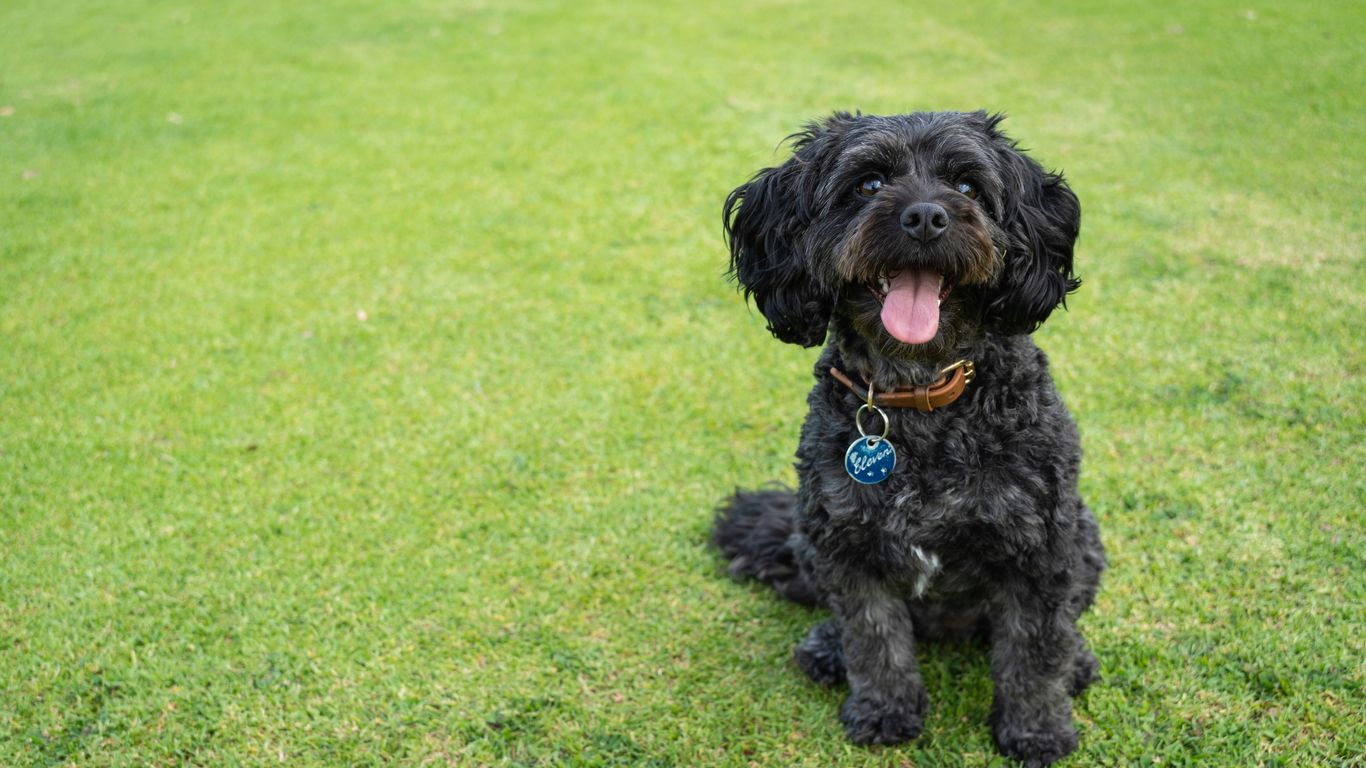
So, your pup isn’t quite getting the "sit" command down? Don’t sweat it. Most of the time, these little hiccups are totally fixable with a bit of patience and understanding. Let’s break down a few common issues and how to sort them out.
Dog Won’t Sit At All?
If your dog is just staring at you blankly when you ask them to sit, they might need a little more convincing. Sometimes, the treats you’re using just aren’t exciting enough. Try switching to something super smelly and tasty, like small pieces of dried liver or cheese. These high-value rewards can really grab their attention and make them more eager to figure out what you want. It’s all about finding what motivates your individual dog.
Dog Only Sits When They See A Treat?
This is a classic. Your dog has learned that the treat equals the sit, and they’re not going to do it without that visual cue. The trick here is to start fading out the treat lure. Instead of showing them the treat before they sit, try holding it in your hand but out of sight. Ask for the sit, and if they do it, then reward them. Gradually, you can start rewarding randomly – sometimes they get a treat, sometimes just praise. This intermittent reinforcement is actually more powerful for long-term learning than getting a reward every single time.
Dog Breaks The Sit Immediately?
This usually means your dog understands the action of sitting but not the duration. They think the trick is just getting their butt on the ground, and then they’re done. To fix this, make sure you’re rewarding them while they are still sitting, not after they’ve already stood up. Start by asking for just a second or two of sitting before rewarding. Gradually increase the time they need to stay sitting. This is also a great time to start introducing the "stay" command, as it directly builds on the "sit" behavior.
Dog Won’t Sit At All?
So, your furry friend is giving you the cold shoulder when you ask them to sit. It happens! Don’t get too discouraged. Sometimes, a dog just isn’t getting it, or maybe there’s something else going on.
First off, let’s rule out any physical discomfort. Could your dog be experiencing pain? If they seem hesitant or uncomfortable when their rear end lowers, it’s worth a chat with your vet. They can check for any underlying issues that might make sitting a no-go. If your vet gives the all-clear, we can move on to training tweaks.
Sometimes, the motivation just isn’t there. Are you using high-value treats? That means something super tasty your dog doesn’t get all the time. Think tiny pieces of cheese, cooked chicken, or special training treats. Regular kibble might not cut it if they’re not already food-motivated.
Here are a few things to try:
- Check your environment: Make sure you’re in a quiet spot with zero distractions. No other pets, no loud noises, just you and your pup. Start on a leash so you have a bit of control.
- Refine your lure: Hold the treat right by their nose and slowly move it up and slightly back over their head. You’re trying to draw a ‘C’ shape. Their head should follow the treat, and their bum should naturally go down. If they jump up, you’re moving too fast or too high.
- Use a training toy: Some dogs respond better to play. Try using a special training toy to make learning faster. When your puppy performs a command like ‘sit’, immediately reward them with a short, exciting play session with the toy. After a few seconds, ask for ‘Drop It’ and make the toy disappear again. Repeat this process to create a strong association between good behavior and fun rewards. This method builds self-control and makes training more effective and enjoyable for both you and your puppy.
If your dog is still struggling, try getting closer. Sometimes being right above them, with the treat held just so, forces them to look up more, which naturally encourages a sit. It’s all about finding that sweet spot where their body naturally wants to follow the lure.
Remember, consistency is key. Keep sessions short and positive. If they do sit, even for a second, praise them like they just won the lottery and give that treat immediately. You’re building an association, and the faster you can mark and reward the behavior, the clearer the lesson becomes.
Dog Only Sits When They See A Treat?
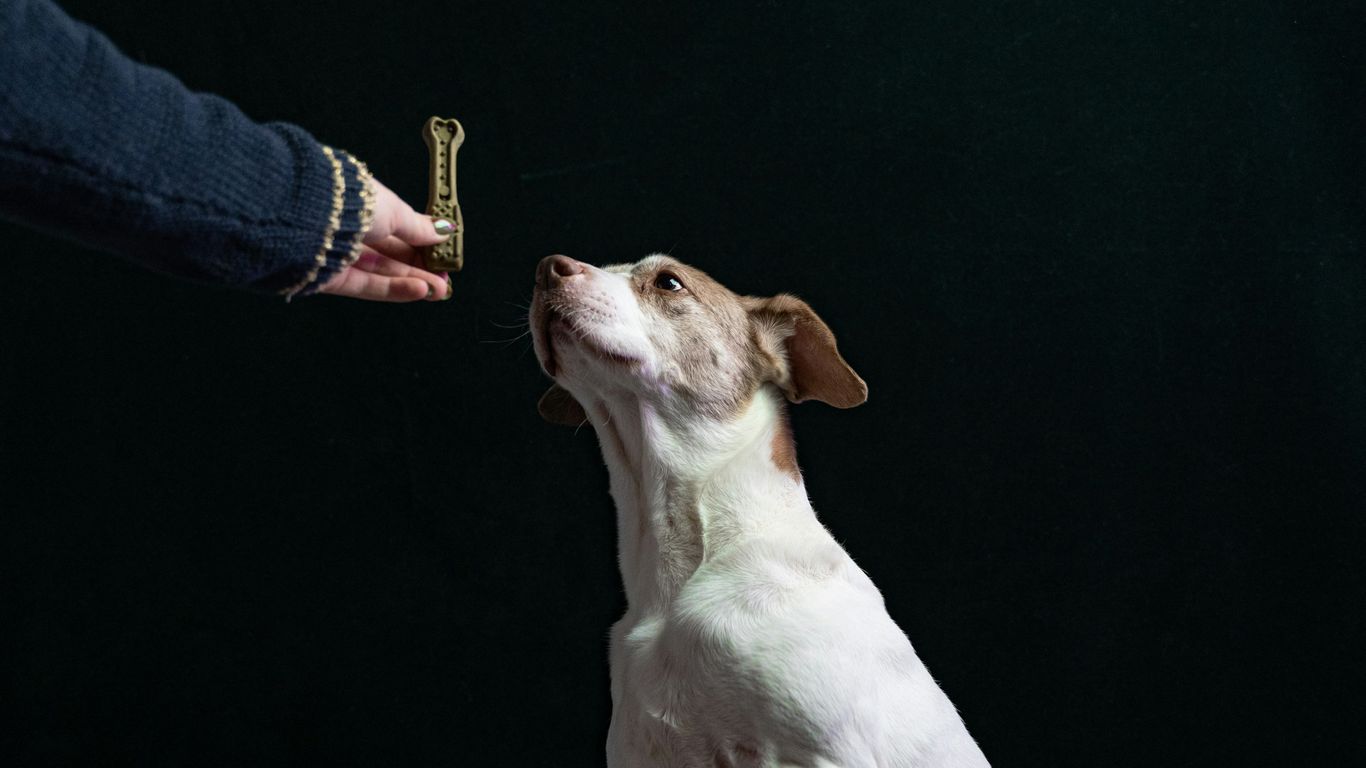
So, your pup only drops into a sit when they see that tasty morsel dangling in front of their nose? Yeah, that’s a pretty common spot to land when you’re first teaching "sit." It means they’ve learned that the treat makes them sit, not necessarily the word or the hand signal. We’ve all been there, right? It’s like they’re thinking, "Oh, you have food? Okay, I’ll do that thing you want."
The key here is to gradually fade out the visual cue of the treat. You want them to associate the command with the action, not just the reward itself. This is where consistency really pays off. Think of it like this: if you always got paid exactly when you saw the paycheck, you might not do your job when the paycheck wasn’t immediately visible. Dogs are similar.
Here’s how to start making that shift:
- Start rewarding randomly: Instead of giving a treat every single time they sit, start rewarding only sometimes. This is called intermittent reinforcement, and it’s actually super effective. They’ll keep trying because they never know when the jackpot is coming.
- Use praise more often: On the days you don’t give a treat, give lots of enthusiastic praise and maybe a gentle pat. They still get positive feedback, just not the food every time.
- Hide the treat: Practice the "sit" command when the treat is in your pocket or a treat pouch, not in your hand. Give the command, and if they sit, then reach for the treat. This helps them focus on your voice and body language.
This process helps build a stronger understanding of the command itself, making your dog more reliable even when the treat isn’t in plain sight. It’s all about building that association with the word "sit" and the action, not just the immediate reward.
It might take a little longer, but it’s worth it to have a dog who listens to your cues, not just your treat bag. You’re building a better communication system with your dog, and that’s what dog training is all about.
Dog Breaks The Sit Immediately?
So, your pup sits, but only for a hot second before popping right back up? This is a super common hiccup when teaching "sit." It usually means your dog thinks the trick is just the act of sitting itself, not staying in that position. They’re basically saying, "Okay, I did it, where’s my reward?" It’s not defiance; it’s just a slight misunderstanding of the full command.
The key here is to reward the duration of the sit, not just the initial act.
Here’s how to tackle this:
- Reward While Sitting: Make sure you’re giving the treat and praise while your dog is still in the sitting position, not after they’ve already stood up. This reinforces that the reward comes for staying put.
- Start Small: Begin by asking for just a second or two of sitting before rewarding. Gradually increase the time you expect them to hold the sit before you give them their treat.
- Introduce "Stay" Early: Once your dog is reliably sitting for short periods, it’s time to start teaching the "stay" command. This builds on the sit and teaches them to hold the position until released. You can find more tips on how to train your dog effectively.
Don’t get discouraged if this takes a few tries. Consistency is everything. You want your dog to understand that the "sit" command includes holding that position until you give them a release word or a new cue. It’s all about building that understanding step-by-step.
What To Teach Your Dog Next?
So, you’ve got "sit" down pat. Awesome! It’s a great feeling when your dog finally gets it, right? Now you’re probably wondering, "What’s next?" It’s totally normal to want to keep the momentum going. Teaching your dog new things is addictive, and honestly, it’s a fantastic way to bond.
After "sit," a few commands naturally follow and build on that foundation. "Down" is a good one to tackle next. You can often lure your dog into a down position from a sit. Then there’s "stay." This one is super important for safety and really solidifies their understanding of a command. It teaches them impulse control, which is huge.
Here are some other commands that are really useful:
- "Come" (Recall): This is arguably the most important command for your dog’s safety. You want them to come back to you when called, no matter what’s going on around them. Start this in a quiet place and make it super rewarding.
- "Heel" or "Let’s Go": Teaching your dog to walk nicely on a leash without pulling is a game-changer for walks. It makes outings much more enjoyable for both of you.
- "Leave It": This command teaches your dog to ignore something tempting, whether it’s a dropped piece of food or something less desirable on the sidewalk.
Don’t forget that consistency is key. Keep practicing "sit" in different places, too. You want your dog to understand that "sit" means sit everywhere, not just in the living room. This kind of practice can take a couple of weeks to really sink in.
Remember, every dog learns at their own pace. If your dog is struggling with a new command, it’s okay to slow down. Maybe the treats aren’t exciting enough, or perhaps the training session is too long. Adjusting your approach is part of the process.
Once your dog has a few basic commands down, you can even start thinking about more advanced tricks or obedience training. The possibilities are pretty much endless once you’ve got a solid foundation. You can check out step-by-step methods for teaching commands like sit, down, and stay.
The Release Word
Okay, so you’ve got your puppy sitting pretty, right? That’s awesome! But how do you tell them they’re done sitting? That’s where the release word comes in. Think of it as the "all clear" signal, the "you can move now" cue. Without it, your dog might just stay in that sit forever, or worse, get up whenever they feel like it, which isn’t exactly what we’re going for.
Choosing your release word is pretty simple; just pick something you’ll remember and use consistently. Words like "Okay," "Free," or "Go" work well. The key is that it’s a word you don’t use for anything else. You don’t want your dog to think "Okay" means "Sit" one minute and "Go play" the next. Consistency is king here.
Here’s how to teach it:
- Start with your puppy in a sit. Have a treat ready.
- Say your chosen release word, like "Okay!" and then immediately toss a treat a short distance away from your puppy.
- As soon as they move to get the treat, praise them. This teaches them that the word means they’re free to move and get a reward.
Repeat this a few times. Eventually, your puppy will start to anticipate the treat after hearing the release word. You can then start to build duration. Ask for a sit, wait a second or two, say your release word, and then reward. Gradually increase that waiting time. If your dog gets up before you say the word, that’s fine! Just make it a little easier next time. It’s all about small wins.
This process helps your dog understand that the sit is a deliberate action they can hold until released, rather than just a temporary pause. It builds impulse control and makes your commands much more reliable in the long run. It’s a small step, but it makes a big difference in how well your dog listens.
A Quiet, Distraction-Free Space
When you’re first teaching your puppy to sit, you want to make things as easy as possible for them. That means picking a spot where there aren’t a million things going on. Think about it: if you’re trying to learn something new, and there’s a TV blaring, people talking, and a cat running around, you’re probably not going to focus very well, right? Your dog is the same way.
Start in a place where your dog can really concentrate on you. This usually means inside your house, away from windows or doors where they might see squirrels or other dogs walk by. A quiet room, maybe the living room before everyone else wakes up, or a spare bedroom, is perfect. You want to minimize anything that could pull their attention away from the training session. Introducing a dog to new environments with distractions can reveal weaknesses in their understanding of learned behaviors. Trainers recognize that these new settings highlight areas where a dog’s comprehension may be incomplete, indicating a need for further training or reinforcement.
Here’s why it’s so important:
- Reduces Confusion: Fewer distractions mean your dog can better focus on your cues and the reward.
- Builds Confidence: Success is more likely when the environment is controlled, which helps your dog feel more secure.
- Faster Learning: When your dog isn’t constantly getting sidetracked, they’ll pick up the ‘sit’ command much quicker.
Once your dog is a pro at sitting in a quiet space, you can gradually introduce more challenging environments. But for those first few minutes, keep it simple. A calm, predictable setting is your best friend when starting out.
High-Value Treats
When you’re teaching your puppy something new, like the "sit" command, you need something that really gets their attention. Forget about their regular kibble for now; we’re talking about the good stuff. Think tiny pieces of cheese, bits of cooked chicken, or special training treats designed to be super tasty. These aren’t just snacks; they’re powerful motivators.
What makes a treat "high-value" is really about your individual dog. Some dogs go wild for anything meaty, while others might be more interested in a specific flavor or texture. It’s worth experimenting a bit to see what makes your pup’s tail wag the most. You want something that they’ll work for, something that makes them think, "Wow, this is way better than just lying around!"
Here’s a quick rundown of what usually works:
- Meaty Morsels: Small pieces of cooked chicken, beef, or hot dogs (plain, of course).
- Cheesy Delights: Tiny cubes of cheddar or other hard cheeses.
- Commercial Training Treats: Many brands offer small, soft, and flavorful options.
- Freeze-Dried Liver: These are often a huge hit and break apart easily.
It’s also a good idea to have a variety. Sometimes a dog might be a little bored with the same old thing, so switching it up can keep them engaged. Just remember to keep the pieces small – about the size of a pea or a small bean. You don’t want your puppy filling up too quickly on treats during a training session. Using these special rewards helps make sure your dog is focused and eager to learn, which is key for effective puppy training.
The goal is to make training a positive and exciting experience for your dog. When they associate learning with delicious rewards, they’ll be much more likely to participate and succeed.
Time (10-30 Minutes Daily)
When you’re teaching your puppy new things, like the "sit" command, keeping training sessions short and sweet is the way to go. Think about it – would you want to sit and listen to someone drone on for hours? Probably not. Dogs are the same.
Aim for multiple short sessions throughout the day rather than one long one. This helps keep your puppy engaged and prevents them from getting bored or frustrated. Five to ten minutes here and there is much more effective than a half-hour marathon. You’ll find that consistency is key, and fitting in these little bursts of training is easier than you might think. It’s all about making learning fun and manageable for both of you.
Here’s a general idea of how to break it down:
- Morning: 5-10 minutes before breakfast.
- Afternoon: 5-10 minutes after a potty break.
- Evening: 5-10 minutes before dinner or a play session.
This approach ensures your puppy gets regular practice without feeling overwhelmed. Remember, the goal is to build positive associations with training, not to create a chore. If your puppy seems tired or is losing focus, it’s time to wrap it up for a while. You can always pick it back up later!
The most important thing is to end each session on a positive note. If your puppy is struggling with a particular step, go back to something they already know and succeed at. This builds their confidence and makes them eager for the next training opportunity.
Patience
Look, teaching your puppy to sit isn’t rocket science, but it does take a bit of time and understanding. Puppies are still learning about the world, and sometimes they just don’t get it right away. It’s really important not to get frustrated. If you’re feeling annoyed, your puppy will pick up on that, and it’ll make training harder for both of you. Think of it like this: you wouldn’t expect a toddler to read a book after one lesson, right? It’s the same with dogs.
Here’s the deal:
- Short, Sweet Sessions: Keep training sessions short, maybe 5-10 minutes at a time. A few successful repetitions are way better than a long, frustrating session where nothing clicks.
- Celebrate Small Wins: Did your puppy even think about sitting? Give them some praise! Every little step in the right direction is progress.
- Consistency is Key: Doing a little bit every day is more effective than one marathon training session a week. Your puppy learns best when the routine is predictable.
Remember, your puppy is trying their best to understand what you want. They’re not being stubborn on purpose. A calm, patient approach will get you much further than any amount of rushing or getting upset. Just keep at it, and you’ll see results.
Some dogs pick things up in a day, others might take a week or two. It really depends on the dog, their age, and their personality. Just stick with it, and don’t compare your puppy’s progress to others. Your journey is unique!
Clicker
A clicker can be a really handy tool when you’re teaching your puppy new things, like how to sit. Think of it as a super clear way to tell your dog, ‘Yes! That’s exactly what I wanted!’
The basic idea is simple: you click at the exact moment your dog does the right thing, and then you give them a treat. This creates a strong connection between the click sound and the reward. It’s like a tiny, consistent marker that says, ‘Good job, pay attention, a treat is coming!’
Here’s how it works:
- Get Your Clicker: Make sure you have a clicker handy. You can find them at most pet stores.
- Load the Clicker: Before you even start training a specific command, you need to teach your dog that the click means good things are coming. Do this by clicking the clicker and immediately giving your dog a treat. Repeat this a dozen times or so. Your dog will quickly learn to associate the click with a tasty reward.
- Mark the Behavior: When you’re teaching ‘sit,’ you’ll hold a treat and lure your dog into the position. The instant their rear end touches the floor, you click the clicker. Don’t wait, don’t hesitate – the click needs to happen at that precise moment.
- Reward: Immediately after the click, give your dog the treat. This reinforces the action they just performed.
Using a clicker helps make your timing really precise. It’s much easier for your dog to understand exactly what behavior earned them the reward when the click happens at the perfect moment. It’s a small tool, but it can make a big difference in how quickly your puppy learns.
A Reliable E-Collar
When you’re working on teaching your puppy to sit, sometimes you might need a little extra help to get the message across. That’s where a reliable e-collar can come in handy. It’s not about punishment, though; it’s about clear communication. Think of it as a way to get your dog’s attention when they’re a bit distracted or not quite getting what you want.
Before you even think about using any sort of stimulation, though, your dog needs to get used to wearing the collar. Let them wear it for short periods each day. You want them to be comfortable with it. When it’s time to train, make sure the collar fits snugly. You should be able to fit two fingers between the strap and your dog’s neck. This ensures the contact points work right. The receiver part usually sits best on the side of the neck.
Finding the right level of stimulation is key. You’ll want to start at the very lowest setting and slowly increase it until you see a little reaction from your dog. This might be a slight head turn or a change in their expression. If your dog starts whimpering, licking their lips, or looking away, you’ve gone too high. Dial it back and try again. The goal is a gentle nudge, not a shock.
Here’s a quick rundown of what you’ll need:
- A comfortable e-collar that fits well
- High-value treats your dog loves
- A quiet place with few distractions
- Plenty of patience!
When you ask your dog to sit, you’ll use the e-collar to give a little tap of stimulation right as you say the word "sit." Immediately after they sit, praise them and give them a treat. This helps them connect the command, the sensation, and the reward. It’s a process that takes time, but with consistency, your dog will start to understand. If you’re unsure about the best way to use this tool, looking into proper e-collar use can offer some great guidance.
The Lure Technique (Draw A “C”)
Okay, so you’ve got your super-duper tasty treats ready. Now, let’s get your puppy to actually do the sit thing. This is where the "lure" comes in, and it’s pretty simple once you get the hang of it. Think of it like a little magic trick, but with kibble.
First things first, hold that treat right up to your puppy’s nose. They need to know it’s there, and trust me, they will know. Their nose is way better than ours, after all. Once they’re sniffing it, slowly start to move the treat upwards and just a little bit back, over their head. You’re basically drawing a gentle "C" shape with the treat, starting from their nose and going towards the top of their head. As their head follows the treat, their rear end should naturally lower into a sit. It’s like gravity doing the work for you!
Here’s a quick rundown:
- Treat to Nose: Get your puppy interested with the treat right at their nose.
- The "C" Motion: Move the treat up and slightly back, over their head.
- Follow the Treat: Your puppy’s head will follow, naturally causing their bum to drop.
If your pup tries to jump up instead of sitting, don’t worry. Just slow down your movement a bit and keep the treat a little closer to their nose. They’ll figure it out. It’s all about guiding them, not forcing them. This lure method is a great way to get them to understand what you’re asking without any confusion.
Want to teach your dog a cool trick? The Lure Technique, often called drawing a "C", is a fun way to get your dog moving in a circle. It’s a simple method that uses a treat to guide your dog’s nose, making them follow your hand in a "C" shape. This helps them learn to turn their body and follow directions smoothly. Ready to try it with your furry friend? Visit our website for more easy-to-follow dog training tips and guides!
Keep Up the Great Work!
So there you have it! Teaching your puppy to sit doesn’t have to be complicated. You’ve seen how quickly they can pick it up with just a few minutes of practice. Remember, consistency is key. Keep those short training sessions going, and don’t forget to celebrate every little success. Before you know it, ‘sit’ will be a command your dog knows like the back of their paw. Now that you’ve mastered this first step, you might be ready to teach them even more fun tricks. Happy training!
Frequently Asked Questions
What are the best treats to use for training my puppy?
High-value treats are key! Think small, super tasty snacks that your puppy absolutely loves and doesn’t get all the time. Things like tiny pieces of cooked chicken, cheese, or special training treats work wonders. The smellier and tastier, the better they’ll grab your puppy’s attention and make them eager to learn.
Why does my dog only sit when they see a treat?
This often happens because your dog has learned that the treat is the only reason to sit. To fix this, try rewarding them randomly instead of every single time. Sometimes give a treat, other times just give lots of praise! This surprise reward makes them keep trying because they never know when the good stuff is coming.
My puppy won’t sit at all. What should I do?
If your puppy is completely refusing to sit, make sure they aren’t uncomfortable or in pain. If a vet says they’re healthy, try using an even more exciting treat they can’t resist. Sometimes, a little extra motivation is all they need to understand what you’re asking.
How long does it usually take for a puppy to learn to sit everywhere?
It can take about two weeks of consistent practice in different places for your puppy to really get that ‘sit’ means sit no matter where you are. Keep practicing in your house, the yard, and on walks to help them understand.
My puppy sits but then immediately gets up. How can I fix this?
This usually means they don’t quite understand that ‘staying’ in the sit is part of the trick. Reward them while they are still sitting, not after they stand up. It’s also a good time to start teaching the ‘stay’ command right after they’ve mastered sitting.
What’s the best way to start teaching my puppy to sit?
Start in a quiet place with no distractions. Hold a tasty treat near your puppy’s nose and slowly move it up and slightly back over their head. As they follow the treat with their nose, their bottom should naturally lower to the ground. As soon as they sit, say ‘Yes!’ or ‘Good sit!’ and give them the treat right away.