
Puppies are adorable, but when those tiny needle teeth start to emerge, your furniture can become their favorite chew toy. It’s a natural part of their development, but that doesn’t mean your sofa has to suffer. This guide offers practical puppy teething tips to help you navigate this phase, protect your belongings, and keep your furry friend happy and comfortable.
Key Takeaways
- Understand that puppy teething is a normal developmental stage, typically starting around 3 weeks and lasting until 6-7 months, involving sore gums and an urge to chew.
- Provide a variety of safe and durable chew toys, rotating them regularly to keep your puppy engaged and offer different textures for gum relief.
- Soothe sore gums with cold items like frozen carrots, cucumbers, or broth-filled ice cubes, always supervising to prevent choking hazards.
- Puppy-proof your home by securing valuables and cords, creating a designated chew zone, and using deterrent sprays on furniture as needed.
- Redirect your puppy’s chewing from inappropriate items to their toys, rewarding good behavior and teaching commands like ‘Leave It’.
Understand The Puppy Teething Process
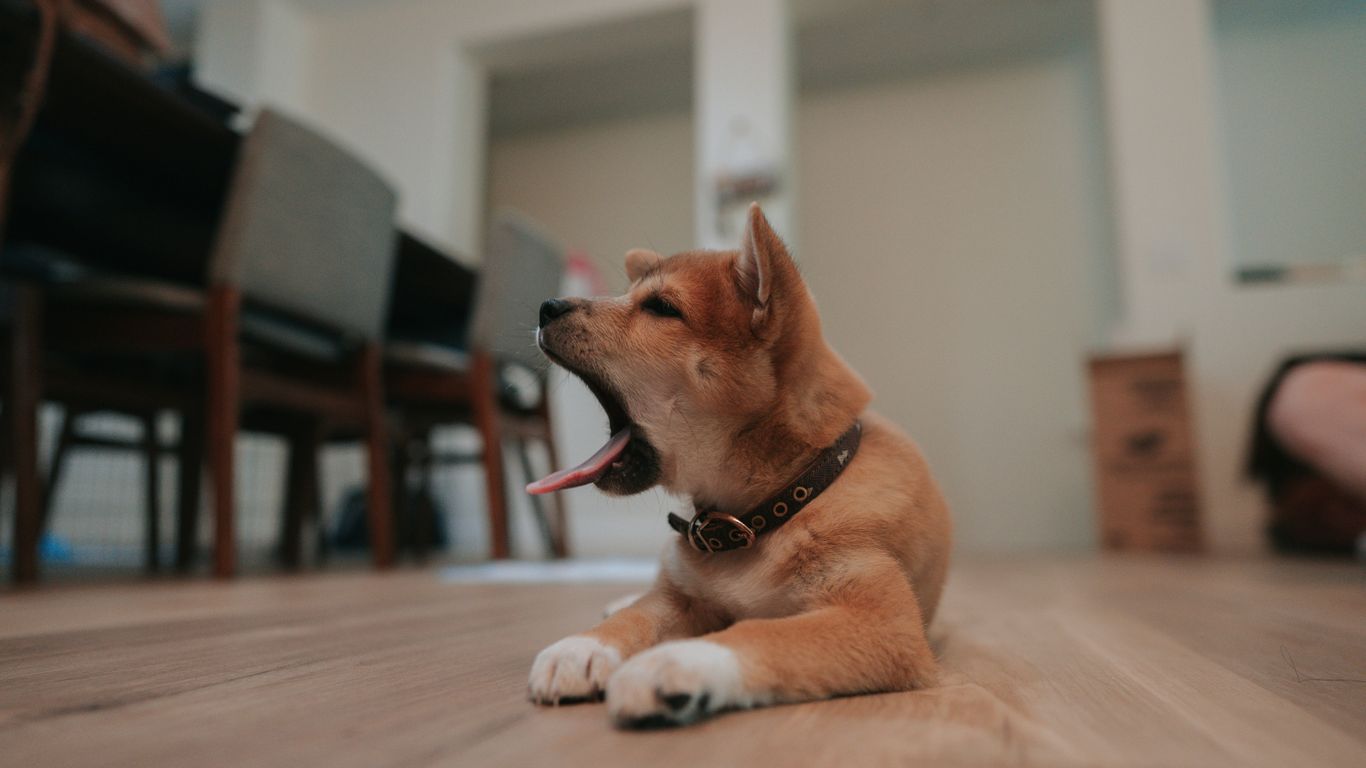
Puppies, much like human babies, go through a rather intense teething phase. It’s a natural part of their development, but it can be a bit of a wild ride for both them and you. Understanding what’s happening can make a big difference in how you handle those chewing urges. This period is driven by the eruption of adult teeth and the shedding of their baby teeth.
Why Puppies Chew Everything
Puppies use their mouths to explore the world. It’s how they learn about textures, tastes, and what things are. When they’re teething, this natural exploration is amplified because their gums are sore and itchy. Chewing provides a form of relief, much like a baby gumming a teething ring. They’re not trying to be naughty; they’re just trying to feel better and understand their surroundings. It’s a biological imperative, and unfortunately for our furniture, their mouths are their primary tools for this.
Recognizing The Signs Of Teething
Spotting the signs of teething can help you prepare and offer the right kind of support. You might notice a few key indicators:
- Increased Drooling: Suddenly, your pup seems to be producing a lot more saliva than usual.
- Sore or Swollen Gums: You might see redness or swelling when you gently check their mouth.
- Pawing at the Mouth: They may paw at their face or mouth area, indicating discomfort.
- Irritability: Just like a teething baby, your puppy might be more fussy or irritable than normal.
- Chewing on Everything: This is the big one. If they’re suddenly chewing on things they never bothered with before, it’s a strong sign.
- Loose or Missing Teeth: You might find tiny puppy teeth around the house or stuck in their toys. This is a good sign that the adult teeth are coming in.
- Slight Bleeding: You might see tiny spots of blood on their toys or where they’ve been chewing, especially if a tooth has just come through.
- Changes in Eating Habits: Some puppies might eat a little less if their gums are particularly sore.
It’s important to remember that while these signs are common, every puppy is a little different. Some might show all of them, while others might only display a few.
The Timeline Of Puppy Teething
Puppy teething isn’t a single event but a process that unfolds over several months. Here’s a general timeline to give you an idea of what to expect:
| Stage | Age Range | What’s Happening |
|---|---|---|
| Baby Teeth | 2-4 Weeks | Puppy’s first set of 28 tiny teeth start to emerge. |
| Tooth Loss | 3-4 Months | Baby teeth begin to fall out, making way for adult teeth. |
| Adult Teeth | 4-7 Months | The full set of 42 adult teeth erupts. This is often the most uncomfortable phase. |
| Teething Ends | Around 7 Months | Most puppies have their full set of adult teeth by this age. |
This timeline can vary slightly depending on breed and individual development. The period between 3 and 4 months is often the most challenging, as those adult teeth start pushing through sore gums. Patience and the right tools are key during these months.
Provide A Variety Of Puppy Teething Toys
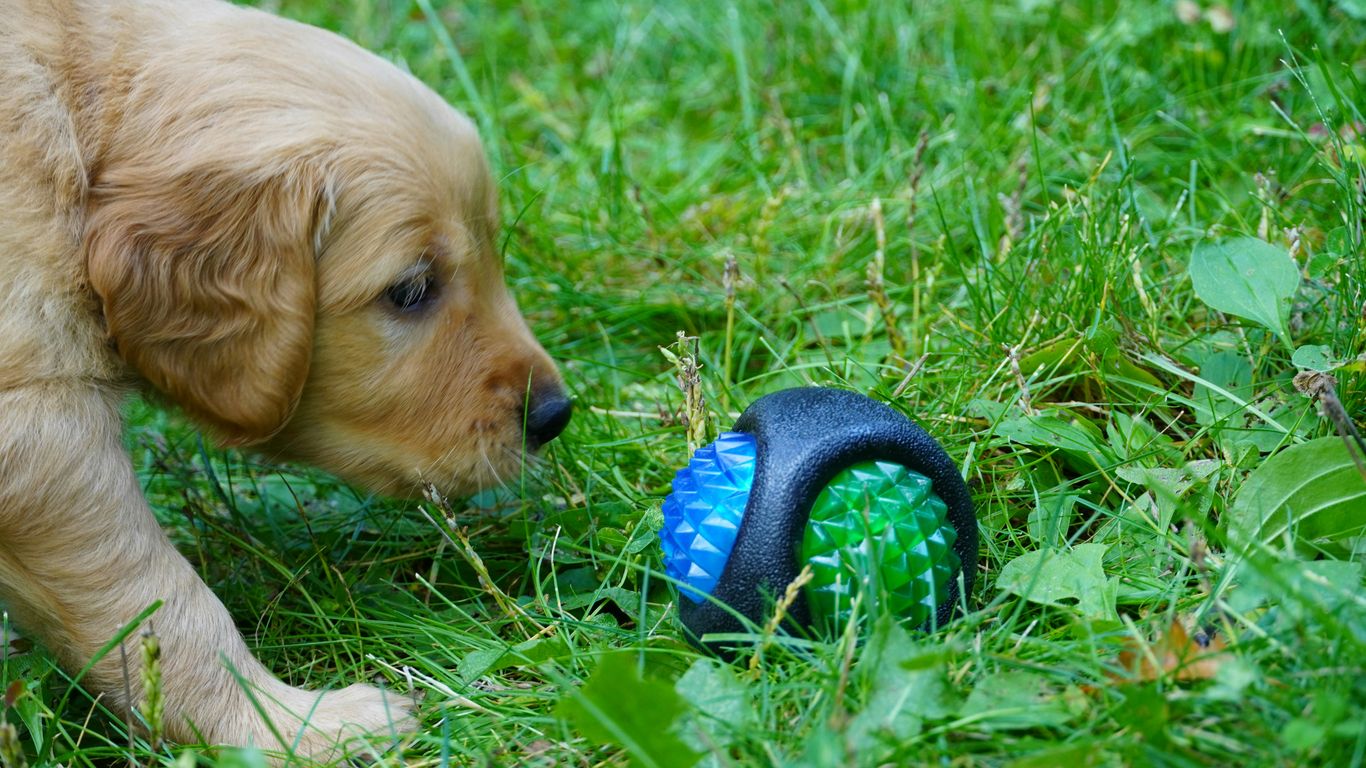
When your puppy’s pearly whites start to make their grand entrance, they’re going to need something to gnaw on. And let’s be honest, your favorite pair of shoes is probably not the best option. The good news is, there’s a whole world of puppy-specific chew toys out there designed to help soothe those sore gums and redirect that chewing instinct. Having a good selection of toys is your first line of defense against furniture destruction.
Invest In Indestructible Chew Toys
Puppies, especially during teething, can have surprisingly strong jaws and sharp little teeth. You’ll want to look for toys that are built to withstand some serious gnawing. Think durable rubber toys, tough nylon chews, or even some of the more robust rope toys. These are designed to be safe for aggressive chewers and won’t break apart easily, which is important to prevent choking hazards. It’s worth spending a little more on toys that are known for their durability; they’ll likely last longer and save you money in the long run compared to constantly replacing flimsy toys.
Rotate Toys To Maintain Interest
Just like us, puppies can get bored. If your pup has the same three toys available 24/7, they might start looking for more exciting (and destructive) things to chew on. Try keeping a few toys out at a time and then swapping them out every few days. This keeps the toys feeling fresh and new, making them more appealing. You can even hide a few favorite toys and
Soothe Sore Gums With Cold Treats
When your puppy’s gums are feeling extra sore and inflamed, cold can be a real lifesaver. Just like how a cold compress helps a bumped knee, a chilled item can offer some much-needed relief for those aching puppy gums. It’s a simple, natural way to help them through this uncomfortable phase.
Offer Frozen Carrots Or Cucumbers
Frozen fruits and veggies can be a fantastic, healthy option for your teething pup. Think of a carrot or a cucumber – they’re firm enough to provide a good chew, but also have a satisfying crunch. Pop one in the freezer for a few hours until it’s nice and cold, then offer it to your puppy. The coldness helps numb their gums, and the act of chewing can distract them from the discomfort. It’s a win-win!
Create Frozen Broth Ice Cubes
If you want to offer something a little more exciting, consider making some broth ice cubes. Use a low-sodium, puppy-safe broth (like chicken or beef, with no onion or garlic) and freeze it in an ice cube tray. You can even add a little bit of mashed, puppy-safe fruit like banana or berries for extra flavor and nutrients. Once frozen, these little cubes are a tasty and soothing treat. Just supervise your puppy to make sure they don’t try to swallow a whole frozen cube.
Utilize Frozen Washcloths
This is a classic for a reason! Grab a clean washcloth, soak it in water or some of that puppy-safe broth, and tie it into a few knots. Then, toss it in the freezer until it’s solid. When you give it to your puppy, they can gnaw on the frozen knots to their heart’s content. It’s a great way to redirect their chewing instincts onto something appropriate and provide gum relief. Just be sure to use a washcloth that you don’t mind getting a little slobbery!
- Preparation is key: Always supervise your puppy when they have a frozen treat or toy.
- Check for safety: Ensure any food items you freeze are safe for puppies and free from harmful ingredients.
- Variety matters: Rotate between different cold options to keep your puppy engaged and to see what they prefer.
Offering cold items can significantly help your puppy manage teething pain. It’s a gentle approach that uses natural elements to provide comfort and distraction during this challenging developmental stage. Remember to always choose safe, puppy-appropriate items for freezing.
Puppy-Proof Your Home Effectively
Okay, so your little furball is going through the teething phase, and your favorite armchair is starting to look like a chew toy. It happens! But don’t worry, you can totally survive this without your home looking like a disaster zone. Puppy-proofing isn’t just about tidying up; it’s about setting up your space so your pup can’t get into too much trouble while their gums are sore. Think of it as a temporary renovation project for your house, focused on saving your stuff.
Secure Valuables and Cords
This is probably the most obvious step, but it’s worth repeating. Anything you don’t want chewed, slobbered on, or generally destroyed needs to be put away. This includes shoes, remote controls, books, and especially electrical cords. Puppies can chew through cords surprisingly fast, and that’s a serious safety hazard. Try to keep tempting items out of reach by putting them in drawers, cabinets, or on high shelves. It might feel like you’re constantly tidying up, but it’s a small price to pay for intact furniture and a safe puppy.
Create a Designated Chew Zone
Give your puppy their own special spot where chewing is not only allowed but encouraged! This area should be stocked with all their favorite teething toys, maybe a puzzle feeder, and a comfy bed. You can use baby gates or playpens to keep this zone separate, especially when you can’t supervise them directly. Having a dedicated space that’s full of appropriate chew items can really help redirect their attention when the urge to gnaw strikes. It makes it clear to your pup what’s theirs to chew and what’s off-limits. This also helps them feel secure, knowing they have their own little den filled with good things. You can find some great puppy chew toys that are designed to withstand serious chewing.
Use Bitter Sprays on Furniture
Sometimes, even with the best toys and a designated chew zone, your puppy might still fixate on certain pieces of furniture. That’s where bitter sprays come in handy. These are specially formulated sprays with a taste that most dogs find unpleasant, but they’re completely safe. You can spray them on furniture legs, the corners of couches, or anything else your pup seems determined to gnaw on. The idea is that the bad taste will deter them from chewing. It’s not a magic bullet, and you’ll still need to redirect them, but it can be a helpful tool in teaching them what not to chew. Just be sure to test the spray on an inconspicuous area of your furniture first to make sure it doesn’t stain or damage the material.
Redirect Chewing Behavior
So, your furniture is looking a little… gnawed. It happens! Puppies explore with their mouths, and sometimes that means your favorite armchair becomes an impromptu chew toy. The good news is, you can guide your pup towards better habits. It’s all about showing them what’s okay to chew and what’s definitely off-limits.
Offer Appropriate Toys As Alternatives
When you catch your puppy eyeing your shoe or giving the sofa leg a suspicious sniff, don’t just scold. Instead, gently interrupt the behavior and immediately offer them one of their own chew toys. Think of it as a trade – "No, not that, but THIS is super fun!" Make sure you have a good variety of toys with different textures and durability. Some pups love a tough rubber toy, while others prefer something softer or even a puzzle toy that dispenses treats. The key is to make their toys more appealing than your belongings.
Reward Good Chewing Habits
Positive reinforcement goes a long way. Whenever you see your puppy happily gnawing on their designated chew toy, praise them! A simple "Good boy!" or "Yes, that’s a good chew!" accompanied by a gentle pat can make a big difference. You can even offer a small, healthy treat when they’re really focused on their toy. This helps them associate chewing their toys with good things happening. It’s like giving them a little gold star for making the right choice.
Teach Essential Commands Like ‘Leave It’
Commands like ‘Leave It’ are absolute lifesavers. This command teaches your puppy to disengage from something they’re interested in, which is incredibly useful when they’re zeroing in on something they shouldn’t be chewing. Start practicing this in a low-distraction environment. Hold a treat in your closed fist. Let your puppy sniff and lick, but don’t let them have it. The moment they back away, even for a second, say ‘Yes!’ and give them the treat. Gradually, you can progress to placing a less exciting toy on the floor and rewarding them for leaving it alone when you say the command. Consistency is everything here.
Puppies need to learn what they can chew just as much as what they can’t. Providing a wealth of appropriate options and praising them when they engage with those options is a proactive way to manage their chewing instincts. It’s about redirection, not just restriction.
When To Seek Veterinary Advice
Most of the time, puppy teething is just a phase that passes. But sometimes, things can get a bit more serious, and that’s when you know it’s time to call the vet. It’s easy to get caught up in the chewing chaos, but keeping an eye out for these specific signs will help you know when professional help is needed.
Signs Of Excessive Pain Or Discomfort
While teething is uncomfortable, your puppy shouldn’t be in constant agony. If your pup is crying a lot, seems unusually lethargic, or is showing signs of distress that don’t seem to be easing up, it’s worth a check-up. Sometimes, a tooth might be growing in at an odd angle, or there could be a gum issue that’s causing extra pain. You might also notice swelling in their gums or face that looks more than just a little puffy. Don’t hesitate to reach out to your vet if your puppy seems to be suffering more than expected.
Concerns About Retained Baby Teeth
Puppies have a set of baby teeth that eventually fall out to make way for their adult teeth. Usually, this happens without a hitch. However, sometimes a baby tooth just won’t budge, and it stays put even after the adult tooth starts coming in. This is called a retained deciduous tooth. These stubborn little teeth can cause problems like:
- Misaligned adult teeth
- Food getting trapped, leading to gum disease
- Increased risk of infection
- Pain and discomfort
If you notice double rows of teeth or your vet suspects a retained tooth during a check-up, they’ll likely recommend a procedure to remove it. It’s better to deal with this sooner rather than later to prevent bigger dental issues down the road.
Loss Of Appetite Lasting Over 24 Hours
It’s pretty normal for a teething puppy to be a little off their food if their mouth is sore. They might prefer softer foods or take longer to eat. But if your puppy refuses to eat anything for more than a full day, that’s a red flag. A sudden or prolonged loss of appetite can signal a more significant health problem, not just teething pain. It could be anything from a stomach bug to something more serious. If your pup isn’t eating, drinking, or showing any interest in treats for over 24 hours, it’s definitely time to get them to the vet clinic.
When should you worry about your dog’s health? If your furry friend is acting strangely, like not eating, having trouble breathing, or seems to be in pain, it’s time to get help. Don’t wait for things to get worse. Visit our website today to learn more about when to call the vet and how to keep your dog happy and healthy!
You’ve Got This!
Look, dealing with a teething puppy can feel like you’re living in a chew toy factory that’s constantly under construction. It’s messy, it’s frustrating, and sometimes you just want to hide all your shoes. But remember, this phase doesn’t last forever. By puppy-proofing your home, stocking up on plenty of appropriate chew toys, and consistently redirecting your pup, you’re setting them up for success. You’re teaching them what’s okay to gnaw on and what’s off-limits. It takes patience, for sure, but soon enough, those sharp little teeth will be replaced by adult ones, and your furniture will live to see another day. Hang in there – you’re doing a great job!
Frequently Asked Questions
Why do puppies chew so much when they’re teething?
Puppies chew a lot because their gums get sore and itchy as their baby teeth fall out and adult teeth start to grow in. Chewing feels good and helps relieve that discomfort. They also use their mouths to explore the world around them, kind of like how human babies put everything in their mouths!
What are the signs that my puppy is teething?
You’ll notice a few things if your puppy is teething. They’ll probably chew on everything, drool more than usual, and might seem a little fussy or whiny. You might also see that their gums look red or swollen, and sometimes you might even find a lost baby tooth!
How long does the puppy teething phase last?
The whole teething process can take a while. Puppies start getting their baby teeth pretty early, but the main phase where they lose baby teeth and grow adult teeth usually happens between 3 to 7 months old. It can last for a few months as those new teeth come in.
What’s the best kind of toy for a teething puppy?
It’s best to have a variety of chew toys! Look for ones that are made for teething puppies, as they’re designed to be safe and durable. Toys with different textures can be great for massaging sore gums. Some puppies also love toys they can freeze, like rubber toys or even a frozen washcloth soaked in broth.
How can I stop my puppy from chewing on my furniture?
The key is to give your puppy acceptable things to chew on instead. Make sure they have plenty of chew toys available. Puppy-proof your home by putting anything valuable or dangerous out of reach. When you catch your puppy chewing something they shouldn’t, gently redirect them to one of their toys and praise them when they chew the toy.
When should I worry about my puppy’s teething and call the vet?
You should call your vet if your puppy seems to be in a lot of pain, has very swollen or bleeding gums, or refuses to eat for more than 24 hours. Also, if your puppy is over 7-8 months old and still has a lot of baby teeth, it’s a good idea to get it checked out.