
Teaching your puppy to come when called can feel like a big task, but it’s one of the most important things you can do for their safety and your peace of mind. Puppies are curious and easily distracted, so recall training takes some patience and a bit of creativity. With the right approach and lots of positive experiences, you’ll help your puppy learn that coming to you is always a good thing. In this article, we’ll break down the basics of recall training for puppies, share some common mistakes to avoid, and offer tips to keep things fun and effective.
Key Takeaways
- Start recall training puppy sessions in quiet places with few distractions for the best results.
- Use a special word for recall that your puppy only hears during training, and always reward them when they come.
- Make recall a game with lots of praise, treats, and toys to keep your puppy interested and happy to participate.
- Slowly add more distractions and distance as your puppy gets better at coming when called.
- Avoid repeating the recall cue, never punish slow responses, and don’t turn recall into the end of fun for your puppy.
Understanding the Importance of Recall Training for Puppies
Why Reliable Recall Matters for Safety and Freedom
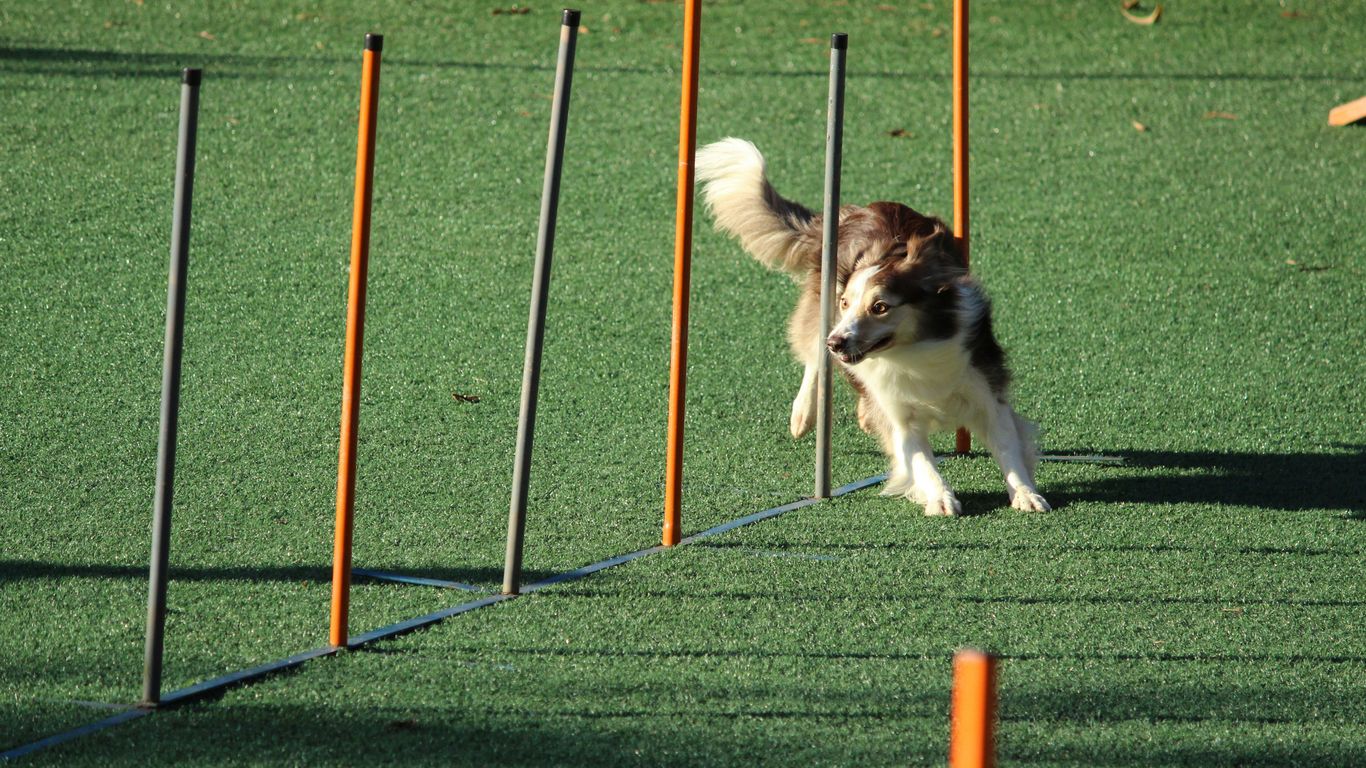
When it comes to having a puppy, few things matter more than knowing your dog will come back when you call. A strong recall isn’t just about your pup listening to you; it’s about keeping them out of trouble. A dependable recall can prevent accidents, help you avoid risky situations, and give your puppy more opportunities to explore safely. Many owners start to appreciate recall’s value the first time their puppy slips out the door or finds an open gate. Allowing your puppy more freedom, like off-leash walks in secure areas, becomes much less stressful when you can trust them to return, even if there are distractions around.
- Lets you safely allow more off-leash exploration
- Reduces risk in emergency scenarios (chasing after cars, etc.)
- Encourages better bonding and communication between you and your pup
- Makes visiting new places less stressful for both of you
If you ever find yourself worried about your puppy getting away, recall training is one habit you’ll appreciate every single day.
Common Challenges in Teaching Recall
Teaching recall to a puppy isn’t always straightforward. The world is loaded with smells, sounds, and interesting things to chase. Puppies are still learning self-control and often follow their noses before they hear your voice. Sometimes, they just don’t see the point in returning—especially if it means leaving something fun behind or ending playtime. Consistency is tough, too; recalling a distracted puppy, or doing it the same way every time can feel tricky in the middle of real life.
Here’s where most people get stuck:
- Competing with distractions: Squirrels, other dogs, and moving cars can seem more interesting than you.
- Overusing the recall word: Calling them over and over without a response teaches them it’s optional.
- Accidentally making recall unpleasant: For example, only calling the puppy when it’s time to go home or end play.
A good recall habit forms when your puppy thinks coming to you is always the best choice, no matter what else is happening.
Key Differences Between Puppies and Adult Dogs
Working with a puppy is a different experience than teaching an older dog. Puppies are still blank slates—they haven’t learned any bad habits yet, but they also don’t have long attention spans. Training sessions need to be short and full of rewards. Adult dogs might be more stubborn or set in their ways, needing different cues or longer practice. Puppies, on the other hand, respond well to frequent, upbeat sessions and are more motivated by play or food rewards.
A quick comparison helps clarify this:
| Training Aspect | Puppies | Adult Dogs |
|---|---|---|
| Attention Span | Short, needs frequent breaks | Longer, but may be distracted by habits |
| Motivation | Responds best to fun and treats | May need higher-value rewards |
| Learning Speed | Picks up new skills quickly | May need to "unlearn" past habits |
| Adaptability | Adjusts easily to new cues | Might resist change |
Check out these puppy training basics for simple routines that also help set the stage for reliable recall: start early, keep things positive, and stay patient. A solid recall now will give your puppy more freedom and help keep them safe for years to come.
Building a Strong Foundation for Recall Training Puppy
Before your puppy can come running when called out in the real world, you’ve got to lay down a solid base. There’s no magic wand here, just practical choices and patient effort. Let’s get into the nuts and bolts of getting your puppy to reliably respond to recall.
Choosing a Unique, Positive Recall Cue
Pick a recall cue that’s only used for calling your puppy back. It might be a word (“here!”) or a silly sound, but don’t use their name alone. You want your pup to know this sound means something good every single time—never criticism or the end of all fun. Use the cue only when you know your dog is about to succeed. At the very start, say it when your dog is already moving toward you, not while they’re distracted halfway across the yard.
- Choose a cue other people in the household won’t accidentally use in regular conversation.
- Make sure the cue sounds cheerful and inviting.
- Never pair it with negative experiences, like a bath or nail trim.
It’s easy to burn out your chosen cue with overuse or using it in frustration, so treat it like a special signal that means good things.
Motivating with High-Value Treats and Toys
Getting a puppy to leave the fun of sniffing a bush or greeting a new friend takes some impressive motivation. So, don’t skimp when rewarding recall—use the most irresistible, high-value stuff you can.
- Fresh bits of cooked chicken or cheese
- Squeaky favorite toys
- A quick game of tug or chase
Mix it up so your puppy can’t guess what’s coming. Sometimes it’s food, sometimes it’s a game—whatever makes their tail wag hard.
Sample High-Value Rewards Table
| Reward Type | Examples | When to Use |
|---|---|---|
| Food Treats | Chicken, cheese, liver | Early training, tough distractions |
| Toys | Tug toy, squeaky ball | For toy-driven pups |
| Play | Fetch, chase, tug | As occasional jackpot reward |
Starting in Low-Distraction Environments
It might sound boring, but the kitchen or hallway is a great place to practice at first. You want your puppy set up for success, not distracted by squirrels or other dogs. Once your puppy is running to you whenever you call, then you notch up the difficulty a little at a time.
Here’s a quick structure to kick things off:
- Practice in the house when it’s quiet.
- Add in minor noises—maybe the TV is on.
- Move to the backyard, but only when your puppy is really nailing indoor recalls.
Keep each session short. If your puppy ignores you, you’ve gone too fast or made it too hard.
Progress is all about building trust. Moving forward too quickly just leads to frustration for you and confusion for your puppy.
Making Recall Training Fun and Effective
Helping your puppy love coming when called isn’t just possible—it should be enjoyable for both you and your dog! The key to reliable recall is making the process into a series of games and positive moments that your puppy wants to repeat. Here’s how you can keep training upbeat and boost your pup’s eagerness to come running every time.
Incorporating Recall Games Into Training
Recall doesn’t need to be a boring drill. Layering in playful exercises keeps things fresh and teaches your puppy that responding is worth their time. Try these:
- Hide and Seek: Duck out of sight and call your puppy. They’ll have to find you, and the discovery feels rewarding.
- Catch Me: While walking, jog a few steps away, then call your dog to come chase you. Reward with a treat or toy when they catch up.
- Hot Potato: If you have family or friends around, take turns calling your puppy between you. Everyone rewards the pup for coming, making it a game with lots of chances for success.
By making recall a game, you’ll find that your puppy learns faster and is more excited to respond.
Using Enthusiastic Praise and Rewards
Your attitude has power in recall training. When your puppy comes, react like they just did the best thing ever. Use an upbeat voice, offer a treat, or initiate a quick play session—whatever your puppy finds most exciting:
- Give a favorite treat or new chew.
- Offer their preferred squeaky toy.
- Race around together for a quick burst of zoomies.
Being predictable with praise but unpredictable with rewards keeps your puppy guessing in a good way, encouraging them to come quickly every time.
Varying Body Position and Distance
Mixing up how and where you call your puppy helps generalize the skill beyond simple situations. Practice these changes:
- Sometimes crouch down with open arms, other times stand tall or even turn and jog away as you call.
- Call your puppy from different rooms, across the yard, or around basic obstacles like furniture, always making sure it’s safe.
- Slowly work up to calling at longer distances, so your pup learns recall works no matter how far away you are.
Here’s a quick table with sample recall scenarios to try:
| Scenario | Variation Example |
|---|---|
| Body Position | Crouched, standing, turned away |
| Distance | 5 ft, 20 ft, 50 ft |
| Location | Indoors, backyard, at a park |
You don’t have to make every training session complex, but a little variety goes a long way in building a puppy who comes back, even when life gets distracting.
Progressing Recall Skills With Real-World Distractions
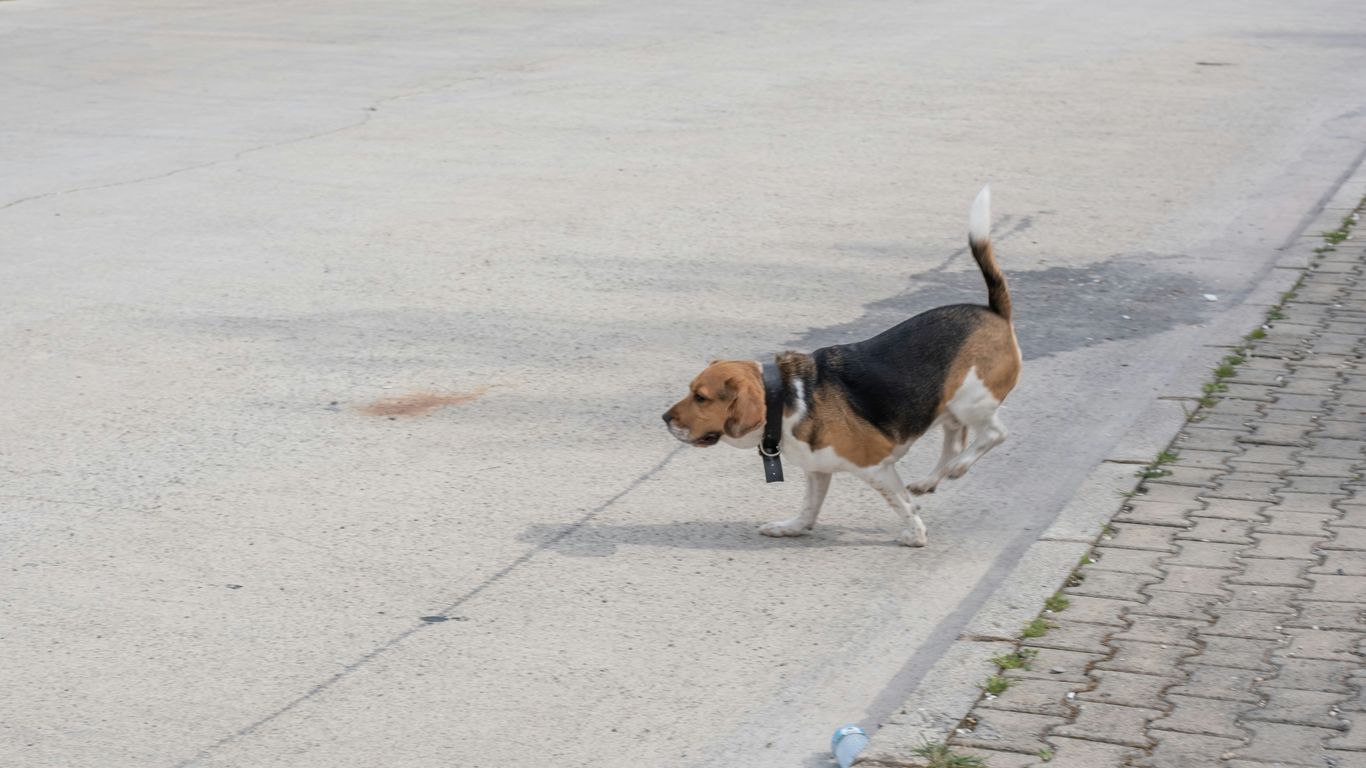
Getting your puppy to "come" in the backyard is a good start, but real dependability shows when you add distractions that actually matter in daily life. This stage makes the difference between a dog that listens in the living room and one that responds at the dog park.
Gradually Increasing Distraction Levels
It pays to move methodically, stacking new challenges one at a time. Make a list of distractions your puppy is likely to encounter, and rate them. For example:
| Distraction | Difficulty Level (1-10) |
|---|---|
| Another person walking by | 2 |
| Squirrel running nearby | 6 |
| Off-leash dogs playing | 8 |
Start with what’s easiest for your puppy to ignore:
- Practice in a quiet outdoor area before tackling busier locations
- If your puppy fails, lower the difficulty for the next attempt
- Reward any effort, even partial ones, if distractions are tough
Consistency matters more than intensity: practice in short, regular sessions and don’t leap to the hardest challenge right away.
Utilizing Safe Long-Line and Off-Leash Practice
A long training lead is your best friend during this phase. Attach a lightweight, 20- to 30-foot line to your puppy’s harness and practice recall in bigger areas. This lets them roam and get distracted, but you stay in control.
- Use outdoor spaces with manageable distractions
- Keep the line slack, but be ready to step in if safety is an issue
- Avoid yanking or reeling your puppy—encourage them to "come" with happy body language and high-value treats
For tips on effective outdoor setups, consider training methods like those described in practicing emergency recall.
Balancing Success and Challenge in New Environments
Don’t just crank up the challenges without wins in between. The goal is to help your puppy succeed, so balance fun with gentle pushing.
- Change one variable at a time—new park, not new park plus frisbees, plus kids, plus dogs all at once.
- If your pup ignores you or fails a recall, don’t turn it into a showdown. Go back to a place or distraction level where you know they can succeed and rebuild from there.
- Stay upbeat, and use your very best rewards in these hard moments. If kibble loses its charm, bring the roasted chicken!
The most progress happens when you let your dog win most of the time, but every so often, you surprise them with something just challenging enough to keep them sharpening their recall skills.
Building recall in real-world situations does take patience. Relapses and missed recalls are normal. Stick to a schedule, keep it upbeat, and remember: you’re laying the groundwork for a dog you can trust just about anywhere.
Avoiding Common Recall Training Mistakes
Training a puppy to reliably come when called is rewarding, but it’s easy to slip up along the way. Here’s what to watch for and how to get back on track if things start to fall apart.
Recognizing and Preventing Cue Poisoning
If your recall word loses its value, your puppy might start tuning you out. Cue poisoning happens when your recall word (like "come") takes on a meaning your puppy isn’t excited about—maybe you’ve overused it, or used it right before ending playtime or giving a bath. The result: your dog starts ignoring you.
To avoid this:
- Use your chosen recall word only when you’re 95% sure your puppy will succeed.
- Don’t say it repeatedly if your puppy doesn’t respond—one cue per try.
- End every recall with a fun reward, not something your puppy finds unpleasant.
If you suspect your cue is already "poisoned," it might be best to switch to a new word, like "here" instead of "come", and start over in easy settings.
When your puppy loses interest in coming to you, don’t get discouraged. Switch it up, return to basics, and rebuild the excitement around your new cue.
Never Repeating or Overusing the Recall Command
Repeating commands teaches your puppy to ignore the first request. If you’re finding yourself saying, “Come, come, come!” every time, it’s time to change the routine.
Simple steps to keep your recall strong:
- Give your recall word just once—wait a few seconds for your puppy to respond.
- If there’s no response, make the task easier. Get closer, use a leash, lower distractions.
- Always reward even partial successes—maybe your puppy looked at you, or took one step your way. Build up from there.
| Mistake | What Happens | Simple Fix |
|---|---|---|
| Repeating cue | Puppy ignores recall | Say cue once then reset |
| Overusing recall | Cue loses its "special" feel | Use recall only in training or emergencies |
Why Not to Punish a Puppy for Slow Responses
Punishing a puppy for coming slowly, or for coming after a delay, will only make your puppy less willing to come next time. The result: recall turns from a positive to something your dog wants to avoid.
Instead, focus on making every recall rewarding, no matter how long it takes:
- Use high-value treats or toys (something irresistible).
- Greet your puppy with a cheerful voice and open arms.
- Ignore how long it took and focus on the fact they made it to you.
Remember: each time your puppy comes to you, even if it wasn’t perfect, is a win. Treat it like one, and perfection will come with time and practice.
Strengthening Recall With Family and Social Play
Getting your puppy to come every time you call isn’t just about treats—it’s also about making practice playful and interactive, especially with family and friends involved. Recall games with more people help your puppy generalize the skill, turning it into a natural response instead of just a trick. Here’s how you can take advantage of group play to make recall a real part of your puppy’s life.
Round Robin and Ping Pong Recalls With Multiple People
When you have a couple of family members or visitors willing to help, set up a simple recall circle. Everyone grabs a handful of tasty treats or toys. Stand at a good distance apart. Now, take turns calling your puppy by their recall word and reward them with loads of praise and a treat as soon as they arrive.
- Each turn should be enthusiastic—clap, crouch down, or pat your legs.
- Make sure only the person who called the puppy delivers the reward.
- Keep the rewards and the excitement unpredictable so your puppy stays curious and motivated.
Here’s a quick breakdown of a typical Round Robin setup:
| Participants | Reward Type | Tip for Success |
|---|---|---|
| 2 | Treats or Toys | Stay spread out |
| 3-4 | Mix of Treats/Toys | Use high-value treats |
| 5+ | All of the above | Vary voices and cues |
These recall games—like ping pong recall—turn routine practice into something your puppy really looks forward to.
Practicing With Group Distractions
Puppies learn best when distractions are introduced in a controlled, playful way. Start simple: family members can move around, talk, or even roll a toy at a distance while you call your puppy. Increase the challenge as your puppy gets better:
- Begin with small distractions, like standing in your puppy’s path.
- Move to waving toys or tossing treats, but only let your puppy have them if they come to you first.
- Try big distractions, like another dog in the yard, or someone running by.
If your puppy ignores you and checks out the distraction instead, that’s all right. Just calmly put them back on a leash, lower the challenge, and reward them for responding next time. Better to set up success than to let them practice ignoring you.
Creating Predictable and Unpredictable Reward Scenarios
Part of building a reliable recall is keeping your puppy guessing about what treat or fun comes next. This is where you can have fun as a family:
- Mix up rewards: sometimes a treat, sometimes a favorite toy, sometimes a super quick game of tug.
- Don’t always use the same order or person for calling the puppy. Switch things up so your dog never knows where the best reward will come from.
- Occasionally, call your puppy just for extra pets or verbal praise—let them know it isn’t always about food.
The more your puppy experiences recall as a joyful, family-wide game, the more it becomes second nature, even with big distractions or new environments.
Playing together and introducing new challenges in a fun way gives your puppy the confidence to respond, no matter where you are or who’s around.
Troubleshooting Recall Setbacks and Plateau
When training recall, pretty much everyone hits a snag at some point. Maybe your puppy stalls out or just backslides as soon as you step outside or try a new spot. Here’s how to handle common training plateaus and get your recall back on track.
Identifying When to Step Back in Training
If your puppy suddenly ignores the recall, doesn’t respond as quickly, or gets distracted more easily, it’s worth looking at your training setup. Here are some signs you need to go back a few steps:
- Puppy only comes when there are no distractions
- He hesitates, sniffs, or detours before returning
- Needs repeated cues or you need to call in a certain tone
Often, pushing too fast with distractions or distance is what causes reliability to break down. If that’s happening, move back to where your puppy was last successful. Reduce the distractions, go closer to your dog, or make your rewards better.
Sometimes the best training move is just to pause, reset, and make it easy again. Consistent results come from balancing challenge with lots of wins for your puppy.
Restarting With a Fresh Recall Cue if Necessary
There are times when your recall cue gets so overused or ignored, it’s better to start fresh. Here’s when switching cues makes sense:
- Your dog doesn’t react at all to your recall word
- You catch yourself overusing the cue in everyday chatter
- Yelling or frustration is now linked to that recall word
Steps to restart:
- Pick a brand-new word or sound—something unique your puppy doesn’t hear often.
- Practice as if your puppy has never heard it before: start indoors with high-value treats, short distances, and no distractions.
- Build up gradually, just like when you first began recall work.
Tips for Regaining Focus and Enthusiasm
If your recall is stalling, add variety and excitement to keep your puppy in the game:
- Mix up your rewards. Rotate between favorite treats, a game of tug, and real-life rewards (like being released to explore).
- Use a happy, enthusiastic voice and whole-body movement to encourage your puppy to chase you.
- Set up mini competitions—who can run faster to you, you or the puppy?
- Shorten your training sessions. Sometimes less is more.
Here’s a quick table with common recall issues and practical fixes:
| Issue | Try This |
|---|---|
| Ignoring you in the yard | Use a long line, increase rewards, practice inside first |
| Coming slow or getting distracted | Make rewards better, cut distractions, call once only |
| Only works with treats | Slowly reduce treat use, add praise, make coming to you unpredictable and exciting |
Anytime your progress stalls, remember: patience and consistency bring results. Most puppies need hundreds, even thousands, of repetitions before real-world recall works every time. Stick to your training plan, and don’t sweat a few setbacks—they honestly happen to everyone.
Having trouble getting your dog to listen or feeling stuck in your training? You’re not alone! Many dog owners hit bumps along the way. The good news is, you can help your dog improve with just a few easy changes. If you want step-by-step help and proven solutions, check out the training tips on our website!
Conclusion
Getting your puppy to come when called isn’t something that happens overnight. It takes patience, lots of practice, and a good sense of humor. Some days, your dog will act like a recall superstar, and other days, you’ll wonder if they’ve ever heard the word "come" before. That’s normal. The key is to keep things positive and fun—use treats, toys, and plenty of praise. Don’t get discouraged if progress is slow. Every session is a step forward, even if it doesn’t feel like it in the moment. Remember, you’re building trust and a strong bond with your dog, not just teaching a command. Stick with it, celebrate the little wins, and soon enough, you’ll have a dog who comes running back to you, tail wagging, every time you call.
Frequently Asked Questions
How do I pick a good recall word for my puppy?
Choose a word that you haven’t used before, like “here” or “come,” and make sure it’s always linked to something positive. Avoid using your puppy’s name alone, and don’t use the recall word if your puppy sometimes ignores it, as this can make it less special.
When should I add distractions during recall training?
Start recall training in a quiet place, like your living room. Once your puppy comes to you every time, slowly add distractions, like practicing outside or with other people around. Only add harder challenges when your puppy is doing well with easier ones.
What should I do if my puppy ignores my recall command?
If your puppy doesn’t come when called, don’t repeat the command over and over. Instead, go back to easier training situations and make coming to you more rewarding with better treats or toys. If your puppy keeps ignoring the cue, you might need to pick a new word and start fresh.
How can I make recall training fun for my puppy?
Turn recall into a game! Try running away from your puppy so they chase you, play hide and seek, or use toys and treats as surprises. Always use lots of happy praise and reward your puppy when they come to you.
Is it bad to put the leash on my puppy every time they come when called?
If you always call your puppy just to end playtime or put the leash on, they might stop wanting to come to you. Sometimes, call your puppy, give them a treat or a quick play, and then let them go back to what they were doing. This way, coming to you doesn’t always mean the fun is over.
Should I ever punish my puppy for coming slowly?
Never punish your puppy for coming to you, even if it takes a while. Always reward your puppy for coming, no matter how long it took. Punishing your puppy can make them afraid to come next time.