
Bringing home a new puppy is exciting, but those first few nights can be rough. If you’re wondering how to get your puppy to sleep through the night, you’re not alone. Most new puppy parents end up exhausted, shuffling outside for late-night potty breaks or listening to a whimpering pup in the dark. The good news is, with a bit of patience and some simple changes to your routine and setup, you can help your puppy (and yourself) get more rest. Let’s talk about how to make puppy training at night a little smoother for everyone.
Key Takeaways
- Puppies need time to adjust to sleeping alone and in a new place, so expect some sleepless nights at first.
- Setting up a cozy, quiet sleeping area and sticking to a calm bedtime routine can make a big difference.
- Crate training is helpful for puppy training at night, but it should be introduced slowly and positively.
- Plan meals and water intake to avoid middle-of-the-night potty trips, but always make sure your puppy has enough water overall.
- If your puppy wakes up or cries at night, keep things calm and boring—no playtime or excitement, just a quick potty break and back to bed.
Understanding Why Puppies Struggle With Sleeping at Night
Puppies aren’t born knowing how to sleep alone quietly all night. That first week or two in your home can be rough – for both you and your new pup. Getting to the bottom of your puppy’s nighttime issues makes it so much easier to help them settle in. Every puppy’s experience is a little different, but here are the main reasons why sleeping through the night is so tough for them at first:
Adjustment Period After Leaving Mom and Littermates
- Puppies are used to sleeping in a pile with their mom and siblings. Suddenly, that comfort is gone.
- Your home smells different, sounds different, and your puppy’s routine is turned upside down.
- For some pups, the excitement of a new place keeps them wide-eyed. Others might get overwhelmed or a bit nervous, making sleep even harder.
Imagine you’ve always fallen asleep with friends next to you, then one day, you’re alone on a new bed in a new house. That’s pretty much what your puppy feels.
Separation Anxiety and New Environment Stress
- Many puppies feel anxious their first nights—understandably! They might whine, pace, or paw at the crate or door, especially in the dark.
- Noises in your home—like the hum of the fridge, or cars outside—can set them off because it’s all unfamiliar.
- This anxiety is normal and, with time and gentle reassurance, it usually fades as your pup adjusts.
Biological Needs: Nighttime Potty Breaks
- Young puppies simply can’t hold their bladder all night. Small bodies mean small bladders.
- Most puppies will need at least one potty break after midnight until they’re a few months old.
- Here’s a simple guide:
| Puppy Age | Likely Max Hours Between Potty Breaks |
|---|---|
| 8 weeks | 2-3 hours |
| 12 weeks | 3-4 hours |
| 16 weeks | 4-6 hours |
- If they have to go, they’ll whine or become restless, refusing to settle until you help them out.
Getting your puppy to sleep through the night isn’t just a matter of willpower. They really do need your patience during this stage. It’s about helping them feel safe, comfy, and making sure their basic needs are met, one night at a time.
Creating a Calming Nighttime Setting for Your Puppy
Setting up your puppy’s nighttime space is honestly one of those things you might agonize over—like, do you use a crate, pen, bed, or maybe the floor? Truth is, a calm nighttime environment makes it easier for a puppy to doze off (and stay asleep, so you get some shut-eye too). Let’s dig into the details of making things cozy, quiet, and just right.
Choosing the Best Sleeping Space for Comfort
- Crate, playpen, or small corner—pick something safe where the puppy can’t get into any trouble in the middle of the night.
- Make the area comfortable:
- Lay down soft bedding or a blanket, unless you know your pup’s a chewer.
- Consider a plush toy, especially something heartbeat-simulating to mimic comfort from siblings.
- Don’t stress about perfect placement; Just make sure you can hear if your puppy fusses and that the spot is draft-free.
During the first nights, keep things relaxed. If your puppy is whiny, it’s often just the strangeness of a new environment—not something you’re doing wrong.
Using Crate Covers and White Noise
White noise isn’t just for babies—sometimes a simple fan or white noise machine makes a huge difference. It helps block those sudden street noises or even your neighbors starting their car at 2 AM. If you use music, pick something calm—classical or soft reggae has a surprising effect on pups. A cover over part of the crate can help create that dark, cozy den feeling, but leave enough airflow so it’s not too warm.
- Tips for better sleep environment:
- Try soft background music for dogs.
- Use a fan or dedicated white noise device.
- Cover the crate with a light sheet (avoid heavy blankets unless chilly).
- Keep the crate in a quiet, dim area—nightlights are fine if your pup needs reassurance.
Sometimes, pheromone diffusers (like Adaptil) in the room—not in the crate—can help lower tension, especially that first week home.
Bounding Light and Minimizing Distractions
Puppies notice every blink and beep. You don’t have to go full blackout, but:
- Block bright hallway lights with curtains or a towel over the crate side facing them.
- Silence your phone and mute any late-night TV.
- Keep their space free from toys that make noise or from sudden movement.
Here’s a quick table on bedtime environment tweaks and their effects:
| Change | Effect |
|---|---|
| Use of crate cover | Blocks visual stimuli; adds security |
| White noise or soft music | Masks disturbing sounds |
| Low lighting | Promotes sleepiness |
Honestly, just keep things simple—less is more. If you want a step-by-step bedtime example, start with a calm play session or short walk, then move to gentle petting as lights dim with some mellow music in the background (see these nighttime activity ideas). Your puppy will start getting the hint it’s time to snooze.
Establishing an Effective Evening Routine
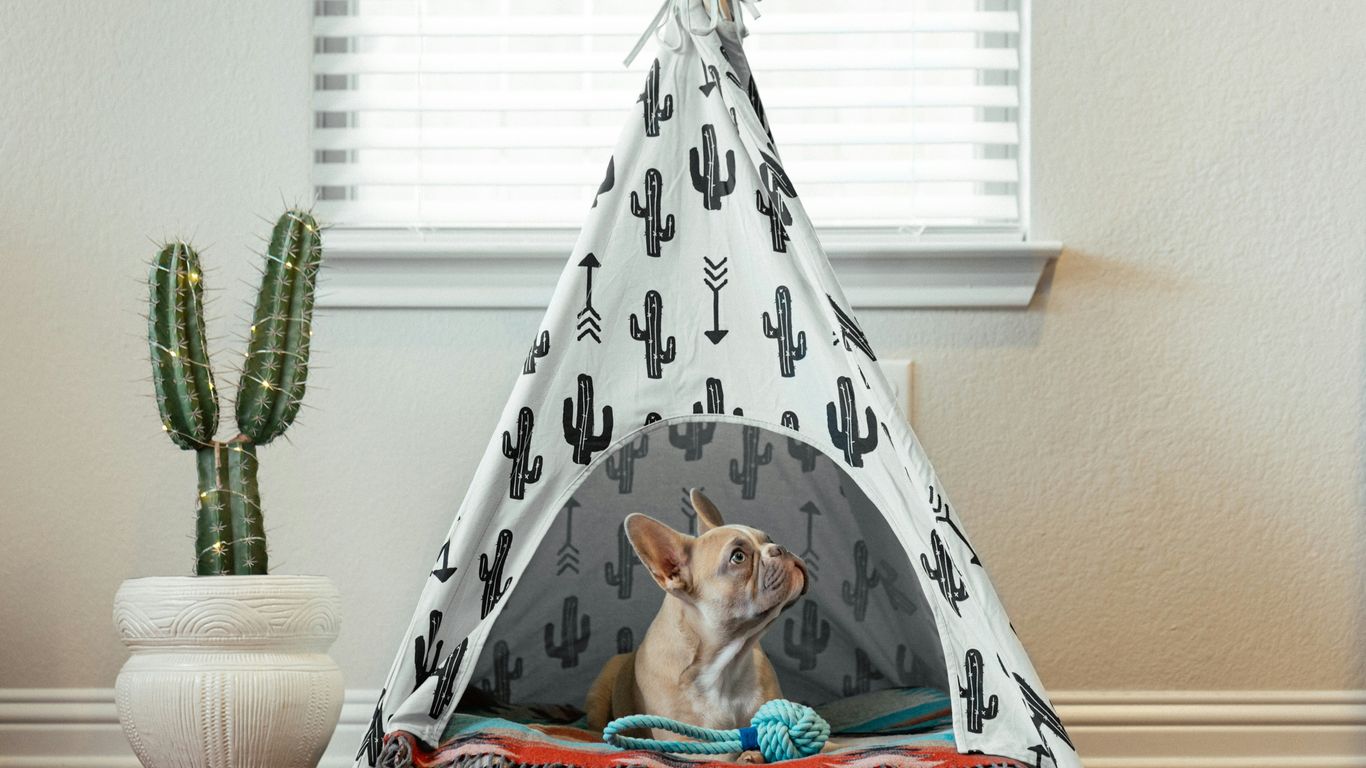
Setting up a solid nighttime routine is the backbone for helping your puppy learn to sleep well. How you handle the hours before bed shapes their mindset and comfort when it’s finally time to settle in. Let’s break down the pieces that matter most.
Timing Meals and Water Intake
Getting mealtimes right can really change how well your puppy sleeps. Feed their dinner about three hours before lights-out if you can. This gives them a good window to digest, which means less chance they’ll need to go #2 overnight. If you feed too late, you risk a midnight potty dash. Feed too early, and they might be hungry—and a hungry pup is a restless one.
- Serve dinner 3 hours pre-bedtime
- Offer last water about 1–2 hours before bed (unless your pup needs it for medical reasons)
- Use puzzle feeders or snuffle mats for evening snacks to work their brain and help them wind down
| Routine Step | Ideal Timing Before Bed |
|---|---|
| Dinner | ~3 hours |
| Water access last call | 1–2 hours |
| Final snack (optional) | 1 hour |
Providing Engaging but Calming Activities
An overtired puppy can have trouble settling, but a puppy with energy to burn also won’t give you a peaceful night. In the evening, shift from high-energy games to gentle brain-teasers and mellow fun.
- Early evening: Try a short session of supervised fetch or gentle tug.
- Closer to bed: Bring out a licki mat, frozen Kong, or other chew toy—licking and chewing help puppies soothe themselves.
- Sneak in a short 5-minute training session during a TV commercial; simple cues tire them out mentally without causing a hype-up.
Enrichment toys go a long way in helping your pup settle down for the night. Keep it calm and avoid rough play too late.
There’s a definite sweet spot: enough evening activity so your pup is ready to relax, but not so much that they’re wired or overstimulated when it’s bedtime.
Last-Chance Potty Break Before Bed
The final potty trip is maybe the biggest deal of all. Take them out as late as you realistically can—right before you go to sleep. This means you get the maximum stretch of sleep before nature calls for your puppy. Keep it quiet. In and out. No games, no play. The message should be clear: nighttime is not playtime.
- Take your puppy out just before you get into bed
- Keep the tone calm and businesslike; avoid exciting your pup
- Give a tiny treat right after if they go potty quickly
If you set these routines and stick with them, your pup will start catching the rhythm and sleep will come more easily for both of you.
Positive Crate Training for Successful Puppy Training at Night
Making the Crate Inviting and Safe
A crate shouldn’t feel like punishment—it needs to be a comfortable, safe zone that your puppy actually wants to spend time in. Introduce the crate slowly: toss in treats or favorite toys, and let your pup sniff and walk in on their own. If you want to speed things up, try feeding meals inside the crate. Soft bedding can make a big difference if your puppy doesn’t tear things up. Some folks swear by white noise machines or soothing smells like special calming sprays, but plain old quiet and a favorite toy do the trick for most pups. If a snuggle-toy with a heartbeat helps, go for it.
- Use a crate that fits your puppy—big enough to stand up and turn around but not much more
- Add a familiar, safe-smelling blanket or shirt
- Place the crate in a calm, dim area
When creating a cozy spot, remember that your main goal is to help your puppy feel secure, not trapped.
Daytime Practice for Nighttime Comfort
Don’t just use the crate at bedtime and expect things to go perfectly. Practicing with the crate during the day teaches your puppy that it’s a normal, safe place, not just somewhere they go when you head to bed. Try crating for short periods during the day, like after a play session or mealtime. This builds positive ties and keeps nighttime from feeling like a big change. For more tips on gradual introductions, introduce the crate to your puppy gradually.
Here’s a simple day-to-night crate schedule:
| Time | Activity |
|---|---|
| Breakfast | Eat inside the crate |
| Midday Nap | 20 minutes in crate |
| Afternoon | Quiet time with toy |
| Bedtime | Settle into crate |
Introducing Soothing Toys and Chews
Having something safe to lick or chew can calm puppies and give them something to do as they settle:
- Licking mats with a smear of peanut butter or soft cheese can help your puppy relax (just a dab—no overfilling!)
- Chew toys like a puppy-safe Nylabone or rubber Kong distract gnawers and tire them out
- Plush pals or toys that mimic a heartbeat may help very young pups feel less alone
Giving your puppy these soothing options right as they go into their crate can seriously lower stress and whining at night.
Consistent, gentle crate training is one of the best investments you can make in your puppy’s sleep—and your own.
Helping Your Puppy Learn to Settle Alone
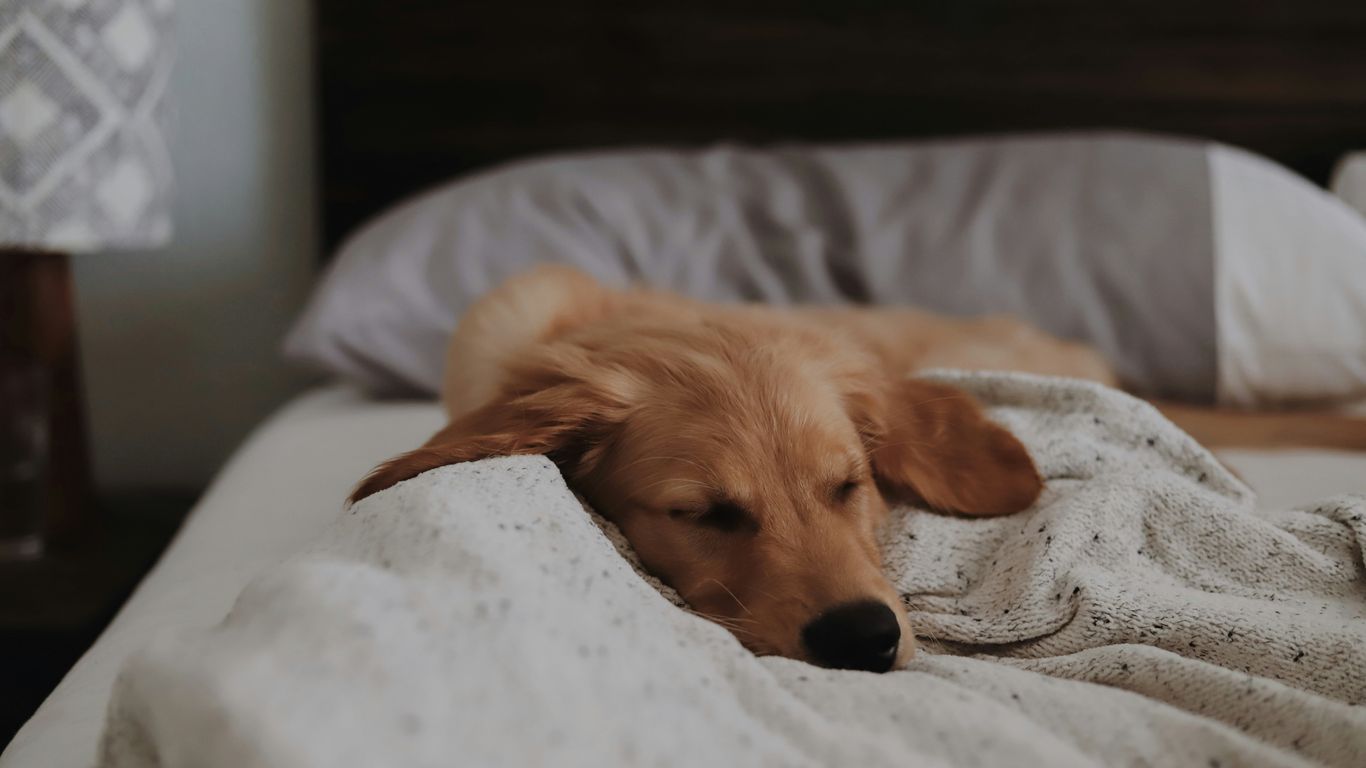
Many puppies have a hard time adjusting to being alone at night. If you want your new pup to sleep in their own bed or crate and eventually feel secure, there are some strategies that can make this transition smoother for both of you.
Gradual Bed or Crate Separation From You
Start with your puppy’s bed or crate close to where you sleep, so they can see and hear you. Once they seem relaxed and are resting quietly, start to move their bed farther away from your sleeping spot, just a little every night.
- Place the bed or crate next to your bed for the first few nights
- When your puppy is comfortable, move it a couple feet away
- Keep stretching the distance gradually until you reach your preferred spot
Patience is key—some puppies will take longer than others to get used to being farther away.
Coping With Restlessness and Whining
It’s normal for puppies to get restless or even cry during their first nights away from you. Respond calmly, keeping things low-key so your puppy doesn’t see nighttime as playtime.
Here are a few steps to try:
- Check if they need a potty break; quietly guide them outside and straight back to bed afterwards
- Offer a comforting voice or gentle touch, but avoid picking your puppy up or playing
- If whining continues, try sitting nearby until they calm down, then slowly reduce your presence over several nights
Remember: Your puppy isn’t trying to make things hard—they’re just getting used to new routines and surroundings.
Avoiding Negative Associations With Bedtime
Puppies remember how they feel at bedtime. You want to create a positive connection, not anxiety or fear. Here’s what to avoid:
- Never use the crate or bed as punishment
- Don’t leave your puppy to cry for long periods
- Keep pre-bedtime routines calm, never stressful
And here are three ways to build a good bedtime routine:
- Offer a special chew or comfort toy only at bedtime
- Use soft voices and gentle pets to soothe your puppy
- Stick to a predictable, peaceful routine each night
If sleep still feels like a struggle after a week or two, double-check their comfort, the room setup, and consider seeking advice from your vet or a trainer. Every puppy is different and the right pace makes all the difference in how they settle down at night.
Managing Nighttime Potty Breaks During Puppy Training at Night
When you bring home a puppy, sleep can quickly become a distant memory. Nighttime potty breaks aren’t fun, but they’re a fact of life for those first few months. Your puppy’s tiny bladder can’t make it till morning just yet! But there are some ways to make these late-night trips a little less disruptive—and help your pup learn to sleep longer, sooner.
Keeping Potty Trips Calm and Brief
- Stick to business: When you take your puppy out at night, keep the lights off or low, your voice soft, and don’t start any games.
- Use the same potty spot every time, so your puppy knows it isn’t playtime.
- Once they’re done, head straight back to bed. Lingering or chatting can wake them up fully, and then nobody’s getting back to sleep easily.
Nighttime potty breaks should be routine, uneventful, and pretty boring for your puppy—and for you too, honestly. The less exciting it is, the faster you’ll both get back to sleep.
Adjusting Your Puppy’s Potty Schedule
- Try offering the last meal of the day a few hours before bedtime to lower the chance of waking up for a poop.
- Remove access to food after dinner, but never restrict water unless your vet specifically tells you to—for most puppies, water should always be available, even at night.
- Let your puppy have a potty trip right before bed. Those five minutes right before you turn in can buy you a few more hours of sleep.
Sample Puppy Nighttime Potty Schedule
| Puppy Age | Max Hours They Can Hold It Overnight |
|---|---|
| 8–10 weeks | 2–3 hours |
| 10–12 weeks | 3–4 hours |
| 3–4 months | 4–5 hours |
| 4–5 months | ~6 hours |
Tracking Progress With a Potty Log
Keeping a record of when your puppy goes can show you if progress is being made or if something’s up.
- Note the time of each potty break, and whether it was pee, poop, or both.
- Use your log to tweak how late dinner is, or when to stop offering water.
- Look for trends: Are accidents always at the same time?
A quick record helps you see your puppy’s natural schedule, rather than just guessing or reacting to whines. (Plus, it helps you feel more in control on those sleep-deprived mornings!)
If you follow these steps, those long, broken nights don’t last forever. Most puppies start to make it through the night somewhere between 4 and 5 months, so hang in there—and keep that coffee pot ready in the meantime!
Addressing Common Issues and Troubleshooting Sleep Problems
Bringing a puppy home is full of surprises, especially at bedtime. Puppies throw curveballs—sometimes just when you think you’ve figured out their sleep, something changes. Let’s get into the real problems people have at night and what to do when those challenges show up.
Handling Frequent Night Wakings
It’s not unusual for puppies to wake you several times overnight, even if things were going fine a few nights before. Most of the time, nighttime wake-ups are linked to three things: potty needs, discomfort, or wanting company.
Here’s how you can respond:
- If your pup wakes and whines, take them out quickly, without talking or playing, then put them back in bed right after.
- Stay calm and make night wakings boring—keep the lights low and skip any snacks or play.
- If early wake-ups become routine, slowly try delaying your response by a few minutes each night to nudge your puppy toward sleeping longer.
Sometimes, even a small change in your evening schedule or how much exercise your puppy gets can throw off their sleep, so don’t panic if they suddenly wake more often—it might be temporary.
Recognizing Signs of Discomfort or Anxiety
Sometimes, night troubles mean something’s off for your puppy. Besides general restlessness or whining, keep an eye out for these signals:
- Reluctance to go back in the crate or bed midday or evening
- Nonstop pacing, barking, or scratching at their sleeping spot
- Licking, chewing, or sudden potty accidents
- Heavy panting when it isn’t hot
If these pop up, think about recent changes, like moving the crate, new noises in the house, or a change in routine. Sometimes adding a soft blanket, a familiar toy, or white noise can help ease anxiety.
Deciding When to Consult a Veterinarian
There’s a line between ordinary puppy sleep issues and things that might need a vet’s help. Use this table as a quick guide:
| Symptom | Self-Try at Home? | Vet Visit Needed? |
|---|---|---|
| Occasional accidents | Yes | No |
| Persistent diarrhea | No | Yes |
| Crying from pain | No | Yes |
| Restlessness only | Yes | No |
| Heavy panting at night | No | Yes |
| Refusal to eat/drink | No | Yes |
- If your puppy’s symptoms seem off—like if they’re crying in pain, refusing food, throwing up, or you see blood—call the vet right away.
- For mild sleep struggles, give it a few days of tweaking your routine first.
- Keep a small log of symptoms; it helps to spot patterns and is useful if you do visit your vet.
It’s always better to check in with a professional if your gut says something’s wrong—it gives peace of mind and keeps your puppy healthy.
If your dog is having trouble sleeping at night, you’re not alone. Many pet owners face similar challenges, but there are simple steps you can try at home, like making your dog’s sleeping space more comfy or keeping a regular routine. Want more tips and solutions for a better night’s sleep for your dog? Visit our website for helpful advice and easy-to-follow guides.
Wrapping Up: Getting Through Those Sleepless Puppy Nights
Training your puppy to sleep through the night isn’t always easy, and honestly, it can feel like you’ll never get a full night’s rest again. But hang in there. With a little patience, a solid routine, and some trial and error, your puppy will start to settle in. Remember, every pup is different—some catch on quickly, while others need a bit more time. Stick with the basics: keep bedtime calm, make their sleep spot cozy, and don’t forget those late-night potty breaks. Before you know it, you’ll both be snoozing soundly. The tough nights won’t last forever, and soon enough, you’ll look back and laugh at how much effort it took just to get a little shut-eye. Good luck, and sweet dreams to you and your pup!
Frequently Asked Questions
How long does it usually take for a puppy to sleep through the night?
Most puppies can sleep through the night by the time they are 4 months old. However, some may take a little longer, while others might get there sooner with consistent routines and training.
Should I let my puppy sleep in my bed?
It’s best for your puppy to start out sleeping in a crate. This helps with potty training and teaches them to be comfortable alone. Once your puppy is older, fully potty trained, and sleeping well, you can decide if you want to let them sleep in your bed.
What should I do if my puppy cries at night?
If your puppy cries at night, make sure they don’t need to go potty first. If not, try to comfort them without taking them out of the crate or bed. Keep things calm and quiet, and avoid turning nighttime into playtime. Over time, your puppy will learn to settle down.
How can I help my puppy feel safe at night?
Make your puppy’s sleeping area cozy with soft bedding, a favorite toy, and maybe even a crate cover to block out light. White noise machines can help too. Keeping their sleeping place close to you at first can also make them feel more secure.
How often should I take my puppy out for potty breaks at night?
Young puppies need to go out every 2-4 hours at night. As they get older, they can hold it longer. Try taking them out right before bed and keep nighttime potty trips calm and quick. As your puppy grows, you’ll notice they can go longer between breaks.
Is it okay to give my puppy water before bed?
Puppies should always have access to water, but if your puppy is waking up a lot to pee, talk to your vet. Sometimes, limiting water an hour or two before bed can help, but only do this with your vet’s advice to make sure your puppy stays healthy.
I guess I found this site a little too late! I bought my pup from someone a couple of hours journey away. First visit to look at the family and to decide if to buy and which one. I spent over an hour with the Mum and pups and made a decision. Lola was just over five weeks. I revisited some days later to spend some time with my chosen one again and then returned a few days later, when my little girl was two days away from her eighth birthday. My daughter drove so that I could keep Lola as calm as possible.
Leaving her parents (the Dad was around) and five siblings was tough and I made the mistake of taking her to my bed. She wasn’t too well after a while. The breeder had given me a plastic bag of adult food to “tide her over” until I bought the food she had been on. This we found later. In the meantime I had a 4 am trip to the vet as she was vomiting and obviously unwell.
I how have four problems. Getting her out of my bed. getting her used to being alone. Getting her over her phobia of the travel bag (first trip was to the vet) and how to stop her chewing me. Oh, and she almost always fallsasleep on me and when I move her she wakes up. I use diversion tactics for the latter but, if that doesn’t work move away.