
Training a puppy can feel overwhelming, especially when treats are involved. It’s easy to wonder if you’re helping your dog learn or just making them expect snacks for everything. But puppy training with treats can work really well if you use the right approach. The trick is to know when, how, and what kind of treats to use so your puppy learns good habits without becoming treat-obsessed. Let’s break down the basics and help you make training simple and rewarding for both you and your furry friend.
Key Takeaways
- Use treats as a reward for good behavior, not as a bribe before your puppy listens.
- Pick treats that are healthy, small, and special enough to keep your puppy interested without overfeeding.
- Give treats right after your puppy does what you ask, so they connect the action with the reward.
- Teach your puppy to take treats gently by using cue words like ‘gentle’ and practicing in calm settings.
- Slowly swap out treats for praise or play as your puppy gets better at listening, so they don’t rely on food forever.
Understanding Positive Reinforcement in Puppy Training with Treats
Positive reinforcement is one of the most effective ways to teach your puppy. When you use positive reinforcement, you add something your puppy likes—such as a tasty treat—right after they do something you want to see again. Over time, your puppy learns that good things happen when they follow your cues. It’s not about forcing or threatening your puppy. Instead, you’re building trust and motivation to learn.
How Treats Reinforce Good Behavior
- When your puppy sits on command and gets a treat, it helps them connect the act of sitting with a positive outcome.
- Puppies tend to repeat actions that lead to good results, especially if those good things happen immediately after the behavior.
- Consistency matters! Rewarding good behavior every time at first helps your puppy make the connection faster and more clearly.
Make sure you’re using treats to reinforce what you want, not to bribe your puppy into doing it; this keeps training clear and fair for both of you.
The Science Behind Treat Rewards
There’s actual science behind why treats work so well:
- Food triggers the reward centers in your puppy’s brain.
- Positive chemical responses build associations between action and treat.
- Immediate feedback makes the lesson stick.
Quick Comparison Table: Rewards and Effectiveness
| Reward Type | Motivation Level | Best Use |
|---|---|---|
| Low-value treat | Mild | Easy tasks, low distractions |
| High-value treat | High | Challenging tasks, new tricks |
| Verbal praise | Moderate | After basics are learned |
| Toys/play | High | For playful puppies |
Balancing Food Motivation and Training Goals
Finding the sweet spot is important:
- Start with frequent treat rewards to teach basic behaviors.
- Gradually mix in other rewards (like play or praise) as your puppy gets the hang of it.
- Watch your puppy’s energy levels—too many treats can make your pup excited or cause tummy troubles.
- Don’t forget: treats should be part of a balanced training plan. Use them to motivate and reward, but let your puppy figure things out, too.
- Remember—not all puppies have the same food drive, so adjust your approach based on what motivates your specific puppy the most.
The whole point of positive reinforcement is to make learning fun and rewarding for both you and your puppy. Focus on timing, use treats wisely, and watch for those little moments where your puppy shines. That’s when training really works.
Choosing the Best Treats for Effective Puppy Training with Treats
Treats aren’t just snacks—they’re the backbone of successful puppy training routines. Pick the wrong treat and your puppy might lose interest fast. But with the right treat, your training sessions become smoother and more rewarding for both of you.
Low vs. High-Value Treat Options
Different situations call for different treats. Some treats are like everyday snacks; others are reserved for big moments. Here’s a quick breakdown:
| Situation | Treat Type | Example |
|---|---|---|
| Quiet living room, no distractions | Low-value | Dry kibble, small biscuit |
| New tricks or outdoor distraction | High-value | Cheese, cooked chicken |
| Extreme distractions or recall training | Ultra high-value | Hot dog bit, fresh roast |
The trick is to figure out what your puppy goes wild for—many will do almost anything for cooked meats or scent-packed treats like Swiss cheese (dried meats as puppy treats). Dogs have a hierarchy, and it pays off to find it.
Keeping Treats Healthy and Safe
You want treats that are tasty but also good for your puppy. Avoid treats with lots of fillers, added sugars, or artificial colors. Instead:
- Choose single-ingredient or limited-ingredient options when possible.
- Break treats into tiny pieces so your puppy gets the taste without overeating.
- Make use of safe people food, like plain cooked chicken or carrot slices, but watch out for ingredients that are toxic to dogs (like onion, grapes, or chocolate).
- Rotate treats to prevent boredom and allergic reactions.
A good rule: if it’s safe and healthy, and your puppy is crazy about it, it’s fair game for training.
Determining Portion Sizes to Avoid Overfeeding
Small treats can add up quickly. It’s easy to overfeed during a good training session if you’re not careful.
Some practical ways to keep portions in check:
- Use treats that can be torn or cut into tiny bites—about the size of a pea.
- Deduct the amount of treats from your puppy’s regular meals if you’re using lots of snacks during training.
- Stick to training-specific treats, not extras that pile on the calories.
If you need help with balancing, try replacing part of their daily kibble with training treats for easy lessons. Save higher-calorie treats for when your puppy needs to give 110%.
Finding your puppy’s favorite treat isn’t just about flavor—it’s about timing, texture, and maybe even temperature. Try out different combos until you hit on that magic motivator.
Establishing Good Treat-Delivery Techniques
Getting the hang of how to give your puppy treats during training sessions is surprisingly important. Poor timing or awkward hand movements can lead to confusion, frustration, or, even worse, unintentional reinforcement of bad habits. Let’s look at the most effective ways to use treats as rewards—so you can support good behavior clearly without making things harder for yourself (or for your pup).
Timing the Reward for Maximum Effectiveness
Rewarding your puppy at the right moment is the single most important part of using treats for training. Puppies have fairly short attention spans. If you wait too long after a behavior, your pup may not connect the treat with the action you want to encourage. Aim to deliver the treat within one or two seconds of the desired behavior.
- Keep treats on hand or in a pouch for easy access.
- Practice your timing by watching your puppy closely and rewarding immediately after the correct response.
- When practicing new skills, consider breaking down tasks into smaller parts and rewarding each one quickly.
Good timing helps your puppy figure out exactly what you’re asking for—making training faster and less stressful for both of you.
Hand Positioning to Teach Gentleness
Teaching your puppy to take treats nicely is more than just polite; it keeps your hands safe, too. Position your treat hand so your fingers are out of the way, and present treats with an open palm or fingers curled in, rather than pinched between your fingertips. This discourages nipping and snatching.
- Use a flat palm for puppies new to treat-taking.
- If your pup gets grabby, offer treats from inside a closed fist and only open your hand when their touch is gentle.
- Be consistent with this technique every time you offer food, so your puppy learns the routine.
Rewarding in the Desired Position
Think about what you’re teaching your puppy—where do you want them when they take the treat? If you reward a sit by holding the treat above the head, your puppy might start jumping up. If they have to stand up or move to get the treat, you might accidentally encourage them to break position.
- For a “sit,” lower the treat straight to their mouth while they’re seated.
- For a “down,” deliver the treat on the ground, between their front paws.
- Only reward when your puppy remains in the position you asked for, reinforcing not just the action but their patience, too.
| Position Taught | Correct Treat Delivery Spot |
|---|---|
| Sit | At nose level, while pup stays seated |
| Down | On the floor, between paws |
| Heel/Stay | At your side, slightly forward |
If you keep these treat-delivery basics in mind, you’ll find your puppy learns commands much more quickly—and you won’t have to spend your whole training session fixing mistakes later on.
Avoiding Common Mistakes in Puppy Training with Treats
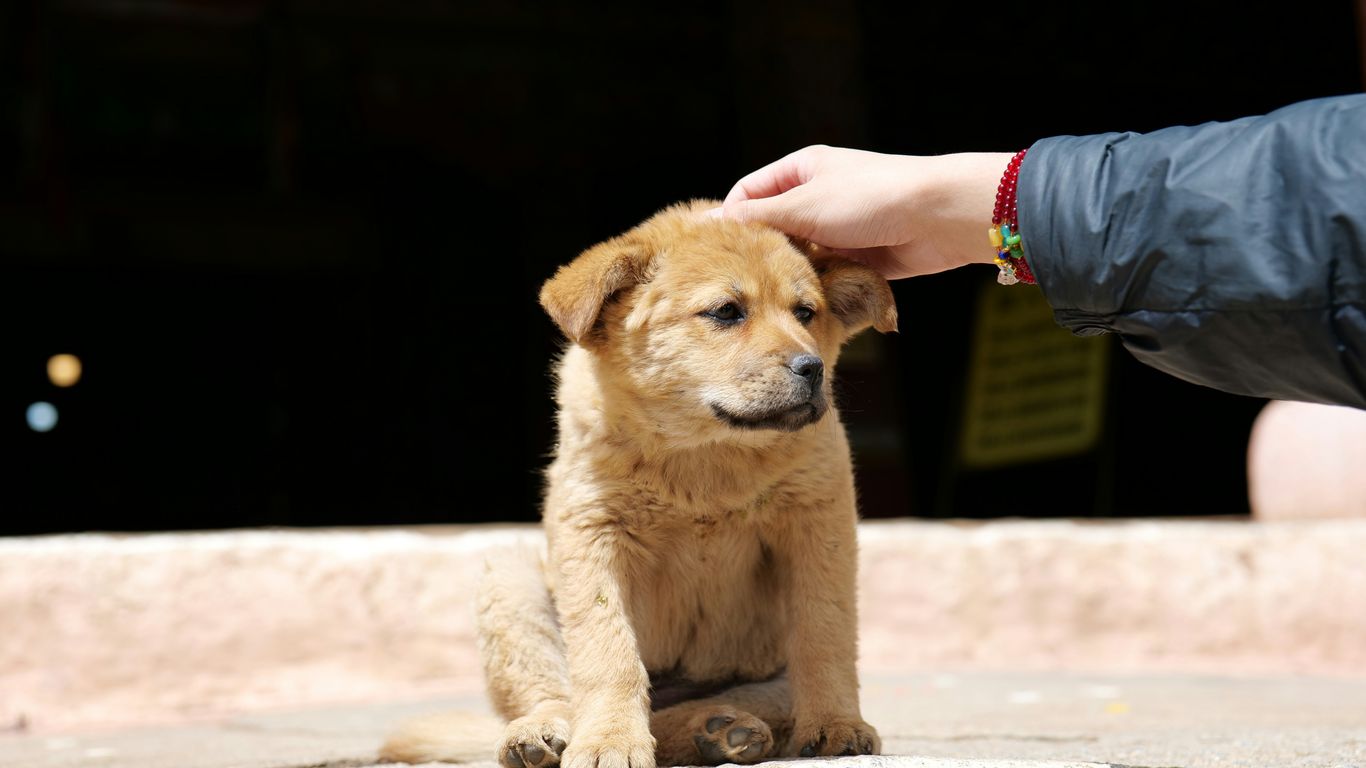
Are you frustrated when your puppy ignores commands unless you have a treat in hand? You’re not alone. Training with treats can be so helpful, but if you slip into using them the wrong way, things get confusing fast.
Not Bribing or Overusing Treats
It’s easy to fall into the trap of waving treats around just to get your pup to listen. Showing the treat before your puppy follows the command teaches them to only work when they spot a reward in advance. To avoid this, keep treats tucked away until your dog actually completes the command. This teaches your puppy to respond to cues, not just the lure of food. Overusing treats as a bribe can lead to a stubborn dog who tunes you out until they see a reason to pay attention.
- Hide treats until after your puppy obeys
- Avoid letting them see treats in your hand during a command
- Save treats as a surprise for correct behavior
Be patient and stick to rewarding after the action, not before, even if your puppy seems uninterested at first.
Inconsistency in Reinforcement
If your responses are all over the place, your puppy can’t learn what you actually want. For example, sometimes giving a treat for sitting, sometimes not, sends mixed signals. Or maybe you reward your puppy one way, and your partner does something totally different. This makes training slow and frustrating for everyone.
Some ways to stay consistent:
- Set clear rules with your household about treat use
- Use the same words, tone, and timing
- Track commands and rewards in a log for a week
A quick reference table for consistency:
| Command | Who does training | Treat reward? | Cue word used |
|---|---|---|---|
| Sit | Jamie | Yes | "Sit" |
| Down | Patty | Yes | "Down" |
| Leave it | Jamie/Patty | Yes | "Leave it" |
Rewarding Unwanted Behaviors
It can happen by accident: your puppy jumps up, barks, or bites, and you give a treat to calm them down. That actually encourages the bad behavior. Instead, wait for a moment of calm, then reward that instead. If your puppy is biting, for example, giving any reward or attention can make things worse—sometimes, ignoring or calmly redirecting is much more effective, as experts have noticed (saying ouch can worsen biting).
Key steps to avoid rewarding the wrong things:
- Only reward calm, desired actions—never during jumping, barking, or biting
- Remove attention or treats when your puppy does something you don’t want
- Reinforce good behavior immediately whenever you see it
Keeping treats as a true reward, and not as a fix for excitement or trouble, helps your puppy figure out what you really expect in the long run.
Just remember: if you keep these mistakes in mind, your treat training will be much more effective and your puppy will actually want to listen, not just when you have goodies in your pocket.
Teaching Your Puppy to Take Treats Gently
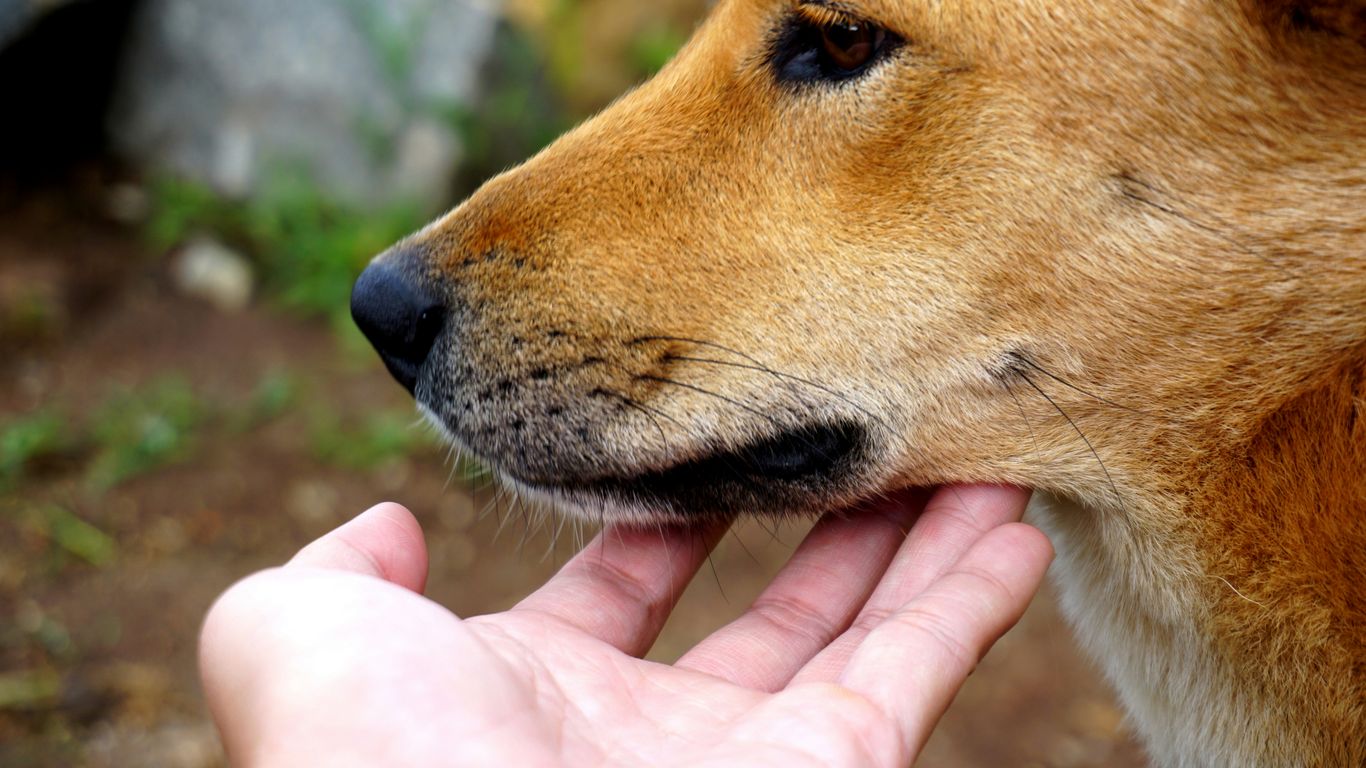
Teaching your puppy to take treats gently isn’t just about politeness—it’s a practical skill that protects your hands, keeps everyone safe, and helps your pup manage their excitement. Puppies don’t automatically know how to be careful with their mouths, and some can be a bit too eager when there’s food involved. Here’s how to help them.
Adding Cue Words like ‘Gentle’
Using a specific cue word, such as "gentle," helps your puppy connect the idea of calmness with treat time. Here’s a quick way to get started:
- Start with a treat in your closed fist, letting your puppy sniff and try to get it.
- As soon as they stop nipping and switch to licking or calmly waiting, say gentle and open your hand to give the treat.
- Repeat several times in short sessions so your pup starts to link this cue to the gentle approach.
- Use the cue each time you offer a treat, so everyone handling your pup is consistent.
Practicing a gentle treat delivery early on makes rewards less chaotic and helps your puppy concentrate during training.
Training with Distractions Present
Once your puppy gets the hang of being gentle in a quiet space, it’s time to add real-life complexity:
- Move your treat practice to busier areas around the house.
- Introduce new faces—ask friends to practice offering treats with the same "gentle" cue.
- Swap in higher-value treats and see if your puppy remains calm.
- Up the challenge with other animals or food smells to help your dog generalize the gentle response.
Tip: If your puppy slips up and grabs too hard, simply close your hand and pause. No treat until they remember their manners!
Protecting Your Hands During Reward
Puppies learning to be gentle can be a bit unpredictable, so take care of your hands as you train:
- Wear thin gloves at first if your puppy is really mouthy. Leather gloves protect from sharp little teeth but still let you feel their mouth.
- Always keep fingers flat when presenting a treat. This minimizes the chance of nipping.
- Avoid yanking your hand away, as quick movements can make puppies think it’s a game or encourage them to snap.
Here’s a simple table of glove types and their benefits:
| Glove Type | Benefit |
|---|---|
| Thin leather | Good protection, keeps tactile sense |
| Thick work glove | Protects more, but less hand feel |
| Bare hand (advanced) | Train precision and control |
Building a gentle treat habit takes some patience and repetition, but it’s worth it—for your puppy’s safety and your fingers’ sake. Stick with it and soon both you and your dog will enjoy calmer, happier training sessions.
Phasing Out Treats as Your Puppy Advances
As your puppy gets more skilled at following commands, treats shouldn’t always be the main reward. It’s important to gradually reduce treat use so your dog learns to listen, not just for a snack. Let’s talk through how to switch things up so your training still works, but your puppy isn’t only working for food.
Transitioning to Other Types of Rewards
Once your puppy responds to basic commands, it’s a good time to mix in new rewards.
- Swap out treats for praise: Use a happy voice, pets, or a quick cuddle.
- Bring in toys and games: For some dogs, a toss of the ball or tug-of-war is just as valuable as food.
- Add environmental rewards: Open the door for them, go outside, or let them greet a visitor.
If you’re thoughtful with your transitions, your dog starts to understand that good behavior earns good things, not just treats.
Using Praise and Play as Alternatives
Praise and play can keep your pup motivated—and they’re calorie-free.
| Reward Type | When to Use | Example |
|---|---|---|
| Verbal Praise | Everyday, easy commands | "Good dog!" or "Yes!" |
| Physical Affection | After tougher challenges | Ear rubs, gentle pats |
| Play | For big accomplishments | Toss a toy, quick game of fetch |
Keep things upbeat. Your excitement is contagious—use a cheerful tone so your puppy feels it’s a celebration each time they get it right.
When to Reduce Treat Frequency
Start reducing treats when your puppy follows commands most of the time without help. Here’s a simple step-down plan:
- Begin with a treat every time.
- When puppy is reliable, treat every other time.
- Switch to rewarding only for strong, fast, or extra-good responses.
- Eventually, only surprise them with a treat sometimes—this keeps your dog guessing and motivated (kind of like a slot machine effect).
Swapping out treats for praise or play is about keeping training interesting and teaching your puppy that behaving pays off in more ways than one.
For more ways to keep your sessions upbeat and varied, check out these ideas for incorporating play into puppy training. Keeping training fresh makes learning a habit that sticks for life.
Optimizing Training Sessions for Lasting Results
Creating solid habits with your puppy doesn’t happen overnight. If you want your dog to really understand and remember what you’re teaching, it’s worth planning your sessions with care. It’s more about consistency, routine, and keeping things upbeat than just giving treats over and over. Here’s how you can set up your training sessions for success.
Keeping Training Sessions Short and Fun
- Aim for 5 to 10-minute bursts. Puppies get tired and bored quickly—if you push too long, they’ll lose interest.
- Use a cheerful tone of voice and offer plenty of praise. Remember, your pup should look forward to these sessions, not dread them.
- Always finish with something your dog knows well. That way, both of you end on a high note.
It’s not about how much time you train, but how focused and positive each moment feels for you and your puppy.
Using Variety to Maintain Interest
Mixing things up is key. Even the most enthusiastic puppies can get bored doing the same command over and over. Here’s how to keep your sessions fresh:
- Change the order of commands.
- Switch up your practice environment every once in a while.
- Rotate between different types of rewards, like toys, affection, or praise alongside treats. This keeps your puppy guessing and interested.
Quick Reference Table: Ways to Keep Training Engaging
| Method | Example |
|---|---|
| Command Rotation | Sit, Down, Stay (mix order) |
| Environment Change | Backyard, living room, park |
| Reward Swap | Treat, belly rub, favorite toy |
Consistency Across Family Members
Bringing everyone in the house onto the same page makes things smoother for your pup.
- Agree on words and cues so your puppy doesn’t get confused.
- Make sure everyone knows when to give treats and when to use other rewards.
- If someone in the family is new to training, talk them through your process. Consistent handling, timing, and voice keeps communication clear for your dog.
Sticking to these routines lets your puppy build confidence and better habits. The more predictable you are, the easier it becomes for your dog to respond well—especially as you start weaning off treats over time.
Short, enjoyable, and purposeful sessions are often more successful than marathon training blocks. Work as a team, keep things upbeat, and your dog will look forward to every learning moment.
Want your dog to remember what they learn? Keep training sessions fun and short, and always reward good effort. This makes training feel like a game, which helps lessons stick. Ready to see real changes? Visit our website for the best online dog training courses and start your journey today!
Wrapping Up: Treat Training Done Right
Training your puppy with treats can be a real game-changer, but it’s easy to get tripped up if you’re not careful. The trick is to use treats as a reward for good behavior, not as a bribe or a way to get your pup to listen only when food is involved. Start with treats your puppy likes, but don’t go overboard—tiny pieces work best and help keep things healthy. As your puppy learns, mix in praise or play so they don’t get stuck only working for snacks. Remember, consistency matters more than perfection. If you mess up, just try again next time. With patience, a bit of trial and error, and lots of encouragement, you’ll help your puppy learn the right way—and you’ll both have more fun along the way.
Frequently Asked Questions
How do I use treats to teach my puppy new tricks?
To teach your puppy a new trick with treats, first pick a quiet place with few distractions. Show your puppy the treat, give a simple command, and wait for them to try the action. The moment your puppy does what you ask, give the treat right away. This helps your puppy connect the treat with the good behavior.
What kind of treats should I use for training my puppy?
Choose small, soft treats that your puppy can eat quickly. For easy tricks or calm places, you can use low-value treats like kibble. For hard tricks or busy places, use high-value treats like small pieces of chicken or cheese. Always make sure the treats are safe and healthy for puppies.
How do I stop my puppy from biting my hand when taking treats?
If your puppy bites or grabs too hard, close your hand around the treat and wait until they use a gentle mouth or lick. Once they’re gentle, say a cue word like ‘gentle’ and open your hand to give the treat. Practice this until your puppy learns to take treats softly every time.
Can I use treats all the time for training?
Treats are great for teaching new skills, but you shouldn’t use them forever. As your puppy gets better, start mixing in other rewards like praise or play. Slowly give treats less often, so your puppy learns to listen even when treats aren’t around.
How do I keep my puppy from getting too many treats during training?
Cut treats into tiny pieces, about the size of a pea. Only use treats during training, and keep sessions short. If you use a lot of treats in one day, give your puppy a little less food at mealtime to balance it out and help avoid weight gain.
What should I do if my puppy only listens when I have treats?
If your puppy only listens when you show treats, it’s time to change your method. Hide the treats and only give one after your puppy does what you ask. Also, reward with praise, petting, or play sometimes instead of treats. This helps your puppy learn to follow commands, not just chase snacks.