
Getting a new puppy is super exciting, right? But then comes the training part. It can feel a bit overwhelming, but really, puppy obedience training doesn’t have to be complicated. Think of it like teaching a little kid – you need patience, consistency, and a good attitude. We’ll break down the basics so you and your furry friend can get along great and have some fun while you’re at it.
Key Takeaways
- Start puppy obedience training as soon as your pup comes home. Even young puppies can learn basic commands.
- Positive reinforcement, using rewards like treats or praise for good behavior, is the best way to train.
- Keep training sessions short and fun to match your puppy’s attention span.
- Be consistent with commands and rewards. Practicing in different places helps your puppy learn better.
- Patience is important. Every puppy learns at their own speed, so don’t get discouraged by mistakes.
Foundational Puppy Obedience Training
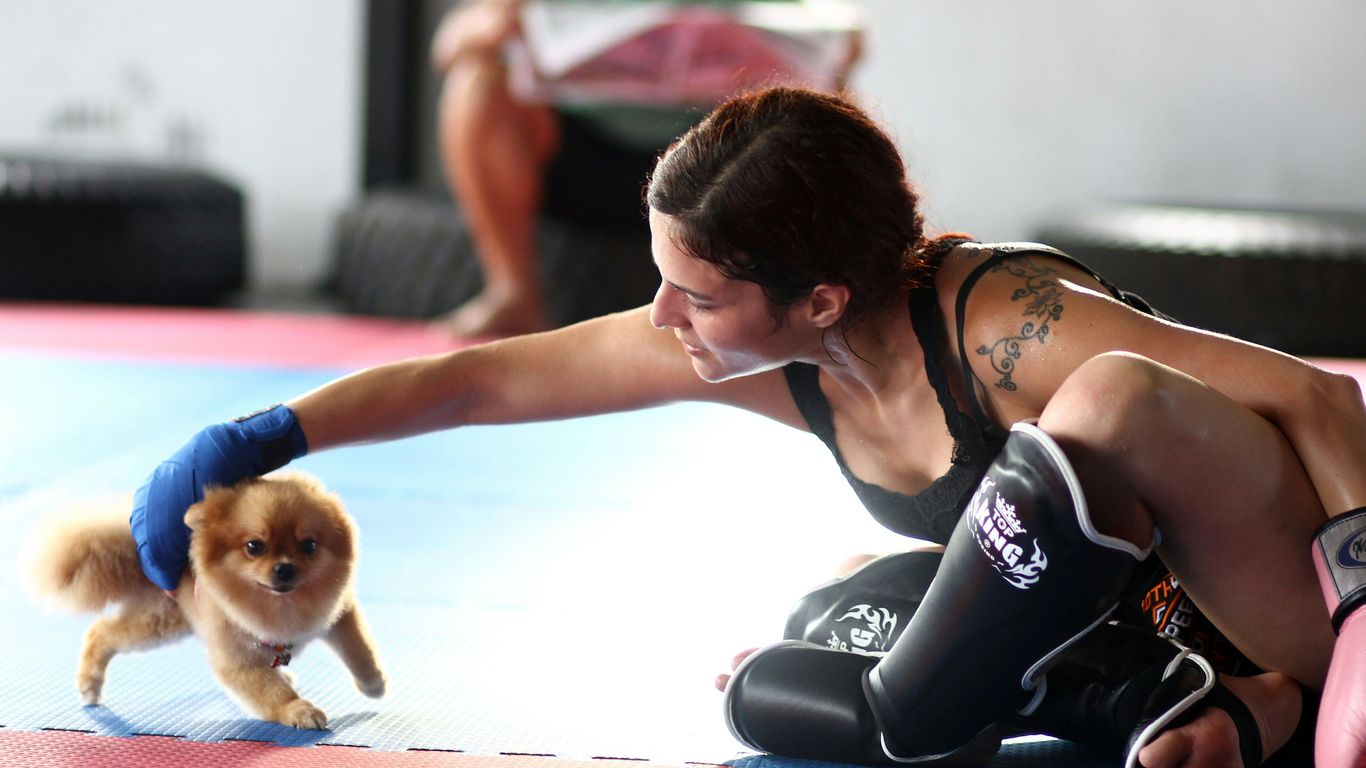
Getting your new puppy started on the right paw with obedience training is super important. It’s like building a house; you need a solid base before you can add the walls and roof. This foundation helps your puppy understand what you expect, which makes them feel more secure and confident. Think of it as setting clear rules for a new roommate – everyone feels better when they know the score.
Understanding The Three Pillars Of Training
Most dog training, especially for puppies, really boils down to a few core ideas. If you get these right, you’re setting yourself up for success down the road, no matter what kind of training you want to do later. It’s about building a relationship based on trust and clear communication. We’re not talking about complicated stuff here, just the basics done well.
- Clear Communication: Your puppy needs to understand what you’re asking. This means using consistent signals and words.
- Positive Reinforcement: Rewarding good behavior is the best way to encourage it. This makes training fun for both of you.
- Consistency: Everyone in the household needs to be on the same page with commands and rules.
Building A Solid Foundation
When we talk about a solid foundation, we’re really focusing on a few key commands that make everything else easier. If you nail these early on, you’ll find that more advanced training becomes much simpler. It’s about teaching your puppy the building blocks of good behavior. Imagine trying to teach your puppy to fetch before they even know how to sit – it just doesn’t work as smoothly.
- Sit: A classic for a reason. It’s a great way to get your puppy’s attention and teach them to focus.
- Down: This command is incredibly useful for calming your puppy and teaching them to relax.
- Come: A reliable recall is vital for safety and freedom. You want your puppy to come back to you when called, no matter what.
The Importance Of Early Training
Starting training when your puppy is young is a big deal. Puppies are like sponges, soaking up information and forming habits. Getting it right from the start means you’re less likely to have to correct bad habits later. It’s much easier to teach a puppy the right way to do things than to retrain an older dog with established behaviors. Plus, it’s a fantastic way to bond with your new furry family member. The earlier you start, the better.
Training a puppy isn’t about forcing them to do things. It’s about guiding them and showing them what you want in a way that makes sense to them. Patience is your best friend here.
Essential Puppy Obedience Commands
Teaching your puppy some basic commands is like giving them a roadmap for good behavior. It’s not just about making them follow orders; it’s about building a connection and making life easier for both of you. These commands are the building blocks for a well-behaved dog.
Teaching Your Puppy To Come
This is probably the most important command you’ll teach. You want your puppy to happily run to you when called, no matter what’s going on. Start in a quiet place. Say your puppy’s name, then “come!” When they look at you or move towards you, praise them. As they get closer, make happy noises. When they reach you, give them a really good treat or a favorite toy. Make coming to you the best thing ever. Gradually, you can add distractions and increase the distance. Remember to never call your puppy to you for something unpleasant, like a bath or nail trim, or they might start associating “come” with bad things. It’s all about making it a fun game, and you can find more tips on how to teach your puppy to come when called here.
Mastering The Sit Command
The ‘sit’ command is a classic for a reason. It’s a great way to get your puppy to pause and focus. To teach it, hold a treat near your puppy’s nose. Move the treat up and slightly over their head. As their nose follows the treat, their rear end should naturally lower into a sit. The moment they sit, say “sit” and give them the treat and praise. Keep sessions short, maybe just a few minutes at a time. You want them to associate sitting with good things.
Introducing The Down Position
Getting your puppy to lie down can be a bit trickier than a sit, but it’s super useful. Start with your puppy in a sit. Hold a treat from their nose down towards the floor and slightly away from them. They should follow the treat with their nose, lowering their body. As soon as their elbows touch the ground, say “down” and give them the treat. Some trainers prefer teaching ‘down’ from a standing position, which can also work well. The key is to be clear and consistent with your hand motion and verbal cue. A puppy that knows ‘down’ can more easily learn other positions.
The Value Of A Reliable Stay
A good ‘stay’ command means your puppy can hold a position until you release them. This builds impulse control. Start by asking for a ‘sit’ or ‘down.’ Then, say “stay” and hold your hand out, palm facing your puppy. Wait just a second or two, then give them a treat and a release word like “okay!” or “free!” If your puppy gets up before the release, that’s fine; just put them back in the position and try again with a shorter duration. Gradually increase the time you ask them to stay, and then add distance by taking a step back. This command takes patience, but it’s incredibly rewarding when they get it right. Practicing these basic commands will set you and your puppy up for a lifetime of good behavior.
Positive Reinforcement Techniques
When you’re working with your new puppy, the best way to get them to do what you want is by using positive reinforcement. It’s all about rewarding the good stuff. Think of it like this: if your puppy does something you like, you give them something they like in return. This makes them more likely to repeat that good behavior later on. It’s a simple concept, but it really works wonders.
Rewarding Desired Behaviors
So, what counts as a
Effective Puppy Training Strategies
Getting your puppy to listen and behave well isn’t about magic; it’s about smart strategies. Think of it like teaching a toddler – you need patience, consistency, and a good plan. The goal is to make learning fun and rewarding for your pup.
Keeping Training Sessions Short and Engaging
Puppies have short attention spans, much like little kids. Trying to force them to focus for too long will just lead to frustration for both of you. Aim for short, sweet sessions, maybe just 5 minutes at a time. It’s better to do a few of these throughout the day than one long, drawn-out session. Keep things upbeat and exciting! Use a happy tone of voice and have their favorite treats or toys ready. If you notice your puppy getting distracted or bored, it’s a sign to wrap it up on a positive note, perhaps with an easy command they know well, and then call it a day. This way, they’ll look forward to the next training time.
Consistency Is Key
This is a big one. Whatever cues or commands you decide to use, stick with them. If you teach your puppy that
Addressing Common Puppy Training Challenges
It’s totally normal for puppy training to hit a few bumps. Puppies are basically toddlers with fur, and they’re figuring out a whole new world. Sometimes they get it right away, and other times… well, not so much. The key is to stay patient and remember that learning takes time.
Patience Through Learning Curves
Every puppy learns at their own pace. Some pick up commands in a few tries, while others need more repetition. It’s easy to get frustrated, especially when you’ve been working on a command for a while. Instead of getting annoyed, try to see it from your puppy’s perspective. They don’t know what you want until you show them clearly and consistently. Think of it like teaching a kid to ride a bike; you don’t expect them to pedal off perfectly on the first try. You offer support, encouragement, and maybe a few scraped knees along the way. For puppies, this means breaking down commands into smaller steps and celebrating even the tiniest bit of progress. We want to build their confidence, not chip away at it.
Avoiding Punishment
This is a big one. When your puppy has an accident inside or chews up your favorite shoes, your first instinct might be to scold them. But honestly, punishment often does more harm than good. Puppies don’t connect a scolding minutes or even seconds after an event to what they did. Instead, they learn to fear you or become anxious. This can make training harder in the long run. It’s much more effective to focus on what you want them to do. If they have an accident, clean it up without fuss and make sure you’re rewarding them heavily when they go potty outside. If they chew something they shouldn’t, redirect them to an appropriate chew toy and praise them when they chew that instead. Positive reinforcement is the way to go for building a good relationship and a well-behaved dog.
Understanding Puppy Attention Spans
Puppies have notoriously short attention spans. Trying to do a 30-minute training session with a young pup is a recipe for disaster. They’ll get bored, distracted, and probably just lie down. Keep your training sessions short and sweet, maybe 5-10 minutes at a time, a few times a day. This makes it more manageable for them and keeps things fun. You want them to look forward to training, not dread it. Ending each session on a positive note, with a successful command and a great reward, helps them associate training with good things. It’s better to have several short, successful sessions than one long, frustrating one. Remember, consistency is key, but so is keeping it light and enjoyable for your furry friend. You can find more tips on keeping training fun at puppy training basics.
Here’s a quick look at how to manage common training hiccups:
- Potty Training Accidents: If you catch them in the act, calmly interrupt and take them outside immediately. If you find an accident later, just clean it up. Don’t punish.
- Chewing: Provide plenty of appropriate chew toys. If they chew something wrong, redirect them to a toy and praise them for chewing the right thing.
- Jumping Up: Turn away or step back when they jump. Only give them attention when all four paws are on the floor. Reward them for keeping all paws down.
Training is a journey, not a race. Celebrate the small wins and don’t get discouraged by setbacks. Your puppy is doing their best to understand your world.
Beyond Basic Obedience
Once your puppy has a handle on the core commands, it’s time to build on that foundation. This next stage is all about refining their manners and teaching them how to navigate the world politely. It’s not just about them listening to you; it’s about them becoming a well-adjusted member of your family and society. Think of it as graduating from puppy kindergarten to the real world of dog ownership.
Loose-Leash Walking Etiquette
Walking nicely on a leash is a skill that takes practice. You want your dog to walk beside you without pulling. This makes walks enjoyable for both of you. Start by rewarding your puppy when they are walking calmly by your side. If they pull, stop moving. Only resume walking when the leash slackens. It might feel slow at first, but consistency is key to teaching them that pulling doesn’t get them where they want to go.
Here’s a simple breakdown:
- Start in a low-distraction area, like your home or backyard.
- Hold the leash loosely.
- When your puppy walks beside you without pulling, offer a treat and praise.
- If your puppy pulls ahead, stop walking immediately.
- Wait for the leash to slacken before moving forward again.
The ‘Leave It’ Command
Teaching your puppy to ‘leave it’ is incredibly important for their safety. This command tells them to ignore something they might be tempted to pick up or eat, whether it’s a dropped piece of food on the sidewalk or a tempting toy. It’s a command that can prevent a lot of trouble. When you say ‘leave it,’ your puppy should disengage from the item. You can start by placing a low-value treat on the floor and covering it with your hand. When your puppy stops trying to get it, reward them with a different, higher-value treat from your other hand. Gradually increase the difficulty by placing the item further away or using more tempting objects. This is a skill that can truly save your dog’s life, so it’s worth the effort to get it right. You can find more tips on teaching basic commands like this in guides for first-time puppy owners here.
Socialization And Training
Socialization is more than just letting your puppy meet other dogs. It’s about exposing them to a wide variety of sights, sounds, people, and environments in a positive way. This helps them grow into confident, well-behaved adults. Think about introducing them to different surfaces, noises like vacuum cleaners or traffic, and people of all ages and appearances. The goal is to create positive associations. Proper socialization, combined with continued training, helps prevent fear-based behaviors and reactivity later in life. It’s about building a well-rounded dog who is comfortable and happy in most situations.
Ready to go beyond just "sit" and "stay"? Teaching your dog advanced skills can be incredibly rewarding and strengthen your bond even further. Discover how to unlock your dog’s full potential and explore exciting new training possibilities. Visit our website today to learn more about advanced dog training techniques!
Wrapping Up Your Puppy Training Journey
So, you’ve learned the basics of getting your puppy started on the right paw with training. Remember, it’s all about keeping things simple, consistent, and positive. Short training sessions, lots of praise, and understanding that your puppy learns at their own pace are your best tools. Building a solid foundation with commands like ‘sit,’ ‘come,’ and ‘stay’ will make all future training much smoother. Don’t get discouraged by setbacks; every puppy is different, and patience really is key. Keep practicing in different places, and most importantly, have fun with your furry friend. This journey is as much about building a bond as it is about obedience, and with a little effort, you’ll have a well-behaved companion for years to come.
Frequently Asked Questions
When should I start training my puppy?
You can begin training your puppy as soon as they come home with you, usually around 8 weeks old. Puppies learn best between 6 and 16 weeks, but training should continue throughout their life.
What is positive reinforcement in puppy training?
Positive reinforcement means rewarding your puppy with treats, praise, or toys when they do something you like. It’s the best way to teach them what you want and builds a strong, trusting bond.
How long should training sessions be?
Puppies have short attention spans, so keep training sessions short, around 5 minutes each. Aim for about 15 minutes of training per day, and always end on a good note so your puppy is excited for the next session.
Why is consistency important in puppy training?
Using the same words and hand signals for commands every time helps your puppy understand what you’re asking. Being consistent with rewards for good behavior also makes learning easier and faster.
What are the most important commands to teach a puppy?
The most crucial commands are ‘come’ (recall), ‘sit,’ and ‘down.’ These basic commands are the building blocks for all other training and are essential for your puppy’s safety and good manners.
What should I do if my puppy isn’t learning quickly?
Be patient! Every puppy learns at its own speed. If your puppy seems stuck, try making the training steps easier or using more exciting rewards. Avoid punishment, as it can make them confused or scared.