
Getting a new puppy is exciting! They’re cute, clumsy, and full of energy. But like any new family member, they need guidance. Teaching your puppy good manners from the start is key to a happy life together. And guess what? The secret weapon for many dog owners is puppy training rewards. These aren’t just about treats; they’re about building a connection and showing your pup what you like. Let’s explore how the right rewards can make all the difference in shaping your puppy’s behavior.
Key Takeaways
- Understanding what your puppy finds rewarding is the first step. What one puppy loves, another might ignore, so tailor your rewards to your dog’s specific preferences.
- Not all rewards are created equal. Use high-value treats, like tasty meaty bites, for tougher training challenges or distracting environments, and save simpler rewards for easier tasks.
- Timing is everything. Deliver rewards immediately after your puppy performs the desired behavior, or use a marker like a clicker to pinpoint the exact moment of success.
- While food is a powerful motivator, don’t forget other rewards! Playtime, praise, and favorite toys can be just as effective, especially as your puppy matures.
- Beyond treats, consider tools like clickers for precise marking, treat pouches for easy access, and washable pads for house training success.
Understanding Puppy Training Rewards
Training your puppy is all about communication, and rewards are your primary language. Think of them as your puppy’s paycheck for doing a good job. But not all rewards are created equal, and understanding what motivates your pup is key to making training stick. It’s not just about stuffing them with treats; it’s about figuring out what makes them tick.
Consider Rewards From Your Dog’s Point of View
What you think is a great reward might be a big yawn to your dog. Does your dog go bonkers for a squeaky toy? Do they live for belly rubs? Or is it a specific, super-smelly treat that makes their tail wag uncontrollably? You need to find out what truly excites your individual dog. If you’re using something they find boring, you’re not really reinforcing anything. It’s like trying to pay someone with Monopoly money – it just doesn’t work. Making a list of all the things your dog loves, from a game of fetch to a special chew, and then ranking them from most exciting to least, can really help. This gives you a clear picture of their personal motivation hierarchy.
The Hierarchy of Canine Motivation
Just like we have different levels of desire for things (a quick snack versus a five-course meal), dogs do too. This is their motivation hierarchy. For simple tasks, like a basic sit, a regular kibble might do the trick. But when you’re tackling something tougher, like teaching them to ignore distractions at the park, you’ll need to pull out the big guns – the high-value rewards. These are the super-special items that your dog absolutely adores and will work extra hard for. Using the right reward for the right challenge makes a huge difference. For instance, if your dog is easily distracted by squirrels, you’ll want a reward that’s more exciting than chasing that squirrel. This is where understanding their personal hierarchy comes into play, helping you choose the perfect motivator for any training scenario. It’s about matching the reward to the difficulty of the task at hand.
Why Use Nonfood Dog Rewards?
While tasty treats are fantastic, they aren’t the only way to reward your puppy. Sometimes, a food reward isn’t practical or even the most effective option. Think about it: if your puppy is already a bit overweight, or if you’re training in a situation where giving food might be messy or difficult, other rewards come in handy.
Here are some great nonfood options:
- Playtime: A quick game of tug-of-war or a few throws of their favorite ball can be incredibly motivating.
- Praise and Affection: A happy, enthusiastic voice and some good petting can go a long way, especially when paired with other rewards.
- Special Toys: A unique toy that only comes out during training sessions can become a highly sought-after reward.
- Access to Something Fun: Sometimes, the reward can be the opportunity to do something your dog loves, like sniffing a particularly interesting bush or greeting a friendly person.
Using a variety of rewards keeps training interesting and helps your puppy understand that good behavior can be rewarded in many different ways. It also helps prevent them from becoming overly reliant on food, which is important for their overall health and training flexibility. Remember, the goal is to build a positive association with training, and that can be achieved through many avenues beyond just treats. You can find more tips on training your puppy at training a stubborn puppy.
Choosing the Right Puppy Training Rewards
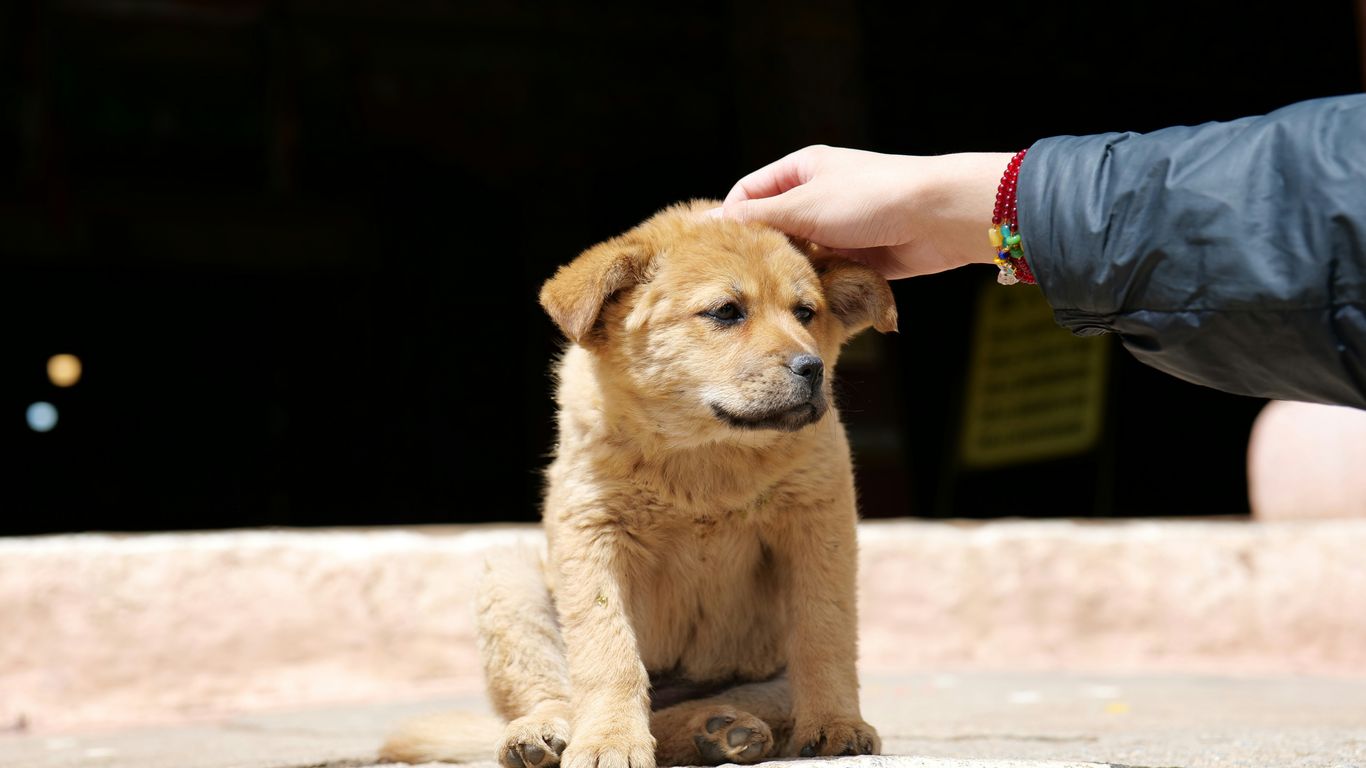
Picking the right rewards for your puppy is more than just grabbing a bag of biscuits. It’s about understanding what truly motivates your dog and using that knowledge to make training sessions effective and enjoyable. Think about it: if the reward isn’t exciting to your pup, they’re not going to be very motivated to learn, right? The key is to find something your dog genuinely loves and sees as a high-value prize. This makes them eager to work for it, especially when you’re trying to teach them something new or tackle a tricky behavior. It’s like giving a kid a sticker for doing chores versus giving them their favorite candy bar – you get a much better response with the latter. So, let’s figure out what makes your puppy tick.
High-Value Treats for Challenging Situations
When you’re training in a busy park or trying to stop your puppy from chasing squirrels, you need something special. Regular kibble might not cut it. High-value treats are those extra-tasty morsels that your dog goes wild for. These are the rewards you save for when the stakes are high, like teaching your dog to ignore distractions or mastering a difficult command. Think small pieces of cooked chicken, bits of cheese, or specially made training treats that smell and taste amazing to your dog. These special treats help your puppy focus on you and the task at hand, rather than getting sidetracked by everything else going on. It’s about making your reward more appealing than the distraction. You can find some great options for high-quality puppy treats that are perfect for these moments.
Single-Ingredient and Nutritious Options
While taste is important, what’s inside those treats matters too. Puppies are growing and developing, so it’s smart to choose treats made with simple, healthy ingredients. Look for options that have just one or two main ingredients, like dried chicken or sweet potato. This way, you know exactly what your puppy is eating, and you can avoid artificial colors, flavors, or preservatives that aren’t good for them. Plus, many single-ingredient treats are naturally nutritious, offering things like protein or vitamins that can actually support your puppy’s health. It’s a win-win: they get a tasty reward, and you know it’s good for them.
Irresistible Flavors and Textures
Just like people, dogs have preferences. Some pups love a crunchy bite, while others prefer something soft and chewy. Experimenting with different flavors and textures can help you discover what your puppy finds most motivating. Small, soft, meaty bites are often a hit because they’re easy to eat quickly, which is great for rapid reinforcement. For puppies who are teething or need something to keep them occupied, a slightly chewier treat can be a good choice. Consider a variety of options to keep training interesting and to have the perfect reward ready for any situation. What one dog finds irresistible, another might just sniff at, so don’t be afraid to try a few different things to see what gets the best tail wags.
Types of Puppy Training Rewards
When you’re training your puppy, the rewards you choose can make a big difference. Not all rewards are created equal, and what works for one dog might not work for another. It’s like picking the right tool for the job – you wouldn’t use a hammer to screw in a bolt, right? The same goes for puppy training. The key is to find what truly motivates your pup and use it strategically.
Meaty Bites for Quick Learning
For teaching new commands or reinforcing quick behaviors, small, tasty treats are usually the best bet. Think of things like beef lung bites or small pieces of freeze-dried liver. These are often single-ingredient, which is great if your puppy has a sensitive stomach, and they’re packed with flavor that dogs just can’t resist. Because they’re small, you can give a lot of them without overfeeding, which is perfect for those training sessions where you’re practicing a lot of repetitions. They’re also easy to break into even smaller pieces for tiny pups or for when you’re working on really basic stuff. Puppies tend to go wild for these, making them super effective for getting their attention and encouraging them to focus on you. It’s amazing how quickly they can pick things up when they’re really excited about the reward.
Chewy Treats for Redirecting Chewing
Puppies, especially when they’re teething, have a strong urge to chew. Sometimes, you need a reward that can help redirect that natural instinct away from your furniture and onto something appropriate. Chewy treats, like natural trachea tubes, can be fantastic for this. They’re not as hard as a traditional bone, but they’re durable enough to keep a puppy occupied and satisfied. When your puppy starts eyeing your shoe, you can offer them one of these instead. It satisfies their need to gnaw and teaches them what’s okay to chew on. It’s a win-win: your puppy gets to indulge their chewing habit, and you get to keep your belongings intact. Plus, these kinds of chews can keep them busy for a good while.
Long-Lasting Chews for Entertainment
Sometimes, training isn’t just about teaching commands; it’s also about keeping your puppy happy and occupied, especially when you can’t actively supervise them. For these moments, longer-lasting chews are your best friend. Think of things like bully sticks or larger, natural bones (always supervise your puppy with bones, of course). These aren’t typically used for rapid command reinforcement but rather for providing mental stimulation and preventing boredom. A bored puppy can quickly become a destructive puppy, so having a good chew on hand can be a lifesaver. It gives them something appropriate to do with their mouths and energy, helping to prevent unwanted behaviors. It’s a great way to give them a healthy outlet and keep them entertained, especially when you’re trying to get things done around the house. You can find some great options for puppy training that fit this need.
Effective Use of Puppy Training Rewards
Using rewards in training is super effective, but you’ve got to do it right. It’s not just about handing out treats; it’s about when and where you give them. Get this wrong, and your puppy might get confused about what you’re even asking for. Think of it like this: if you’re trying to teach your dog to sit, and they have to get up to grab the treat, they might think the reward is for standing up, not sitting. That’s not what we want, right?
Timing the Distribution of Rewards
Timing is everything when it comes to rewarding your pup. You want to give that tasty morsel or enthusiastic praise immediately after they do the thing you like. We’re talking within a second or two. If you wait too long, your dog might connect the reward with whatever they did after the desired behavior. For example, if you’re house training and you give a treat when they come inside, they might think they’re being rewarded for walking through the door, not for pottying outside. Using a marker word like ‘yes!’ or a clicker can really help here. You mark the exact moment they do it right, and then follow up with the reward. This way, they know precisely what earned them the goodie. It makes a huge difference in how quickly they learn.
The Importance of Reward Placement
Where you place the reward matters too. If you’re training a
Beyond Food: Creative Puppy Training Rewards
While tasty treats are fantastic for training, they aren’t the only way to get your puppy excited about learning. Sometimes, a good old-fashioned game or some enthusiastic praise can be just as motivating, if not more so. It’s all about figuring out what makes your dog tick. Not every pup is driven by food alone, and relying solely on treats can sometimes lead to a dog who only listens when he sees you holding something yummy. Mixing things up keeps training fresh and helps build a stronger bond.
Leveraging Play and Praise
Think about what your puppy genuinely enjoys. For many dogs, a good game of tug-of-war or a spirited game of fetch is pure joy. You can use these moments as rewards after your puppy successfully completes a command, like coming when called or walking nicely on the leash. Imagine calling your puppy, and when he trots right over, you immediately grab his favorite rope toy for a quick, fun tug session. That’s a powerful motivator!
Praise is another simple yet effective tool. A happy, cheerful "Good boy!" or "Yes, you’re so smart!" delivered with genuine enthusiasm can go a long way. It costs nothing, and it reinforces the positive behavior. Don’t underestimate the power of your voice and your happy tone. It’s a great way to acknowledge good choices, even small ones like pottying outside.
Understanding Your Dog’s Unique Preferences
Every dog is an individual, and what one puppy finds incredibly rewarding, another might barely notice. You’ve probably seen this yourself – maybe your neighbor’s dog goes wild for a squeaky toy, but your pup just looks at it with mild interest. Discovering your dog’s personal favorites is key to effective training.
Here are a few ideas to consider:
- Favorite Toy: Is it a squeaky plush, a tough chew toy, or a ball for fetch? Use it! A quick game with their most-loved toy can be a huge motivator.
- Specific Type of Petting: Some dogs love a good belly rub, while others prefer a gentle scratch behind the ears. Pay attention to their body language to see what they enjoy most.
- A Special Game: Beyond fetch or tug, maybe your dog loves a good nose work game or a puzzle toy. Incorporating these into training can be very exciting.
You might find that your dog is more interested in a particular type of interaction than a food treat, especially during more challenging training scenarios. Observing your dog’s reactions during everyday activities can give you clues about what truly makes them happy and motivated.
When to Transition from Food Rewards
Food rewards are fantastic, especially when you’re first teaching a new behavior or working in a really distracting environment. They’re high-value and get your puppy’s attention quickly. However, you don’t want your puppy to become dependent on treats for every single action. The goal is for them to perform behaviors because they understand what’s expected and enjoy the positive outcome, not just because a treat is present.
Start by gradually reducing the frequency of food rewards as your puppy gets better at a task. Instead of rewarding every single correct response, try rewarding every second or third correct response. Then, start mixing in those non-food rewards like praise and play. You can also start using their regular kibble for some training sessions, especially if you’re not in a high-distraction setting. This helps them learn that good things come from you, not just from a treat bag. Eventually, you’ll reach a point where treats are used more sparingly, perhaps for really challenging situations or to reinforce a particularly excellent performance, while praise and play become the more common rewards for everyday good behavior. This approach helps build a more independent and responsive dog who is motivated by your approval and the joy of learning itself. For more on keeping your dog engaged, check out dog enrichment activities.
Essential Puppy Training Tools
When you’re working on teaching your puppy new things, having the right gear can make a big difference. It’s not just about the treats, though those are super important. Think of these tools as your sidekicks in the training adventure. They help make the process smoother, more organized, and frankly, a lot more effective. You want to be prepared, right? Having these items handy means you can grab them quickly when your puppy is doing something great, or when you need to redirect them from something not-so-great.
The Role of a Clicker
A clicker is a small, handheld device that makes a distinct clicking sound. This sound acts as a marker, telling your puppy precisely when they’ve done something right. It’s like a super-fast signal that says, “Yes! That’s exactly what I wanted!” The idea is to pair the click with a treat. So, your puppy performs the desired action, you click, and then immediately give them a tasty reward. This helps them understand what behavior earned them the treat much faster than just giving a treat alone. It’s especially helpful when your puppy is a little further away or when you need to mark a very quick action. It adds a layer of clarity to your training.
Convenient Treat Pouches
Forget digging through your pockets or a bag every time your puppy nails a command. A treat pouch is a game-changer. These are usually fabric bags that clip onto your belt or waistband, keeping your high-value rewards easily accessible. Many have different compartments, so you can keep different types of treats separate or even store a clicker and some poop bags. Having treats right at your fingertips means you can reward your puppy instantly, which is key for effective training. No more fumbling around when your puppy is sitting perfectly – just reach, reward, and praise!
Washable Pads for House Training
House training a puppy is a marathon, not a sprint, and accidents are part of the journey. Washable pads are a lifesaver for this. They are absorbent mats that you can place in a designated spot for your puppy to use. When they do their business on the pad, you reward them. The best part? They’re reusable. You just toss them in the wash and they’re ready to go again. This saves money and reduces waste compared to disposable pads. Having a few of these strategically placed can really help guide your puppy towards the right potty spot, especially in those early days when their bladder control isn’t quite there yet.
Getting the right gear makes training your new puppy much easier. From comfy leashes to tasty treats, having the best puppy training tools on hand sets you up for success. Want to know exactly what you need to get started? Visit our website for a complete guide to essential puppy training supplies!
Wrapping Up Your Puppy’s Training Journey
So, we’ve talked a lot about what makes a good reward for your puppy, from tasty treats to fun games. Remember, it’s not just about the reward itself, but how and when you give it. Paying attention to what your dog really loves and using those high-value rewards for tougher stuff can make a huge difference. Keep it consistent, keep it positive, and don’t forget that every little bit of progress is worth celebrating. Training takes time and patience, but seeing your puppy grow into a well-behaved companion is incredibly rewarding. You’ve got this!
Frequently Asked Questions
What makes a good reward for puppy training?
A good reward is something your puppy absolutely loves! It could be a tiny piece of a super tasty treat, a favorite squeaky toy, or even a quick game of fetch. The key is that your puppy finds it exciting and wants it badly enough to focus on learning.
Why are some treats better than others for training?
Just like people, dogs have favorite flavors and textures. ‘High-value’ treats are extra special, like small pieces of cooked chicken or cheese, that your puppy finds irresistible. These are best for really tough training moments or when there are lots of distractions, like at the park.
How often should I give my puppy rewards?
When you’re first teaching a new trick or behavior, reward your puppy very often – sometimes after every single good action! As your puppy gets better, you can start rewarding them less often. This helps them learn to perform the behavior even when they don’t get a treat every time.
Can I use praise or toys instead of treats?
Absolutely! While tasty treats are great motivators, many puppies also love praise like ‘Good boy!’ or a quick game with a favorite toy. Figure out what your puppy enjoys most, and use that as a reward. It’s all about what makes your puppy happy and eager to learn.
When should I stop using treats for training?
You don’t have to stop using treats completely, but you can start to use them less often once your puppy understands a command. You can switch to using praise, toys, or petting more often. Treats are still useful for challenging situations or to keep things exciting.
What’s a clicker, and how does it help with training?
A clicker is a small device that makes a clicking sound. You ‘charge’ it by clicking and then giving your puppy a treat. This teaches your puppy that the click means they did something right! You click the exact moment your puppy does the desired behavior, and then give them a treat. It helps them understand *exactly* what they’re being rewarded for.