
Training your puppy can be a blast, especially when you ditch the boring old treats and grab some fun toys instead. Seriously, who doesn’t love a good game of fetch or tug? Using puppy training with toys isn’t just about getting your pup to learn faster; it’s also a fantastic way to build a super strong bond between you two. We’ll dive into how to pick the best toys, make training sessions exciting, and even teach those tricky commands using just playtime. Get ready for some tail-wagging success!
Key Takeaways
- Playtime is a powerful tool for puppy training, often more engaging than treats for some dogs, and it helps build a stronger relationship.
- Choosing the right toys based on your puppy’s play style is important, and dual-purpose toys can offer extra training benefits.
- Short, engaging play sessions and maintaining the toy’s value are key to using toys effectively as rewards, alongside consistent ‘drop it’ training.
- Toys can be integrated into basic skills like ‘sit,’ ‘wait,’ and ‘retrieve,’ and can help build your puppy’s focus and drive.
- When facing challenges like a lack of toy motivation or over-excitement, adjusting your approach or seeking professional help can make a big difference.
Understanding Toy-Based Puppy Training
The Power of Play in Puppy Education
Puppies are naturally inclined to play. It’s not just about fun; play is how they learn about the world, their bodies, and their social skills. When we use toys in training, we’re tapping into this innate drive. Instead of forcing a puppy to do something, we’re making it a game they want to play. This makes learning feel less like work and more like an exciting adventure. This approach can significantly speed up the learning process because the puppy is motivated by the joy of the game itself. It builds a positive association with training, making your puppy eager for the next session. It’s about working with your puppy’s natural instincts, not against them.
Why Toys Outshine Treats for Some Pups
While treats are a common training tool, they don’t work for every puppy. Some pups are too distracted by food, have sensitive stomachs, or simply aren’t food-motivated. For these dogs, toys can be a game-changer. A favorite squeaky toy or a well-loved rope can be a much more powerful motivator than a dry biscuit. Think about it: a high-value toy that’s only brought out for training sessions becomes incredibly special. It’s a reward that sparks genuine excitement. This is especially true for puppies who have a strong prey drive or enjoy interactive games. Using toys means you have a fantastic alternative when food just isn’t cutting it, allowing you to continue training effectively.
Building a Stronger Bond Through Play
Training with toys isn’t just about teaching commands; it’s about building a relationship. When you play with your puppy, you’re communicating, cooperating, and sharing a fun experience. This shared activity strengthens the bond between you and your dog. It creates trust and mutual understanding. You learn what makes your puppy tick, and they learn to rely on you for fun and guidance. This connection is invaluable, making all other aspects of your life together smoother and more enjoyable. It transforms training from a chore into a shared activity that deepens your connection.
Training with toys taps into a puppy’s natural desire to play, making learning more engaging and effective. It’s a way to build a strong relationship while teaching new skills, turning training sessions into fun, interactive games that both you and your puppy will look forward to.
Selecting the Right Training Toys
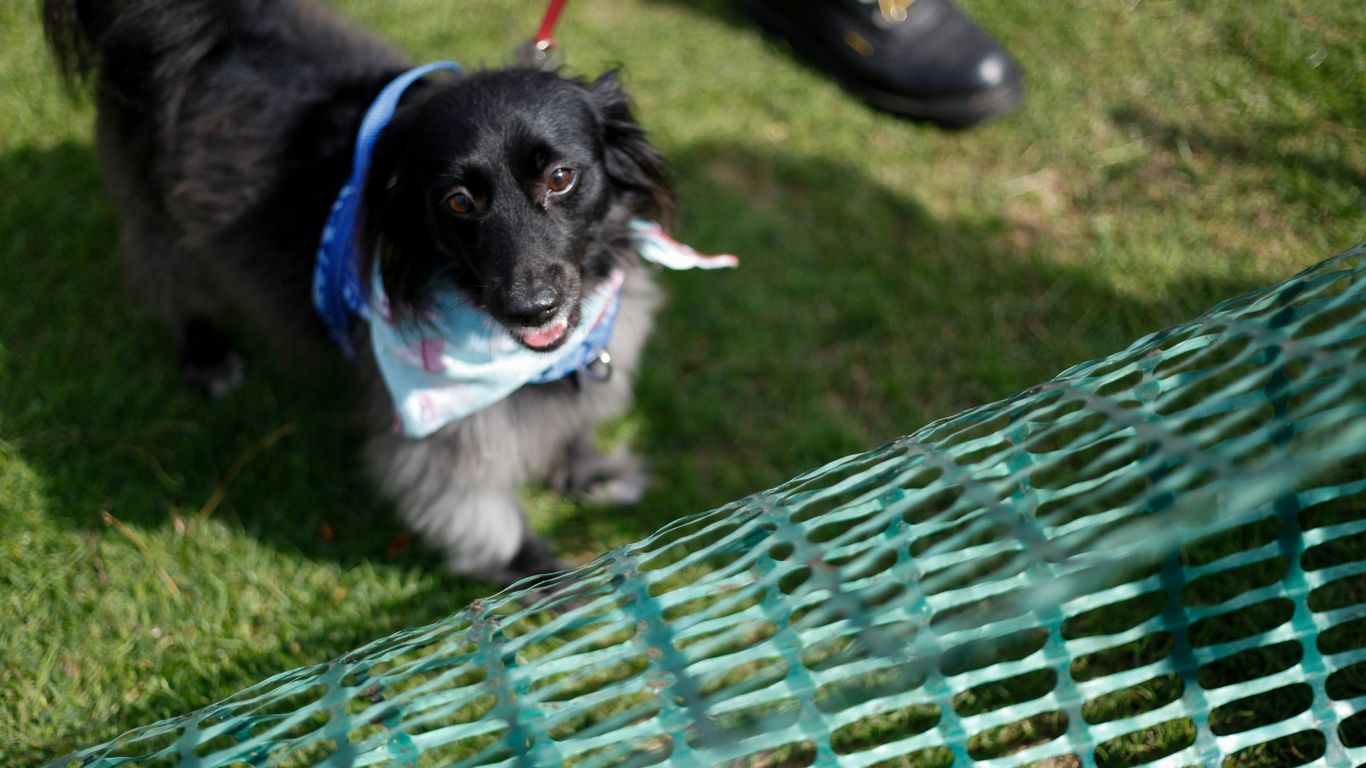
Picking the right toys for training your puppy is a bit like choosing the perfect tool for a job. You wouldn’t use a hammer to screw in a nail, right? The same goes for training toys. What works wonders for one pup might just be ignored by another. It’s all about figuring out what makes your specific puppy tick. This isn’t just about having fun, though that’s a big part of it; it’s about finding those special items that will motivate your furry friend to learn faster and build a stronger connection with you. The key is to match the toy to your puppy’s individual preferences and play style.
Discovering Your Puppy’s Favorite Play Style
Every puppy is an individual, and their idea of a good time can vary wildly. Some pups are born fetch fanatics, while others prefer a good old-fashioned game of tug. To figure out what gets your puppy excited, try a little ‘play test.’ Offer a few different types of toys and observe their reactions. Do they chase after a thrown ball with gusto? Do they grab a rope toy and try to wrestle? Or are they more interested in a soft plush toy they can carry around?
Here are a few play styles to consider:
- Chasers: These pups love to run and catch. Toys that move erratically, like balls or frisbees, are usually a hit.
- Tuggers: If your puppy enjoys a good tug-of-war, rope toys or durable tug toys are perfect. Just remember to teach a solid ‘drop it’ cue!
- Wrestlers: Some puppies enjoy a more physical, wrestling-style play. This can be simulated with soft toys or even just gentle roughhousing (always keeping it safe and controlled).
- Carriers: Many puppies like to carry toys around. Plush toys or softer, lighter toys are great for this.
Pay attention to their body language – wagging tails, excited barks, and focused attention are all good signs they’re engaged.
Top Toy Picks for Effective Training
Once you have a better idea of your puppy’s play style, you can start selecting toys that will be most effective for training. It’s helpful to have a few go-to options. Some toys are particularly well-suited for training because of their durability, squeak factor, or how they’re designed for interactive play. For instance, a durable rubber toy that can be filled with treats can be a great reward after a successful training session. Similarly, a squeaky plush toy can add an extra layer of excitement during a game of fetch. Remember, the goal is to make the toy a highly desirable reward. You can find some great options for puppy training toys that are designed with learning in mind.
Dual-Purpose Toys for Added Value
Why settle for a toy that only does one thing when you can have one that does more? Many toys are designed to serve multiple purposes, which can be incredibly useful in training. Think about toys that can be used for fetch but also have a squeaker for added excitement, or plush toys that are sturdy enough for a gentle game of tug. These dual-purpose toys can keep training sessions fresh and engaging. They also offer flexibility; you might start a session with fetch and then transition into a short tug game as a reward. This variety helps maintain your puppy’s interest and prevents them from getting bored with the same old routine. It’s all about maximizing the fun and learning potential of every toy you bring into your training arsenal.
Implementing Toy Rewards Effectively
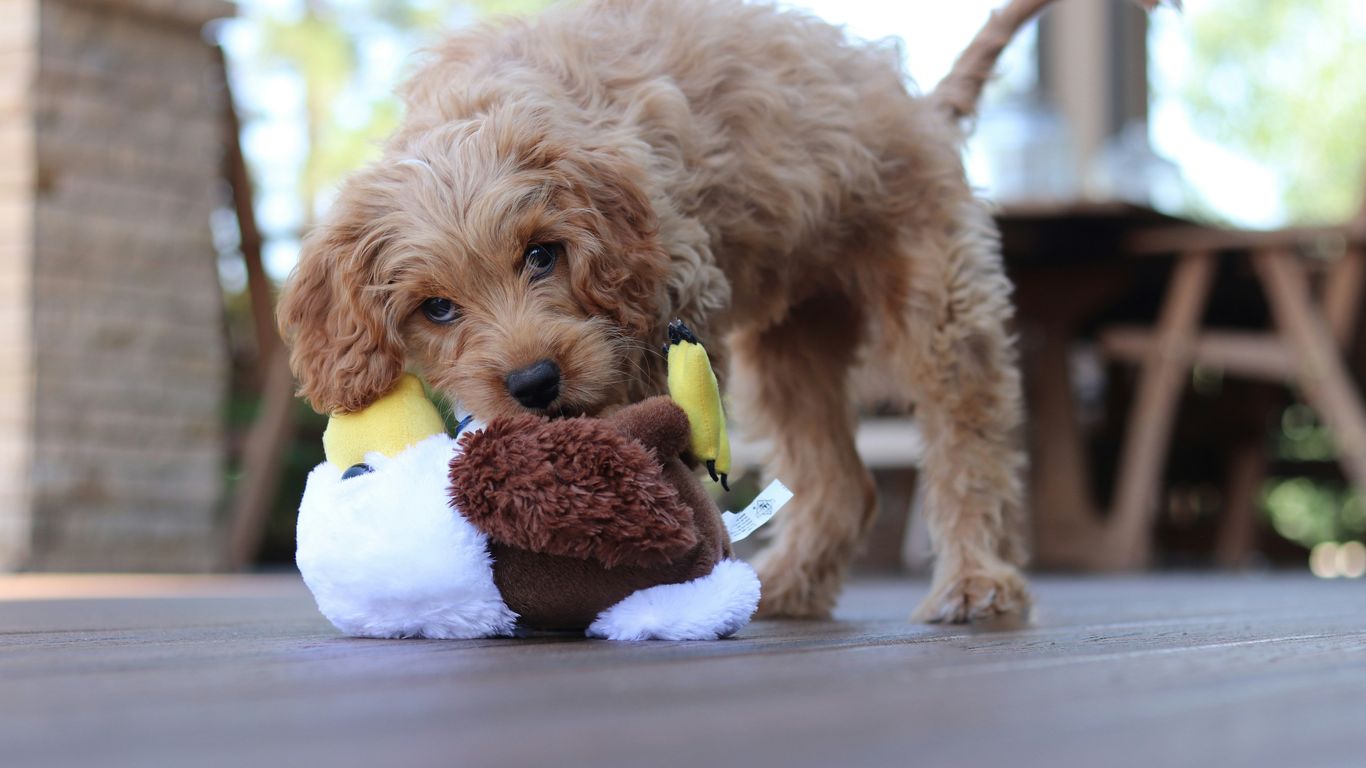
Using toys for training isn’t just about tossing a ball; it’s a whole strategy. Think of it like this: you’ve got a limited supply of awesome, and you want to make sure your puppy really values it. That means keeping those special training toys tucked away when they’re not in use. This way, when they do come out, your pup sees them as super exciting, way more than their everyday chew toys. It keeps the novelty high and the motivation strong.
The Art of Short, Engaging Play Sessions
Forget long, drawn-out training marathons. With toys, you want to keep things snappy and fun. Aim for sessions that last just a few seconds – maybe 3 to 4 seconds of tug, or one quick toss of a ball. After that brief burst of play, the toy disappears. This keeps your puppy eager for more and prevents them from getting bored or overstimulated. It’s all about quality over quantity. Remember, even a few minutes of focused play can be incredibly effective, especially if you’re integrating training into daily routines.
Maintaining Toy Value for Maximum Impact
This is where the magic happens. You want your puppy to think, "Wow, this toy is the best thing EVER!" To do that, you need to be a bit of a showman. When you bring out the training toy, make it exciting! Wiggle it, make funny noises, and generally act a little goofy. Your enthusiasm is contagious. The key is to make the act of playing with the toy the reward itself. So, after a successful ‘sit,’ you don’t just hand over the toy; you engage in a short, spirited game of tug or fetch. This makes the toy feel earned and special.
Consistent ‘Drop It’ for Better Control
Practicing the ‘Drop It’ cue is super important when you’re using toys. It’s not just about getting your puppy to release the toy; it’s about teaching them impulse control. When your puppy has a toy, they’re naturally focused on it. Asking them to let go, even for a second, and then rewarding them (perhaps with another moment of play or a different toy) teaches them that listening to you is more rewarding than holding onto their prize. This consistency builds self-control and makes future training sessions smoother. It’s a win-win: your puppy learns a vital command, and you gain better control during play.
Here’s a quick rundown of how a ‘sit’ and ‘drop it’ sequence might look:
- Have your special training toy ready, but out of sight.
- Ask your puppy to ‘sit’.
- The moment they sit, mark it with a verbal cue like "Yes!" and immediately present the toy for a short play session.
- After 3-4 seconds of play, ask for ‘Drop It’.
- Once they release the toy, make the toy disappear again.
- Repeat the process.
The goal is to create a clear connection: performing the requested behavior leads to a fun, rewarding play session. Keep it brief, exciting, and always end on a positive note, perhaps with a slightly longer play session once the training is done for the day.
Integrating Toys into Foundational Skills
So, you’ve got a handle on the basics of toy training, and your pup is starting to get the hang of it. Now, let’s talk about how to weave those fun play sessions into teaching some really important stuff. Think of it as building a solid foundation, but with a squeaky toy instead of just plain old repetition.
Teaching the Retrieve with Toy Motivation
Getting your puppy to bring things back to you is a classic training goal, and toys make it way more exciting than just asking them to fetch a boring old stick. The key here is to make the toy itself super desirable. Start by making the toy the most interesting thing in the world. You can do this by playing a quick game of tug or tossing it just a short distance. The goal is to build a strong association between the toy, you, and pure joy. When your puppy grabs the toy, immediately praise them and maybe even do a little happy dance. This positive reinforcement makes them want to repeat the action. Gradually, you’ll start asking them to bring it back to you, rewarding them with another quick play session when they do. It’s all about making the return trip as fun as the chase.
Using Toys to Build Drive and Focus
Some pups can get easily distracted, right? Toys can be a fantastic tool to help them zero in and build that inner drive. When you’re working on a skill, like waiting for a cue, you can use a toy as a motivator. Hold the toy, let your puppy see it, and then ask for the behavior. The anticipation of getting to play with that exciting toy can really help them concentrate on what you’re asking. It’s like saying, "Focus on me, and you’ll get this awesome reward!" This method is particularly useful for breeds that naturally have a lot of energy and a desire to work, but it can also help boost the motivation in pups who are a bit more laid back. Remember to keep these sessions short and sweet to maintain that high level of excitement.
The ‘Sit’ and ‘Wait’ with Toy Anticipation
Teaching ‘sit’ and ‘wait’ can sometimes feel a bit like a waiting game for your puppy. But what if that wait was filled with exciting anticipation? Instead of just holding a treat, use a favorite toy. Show your puppy the toy, then ask them to sit. As soon as they sit, reward them with a brief moment of play or a toss of the toy. For the ‘wait’ cue, you can hold the toy just out of reach. Ask your puppy to wait, and the moment they hold still, release the toy for a quick play. This turns a potentially dull exercise into a fun challenge. It teaches them impulse control while keeping their interest piqued. It’s amazing how much faster they learn when they’re eager to get to the payoff.
Building value for toys is a gradual process. Start with short, exciting play sessions. Make sure the toy is something your puppy genuinely loves. If they seem uninterested, try different types of toys or adjust your play style to be more engaging. The more fun they have with the toy during training, the more they’ll want to work for it. Remember, consistency is key, and celebrating small successes will go a long way in building a strong bond with your furry friend.
Here’s a quick look at how toy rewards can speed things up:
| Skill | Traditional Reward | Toy Reward Advantage |
|---|---|---|
| Retrieve | Treat/Praise | Higher engagement, builds drive for the object |
| Focus | Treat | Creates anticipation, channels energy |
| Sit/Wait | Treat | Makes waiting more exciting, increases impulse control |
| Recall | Treat/Praise | More fun, stronger association with owner |
Advanced Toy Training Techniques
Once your puppy has a good grasp on the basics, it’s time to get a little more creative with how you use toys. These advanced techniques can really help shape specific behaviors and build even more focus and drive. It’s about making play a bigger part of your dog’s everyday life, not just during training sessions.
Shaping Behaviors with Toy Lures
Shaping is a training method where you reward small steps toward a desired behavior. With toys, this is super effective. You can use a toy as a lure to guide your puppy into positions or actions. For example, to teach a ‘spin’ or ‘turn’ command, you can hold a favorite toy just out of reach and move it in a circle around your puppy’s head. As they follow the toy, they’ll naturally turn. The moment they complete the turn, you mark it with a cue like ‘yes!’ and give them the toy. This makes the movement rewarding. You can do this for all sorts of things, like getting them to back up, move sideways, or even jump over a small obstacle. It’s all about breaking down the behavior into tiny, achievable steps, with the toy acting as the motivator and guide. Remember to keep the toy visible but not so close that they can just grab it without doing the action.
The ‘Spin Back’ for a Speedy Return
This technique is fantastic for teaching a really quick and enthusiastic retrieve. It builds on the idea of making the toy super valuable. When your puppy grabs the toy, you want them to immediately turn and come back to you. You can start by getting them excited about the toy, then toss it a short distance. As they go for it, make a happy noise or motion to encourage them to bring it back. The ‘spin back’ part happens as they pick up the toy. You can use a quick movement of your own body or a sound to encourage them to pivot quickly and head back your way. The reward is immediate access to the toy and praise. This makes the return trip just as exciting as getting the toy in the first place. It’s a great way to build drive and make sure your puppy is focused on you and the game.
Making Play a Part of Daily Life
Training doesn’t have to stop when the session ends. Integrating play into your daily routine keeps your puppy engaged and reinforces learned behaviors. Think about using a toy as a reward for everyday things, like coming when called to go outside, or settling down calmly after a bit of excitement. You can even use toys to help with impulse control. For instance, before you give your puppy their food bowl, have them do a quick ‘sit’ and ‘wait’ for their toy. This keeps the association of good behavior leading to fun and rewards. It’s about consistency and showing your puppy that good things happen when they listen, and those good things often involve their favorite toys. This approach helps build a strong bond and makes training feel less like work and more like just hanging out with your best friend. If you’re looking for ways to involve younger family members, remember that children can participate in puppy training using positive methods too.
Here’s a quick look at how to integrate play:
- Morning Routine: Use a toy to encourage your puppy to go outside for potty breaks.
- Mealtime: Practice a ‘sit’ and ‘wait’ with a toy before placing their food bowl down.
- Downtime: Reward calm behavior with a short, gentle play session.
- Greeting Guests: Have your puppy retrieve a toy to present to visitors, showing off their skills.
Troubleshooting Toy Training Challenges
Sometimes, even with the best intentions and the coolest toys, training just doesn’t go as planned. It happens to everyone, so don’t get discouraged! A lot of the time, it’s just a matter of figuring out what’s not clicking and making a small adjustment. We’ll look at some common hiccups and how to get past them.
Encouraging Puppies Unmotivated by Toys
It can be a bit baffling when your puppy just isn’t into toys. Maybe they prefer sniffing around, or perhaps they just seem generally uninterested in playing. This is more common than you might think, especially with puppies who haven’t had much exposure to play or who have different natural drives. The key here is to find what does motivate them and build from there. It might not be a squeaky ball, but maybe a crinkly bag, a piece of rope, or even just a happy voice and a good scratch.
- Start Small: Don’t pull out the most expensive toy right away. Try a simple, inexpensive item like a rolled-up sock or a small, soft rope. See if they show any interest in batting at it or gently mouthing it.
- Observe Their Natural Interests: Does your puppy love to chase things? Do they enjoy digging? Try to find a toy that mimics something they already find interesting. For example, a toy that wiggles or bounces might catch the eye of a chase-driven pup.
- Make it a Game, Not a Chore: Instead of just presenting the toy, try making it move erratically. Wiggle it, drag it on the floor, or hide it briefly. The movement itself can spark curiosity. Remember, training a stubborn puppy often requires patience and trying different approaches.
- Introduce Other Pups (Carefully): Sometimes, seeing other dogs play can encourage a less-motivated pup to join in. If you have a friend with a playful, well-socialized dog, a supervised playdate might spark some interest.
Managing Over-Excitement During Play
On the flip side, some puppies get too excited during toy play. This can look like nipping, jumping, or not being able to settle down afterward. While enthusiasm is good, it needs to be channeled correctly so it doesn’t become a problem behavior. We want them to be engaged, not out of control.
- Keep Sessions Short and Sweet: If your puppy is getting too worked up, end the play session before they reach that point. A quick 30-second burst of tug-of-war followed by a calm cue like ‘enough’ can be more effective than a long, chaotic session.
- Teach ‘Calm’: After a short play session, ask for a simple behavior like ‘sit’ or ‘down’ and reward them with calm praise or a gentle pet. This helps them learn to transition from high energy to a relaxed state.
- ‘Drop It’ is Your Best Friend: If play gets too intense, or if they start to mouth your hands, a solid ‘drop it’ cue is invaluable. Practice this frequently, even when they aren’t over-excited, so it’s reliable when you need it.
When a puppy is over-excited, it’s often because they haven’t learned how to regulate their own energy. Our job is to help them learn that calm behavior is also rewarding and that play has clear boundaries.
When to Seek Professional Guidance
Most training challenges can be overcome with a bit of persistence and the right strategies. However, there are times when it’s best to call in a professional. If you’re dealing with aggression, extreme fear, or if you’ve tried everything and are still stuck, a qualified dog trainer or behaviorist can offer personalized advice and support. They can assess your specific situation and provide tailored solutions that you might not have considered. Don’t hesitate to reach out; it’s a sign of responsible pet ownership to seek help when needed.
Having trouble with your furry friend’s training? Don’t let common issues like chewing or barking get you down. Many training challenges can be overcome with the right approach. If you’re looking for effective ways to teach your dog new skills and solve behavioral problems, check out our website for expert advice and resources. We can help you build a stronger bond with your pet and achieve training success.
Keep the Fun Going!
So, using toys for training isn’t just about getting your puppy to listen; it’s about building a stronger bond and making learning enjoyable for both of you. Remember to keep those training toys special and put them away when not in use, so they stay exciting. Mix up the types of toys you use and pay attention to what your dog really goes wild for. Short, fun play sessions are key to keeping your puppy engaged and eager to learn. By making training a game, you’ll find your puppy picks things up faster and you’ll both have a blast doing it. Happy training!
Frequently Asked Questions
Why should I use toys for training instead of just treats?
Toys and play can be super effective for training, especially if your puppy isn’t super excited about food. Playing together builds a really strong connection between you and your dog, and honestly, it’s just more fun for everyone involved! Plus, it’s a great way to train if you want to cut back on giving too many treats.
How do I make sure my puppy stays interested in the training toys?
To keep your puppy excited about training toys, don’t leave them lying around all the time. Keep a few special toys just for training sessions and put them away when you’re not using them. This makes the toys feel special and new each time you bring them out for training, so your puppy will value them more.
What are some good types of toys to use for training?
It really depends on what your puppy likes! Some dogs love tug toys, others prefer toys they can fetch, and some go crazy for squeaky toys. It’s a good idea to try out different kinds to see what gets your puppy most excited. Toys that can be used for both tugging and fetching, or that have a squeaker, can be extra useful.
How long should training sessions with toys be?
Keep training sessions short and sweet! Aim for just a few seconds of play, like a quick game of tug or one toss of a ball. This helps keep your puppy focused and makes sure they are getting a high rate of rewards. After the short bursts, you can end the session with a longer, fun play time.
My puppy isn’t very motivated by toys. What can I do?
It’s possible to teach your puppy to enjoy toys more! You need to make play really exciting and fun. Act a little silly, be energetic, and show your puppy how much fun you’re having. If you’re enthusiastic about the toy, your puppy is more likely to get excited about it too.
How do I teach my puppy the ‘Drop It’ command using toys?
Playing tug is a perfect time to practice ‘Drop It.’ When you say the command, your puppy should let go of the toy. Being consistent with this cue helps your puppy learn self-control, which makes toy training much smoother and faster. Always reward them with praise or a quick bit of play after they drop it.