
Bringing a new puppy home is exciting, but it can also feel a bit overwhelming—especially when you’ve got kids in the mix. The good news is, puppy training for kids doesn’t have to be complicated or stressful. In fact, getting your children involved in the process can be a lot of fun for everyone. With some planning, a few simple tools, and a playful attitude, your kids can help teach your puppy good habits and build a strong bond along the way. Let’s break down some easy ways to make puppy training a family affair.
Key Takeaways
- Set up safe spaces at home so both kids and puppies can relax and play without worry.
- Keep training positive and use lots of treats and praise—kids love rewarding good behavior just as much as puppies do.
- Make sure everyone in the family uses the same simple commands to avoid confusing your puppy.
- Give kids specific, age-appropriate training jobs so they feel involved and confident.
- Turn training into short, fun games to keep both kids and puppies interested and happy.
Setting Up a Safe and Fun Training Environment
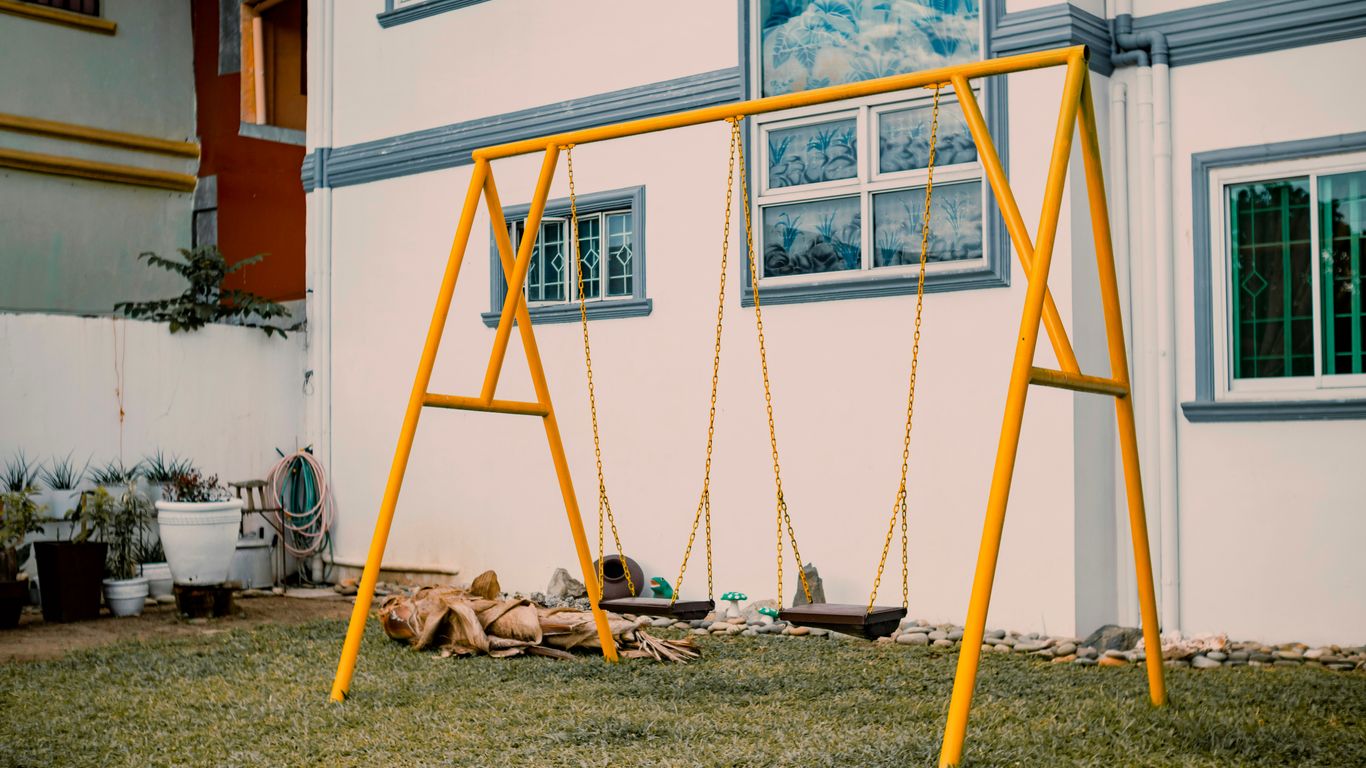
Setting up a safe space for a puppy and children isn’t just about rules—it’s about making daily life smoother for everyone. Kids can learn right alongside their new pup and help out from the very start. Creating a place where both can play, relax, and learn makes training so much easier.
Puppy-Proofing Your Home Together
Kids can lend a hand in making the house safe. Getting down on all fours with your child to spot "puppy dangers" is honestly a pretty fun way to start. Together, search for things a dog might chew or swallow—wires, remotes, shoes, stray crumbs under the table. Here are some steps:
- Walk from room to room and pick up anything small or chewable
- Use storage bins for toys the puppy shouldn’t reach
- Check that cleaning supplies and medicine cabinets are shut tight
- Look for loose cords, charging cables, or anything dangling off tables
Sometimes, lowering the bar for what a puppy can get into lets you relax and enjoy those first weeks at home. Mistakes are less stressful when you’ve prepared for them.
Creating Zones for Kids and Puppies
Setting up areas where kids or puppies can take breaks actually helps keep things peaceful. Use blankets, beds, or even a "fort" for the puppy’s spot. Have a toy basket just for the kids so their blocks and favorite things stay safe. Zones matter because, honestly, everyone needs a little alone time—kids and dogs both.
A quick table for common kid and puppy zones:
| Zone Type | Who It’s For | Items to Include |
|---|---|---|
| Puppy Zone | Puppy | Bed, chew toys, water bowl |
| Kid Zone | Kids | Toy box, books, art supplies |
| Shared Play Area | Kids & Puppy | Plush toys, balls, floor mat |
Using Gates, Pens and Management Tools
Sometimes, you simply can’t keep an eye on both a toddler and a bouncing pup. Using simple management tools like baby gates or playpens lets you relax a lot more. These can split a room in half, block a hallway, or even close off a whole area for quiet time. Try these tools:
- Baby gates to keep puppies out of the kitchen or away from stairs
- Playpens for giving your puppy a safe play area when you’re busy
- Closed doors for nap time or when the puppy needs downtime
Setting up the right environment from the start will help your puppy feel calm and your kids have fun—they’ll even see training as a family activity. For a playful approach that helps keep dogs engaged and confident, it’s worth looking into positive puppy training ideas, especially those that work for all age groups.
Getting Everyone Involved in Puppy Training for Kids
Getting kids involved in puppy training really turns it into a family adventure. When everyone joins in, it keeps things simpler for the puppy and easier for the grownups—no confusion, just teamwork. Here’s how you can pull everyone together:
Making Training a Family Project
Invite each family member to take part, no matter their age. Assigning everyone a daily or weekly task with your puppy means no one gets left out and helps keep routines in place. Even young children can help by practicing commands they feel confident saying, or timing training sessions with a kitchen timer. The fun part is, training together doesn’t feel like work—it quickly becomes a group activity that strengthens bonding between everyone in the house.
- Hold quick family meetings to set training goals: maybe sit for one week, then down the next.
- Rotate who leads the session, so kids see their contributions matter.
- Keep things relaxed—laugh about mistakes and celebrate progress together.
Sharing the wins (like your puppy finally sitting when asked) makes all the effort worth it. These little victories are everyone’s to enjoy.
Ensuring Consistency With Commands
Puppies learn best when everyone uses the same words and hand signals. If family members use different words for the same behavior, it gets confusing and slows your puppy down. Pick your cues—like “sit” or “down”—and write them on a whiteboard or sticky note near the training area. That way, nobody forgets. Some families make it more fun by letting kids create their own word for a trick, as long as everyone agrees and sticks to it. Investing a little time in this keeps things smooth and avoids mishaps later.
| Command | Family Word | Hand Signal |
|---|---|---|
| Sit | Sit | Palm facing up |
| Down | Down | Palm to the floor |
| Come | Come | Open arms wide |
Assigning Kid-Friendly Training Tasks
Kids often love responsibility, so give them clear, age-appropriate jobs:
- Reward the puppy with treats after a successful command.
- Practice recall by calling the puppy’s name across the room.
- Time how long the puppy can stay in a sit or down.
- Fill in a progress chart with stickers or smiley faces.
- Remind adults and siblings to stay positive and use the right words.
For extra structure, you might check out structured programs like the Puppy Coach Program since it offers step-by-step guides designed for families, making it less stressful for everyone.
Bringing all hands on deck means there’s less chance for confusion and way more chances for everyone—kids included—to experience that great big “we did it!” moment. It’s not just about teaching tricks; it’s about having fun together as a family.
Using Positive Reinforcement Techniques
Positive reinforcement is at the heart of successful puppy training with kids. When children learn how to use rewards, praise, and encouragement, both they and the puppy will get more out of every training session. Let’s talk about how to make this work in a real family setting.
Choosing Kid-Appropriate Treats and Rewards
Picking the right rewards keeps training fun and safe:
- Use tiny bits of soft food, like cut-up cheese or boiled chicken. It shouldn’t take long for a puppy to eat.
- Involve your child in choosing treats that are gentle on a puppy’s stomach and easy for little hands to deliver.
- Not everything has to be edible! Throwing a ball or giving a quick cuddle can be just as motivating as food for some puppies.
| Type of Reward | Example | When to Use |
|---|---|---|
| Food | Cheese, kibble, treats | Teaching new skills |
| Toys | Tug toys, balls | For short games after success |
| Praise | "Good pup!" pats | Every time the puppy listens |
| Playtime | Quick fetch, chase | Between practice sets |
Teaching Kids to Mark and Reward
Kids may struggle to time their praise just right, but with practice, they learn fast. Teach them to use simple, clear words like “Yes!” the moment the puppy gets it right. Right after the marker, the reward follows:
- Watch for the behavior you want (a sit, a stay, etc).
- Say your marker word.
- Give the treat or chosen reward.
Practicing this together can really help build trust between kids and puppies, making training smoother.
Not every puppy or child will catch on at the same speed, so start easy and celebrate small wins. For more on rewarding progress, see these positive reinforcement tips.
Modeling Positive Interactions
The way adults interact with the puppy sets an example. Kids pay attention, whether you notice or not! Show clear, gentle handling and keep corrections low-key.
- Reward calm behavior in both kids and puppies.
- Rather than reacting to mistakes, focus on what’s done right. If the puppy jumps, for example, ignore the jump and praise sitting behavior.
- Show your child how to keep training upbeat, avoiding negative words like "no" during sessions unless really necessary.
Training with positive reinforcement isn’t just about treats—it’s how your family, including your kids, can shape a puppy’s behavior in a way that sticks. When everyone gets into the habit of praising and rewarding, your puppy will be eager to learn, and your children will feel successful, too.
Teaching Kids Simple and Effective Puppy Commands
Kids don’t need to know complicated techniques to help train a puppy. There are a few simple commands that are easy for children to learn, fun to practice, and super useful for daily life with a dog. When children learn how to give clear commands, it builds trust and communication with their puppy.
Practicing Recall Skills Together
Recall—getting your puppy to come when called—is one of the best places to start. Here’s how you can make it a team effort:
- Everyone grabs a small pouch with a mix of your puppy’s kibble and a few yummy treats (bits of cheese or cooked chicken work well).
- Take turns calling the puppy to you, using the same command each time (like “Come!” or the puppy’s name). Try to sound upbeat and happy.
- The second the puppy comes over, say your marker word (like “Yes!”) and give a treat or a quick game with a toy.
- If you have more than one kid, have them spread out and keep practicing, slowly adding more space between each other as your puppy gets better.
Keeping everyone enthusiastic makes recall training feel more like an actual game than a chore. Puppies can catch on quickly when kids compete for their attention with silly voices and big praise.
Introducing Sit and Stay Games
Teaching your puppy to sit and stay is not just useful, it’s often a kid’s favorite command because it looks impressive. Here’s a simple way to teach it:
- Hold a treat above the puppy’s nose.
- Kids can lift the treat upwards slowly until your puppy’s bottom naturally drops into a sit.
- The moment the puppy sits, use your marker word (“Yes!”), and hand over the treat.
- For “stay,” tell your puppy to sit, then hold your hand out in a stop signal while saying “stay,” count to two, and then reward if your puppy doesn’t move. Gradually add more time and distance.
Here’s a quick reference table:
| Command | How to Teach | Kid’s Role |
|---|---|---|
| Come (Recall) | Say name, reward when comes | Call puppy |
| Sit | Lure with treat, reward sit | Lead with treat |
| Stay | Use hand signal, add reward | Time the "stay" |
For more tips, basic training techniques can keep you on track during sit and stay sessions.
Encouraging Polite Greeting Behavior
One thing a lot of families struggle with is a puppy that jumps up on people. Kids can help curb this by rewarding calm greetings:
- Have children stand still like a tree if the puppy jumps.
- Encourage kids to only give attention (and perhaps a treat) when the puppy has all four paws on the ground.
- Practice greeting each other at the door, rewarding your puppy for sitting or staying calm.
If you make a point to guide both your puppy and your kids, they’ll both learn how to approach each other politely. It doesn’t have to be picture-perfect; consistency and lots of praise are what matter most.
Making commands simple and rewarding keeps everyone motivated to repeat good behavior. The more often your puppy gets it right, the more those good habits will stick with them—and your kids will love seeing their dog respond to their cues.
Helping Kids Understand Puppy Body Language and Boundaries
Kids and puppies naturally want to play together, but they don’t always speak the same language. If you help your kids learn what your puppy’s trying to say with its body, everyone can have a much better time. Learning what a puppy is telling you helps keep both your children and your pup safe.
Recognizing When Puppies Want Space
It’s not always obvious when a puppy needs a break. Sometimes they show it with small signals: turning their head away, yawning when not tired, or even licking their lips. Here are some common body language signs to teach your kids:
- Tail tucked between the legs
- Ears pinned back
- Hiding under furniture or in corners
- Moving away or wiggling out of arms
If you notice any of these, it’s time to let the puppy have some space.
Understanding puppy signals is one of the simplest ways to avoid accidents and help your puppy trust the family more.
Teaching Respectful Cuddle Time
A lot of children want to snuggle their puppy all the time, but not every moment is right for a cuddle.
- Always call your puppy over and let it come to you, rather than chasing after the pup for hugs or kisses.
- If the puppy moves away, your child should let it go—no grabbing or forcing.
- Teach your kids to be gentle: soft petting, not rough, and using their inside voice.
You might even set a special cuddle spot and time, like before bedtime, for short and calm snuggles. This helps puppies learn that affection is safe, but also that they can choose when they want closeness.
Managing Food, Toys, and Play
Kids need to know not to disturb a puppy during mealtimes or when the puppy is resting. Setting up clear family rules will help:
- Don’t touch or take the puppy’s food while it’s eating.
- Stay away from the puppy’s favorite toys, especially if the puppy is playing alone.
- Never try to retrieve toys from inside the puppy’s crate or pen.
A quick reference can keep things clear for everyone:
| Activity | Kid’s Rule |
|---|---|
| Puppy eating | Let the puppy eat in peace |
| Puppy sleeping | Don’t wake or poke the puppy |
| Puppy has a toy | Don’t grab the toy, offer a trade |
| Puppy in crate | Leave the puppy alone |
Children should always follow simple interaction rules with puppies, like using gentle voices and respecting when the puppy just wants a break.
Puppy training really is about respect and paying attention. The more you help your kids notice how the puppy feels, the easier (and safer!) it is for everyone to live and play together. Little steps like these go a long way to creating a relaxed and loving home for dogs and kids alike.
Making Puppy Training for Kids a Game
Sometimes the best way to get kids excited about puppy training is to turn the whole process into a series of games. Kids thrive on fun and a little bit of challenge. When training feels like playtime instead of a strict lesson, young trainers stay interested, and so do puppies. Here’s how to turn ordinary training routines into something your kids look forward to every day.
Turning Training into Fun Challenges
- Use simple games, like “race to sit” or “quickest to recall,” where both the puppy and the kids try to beat their own times each session.
- Let kids create their own obstacle courses with things you already have at home, such as pillows or chairs, and see if the puppy can weave through or jump over each one.
- Try household adventure games—something like the “What’s That?” game described in engaging your dog with new objects—where your puppy and child investigate safe, everyday objects together for treats.
Celebrating Successes With Kids
- Keep a training sticker chart on the fridge for every new skill your puppy learns, and let kids add a sticker each time.
- Make a big fuss when things go right: clapping, dancing, or ringing a little bell, so both your child and puppy share the win.
- Host a silly "graduation ceremony" every month, where the puppy gets a new bandana or toy, and your child gets a certificate they made.
| Training Goal | How Kids Can Celebrate |
|---|---|
| Puppy sits on command | Sticker to the reward chart |
| Puppy comes when called | High-five and a treat parade |
| No nipping for a week | Extra walk or play session |
Keeping Sessions Short and Exciting
- Always end training while the puppy and your child are still having fun—leave them wanting more instead of dragging it out.
- Mix in quick play breaks and encourage your child to use their favorite toy as a reward.
- Set a timer for 5-10 minutes and challenge kids to see how much they can teach the puppy in that time.
By making every training session a little adventure, you’ll notice that kids stay more interested, and puppies learn faster. The secret is keeping things upbeat and rewarding—because when it feels like a game, everyone wins.
Encouraging Lifelong Learning and Responsibility
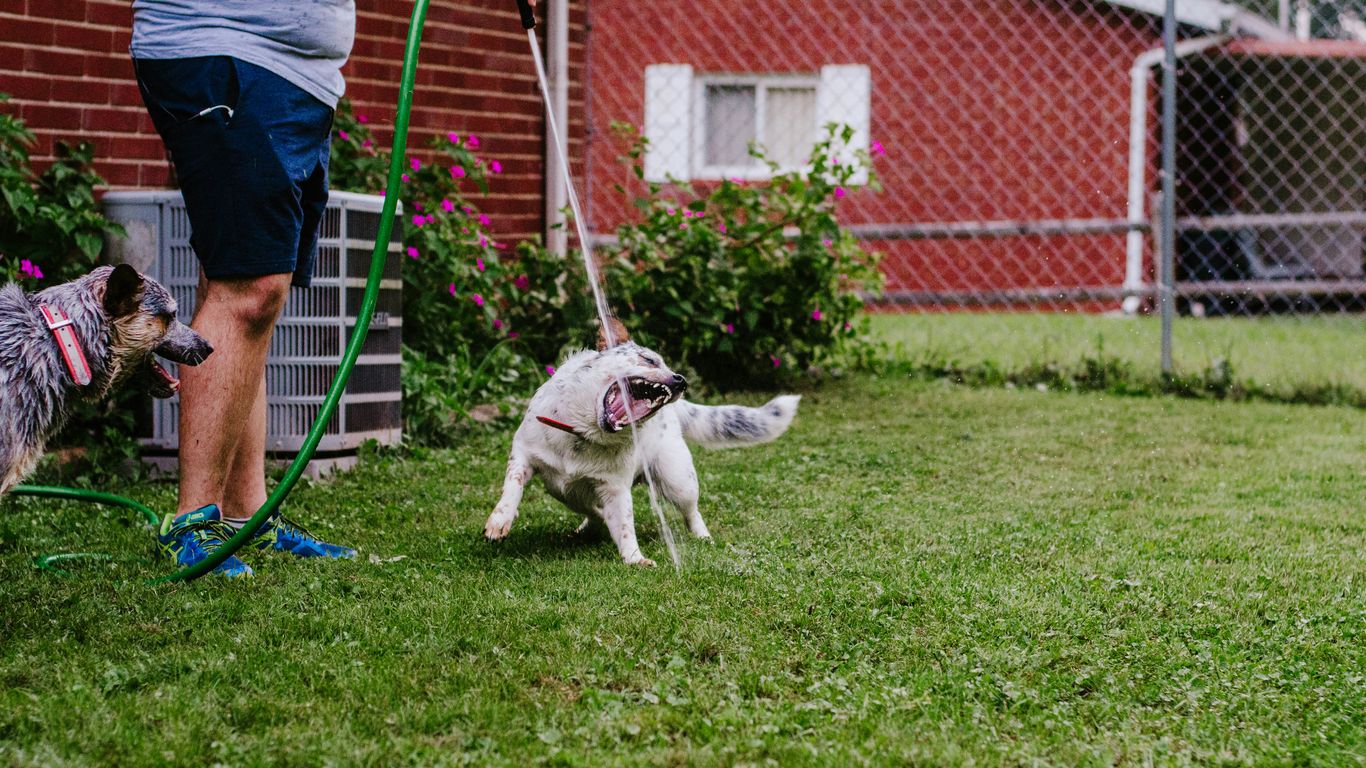
Teaching kids how to help with puppy training isn’t just about those first few sit or stay commands. It’s about setting up habits that stick well beyond the puppy stage. Giving children a sense of responsibility with their puppy helps shape skills they’ll carry for life.
Tracking Progress With Reward Charts
Reward charts are a simple but motivating way to show kids (and grown-ups) how far they’ve come. Instead of leaving training days up in the air, try putting together a basic table like this:
| Date | Training Task | Kid’s Name | Puppy’s Success? |
|---|---|---|---|
| 10/5/2025 | Practice “Sit” | Mia | Yes |
| 10/6/2025 | Leash walking | Ethan | No |
| 10/7/2025 | “Stay” at mealtime | Mia | Yes |
- Let kids add stickers, checkmarks, or smiley faces.
- Celebrate streaks of good days together.
- Have a mini-reward when both dog and child meet a weekly goal (like extra story time).
This approach gets everyone involved and keeps both wins and slip-ups in perspective.
Success isn’t about being perfect each day—it’s about noticing growth, together.
Participating in Junior Showmanship and Dog Sports
If your child is extra excited about working with the puppy, look into junior showmanship events or beginner-friendly sports, like agility and rally. These activities teach not just skills but teamwork and dedication. Plus, it gives kids a sense of accomplishment as they see their progress over time.
- Kids ages 9-18 can join junior handling programs.
- Other sports like obedience or tracking are open to all ages.
- Competitions often focus more on the teamwork between dog and child, not just perfect technique.
Getting involved in these kinds of programs can even spark a lifelong interest in animal care. It helps children develop empathy, responsibility, and trustworthiness, which you can read more about in how kids and pets build life skills.
Building Confidence and Bonding as a Family
Responsibility grows through little moments—feeding the puppy before school, practicing a quick game after dinner, or just noticing when the puppy seems tired or excited. Every time a child makes a good decision with the puppy, it boosts their confidence.
Here’s how families can keep building this bond:
- Keep tasks age-appropriate—let the youngest help fill the water bowl, while older kids handle walking.
- Have regular family “puppy check-ins” to share what’s going well or what needs work.
- Encourage older siblings to model calm, gentle play for the younger ones.
It’s not about doing it perfectly. The point is to keep showing up and learning together—even when it gets a little messy. That’s what makes puppy training with kids rewarding for everyone.
Learning never really stops, and being responsible for your dog’s growth is a journey you can enjoy together. If you want easy steps and helpful tips to guide your dog at every age, visit our website. Start building good habits now to make your dog’s life happier and healthier!
Wrapping It Up
Getting kids involved in puppy training doesn’t have to be complicated or stressful. In fact, it can be a lot of fun for everyone. When you keep things simple, use lots of treats and praise, and focus on short, positive sessions, kids and puppies both learn faster. Remember, it’s not about being perfect—it’s about making memories and building a good relationship between your child and your dog. Mistakes will happen, but that’s okay. Just keep things light, be patient, and celebrate the small wins. Before you know it, your kids will be teaching your puppy new tricks, and you’ll have a happy, well-behaved dog that the whole family can enjoy.
Frequently Asked Questions
How can I make puppy training fun for my kids?
Turn training into a game! Use treats, praise, and short games to keep both your puppy and your kids interested. Celebrate small wins and keep sessions short so nobody gets bored or frustrated.
What are some easy commands kids can teach a puppy?
Kids can start with simple commands like ‘sit,’ ‘stay,’ and ‘come.’ Games like recall (calling the puppy to come) and polite greetings (sitting before saying hello) are perfect for young trainers.
How can I help my child and puppy get along safely?
Set up safe zones using baby gates or playpens so both kids and puppies have their own spaces. Teach your child to respect the puppy’s need for space, especially around food, toys, and when the puppy is resting.
What rewards work best for puppy training with kids?
Small, soft treats work great because they’re easy for kids to handle and puppies love them. You can also use bits of cheese, cooked chicken, or even your puppy’s regular kibble mixed with special treats. Praise and playtime are also good rewards.
How do I teach my kids to use positive reinforcement?
Show your kids how to reward the puppy when it does something right. Use a happy word like ‘Yes!’ or a clicker, then give a treat right away. Remind them to ignore mistakes and only reward good behavior.
What should I do if my puppy or child gets frustrated during training?
If anyone gets frustrated, it’s best to take a break. Training should always be fun and positive. Keep sessions short—about 15-20 minutes—and end on a good note with lots of praise and maybe a quick play session.