
Winter training can feel like a drag, right? It’s easy to want to just hibernate when it’s cold and dark outside. But sticking with your fitness goals during these months is actually super important if you want to be ready for spring races or just feel good. This article is all about how to make Seasonal and Weather-Specific Training work for you, no matter what the weather throws your way. We’ll cover getting the right gear, changing up your workouts, staying motivated, eating right, and building that mental toughness. Let’s get through winter strong!
Key Takeaways
- Invest in proper gear like moisture-wicking base layers, insulating layers, and reflective clothing to stay safe and comfortable during outdoor winter workouts.
- Adapt your training by using indoor alternatives like stationary bikes or virtual platforms when weather conditions are too harsh, and be flexible with outdoor plans.
- Maintain motivation by setting small, achievable goals, visualizing your progress, and rewarding yourself for sticking to your routine.
- Adjust your nutrition and hydration for cold weather demands, remembering that you still lose water through sweat and need adequate calories for energy.
- Build mental toughness by embracing winter challenges as opportunities for growth, developing resilience, and maintaining a proactive approach to your fitness.
Equipping Yourself for Seasonal and Weather-Specific Training
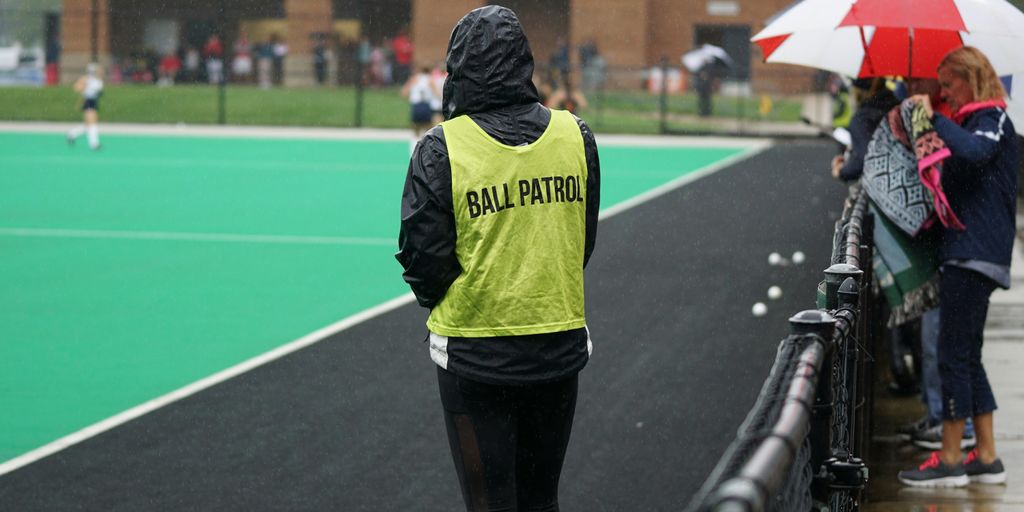
Getting ready for training when the weather isn’t cooperating can feel like a big hurdle. But honestly, having the right gear makes a world of difference. It’s not just about comfort; it’s about staying safe and actually being able to get your workout done without feeling miserable.
Investing in Essential Winter Endurance Training Gear
When it comes to winter, layering is your best friend. Start with a good base layer that pulls sweat away from your skin. Nobody likes feeling clammy and cold, right? Then, add an insulating layer for warmth, and finally, a windproof or water-resistant outer shell to block out the elements. Don’t forget your extremities – good gloves, warm socks, and a hat are non-negotiable. I’ve found that handlebar mitts, sometimes called pogies, are a game-changer for cycling in really cold weather; they keep your hands toasty. And for those dark mornings or evenings, make sure you’re visible with reflective gear and lights. It’s a simple step that can prevent a lot of trouble.
Prioritizing Hydration in Colder Climates
It’s easy to forget about drinking enough when it’s cold out. You’re not sweating as much, or at least it doesn’t feel like it. But the air is often drier in winter, and you’re still losing fluids. Staying hydrated is just as important in the cold as it is in the heat. Keep a water bottle handy and sip from it regularly, even if you don’t feel thirsty. Your body needs it to function properly, especially when you’re working hard.
Leveraging Light to Combat Winter Blues
Less daylight can really mess with your mood and energy levels. It’s a real thing, sometimes called the winter blues. To fight it, try to get outside during daylight hours when you can, even for a short walk. Open your curtains wide during the day to let in as much natural light as possible. Some people even find a light therapy lamp helpful. It’s all about trying to keep your body’s natural rhythms in sync when the sun seems to be hiding.
Making small adjustments to your gear and habits can make a huge difference in how you feel and perform during winter training. It’s about being prepared and smart, not just toughing it out.
Adapting Workouts for Diverse Weather Conditions
When the weather throws a curveball, sticking to your fitness plan can feel like a real challenge. But honestly, it’s all about being smart and flexible. You don’t have to let a little rain, extreme heat, or freezing temperatures derail your progress.
Modifying Training Plans for Seasonal Changes
Think of your training plan like a living thing – it needs to adjust with the seasons. If it’s scorching hot outside, maybe that long afternoon run needs to become an early morning jog or an indoor session. For winter, when daylight is scarce and it’s cold, you might swap some outdoor activities for indoor ones. It’s not about stopping; it’s about changing how you do things.
- Adjust Intensity: High heat or extreme cold can make your body work harder. You might need to dial back the intensity or duration of your workouts.
- Timing is Key: For hot weather, aim for early morning or late evening workouts. In winter, find the warmest part of the day for outdoor sessions.
- Listen to Your Body: This is the most important part. If you feel overly fatigued, dizzy, or unwell, stop. Pushing through in bad conditions can lead to injury or illness.
Adapting your routine doesn’t mean you’re slacking off; it means you’re training smarter and staying safe. It’s about making sure your body can handle the conditions without unnecessary strain.
Utilizing Indoor Training Alternatives Effectively
Indoor training isn’t just a backup; it can be a powerful tool. Gyms offer treadmills, stationary bikes, and weight machines. Home workouts can be just as effective with bodyweight exercises, resistance bands, or online classes. If you’re a cyclist, a smart trainer can simulate outdoor rides, complete with virtual courses and other riders. For runners, treadmills offer a controlled environment to work on speed or endurance. Don’t forget about activities like swimming or indoor climbing, which provide a great full-body workout.
Embracing Cross-Training Opportunities
Cross-training is fantastic for keeping things interesting and working different muscle groups. When the weather is bad for your primary activity, try something new. If you’re a runner, maybe try swimming or cycling indoors. If you’re a cyclist, perhaps some strength training or yoga would be beneficial. This variety can help prevent overuse injuries and improve your overall athleticism. It’s a great way to build a more resilient body and mind, ready for whatever the weather brings. You can find some great workout ideas at DAREBEE fitness.
Maintaining Motivation Through Seasonal Shifts
It’s easy to feel a bit deflated when the weather turns, right? The days get shorter, the air gets colder, and suddenly that outdoor run or bike ride feels a lot less appealing. But keeping up with your fitness during these times is super important for staying healthy and feeling good. The key is to adjust your mindset and your routine.
Setting Achievable Goals for Winter Fitness
When it’s cold and dark, aiming for the same intensity or duration as you did in summer might just set you up for disappointment. Instead, let’s think about what’s realistic and still beneficial. Maybe your goal isn’t to break personal records, but to simply maintain consistency. Think about showing up for your workouts, even if they’re shorter or less intense. Setting smaller, more manageable goals can make a big difference. For example, instead of "run 10 miles," try "run 3 miles, three times this week." Or, "complete 30 minutes of strength training twice this week." These kinds of targets feel much more doable when motivation is low.
Here’s a simple way to break it down:
- Week 1: Focus on consistency – aim for 3 workouts, whatever the duration.
- Week 2: Increase duration slightly or add one extra workout.
- Week 3: Introduce a new type of exercise or a slightly higher intensity.
- Week 4: Maintain the progress and assess how you feel.
Visualizing Progress and Celebrating Milestones
It’s easy to feel like you’re not making progress when the visible changes aren’t as dramatic as in warmer months. That’s where visualization comes in. Take a moment each week to think about what you have accomplished. Did you get out in the rain? Did you push through a tough indoor session? Acknowledge those efforts! Keeping a simple training log can be really helpful here. Just jotting down your workouts and how you felt afterward provides a tangible record of your commitment. When you hit a small goal, like completing all your planned workouts for a week, give yourself a little reward. It doesn’t have to be big – maybe it’s a new pair of cozy socks, a favorite healthy snack, or just an extra hour to relax. These small celebrations keep the momentum going.
Sometimes, the biggest win is simply showing up. Don’t underestimate the power of consistency, even when it feels like a struggle. Every workout completed is a step forward, building a foundation for when the weather improves.
Finding Community in Group Fitness Classes
Working out alone can be tough when you’re feeling the seasonal slump. That’s where the power of community really shines. Joining group fitness classes, whether they’re indoors or even organized outdoor meetups (weather permitting!), can be a game-changer. You’re surrounded by other people who are also pushing themselves, and there’s a shared energy that’s hard to replicate on your own. Plus, the fixed schedule of a class can provide that extra bit of accountability. Knowing others are expecting you makes it harder to skip. Look for classes that offer variety, like spinning, yoga, circuit training, or even a running club that meets indoors during bad weather. The social aspect alone can be a huge motivator, turning a potentially solitary struggle into a shared, more enjoyable experience.
Optimizing Performance with Seasonal Nutrition and Recovery
When the weather turns cold, what you eat and how you recover become even more important for staying strong and healthy. It’s not just about pushing through the workout; it’s about fueling your body right and giving it the downtime it needs to bounce back.
Adapting Nutrition for Cold Weather Demands
Think of your body like a car in winter – it needs a bit more fuel to keep running smoothly when it’s chilly. You don’t need to go overboard, but focusing on nutrient-dense foods is key. Warm, hearty meals like soups, stews, and chili packed with veggies and lean protein are great choices. They not only warm you up but also provide the vitamins and minerals your body needs to fight off colds and keep your energy levels up. Don’t forget about hydration, either. Even though you might not feel as thirsty in the cold, the dry air can still dehydrate you. Keep sipping water throughout the day.
- Prioritize whole foods: Stick to unprocessed ingredients for maximum nutrient intake.
- Increase healthy fats: Foods like avocados, nuts, and seeds can help keep you warm and satisfied.
- Consider Vitamin D: With less sunlight, a supplement might be a good idea to support your immune system.
Eating well in winter isn’t about restriction; it’s about smart choices that support your body’s increased needs. Focus on warmth, nutrients, and consistent hydration.
Implementing Proper Warm-ups and Cool-downs
Getting your body ready before exercise and helping it wind down afterward is super important, especially when it’s cold. A good warm-up gets your blood flowing and prepares your muscles, reducing the chance of pulling something. Think dynamic stretches like leg swings or arm circles.
After your workout, a cool-down helps your heart rate return to normal gradually. Gentle stretching can help keep your muscles from getting too tight. It might seem like extra time, but it really makes a difference in how you feel and perform.
Prioritizing Recovery for Consistent Progress
Recovery is where the real gains happen, and winter is no different. Your body works hard during workouts, and it needs time to repair and get stronger. This means getting enough sleep is non-negotiable. Aim for 7-9 hours a night. Also, listen to your body; if you’re feeling overly tired or sore, it’s okay to take an extra rest day or do a lighter activity.
- Sleep: Aim for 7-9 hours of quality sleep each night.
- Active Recovery: Light activities like walking or gentle yoga can help blood flow and reduce soreness.
- Listen to your body: Don’t push through significant pain or fatigue; adjust your training as needed.
Making these nutrition and recovery habits a regular part of your winter routine will help you stay on track and continue making progress, no matter the weather outside.
Building Mental Toughness for Seasonal and Weather-Specific Training
Let’s be real, training through the winter or really any kind of rough weather can be a drag. It’s easy to just want to stay inside where it’s warm and comfortable. But pushing through those less-than-ideal conditions is where you really build grit. It’s not just about the physical challenge; it’s about proving to yourself that you can stick with it, even when every fiber of your being wants to quit.
Developing Resilience Against Winter Challenges
Winter weather often throws curveballs, from unexpected snowstorms to bone-chilling winds. Instead of seeing these as reasons to skip a workout, try to reframe them. Think of each challenging session as a chance to prove your commitment. The mental fortitude you build during these tough times will serve you well in all aspects of your life. It’s about showing up, even when it’s dark and cold, and getting the job done. This builds a kind of resilience that’s hard to develop when the weather is always cooperating. Remember, even short, intense sessions can be effective when conditions are poor. Focusing on what you can control, like your effort and attitude, is key.
Cultivating a Proactive Mental Approach
Being proactive means planning ahead for the inevitable tough days. Before the weather turns, think about your strategies for staying motivated. This could involve setting small, achievable goals for the week, like completing three outdoor runs or hitting a certain mileage target. Having a plan B for when outdoor training isn’t feasible, like having a go-to indoor workout or a favorite podcast to listen to, also helps. It’s also beneficial to have a routine that includes things like proper warm-ups and cool-downs, which are especially important in colder temperatures to prevent injury. This preparation helps minimize the mental hurdles when the actual challenge arrives.
Transforming Seasonal Obstacles into Growth Opportunities
Every season has its own set of challenges, and winter is no different. Instead of dreading the cold or the shorter days, try to find the positives. Winter training can be a fantastic time to focus on building your base fitness and refining your technique without the pressure of peak season performance. It’s also a great opportunity to explore different types of activities, like cross-country skiing or indoor cycling classes, which can add variety and prevent burnout. Think of these shifts not as setbacks, but as chances to develop new skills and discover different ways to stay fit. This mindset shift can make all the difference in maintaining consistency and enjoying your training year-round. You might even find that you enjoy some of these winter-specific activities more than you expected, perhaps even discovering a new favorite way to train, like fat biking on snowy trails. Mastering cold weather dog training can also be a fun way to stay active outdoors.
Strategic Planning for Year-Round Fitness Success
Getting your fitness plan dialed in for the whole year means thinking ahead, especially when the seasons change. It’s not just about surviving winter or the summer heat; it’s about building a consistent routine that works no matter what the weather is doing outside. Thinking strategically about your training throughout the year sets you up for steady progress and helps you avoid burnout.
Preparing for a Strong Start to the Race Season
Winter training isn’t just about staying active; it’s your chance to build a solid foundation. By focusing on endurance, strength, and flexibility during the colder months, you’ll be ready to hit the ground running when race season kicks off in the spring. This off-season work pays off, giving you the confidence to take on new challenges. It’s like getting your bike tuned up before a big ride; you want everything working smoothly.
Focusing on Base Fitness and Technique Development
This is the time to really hone in on your core fitness and refine your technique. Think about it: when the weather is less cooperative, you have more opportunity to focus on the details. This could mean working on your running form, improving your cycling cadence, or perfecting your swimming stroke. It’s also a great period to build strength, which can help prevent injuries later on. Incorporating activities like yoga or specific strength exercises a couple of times a week can make a big difference. You might even try some new activities, like cross-country skiing or snowshoeing, to keep your aerobic fitness up in a low-impact way.
Tracking Progress for Continuous Improvement
Keeping tabs on how you’re doing is super important. It helps you see what’s working and where you might need to adjust your plan. You can use a simple logbook or an app to record your workouts, how you felt, and any personal bests. This data is gold for understanding your progress over time. It’s also a good way to stay motivated, seeing how far you’ve come. If you’re looking for some guidance on how to improve your training, checking out resources on dog training advice might seem unusual, but the principles of consistent practice and understanding your subject apply broadly to any skill development.
Setting small, achievable goals throughout the year keeps the momentum going. Instead of one big, overwhelming target, break it down into weekly or monthly milestones. Celebrate each small win; it makes the whole process more enjoyable and sustainable.
Getting fit all year round is easier than you think! Our guide, "Strategic Planning for Year-Round Fitness Success," breaks down how to stay active and healthy no matter the season. Learn simple tips to keep your motivation high and your body moving. Ready to make fitness a habit? Visit our website for more great advice and resources to help you achieve your health goals!
Wrapping Up Your Seasonal Training
So, as we wrap things up, remember that training through different seasons isn’t about just pushing through. It’s about being smart, staying prepared, and keeping your head in the game. Whether it’s bundling up for a cold run, finding a good indoor spot when it’s pouring, or just adjusting what you eat, these little changes make a big difference. Think of winter not as a break, but as a chance to build a stronger base and get mentally tough for whatever comes next. By adapting your gear, your plan, and your mindset, you can actually come out of the colder months feeling better and ready to crush your spring goals. Keep at it, stay flexible, and you’ll be surprised at what you can achieve, no matter the weather.
Frequently Asked Questions
What’s the best way to stay motivated when it’s cold and dark outside?
It can be tough to get going when the weather is bad. Try setting small, easy goals, like exercising a certain number of times each week. You can also find a workout buddy or group online for support. Rewarding yourself after a tough workout also helps keep you going!
Do I need special clothes for winter workouts?
Yes, having the right gear makes a big difference! Wear layers that keep sweat away from your skin to stay warm and dry. Don’t forget warm gloves, socks, and a hat. If you’re exercising when it’s dark, wear bright, reflective clothes and use lights so others can see you.
Is it still important to drink water when it’s cold?
Absolutely! Even though it’s cold, your body still loses water when you sweat, especially when you’re wearing many layers. Drink water before, during, and after your workouts to stay hydrated.
What are some good indoor workout options?
There are tons of fun ways to work out inside! You can use apps that make indoor cycling or running feel like you’re outside. You can also join online classes, watch movies, or listen to podcasts while you exercise. Indoor workouts are great for focusing on specific skills like how fast you pedal.
Should I change my workout routine in the winter?
It’s smart to adjust your workouts for the season. Winter is a great time to build your basic fitness and work on your technique. You can also try new activities like cross-country skiing or swimming. These help build strength and endurance without being too hard on your body.
How can I avoid getting sick or injured in the winter?
Always warm up properly before you start exercising to get your muscles ready. After your workout, cool down slowly with gentle stretches. Be sure to dress warmly enough to protect yourself from the cold and watch out for signs of frostbite or feeling too cold.