
The way we learn for work is changing, fast. New tools are popping up all the time, and they’re making training different. It’s not just about getting new software; it’s about figuring out how to get our teams ready for whatever comes next. Think about things like AI or virtual reality – these are becoming big parts of how people learn new skills now. It’s a big shift, and companies need to pay attention to keep their people up-to-date and ready for the future.
Key Takeaways
- Digital tools are changing how we train people, making it more personal and engaging.
- Virtual and augmented reality can help people practice real-world skills in a safe way.
- Putting new technology into training programs needs careful planning to work well.
- As jobs change because of automation, training needs to help people learn new skills or switch careers.
- Companies should focus on ongoing learning to keep their workers competitive and ready for what’s next.
Embracing Technology for Enhanced Training
It feels like every day there’s some new gadget or software promising to make training better. And honestly, a lot of it actually does. We’re moving past those boring slideshows and into a world where learning can be way more engaging. Think about how much easier it is to grasp a complex process when you can actually interact with it, rather than just reading about it. This shift is fundamentally changing how we prepare people for their jobs.
The Transformative Impact of Digital Innovations
Digital tools are really shaking things up. They’re not just fancy add-ons anymore; they’re becoming core parts of how we teach and learn new skills. We’re seeing a big move towards making training more adaptable to each person’s pace and style. It’s about moving away from a one-size-fits-all approach that just doesn’t work for everyone.
- AI-powered platforms can analyze how someone is doing and suggest specific areas to focus on.
- Interactive modules allow learners to practice tasks repeatedly until they get them right.
- Online resources provide access to information anytime, anywhere, making learning more flexible.
The goal is to create learning experiences that are not only informative but also stick with people, making them more confident and capable in their roles.
Personalized and Immersive Learning Experiences
One of the biggest wins with new tech is the ability to tailor the learning. Instead of everyone getting the same lecture, individuals can work through material at their own speed. If someone already knows a topic, they can move ahead. If they’re struggling, the system can offer extra help or different ways to explain it. This kind of personalized approach makes a big difference in how much people actually learn and retain. It’s about making the training relevant to the individual, which is a game-changer. We’re seeing this in everything from online courses to how companies train their staff on new software, like using smart home devices for remote interaction and reinforcement.
Leveraging AI for Tailored Skill Development
Artificial intelligence is a huge part of this personalization trend. AI can look at a lot of data about how someone learns and what their job requires. Based on that, it can create a learning path that’s just for them. It can identify weak spots and provide targeted exercises or information to help. This means training isn’t just about covering material; it’s about building specific skills where they’re needed most. This targeted approach helps people develop the exact competencies they need to succeed, making training time much more efficient and effective.
The Role of Immersive Technologies in Skill Building

It’s pretty wild how much things have changed in how we learn new job skills. Gone are the days of just reading manuals or sitting through long lectures. Now, we’ve got stuff like Virtual Reality (VR) and Augmented Reality (AR) that really shake things up. These technologies put you right in the middle of a situation, letting you practice things that would be too risky or expensive to try in real life. Think about surgeons practicing complex operations or mechanics learning to fix tricky equipment – they can do it over and over in a virtual space without any real-world consequences.
Virtual Reality and Augmented Reality in Practice
VR and AR aren’t just fancy gadgets; they’re becoming serious tools for skill development. VR completely immerses you in a digital world, making it feel like you’re actually there. AR, on the other hand, overlays digital information onto the real world, like showing you instructions right on a piece of machinery. This blend of the digital and physical is super helpful for learning. For instance, Walmart saw a 10-15% jump in employee performance after using VR for training. That’s a pretty big deal.
Bridging Theory and Practical Application
One of the biggest wins for these immersive technologies is how well they connect what you learn in theory with what you actually do on the job. It’s one thing to read about a process, but it’s another entirely to actually perform it, even in a simulation. This hands-on approach helps solidify knowledge and build muscle memory. It’s like learning to ride a bike; you can watch videos all day, but you won’t really get it until you’re on the seat, wobbling a bit. These simulations provide that safe space to wobble and learn.
Enhancing Engagement Through Interactive Simulations
Let’s be honest, traditional training can sometimes be a bit of a snooze-fest. Immersive tech changes that. When you’re actively participating in a simulation, making decisions, and seeing the results of your actions, you’re way more likely to stay engaged. Studies show that about 75% of people trained with VR remember the information better than those who didn’t. That’s a huge difference! It makes learning feel less like a chore and more like an experience. We’re seeing this used in all sorts of fields, from healthcare to aviation, and it’s really making a difference in how quickly and effectively people pick up new skills. It’s a great way to boost team engagement and learning with fun, interactive training methods. Check out some ideas for making training more dynamic.
Strategic Integration of Technology in Learning Environments
Seamless Integration with Existing Systems
Bringing new tech into a training program isn’t just about picking the latest gadget. It’s about making sure it actually works with what you already have. Think of it like adding a new appliance to your kitchen – you want it to plug in and run without needing a whole electrical overhaul. When new digital tools fit smoothly into current workflows, they actually help, rather than just adding another layer of complexity. This careful planning means your team can focus on learning, not on fighting with new software. It’s about making technology a helpful assistant, not a roadblock. We need to look at how these tools can connect with our current learning management systems and other platforms to create a unified experience. This is a big part of making sure any new tech investment pays off. For example, many educators find that integrating digital tools improves student engagement, a key factor in successful learning [9023].
Real-Time Feedback and Personalization Support
One of the biggest wins with new technology is its ability to give people feedback right when they need it. Imagine learning a new skill, like operating a piece of machinery, and getting instant tips on how you’re doing. This kind of immediate input helps correct mistakes before they become habits. It also means training can be adjusted on the fly to match how quickly each person is learning. Some systems can even track progress and suggest specific modules or exercises based on individual performance. This makes the learning process feel more personal and less like a one-size-fits-all approach. It’s about tailoring the experience so everyone gets what they need to succeed.
Key Strategies for Effective Digital Tool Deployment
Getting digital tools into the hands of your team effectively requires a clear plan. It’s not enough to just buy the software; you need to think about how it will be used and supported.
- Start with clear goals: What exactly do you want this technology to achieve? Better skill retention? Faster onboarding? More engagement?
- Provide proper training: Your team needs to know how to use the new tools. Don’t assume they’ll just figure it out.
- Gather feedback: Ask your users what’s working and what’s not. This helps you make adjustments.
- Plan for updates: Technology changes fast. Have a strategy for keeping your tools current.
Making technology work for your training program means thinking beyond the initial setup. It’s an ongoing process of refinement and adaptation to get the best results for your people and your organization.
Navigating Workplace Evolution Through Technology and Training
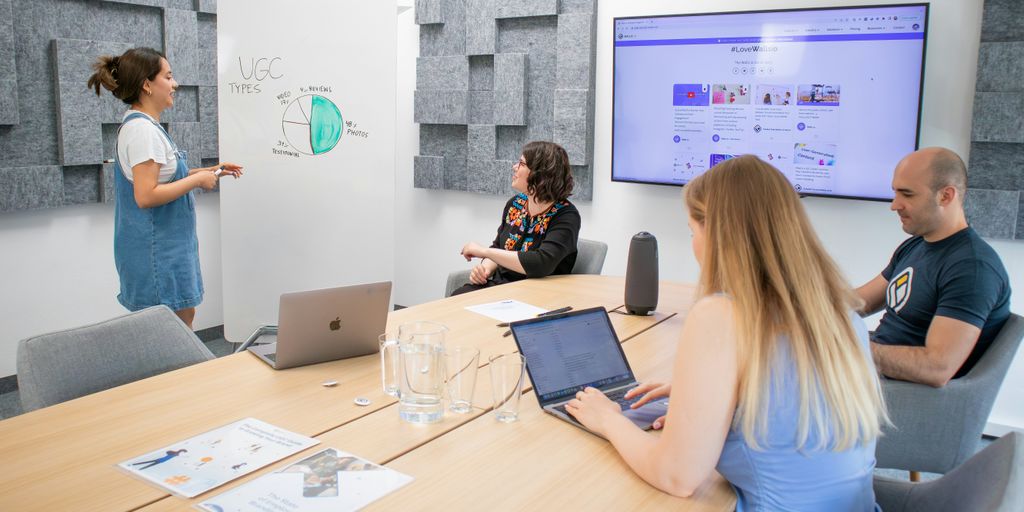
The way we work is changing, and fast. Automation is taking over some tasks, and new jobs are popping up that didn’t exist a few years ago. It’s a lot to keep up with, honestly. Think about it: jobs that used to need a person to do them manually are now being handled by machines or software. This means people need to learn new skills to stay relevant.
Adapting to Automation and Evolving Job Roles
Automation isn’t just about robots on an assembly line anymore. It’s also about software that can analyze data, write reports, or even help with customer service. This means jobs are changing. Some roles might disappear, but new ones will emerge, often requiring people to work alongside these new technologies. For example, someone who used to just operate a machine might now need to know how to program or maintain it. It’s a big shift, and companies need to help their employees make this transition. We need to prepare people for these new roles, not just leave them behind.
Opportunities for Upskilling and Career Transitions
This whole automation thing might sound scary, but it also creates chances for people to grow. If your current job is changing because of new tech, there are often opportunities to learn new skills and move into different roles. For instance, a person working in a physical store might train in e-commerce or digital marketing. It’s about being flexible and willing to learn. Many organizations are starting to offer programs to help with this. You can find training for things like data analysis, digital content creation, or even managing automated systems. It’s a good idea to look into what skills are in demand in your field and see what training is available. Preparing your business for 2025 means exploring these niche and unique training topics. Check out emerging technologies for learning.
Workforce Development in the Digital Era
So, what does all this mean for how we develop our workforce? It means we can’t just rely on old training methods. We need to use technology to make learning more accessible and effective. Think about online courses, virtual reality simulations for hands-on practice, or AI tools that can create personalized learning plans. These tools help people learn at their own pace and focus on what they actually need to know. It’s about making sure everyone has the chance to keep their skills up-to-date.
The key is to be proactive. Instead of waiting for jobs to change and then scrambling to catch up, companies and individuals should be thinking ahead. What skills will be needed in five years? How can we start training for those now? It’s an ongoing process, not a one-time fix.
Here’s a quick look at how different technologies can help:
- AI-Driven Platforms: These can figure out what skills you’re missing and suggest specific training modules. It’s like having a personal tutor for your career.
- Virtual Reality (VR) & Augmented Reality (AR): Great for practicing complex tasks in a safe, simulated environment. Think surgeons practicing operations or mechanics learning to fix new equipment.
- Online Learning Management Systems (LMS): These make training materials easily accessible anytime, anywhere, allowing for flexible learning schedules.
Future-Proofing the Workforce with Continuous Learning
In today’s fast-moving job market, staying still means falling behind. The idea of learning a trade or profession and sticking with it for a whole career is pretty much gone. We all need to keep picking up new skills, and companies need to help us do that. It’s not just about keeping up with technology; it’s about adapting to new ways of working and new kinds of jobs that haven’t even been invented yet.
Addressing Skill Gaps with Targeted Training
Many companies are finding that their employees don’t have the exact skills needed for new projects or updated roles. This is where targeted training comes in. Instead of broad, general courses, think about specific workshops or online modules that address a particular skill deficit. For example, if a team is moving to a new software system, a focused training session on that system is far more effective than a general computer skills class. This approach saves time and resources, making sure people learn what they actually need to do their jobs better. It’s about being smart with our learning time.
The Business Case for Digital Upskilling
Investing in digital upskilling isn’t just a nice-to-have; it makes good business sense. When employees gain new digital abilities, they can often find more efficient ways to do their work, leading to increased productivity. Plus, a workforce that’s comfortable with new technologies is more likely to embrace innovation. Think about it: if your team knows how to use data analytics tools, they can uncover insights that lead to better business decisions. This kind of growth directly impacts the bottom line. It’s about building a more capable and adaptable team that can handle whatever comes next. For some great ideas on boosting team engagement, you might check out professional trainer advice.
Fostering Adaptability and Lifelong Skill Development
Creating a culture where learning is ongoing is key. This means encouraging employees to explore new tools, take online courses, or attend workshops, even if it’s not directly tied to their current task. It’s about building a mindset of curiosity and continuous improvement. When people feel supported in their learning journey, they’re more likely to stay engaged and motivated. This also helps with employee retention, as people want to work for companies that invest in their future.
Here are a few ways to encourage this:
- Create learning pathways: Map out potential career growth and the skills needed for each step.
- Provide access to resources: Offer subscriptions to online learning platforms or allocate time for self-study.
- Recognize learning achievements: Acknowledge and reward employees who actively pursue new skills.
The workplace is always changing, and the skills that were important yesterday might not be enough for tomorrow. Building a habit of learning new things is the best way to stay relevant and valuable in your career.
Mitigating Risks and Maximizing Opportunities with Technology
Addressing the Impact of Automation on Job Roles
Automation is changing jobs, no doubt about it. Some tasks are getting taken over by machines, which can feel a bit unsettling. But this isn’t entirely new; technology has always changed how we work. The key is to see these shifts not just as risks, but as chances to grow. We need to help people move into roles that machines can’t do as well, or roles that work alongside new tech. Think about it: instead of just doing repetitive tasks, people can focus on problem-solving, creativity, and managing the automated systems themselves.
Strategies for Reskilling and Career Transition Support
So, how do we actually do this? It comes down to smart training. Organizations need to offer programs that teach new skills. This could mean learning how to use AI tools, analyze data, or even just get better with digital systems. It’s about giving people the tools to adapt.
- Identify Future Skills: Figure out what skills will be in demand as automation grows.
- Offer Targeted Training: Create courses that teach these specific skills, like digital literacy or advanced software use.
- Provide Career Guidance: Help employees understand how their current skills can transfer to new roles and support them in making that change.
The goal is to make sure that as technology advances, our people don’t get left behind. It’s an investment in our most important asset: our employees.
Ensuring Employee Competitiveness in a Changing Landscape
To keep everyone competitive, we have to think about continuous learning. The skills needed today might not be enough tomorrow. Companies that invest in ongoing training and development will have a workforce that can handle whatever comes next. This means creating a culture where learning is normal, not an exception. It’s about staying agile and ready for whatever the future of work throws our way. The businesses that adapt their training strategies now will be the ones that thrive.
Using new tools can help us avoid problems and find good chances. By picking the right tech, we can make things better and safer. Want to learn how to use technology wisely for your business? Visit our website to discover more!
Moving Forward: Embracing Tech for a Skilled Future
So, it’s pretty clear that technology isn’t just a buzzword anymore; it’s really changing how we learn and work. Things like AI and VR are making training way more interesting and practical, helping people get the skills they actually need for the jobs of tomorrow. Companies that jump on board with these new ways of teaching will definitely have an edge. It’s not just about having the latest gadgets, though. It’s about making sure our teams can keep up, learn new things as they come out, and feel ready for whatever comes next. By mixing smart tech with good training, we can build a workforce that’s ready for anything.
Frequently Asked Questions
How is technology changing the way we learn new job skills?
Technology is making learning more exciting and effective! Think of using computers and apps that can teach you things in a way that feels like a game or a real-life experience. This helps you learn faster and remember more.
What are virtual reality (VR) and augmented reality (AR), and how do they help with training?
VR puts you in a totally different, computer-made world, like a video game. AR adds computer images to the real world you see, like a special filter. Both are used in training to let you practice things, like fixing a machine or helping a patient, without any real danger.
Can AI help me learn specific skills for my job?
Yes! AI can figure out what you’re good at and what you need to learn. It then creates a special learning plan just for you, like a personal tutor, making sure you learn the most important things for your job.
What happens to jobs when robots and computers do more work?
When machines take over some tasks, some jobs might change or disappear. But this also means new jobs are created! People need to learn new skills, like managing the robots or working with new technology, to stay in demand.
Why is it important to keep learning new things for my career?
The world of work is always changing because of new technology. If you stop learning, your skills might become old. By learning new things all the time, you can keep up with changes, do your job better, and even get promoted or switch to a new, exciting career.
How can companies make sure their employees are ready for the future?
Companies can offer training that uses new technology, like VR or AI tools. They can also help employees learn new skills if their old jobs are changing. This way, everyone in the company stays up-to-date and ready for whatever comes next.