
Getting a new puppy is exciting, but let’s be real, it comes with its own set of bumps in the road. From those sharp little teeth and the endless potty breaks to keeping their attention when a squirrel runs by, puppy challenges are a normal part of bringing a new dog home. This article is all about helping you get through those common hurdles with a bit more ease and a lot more success, turning those tricky moments into opportunities to build a great relationship with your furry pal.
Key Takeaways
- Every puppy is different, so figuring out what makes yours tick is the first step to successful training.
- Biting, potty accidents, and getting distracted are super common puppy problems, but they can be managed with the right approach.
- Using rewards and keeping training fun makes a big difference in how well your puppy learns.
- Getting your puppy used to new sights, sounds, and people early on helps them grow into a confident, well-behaved dog.
- If you’re feeling stuck or your puppy isn’t making progress, don’t be afraid to ask a professional trainer for help.
Understanding Puppy Challenges
Bringing a new puppy home is exciting, but let’s be real, it’s not always sunshine and wagging tails. Puppies are bundles of energy and curiosity, and they come with their own set of quirks and hurdles. Recognizing that every puppy is an individual is the first big step. What works for one pup might not work for another, and that’s perfectly okay. It’s about figuring out what makes your specific furry friend tick.
Recognizing Your Puppy’s Unique Needs
Think about it – your puppy isn’t just a generic dog; they’re a unique being with their own personality, influenced by their breed, their past experiences (even if they’re short!), and just their own innate character. Some pups are naturally bold and curious, while others might be a bit more reserved or sensitive. Paying close attention to how your puppy reacts to new things, how they interact with you, and what motivates them is key. This observation helps you tailor your approach, making training much more effective and less frustrating for both of you. It’s like learning a new language, and the sooner you start listening, the better you’ll understand.
Tailoring Training to Individual Personalities
Because each puppy is different, a one-size-fits-all training plan just won’t cut it. You might have a puppy who is super food-motivated, making treats a great reward. Another might respond better to praise or a favorite squeaky toy. Some puppies pick up commands quickly, while others need more repetition. It’s important to experiment a little and see what clicks. For instance, if your puppy gets easily distracted, you might need to start training in a quieter environment before moving to more stimulating places. Adapting your methods to your puppy’s specific learning style and personality is what makes the difference between a struggling pup and one that’s eager to please. You can explore different training techniques, like positive reinforcement, to see what best suits your companion.
The Importance of Early Training Foundations
Starting training early, right from the moment your puppy settles in, sets the stage for a well-behaved adult dog. This isn’t just about teaching commands; it’s about building good habits and a strong relationship. Think of it as laying the groundwork. Early training helps your puppy understand boundaries, learn appropriate behaviors, and build confidence. It’s also the perfect time to introduce them to new experiences in a positive way. Getting these foundations right early on can prevent many common behavioral issues down the line and makes future training much smoother. It’s a commitment, but the payoff is a happy, confident dog who’s a joy to be around. You can start by teaching basic commands and establishing a consistent routine, which helps your puppy feel secure and understand expectations. Building a strong foundation can help your puppy become adaptable to various situations, much like training a dog for obstacle courses.
The initial weeks with a new puppy are a critical period for development. Focusing on positive experiences and consistent guidance during this time will significantly impact your puppy’s future behavior and overall well-being. It’s about building trust and clear communication from the start.
Navigating Common Puppy Training Hurdles
So, you’ve got a new puppy, and things are… lively. It’s totally normal to hit a few bumps in the road when you’re training a young dog. They’re basically toddlers with fur, and they’re still figuring out the world, and you’re figuring them out too. Let’s talk about some of the usual suspects when it comes to puppy training challenges and how to get past them.
Addressing Biting and Chewing Behaviors
Puppies explore the world with their mouths, and that means a lot of nipping and chewing. It’s not aggression; it’s how they learn about textures and how hard they can bite. The key here is redirection. When your puppy bites your hand, yelp (like they do to each other) and pull away. Then, immediately offer them an appropriate chew toy. If they chew the toy, praise them! It’s about teaching them what is okay to chew on. Keep a variety of safe chew toys handy – different textures can keep them interested. If they start chewing something they shouldn’t, like a table leg, interrupt them with a sound and then give them their toy. Consistency is really important here; everyone in the house needs to do the same thing. You might also want to look into puppy-proofing your home to avoid tempting, off-limits items.
Overcoming Potty Training Difficulties
Ah, the dreaded accidents. Potty training can feel like a marathon, not a sprint. The most effective strategy is a super-consistent schedule. Take your puppy out first thing in the morning, after naps, after playing, and after eating. When they go potty outside, make a huge fuss! Lots of praise and a high-value treat can work wonders. If you catch them in the act inside, a sharp
Effective Strategies for Puppy Obedience
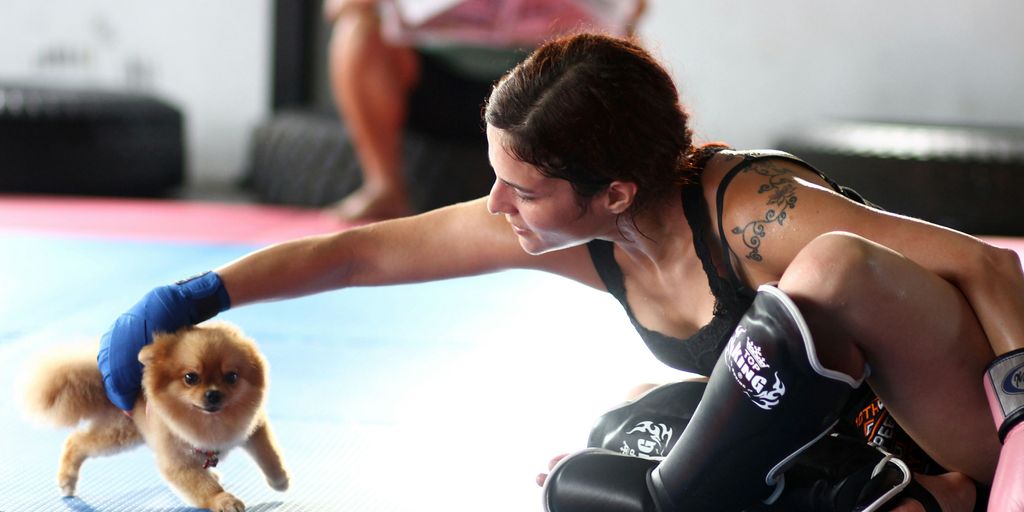
Getting your puppy to listen and follow directions can feel like a puzzle sometimes, right? But it doesn’t have to be a struggle. The key is to use methods that make sense to your dog and build a good relationship.
The Power of Positive Reinforcement
This is a big one. When your puppy does something you like, like sitting when asked or not jumping on you, reward them! Treats, enthusiastic praise, or a favorite toy work wonders. It’s all about showing them what you want them to do, rather than punishing what you don’t. Timing is everything here; reward the behavior as soon as it happens so they connect the action with the good stuff. This approach makes training a lot more enjoyable for both of you and really helps build trust.
Establishing Consistent Training Routines
Dogs, especially puppies, do best when they know what to expect. Try to have training sessions around the same time each day. Even short, 5-10 minute sessions can be super effective. Consistency in your commands and expectations is also vital. If ‘sit’ means one thing one day and something else the next, your puppy will get confused. A predictable schedule helps your puppy learn faster and feel more secure. Think of it like building a solid foundation for everything else you’ll teach them. You can find some great tips on setting up a training schedule here.
Making Training Sessions Engaging and Fun
Nobody likes a boring lesson, and puppies are no exception! Keep training sessions lively and interesting. Use a happy tone of voice, vary your rewards, and don’t be afraid to get a little silly. Incorporating games into training can make a huge difference. For example, you can turn a ‘fetch’ command into a lesson on impulse control by having them wait before bringing the toy back.
Here are a few ideas to keep things fresh:
- Hide-and-seek with treats: Make them use their nose to find a hidden reward.
- Puzzle toys: These can be used during short breaks or as a reward for a job well done.
- Short bursts of practice: Sprinkle training moments throughout the day, like asking for a ‘sit’ before meals or going outside.
Remember, your puppy is learning about the world through you. If training feels like a chore, they’ll pick up on that. But if it’s a fun game you play together, they’ll be much more eager to participate and learn.
By focusing on positive methods, staying consistent, and making it fun, you’ll be well on your way to a well-behaved companion.
The Crucial Role of Socialization
Bringing a new puppy home is a big deal, and those first few months are super important for how they’ll act later on. Socialization isn’t just about letting your puppy meet a few friends or other dogs. It’s really about showing them all sorts of different things in a way that feels safe and good for them. This early exposure shapes their whole life.
Think of it like this: puppies have a special window, usually between 3 and 16 weeks old, where they’re really open to learning about the world. What they experience during this time sticks with them. If they have mostly good experiences, they tend to grow up more confident. But if they get scared or overwhelmed, it can lead to problems down the road, like being fearful or even aggressive.
Exposing Puppies to Diverse Environments
It’s about more than just walks in the park. You want to introduce your puppy to different sights, sounds, and textures. This could mean:
- Taking them to different places like pet-friendly stores or quiet cafes.
- Letting them walk on various surfaces – grass, pavement, maybe even a rug that feels a bit weird.
- Introducing them to different noises gradually, like the hum of a washing machine or distant traffic.
The goal is to create a mental library of
Building a Strong Bond Through Training
Training your puppy isn’t just about teaching them commands; it’s a fantastic way to build a really solid connection. Think of it as a conversation you’re having with your dog, where you both learn to understand each other better. When you train consistently, you’re not just showing them what to do, you’re also showing them that you’re a reliable leader they can trust.
Developing a Unique Communication Language
Dogs communicate through body language, sounds, and actions. When you train, you introduce specific words and hand signals that become your shared language. For example, a simple "sit" command, paired with a hand gesture, becomes a clear signal for your puppy. Over time, they learn to associate these cues with specific actions and rewards. This shared vocabulary makes everyday interactions smoother and more enjoyable. It’s like learning a new language together, and the more you practice, the more fluent you both become.
Fostering Trust and Camaraderie
Every successful training session, no matter how small, builds trust. When your puppy learns that following your instructions leads to good things – like a tasty treat, a favorite toy, or just some happy praise – they start to rely on your guidance. This positive association makes them feel secure and confident around you. It’s not just about obedience; it’s about creating a partnership where your puppy feels safe and understood. This mutual respect is the bedrock of a strong, lasting relationship.
Creating a Foundation for Lifelong Companionship
What you do during puppyhood training sets the stage for your entire life together. A puppy that learns to communicate effectively, trust its owner, and respond to guidance is much more likely to grow into a well-adjusted adult dog. This foundation means fewer behavioral problems down the road and more harmonious living. It’s an investment in a future where your dog is not just a pet, but a true member of the family, a loyal companion who understands your cues and shares in your life.
Here’s a simple way to think about building that bond:
- Consistency is Key: Stick to your training schedule and commands. Even short, regular sessions are better than infrequent long ones.
- Positive Reinforcement Works: Reward good behavior with praise, treats, or play. This makes training a positive experience for your puppy.
- Patience Pays Off: Every puppy learns at its own pace. Celebrate small victories and don’t get discouraged by setbacks.
Remember, training is a journey, not a race. Enjoy the process of learning and growing with your puppy. The effort you put in now will create a deeper, more meaningful bond that lasts a lifetime.
Troubleshooting Persistent Puppy Issues
Sometimes, even with the best intentions and consistent effort, you might hit a wall with your puppy’s training. It’s totally normal, and honestly, most puppy parents go through this. It doesn’t mean you’re doing anything wrong; it just means it’s time to look a little closer at what might be going on.
Understanding Why Training Progress May Stall
Several things can cause training to slow down. Maybe your puppy is getting bored, or perhaps the distractions in your environment are just too much for them right now. Sometimes, it’s as simple as the training isn’t quite matching their learning style. It’s important to remember that every puppy learns at their own pace. Think about it: are you using the same old rewards? Is the training session too long? Are you trying to teach something too complex too soon? Pinpointing the exact reason is the first step to getting things moving again.
Adapting Methods for Learning Speed
If your puppy isn’t picking things up as quickly as you’d hoped, it’s time to switch things up. Instead of getting frustrated, try breaking down commands into even smaller steps. What if you made the rewards more exciting? Maybe a special high-value treat only used during training? Or perhaps shorter, more frequent sessions would work better than one long one. It’s all about finding what clicks for your specific pup. You might find that a different approach, like using a clicker consistently, makes a big difference.
Here’s a quick look at common reasons for slow progress:
- Boredom: Training sessions are too repetitive or not engaging enough.
- Distractions: The environment is too stimulating for the puppy to focus.
- Confusion: Commands are unclear, or the steps are too large.
- Physical Needs: The puppy might be tired, hungry, or need to go potty.
When to Seek Professional Guidance
There’s absolutely no shame in calling in a professional. If you’ve tried a few different things and you’re still struggling, or if your puppy is exhibiting behaviors that worry you, a certified dog trainer or behaviorist can be a lifesaver. They have a trained eye to spot issues you might miss and can offer tailored advice. They can help you understand your puppy’s behavior better and provide strategies to overcome specific hurdles. Don’t hesitate to reach out for help; it’s a sign of responsible pet ownership and a commitment to your puppy’s well-being. You can find great resources for common dog behavior problems online, like those that offer solutions for addressing them here.
Sometimes, the best way to help your puppy is to get a fresh perspective from someone who has seen it all before. It’s not a failure on your part; it’s just part of the learning process for both of you.
Dealing with stubborn puppy problems can be tough, but don’t give up! Many common puppy issues have simple solutions. If you’re struggling with your furry friend’s behavior, we have helpful tips and guidance. Visit our website to discover how to overcome these challenges and build a better relationship with your dog.
The Journey Continues
Bringing a new puppy home is a big adventure, and honestly, it’s not always smooth sailing. You’ve learned that sticking with it, even when things get a little messy or frustrating, really pays off. Remember to keep training sessions positive and short, and don’t forget how important it is to let your puppy explore the world safely. Every dog is different, so what works for one might not work for another. Be patient with your pup and with yourself. You’re building a lifelong friendship, and that takes time, consistency, and a whole lot of love. Keep up the great work – you’ve got this!
Frequently Asked Questions
Why is understanding my puppy’s unique needs important for training?
Every puppy is different! Their breed, personality, and past experiences all shape how they learn. Figuring out what makes your puppy tick helps you create a training plan that works best for them, making learning easier and strengthening your bond.
What are some common puppy training problems?
Puppies often go through phases of nipping and chewing, struggle with potty training, and get easily distracted. It’s normal! Knowing these common hurdles helps you prepare and find the right solutions.
How does positive reinforcement help with puppy training?
Positive reinforcement means rewarding your puppy when they do something right, like sitting when asked. This makes them more likely to repeat good behavior. Think treats, praise, or a favorite toy – it makes training a happy experience for your pup!
Why is socializing my puppy so important?
Socialization is like teaching your puppy how to be a good citizen. By safely introducing them to new places, people, and other friendly dogs, you help them grow into a confident and well-behaved adult dog who isn’t scared of new things.
How can I build a stronger connection with my puppy through training?
Training isn’t just about commands; it’s about talking to each other. When you train consistently and positively, you build trust and understanding. This creates a special language between you, making your bond stronger and more enjoyable.
What should I do if my puppy’s training seems to be slowing down?
Sometimes training progress can feel slow. It might be because your puppy is learning at their own speed, or maybe the training method needs a tweak. Be patient, celebrate small wins, and if you’re really stuck, don’t hesitate to ask a professional dog trainer for help.