
Training your dog for backyard games is not just about fun; it’s a fantastic way to build a stronger bond with your furry friend. Whether you’re tossing a frisbee or setting up an agility course, these activities can enhance your dog’s physical and mental well-being. Plus, they allow you to enjoy quality time together right in your backyard. Let’s explore how to train a dog for backyard games that will keep both of you entertained and engaged!
Key Takeaways
- Create a safe and secure outdoor space for your dog to play.
- Incorporate basic commands into games for better training results.
- Use engaging activities like fetch, frisbee, and treasure hunts to strengthen your bond.
- Build a DIY agility course with household items for fun challenges.
- Make training enjoyable with positive reinforcement and celebrate successes.
Creating A Safe Outdoor Environment
Before you even think about teaching your dog to catch a Frisbee or navigate a mini agility course, you’ve got to make sure your backyard is a safe zone. It’s like baby-proofing, but for your furry friend. I remember when I first got Buster, I just assumed the yard was fine. Nope! Turns out, there were a bunch of things I hadn’t even considered that could have been dangerous. So, learn from my mistakes!
Choosing A Secure Area
First things first, you need to make sure your dog can’t just wander off. A good fence is essential. I’m not talking about some flimsy chicken wire; you need something sturdy that can actually contain an excited dog. Check for any gaps or holes, especially along the bottom – dogs are surprisingly good at squeezing through tiny spaces. Also, consider the height. Can your dog jump over it? If so, you might need to think about fence extensions. I had to add some extra height to mine after Buster figured out he could use the woodpile as a launchpad.
Removing Potential Hazards
Okay, so your dog can’t escape. Great! Now, what about what’s inside the yard? This is where it gets tricky. You need to think like a dog – what might they try to eat, chew on, or get into?
- Toxic plants: Many common garden plants are poisonous to dogs. Do a quick search online to see if anything in your yard is on the no-no list.
- Chemicals: Keep fertilizers, pesticides, and other chemicals locked away. Even small amounts can be harmful.
- Sharp objects: Pick up any rocks, glass, or other sharp objects that could cause injury.
I once found Buster gnawing on an old rusty nail. Talk about a panic! A quick trip to the vet and a tetanus shot later, he was fine, but it was a good reminder to be extra vigilant about potential hazards.
Providing Supervision
Even with all the precautions in place, it’s still important to supervise your dog when they’re playing outside. You can’t anticipate everything, and things can happen quickly. Plus, it’s a great opportunity to bond with your dog and reinforce training commands. Supervision is key to preventing accidents and ensuring your dog’s safety. Make sure they have access to fresh water, especially on hot days, and watch for signs of overheating. If they start panting excessively or seem lethargic, bring them inside to cool down. Also, be mindful of the weather. Is it too hot, too cold, or too wet for comfortable play? Adjust your activities accordingly.
Engaging Games That Strengthen Bonds
Okay, so you’ve got a safe backyard, now what? Time to actually play! These aren’t just any games; they’re designed to build a stronger connection with your dog. It’s all about having fun together and creating positive experiences. I’ve found that even just 15-20 minutes of focused playtime can make a huge difference in my dog’s behavior and our relationship.
Playing Fetch with a Twist
Fetch is a classic, but let’s spice it up! Instead of just throwing the ball, try hiding it and having your dog use their nose to find it. You can also use different types of balls or toys to keep things interesting. My dog loves interactive fetch toys that squeak or bounce in unpredictable ways. It keeps him guessing and engaged. Another fun variation is to teach your dog to bring the ball to a specific spot, like a bucket or a designated area. This adds a bit of training into the game and helps with their obedience.
High-Flying Fun with Frisbee
If your dog has some energy to burn, Frisbee is a great option. Start with soft, flexible Frisbees that are easy for them to catch. Begin by simply rolling the Frisbee on the ground and encouraging your dog to chase it. Once they’re comfortable with that, you can start tossing it short distances. Make sure to praise them enthusiastically when they catch it! It might take a few tries, but with patience and positive reinforcement, your dog will be catching Frisbees like a pro in no time. Just be mindful of their age and physical condition – don’t push them too hard, especially if they’re still a puppy or have joint issues.
Bubble Chase: A Simple Joy
This one is surprisingly fun and easy! Just grab a bottle of non-toxic bubble solution (make sure it’s safe for pets!) and start blowing bubbles. Most dogs will go crazy chasing and trying to catch them. It’s a great way to get them moving and laughing (well, maybe not laughing, but they’ll definitely be having a blast). Plus, it’s super entertaining to watch! It’s a simple way to add some joy to your day. I like to use a bubble machine for extra bubble power. It’s a great way to strengthen your connection with your dog.
Remember, the goal is to have fun and build a stronger bond with your dog. Don’t get too caught up in the rules or the training aspect. Just enjoy the time together and let your dog be a dog. A happy dog makes for a happy owner!
Incorporating Training into Play
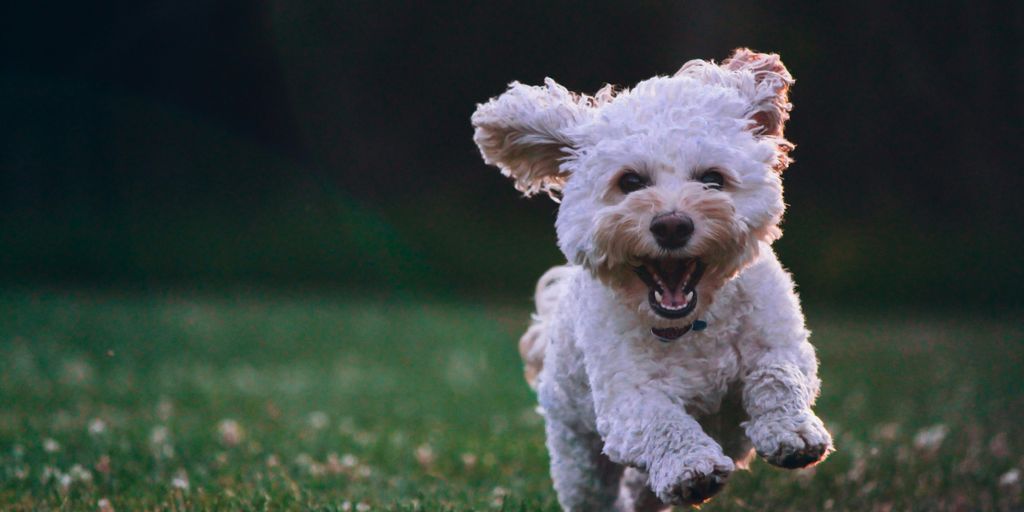
It’s easy to think of training as separate from playtime, but combining the two can make learning more fun for your dog and strengthen your relationship. By weaving basic commands and skills into games, you keep your dog mentally stimulated and engaged. Plus, it reinforces good behavior in a positive and enjoyable way. It’s a win-win!
The ‘Sit, Stay, and Treat’ Game
This is a super simple game that reinforces two fundamental commands. Start by asking your dog to sit. Once they’re in position, tell them to stay. Gradually increase the amount of time they need to stay still. If they hold the stay, reward them with a treat and praise. If they break the stay, simply start over. The key is patience and consistency.
Incorporating Basic Rules into Fetch
Fetch is a classic dog game, but you can easily add training elements. Before you throw the ball, ask your dog to sit or lie down. Only throw the ball once they’ve complied. You can also teach them to "leave it" if they pick up something they shouldn’t. This not only reinforces obedience but also helps to practice communication with your furry friend.
Using Commands During Agility
Even if you don’t have a full-blown agility course, you can still use commands during simple agility exercises. For example, use "over" to guide your dog over a small obstacle or "through" to have them run through a tunnel. This helps them learn to listen to you even when they’re excited and focused on the agility course.
By incorporating training into playtime, you’re not just teaching your dog commands; you’re building a stronger bond based on trust and communication. It makes training less of a chore and more of a fun activity you can both enjoy.
Building A Backyard Agility Course
DIY Challenges for All Skill Levels
Okay, so you want to build an agility course? Awesome! It doesn’t have to be super complicated or expensive. Think about what your dog enjoys. Does he love to jump? Is she a tunnel explorer? Start simple. A few weave poles made from PVC pipe, a low jump, and maybe a tunnel made from a sturdy cardboard box. The key is to make it fun and engaging for your dog, not stressful.
- Start with just a couple of obstacles.
- Keep the sessions short and sweet.
- End on a positive note, even if they only get partway through.
Using Household Items for Obstacles
Seriously, you don’t need to buy fancy equipment. Get creative! Old tires can become jump-throughs. A sturdy blanket draped over two chairs makes a tunnel. Cones from the dollar store are perfect for weaving. Even a stack of books can be a low hurdle. Just make sure everything is safe and won’t hurt your dog if they bump into it. I found that using everyday household objects is a great way to save money and still provide a stimulating course.
Gradual Introduction to Agility
Don’t expect your dog to be an agility superstar overnight. Start slow. Introduce each obstacle one at a time. Use treats and praise to encourage them. If they’re scared, don’t force it. Just let them sniff and explore the obstacle at their own pace. Patience is key here. Once they’re comfortable with each obstacle individually, you can start linking them together into a simple course. Remember to keep it positive and fun, and your dog will be navigating the agility course in no time!
It’s important to remember that every dog learns at their own pace. Don’t compare your dog to others. Focus on celebrating their progress, no matter how small. The goal is to have fun and strengthen your bond, not to win any competitions.
Fun Outdoor Activities for Dogs
Organizing a Treasure Hunt
Okay, so, a treasure hunt for your dog? Sounds kinda silly, but trust me, it’s awesome. It’s all about tapping into their natural sniffing abilities. You hide treats or toys around the yard, and they get to use their nose to find them. It’s like a puzzle, but with a tasty reward at the end. Start easy, maybe just hiding stuff in plain sight, and then gradually make it harder as they get the hang of it. My dog, Max, absolutely loves this. He gets so excited when he figures out where I’ve stashed his favorite chew toy. It’s great mental stimulation, and it wears them out too!
Playing Tetherball
Tetherball isn’t just for kids at summer camp! You can totally adapt it for your dog. Get a sturdy pole and a durable ball that they can easily grab. The idea is to let them jump and tug at the ball as it swings around the pole. It’s a fantastic way to burn off energy and build some serious muscle. Just make sure the pole is securely anchored, and always supervise them while they’re playing. You don’t want any accidents! It’s a fun way to get them moving and it’s hilarious to watch them try to figure out the physics of it all.
Engaging in Water Games
If your dog loves water, this is a no-brainer. On a hot day, nothing beats a good water game. You can fill up a kiddie pool and let them splash around, or use a hose to gently spray them. Some dogs love to chase the water stream, while others prefer to just chill in the pool. You can even add some floating toys to make it more interesting. Just be mindful of the water temperature – you don’t want it to be too cold or too hot. And always make sure they have access to fresh drinking water. Water games are a great way to keep them cool and entertained, and it’s super fun to watch them go crazy with the water!
Remember to always supervise your dog during any outdoor activity, and make sure they have access to shade and fresh water. Safety first, fun second!
Here are some things to keep in mind:
- Always supervise your dog.
- Provide plenty of fresh water.
- Make sure the water isn’t too cold or too hot.
Mental Stimulation Through Games
It’s easy to focus on physical exercise, but don’t forget your dog’s brain needs a workout too! Mental stimulation is super important for a happy, well-adjusted dog. It helps prevent boredom, reduces destructive behaviors, and can even slow down cognitive decline as they get older. Think of it as brain training for your furry friend.
Scavenger Hunts for Dogs
Turn your backyard into a fun dog treasure hunt! Hide treats or toys around the yard and let your dog use their nose to find them. Start easy, with the items in plain sight, and gradually make it more challenging as they get the hang of it. This is a great way to tap into their natural instincts and keep them engaged.
Interactive Toys and Puzzles
There are tons of interactive toys and puzzles designed to challenge your dog’s mind. These toys often require your dog to solve a problem to get a treat, like sliding panels, flipping lids, or rolling the toy in a specific way. These are great for when you’re busy or the weather isn’t cooperating for outdoor play.
Here are some ideas:
- Puzzle feeders that dispense food slowly.
- Toys with hidden compartments for treats.
- Rolling toys that require manipulation.
Using Scent Work for Engagement
Scent work is an amazing way to engage your dog’s mind. Dogs have an incredible sense of smell, and using it is mentally stimulating. You can start with simple games, like hiding a treat under a cup and having them find it. As they improve, you can introduce more complex scent trails and even consider joining a scent work class. It’s amazing to watch them use their noses!
Making Training Enjoyable
Let’s be real, sometimes training feels like a chore for both you and your dog. But it doesn’t have to be! The key is to make it fun and engaging, so your dog actually wants to participate. When training becomes a game, you’ll see a huge difference in your dog’s attitude and willingness to learn.
Transforming Commands into Games
Instead of just drilling commands, try turning them into mini-games. For example, practice recall by hiding and calling your dog to you. Or, make "sit" and "stay" more exciting by incorporating them into a treasure hunt. The possibilities are endless! Think about what motivates your dog – is it food, toys, or praise? Use that to your advantage when designing your games. You can even use fetch training to make it more fun.
Positive Reinforcement Techniques
Forget about punishment! Positive reinforcement is the way to go. Reward your dog with treats, praise, or a favorite toy when they perform a command correctly. This creates a positive association with training, making them more likely to repeat the desired behavior. Keep the treats small and high-value, and vary the rewards to keep things interesting.
Here’s a quick guide to positive reinforcement:
- Use treats your dog loves.
- Offer verbal praise and petting.
- Incorporate toys as rewards.
Positive reinforcement isn’t just about giving treats; it’s about building a strong, trusting relationship with your dog. When they know that good things happen when they listen to you, they’ll be much more eager to please.
Celebrating Small Wins Together
Don’t expect perfection overnight. Training takes time and patience. Celebrate every small victory, no matter how insignificant it may seem. Did your dog finally master "stay" for a few seconds? Throw a party (a small one, of course!). Acknowledge their progress with enthusiasm and affection. This will boost their confidence and motivate them to keep learning. Remember, high-energy dog breeds need a lot of positive reinforcement.
Training your dog should be fun for both of you! When you make learning enjoyable, your dog will be more excited to participate. Use games, treats, and praise to keep things lively. Remember, a happy dog is a learning dog! For more tips on making training enjoyable, visit our website and discover how to create a positive experience for you and your furry friend!
Wrapping It Up: Fun and Connection with Your Dog
In conclusion, playing games in your backyard with your dog is a fantastic way to bond and have fun together. Whether it’s fetch, frisbee, or setting up an agility course, these activities not only keep your pup active but also strengthen your relationship. Remember, the key is to keep it enjoyable and safe. So, grab some treats, get outside, and let the games begin! Your dog will love the time spent with you, and you’ll create memories that last a lifetime.
Frequently Asked Questions
What should I do to make my backyard safe for my dog?
To create a safe backyard, choose an area with a sturdy fence, remove sharp objects, and check for toxic plants. Always supervise your dog while they play.
How can I make fetch more interesting for my dog?
You can add a twist to fetch by asking your dog to perform a command like ‘Sit’ or ‘Stay’ before throwing the ball. This keeps them engaged and reinforces training.
What are some fun games I can play with my dog outside?
You can play games like fetch, frisbee, bubble chase, or even set up a treasure hunt with hidden treats to keep your dog active and entertained.
How do I start training my dog for agility?
Begin by creating simple obstacles in your yard using household items. Gradually introduce your dog to these challenges while using positive rewards to encourage them.
What are some mental games I can play with my dog?
You can engage your dog with scavenger hunts, interactive toys, or scent games where they find hidden treats. These activities are great for keeping their minds sharp.
How can I make training enjoyable for my dog?
Make training fun by turning commands into games, using treats as rewards, and celebrating your dog’s successes, no matter how small.