
So, you want to bring your furry best friend along for your next coffee run? That’s awesome! Taking your dog to places like cafes can be a really rewarding experience for both of you, but it does take some preparation. It’s not just about showing up; it’s about making sure your dog is comfortable and that everyone else in the cafe is too. This guide is all about training a dog to behave in cafes, covering everything from knowing if your dog is ready to mastering those public manners.
Key Takeaways
- Figure out if your dog actually enjoys public outings and isn’t just stressed or overstimulated by the cafe environment.
- Start with early socialization and use positive reinforcement to teach basic cues like ‘sit,’ ‘stay,’ and ‘look.’
- Bring along high-value treats, a secure harness, and a reliable leash to help manage your dog in public.
- Choose quiet times to visit cafes and pick a table location that gives you and your dog some space.
- Gradually expose your dog to different sights and sounds to help them get used to distractions, and always advocate for your dog’s comfort.
Understanding Your Dog’s Cafe Readiness
Before you even think about bringing your furry friend to a cafe, it’s super important to figure out if they’re actually ready for it. Not every dog is cut out for the hustle and bustle of public places, and that’s totally okay. It’s all about knowing your dog and being honest about their comfort levels.
Assessing Your Dog’s Personality and Temperament
Think about your dog’s general vibe. Are they naturally chill and curious, or do they tend to get easily flustered? A dog who’s generally confident and adaptable is more likely to handle a cafe environment well. If your dog is easily startled by new things or people, a busy cafe might be too much, at least at first. It’s not about judging your dog, but about setting them up for success. Some dogs just aren’t built for constant social interaction, and forcing them into it can cause more harm than good. Understanding their core personality is the first step to figuring out if cafe outings are a good fit.
Recognizing Signs of Stress and Overstimulation
Dogs communicate a lot through their body language, and it’s our job to learn their language. Signs of stress aren’t always obvious like barking or growling. Sometimes, it’s more subtle. Watch for things like excessive panting, lip licking, yawning when they aren’t tired, or a stiff body posture, even if their tail is wagging. A dog might also try to make themselves smaller, avert their gaze, or even try to hide. If you see these signals, it means your dog is feeling overwhelmed and needs a break or a change of scenery. Pushing them to stay when they’re clearly uncomfortable is a recipe for disaster and can make them more anxious about future outings. It’s better to leave before things escalate.
It’s really about being a good advocate for your dog. If they’re showing signs of stress, it’s your responsibility to remove them from the situation, not expect them to just ‘deal with it’.
Does Your Dog Actually Enjoy Public Outings?
This is a big one. Does your dog seem genuinely happy and engaged when you’re out and about, or do they seem hesitant, anxious, or just plain miserable? Some dogs thrive on new experiences and enjoy being around people, while others prefer the comfort of home. Pay attention to their tail wags – are they relaxed and sweeping, or stiff and fast? Do they approach new people and dogs with curiosity, or do they hang back and observe nervously? If your dog consistently seems stressed or unhappy in public settings, even after trying to acclimate them, it might be that they simply don’t enjoy it. And that’s perfectly fine! There are plenty of other ways to bond and have fun with your dog that don’t involve crowded cafes. Maybe a quiet walk in nature or a game of fetch in a less populated park is more their speed. You can find great tips for outdoor adventures on this page.
Building a Foundation for Cafe Behavior
Getting your dog ready for cafe life is all about building a solid base of good habits and understanding. It’s not just about showing up; it’s about making sure your dog is genuinely comfortable and well-behaved in a busy, sometimes unpredictable, setting. Think of it like preparing for a big event – you wouldn’t just wing it, right? Your dog needs preparation too.
The Importance of Early Socialization
Socialization is super important, and ideally, it starts when dogs are puppies. But honestly, you can socialize any dog at any age. It’s all about slowly introducing them to new sights, sounds, people, and other animals in a way that isn’t overwhelming. A dog that’s been properly socialized is usually much more relaxed in public. They’re less likely to get spooked by a sudden noise or react negatively to someone walking by. Start small, maybe a quiet park or a less busy street, and gradually increase the exposure as your dog gets more comfortable. Always have a way to leave if things get too intense, and keep those treats handy. Watching your dog’s body language is your best guide here; it tells you when they’re happy to continue or when they need a break. This early exposure helps build confidence, which is key for enjoying outings. You can find more tips on dog training basics at dog training information.
Positive Reinforcement for Desired Behaviors
Forget harsh corrections; positive reinforcement is the way to go. This means rewarding your dog with things they love – like tasty treats, praise, or a favorite toy – when they do something right. It builds a strong bond between you and your dog and makes training fun for both of you. Instead of just drilling commands, you’re teaching your dog what you want them to do. This approach makes your dog eager to please and more likely to repeat good behavior. It’s all about creating positive associations with everything they encounter.
Essential Cues for Public Settings
Before you hit the cafe, make sure your dog knows a few key commands. These aren’t just for obedience; they’re tools for managing your dog in public. You’ll definitely want a solid "sit," "stay," and "down." A "go to mat" cue is also fantastic for teaching your dog to settle in a designated spot. And don’t forget an attention cue, like "look" or "watch me." This is a lifesaver when distractions pop up, helping your dog focus on you instead of the chaos around them. Practicing these cues in different, less distracting places first will help your dog understand them better, making them more reliable when you’re out and about.
Essential Gear for Cafe Outings
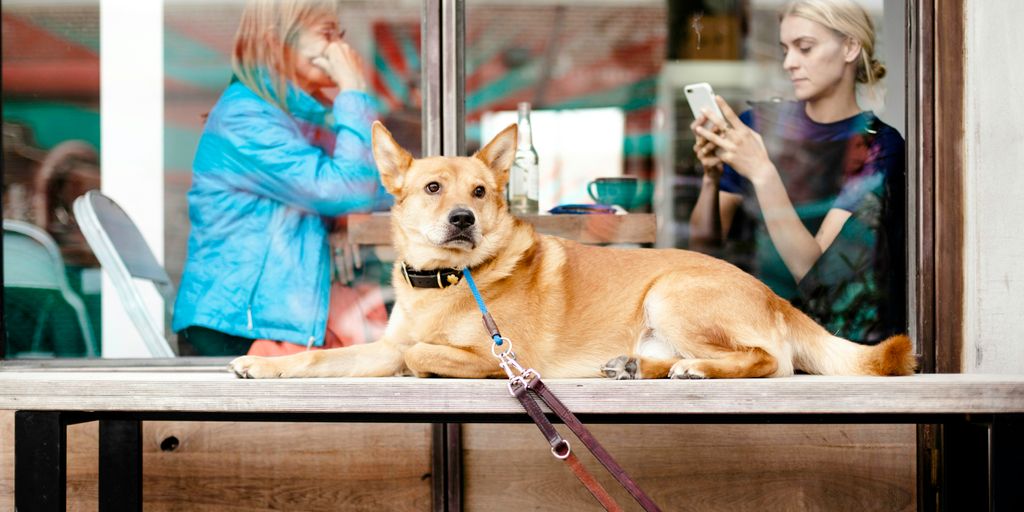
Getting ready for a cafe trip with your dog means packing the right stuff. It’s not just about having your dog behave, but also about making sure they’re comfortable and safe. Think of it like packing for a human outing – you wouldn’t go without your phone or wallet, right? Your dog needs their own set of essentials.
High-Value Treats and Calming Aids
Treats are your best friend when training and managing your dog in public. You want treats that are extra special, not just their everyday kibble. These are what we call high-value treats. They should be something your dog absolutely loves, like small pieces of cooked chicken, cheese, or special training biscuits. These get their attention when there are lots of other interesting things happening. For dogs who get a bit anxious or overexcited in new places, calming aids can be a lifesaver. These might be supplements or chews designed to help take the edge off, making them more receptive to training and less likely to react to distractions. Remember to check out collapsible bowls for easy feeding and watering on the go.
Secure Harnesses for Control and Comfort
A good harness is key for keeping your dog secure and giving you better control. Forget flimsy collars for this; a well-fitting harness distributes pressure more evenly if your dog pulls, which is much more comfortable for them. Look for one that’s durable and designed for active dogs. It should allow for a full range of motion so your dog can walk and sit comfortably without feeling restricted. A harness that fits properly won’t chafe or rub, even after a few hours out and about.
Dependable Leashes for Safety
When you’re out in public, a reliable leash is non-negotiable. You need a leash that’s strong enough to handle your dog’s strength but also comfortable for you to hold. A standard 6-foot leash is usually ideal for cafe settings. It gives your dog enough freedom to sniff and explore a bit, but keeps them close enough for you to manage them easily and prevent them from wandering into other people’s space or getting too close to the street. Avoid retractable leashes, as they offer less control and can be dangerous in busy areas. A sturdy, comfortable leash is your primary tool for keeping your dog safe and well-behaved.
Navigating the Cafe Environment
So, you’ve done the prep work, and your dog is starting to get the hang of things. Now it’s time to actually go to the cafe. This part can feel a little daunting, but it’s really about applying what you’ve practiced in a real-world setting. Think of it as a field trip for your pup!
Choosing the Right Time and Table Location
When you’re picking a cafe, try to go during off-peak hours. Mid-morning on a weekday is usually way less crowded than a Saturday afternoon. This gives your dog a chance to get used to the general vibe without being overwhelmed. Once you’re there, look for a table that’s not right in the middle of everything. A spot near a wall or in a corner can be good, giving your dog a bit of a buffer. Also, consider an easy exit route in case your dog gets stressed or needs a break. Having a clear path out is just as important as having a good spot to sit.
Maintaining Leash Control and Personal Space
Keep your dog on a leash at all times, and make sure it’s a comfortable length – usually around 6 feet is good. You want enough slack for your dog to lie down comfortably, but not so much that they can wander into someone else’s table or block an aisle. It’s about respecting everyone’s space, including your dog’s. If your dog tends to get a bit too curious, a harness can offer better control than a collar. We found a good harness really made a difference for us when we were first starting out with cafe visits, giving us more confidence. You can check out some options for secure harnesses here.
Teaching Table Manners for Your Dog
This is where those basic cues really come into play. Your dog should know to stay off chairs and tables, and definitely no begging or trying to snatch dropped food. A simple "down" or "settle" cue can be super helpful for keeping your dog relaxed at your feet. If your dog is prone to getting overly excited by food smells, having some high-value treats of your own can help redirect their attention back to you. It’s all about teaching them that while food is around, their job is to remain calm and polite. Remember, consistency is key; the more you practice these manners, the more natural they’ll become for your dog.
Desensitization to Distractions
Okay, so your dog is generally well-behaved, but the real test comes when you’re out and about, right? Cafes are full of stuff that can make a dog lose their cool – other dogs, people walking by, clattering dishes, maybe even a rogue skateboard. The trick here isn’t to avoid these things, but to help your dog get used to them in a good way. It’s all about making those distractions less of a big deal over time.
Gradual Exposure to Crowds and Noises
This is where you start small. Think of it like dipping your toes in the water before jumping in. You want to introduce your dog to the idea of a busy place without actually overwhelming them. Start by sitting a good distance away from a park entrance or a busy street. Just let your dog observe. If they’re calm, great! Give them a treat. If they seem a bit antsy, you’re too close, or the situation is too much. Move further away until they relax. We’re building positive associations here. You can slowly decrease the distance over many sessions as your dog gets more comfortable. It’s about building their confidence in your ability to handle things, which helps them trust you to protect them [a9d4].
Practicing Cues in Varied Environments
Once your dog is okay with just being near a busy place, it’s time to practice those basic commands we talked about earlier. Ask for a ‘sit’ or a ‘stay’ while there’s a bit of background noise. This shows your dog that they can still focus on you even when there’s other stuff happening. Use those high-value treats! The goal is to make listening to you more rewarding than getting worked up about a passing cyclist or a dropped fork. Consistency is really key here; practice these cues in different spots, not just the cafe.
Managing Unexpected Situations Gracefully
Sometimes, no matter how well you prepare, something unexpected happens. Maybe a dog barks right next to your table, or a child runs up to your dog. The best thing you can do is stay calm yourself. Your dog picks up on your energy. If a situation arises that’s too much for your dog, don’t force them to stay. Calmly remove them from the situation. You can try to interrupt the behavior in the first moments it starts, rather than waiting for them to get really worked up [a9d4]. This is about teaching them to control themselves, which is way more effective than just trying to distract them with a treat when they’re already over the top. It’s about building their self-control, not just bribing them to ignore something.
Remember, the aim isn’t to eliminate all distractions, but to teach your dog that they can remain calm and focused on you despite them. It takes time and patience, but it’s totally doable.
Polite Interactions with Others
Advocating for Your Dog’s Comfort
It’s totally okay if your dog isn’t a social butterfly. Just like people, dogs have different personalities. Some love meeting everyone, while others prefer to stick with their inner circle. You are your dog’s biggest advocate, and it’s your job to make sure they feel safe and comfortable, especially in busy places like cafes. If your dog seems overwhelmed or stressed by too many people or other dogs getting too close, it’s perfectly fine to step in. You can gently guide your dog away or politely ask others to give you both some space. This doesn’t mean being rude; it’s about respecting your dog’s boundaries and building their trust in you to protect them. Remember, a dog wearing a vest that says "Give Me Space" can also be a helpful visual cue for others.
Teaching Dogs to Behave Around Strangers
Even if your dog is a bit shy or prefers to keep their distance, they can still learn to be polite around strangers. The goal isn’t to force interactions, but to teach them how to calmly exist in the same space without feeling the need to react negatively. This involves practicing walking past people or other dogs at a comfortable distance, rewarding them for staying calm. It’s about teaching them that they don’t need to bark or lunge to communicate their discomfort; a calm demeanor is enough. This builds their confidence and makes outings more pleasant for everyone involved. It’s important to be consistent with what you allow and don’t allow, so your dog understands the expectations.
Respecting Personal Space for All
Just as you advocate for your dog, it’s also important to teach your dog to respect the personal space of others, both human and canine. This means preventing your dog from jumping on people, sniffing them without invitation, or bothering other dogs. If your dog is on leash, they should remain close to you and not crowd other patrons or their pets. This is a two-way street; while you protect your dog’s space, you also teach them to be considerate of others. If someone’s dog is clearly uncomfortable or trying to get away, don’t let your dog pursue them. A polite interaction means everyone feels at ease. If you encounter a situation where someone is not respecting your dog’s space, it’s appropriate to politely inform the cafe manager, allowing them to handle the situation as suggested by experts.
Being kind to others makes everyone feel good. Simple acts of politeness, like saying "please" and "thank you," can make a big difference in how people treat each other. Remember to always be respectful and considerate in your daily interactions. Want to learn more about building great relationships? Visit our website for helpful tips!
Enjoying Cafes with Your Canine Companion
Taking your dog to a cafe can be a really nice experience for both of you. It just takes a little planning and practice. Remember to understand your dog’s limits, use positive training methods, and bring along some helpful tools like good treats and a sturdy leash. By starting slow and being patient, you can help your dog become a well-mannered cafe regular. It’s all about building that trust and having fun together in new places.
Frequently Asked Questions
How do I know if my dog is ready for a cafe outing?
Before you head to a cafe, think about your dog’s personality. Is your dog generally calm and happy to be around new people and places, or do they get easily stressed or scared? If your dog seems anxious in busy spots, it might be best to wait until they’re more comfortable with training before trying a cafe.
What’s the best way to get my dog used to public places?
Start by taking your dog to quieter places first. Gradually introduce them to more people and sounds. Use treats and praise when they behave well. This helps them get used to different situations without getting too overwhelmed.
What kind of supplies do I need for taking my dog to a cafe?
You’ll need a good leash and a comfortable harness that fits well. High-quality treats that your dog really loves are also super important for rewarding good behavior. Sometimes, calming treats can help dogs relax in new environments.
How should I choose a spot in the cafe and what table manners should my dog have?
Try to pick a time when the cafe isn’t too crowded. When you get there, pick a table that gives your dog some space and isn’t in a busy walkway. Always keep your dog on a leash and teach them not to beg for food or jump on furniture.
My dog is easily startled. How can I help them get used to distractions?
If your dog gets nervous around loud noises or lots of people, start by visiting places that are a bit noisy for short periods. Reward them with treats for staying calm. Slowly increase the time and the level of noise or crowds as they get more comfortable.
How can I help my dog interact politely with other people and dogs?
It’s okay to tell people politely that your dog needs some space, especially if they seem uncomfortable. You can also teach your dog to be polite around strangers by rewarding them for calm behavior when people walk by. Respecting everyone’s personal space is key.