
Getting ready for a camping trip with your dog can be super exciting, but it also comes with its own set of challenges. You want your furry friend to be safe and happy, especially when it comes to sleeping in a tent. This article will walk you through some simple steps to make sure your dog is comfortable and well-behaved, making your outdoor adventures much more enjoyable. We’ll cover everything from getting them used to the tent to handling campsite distractions, all focused on training a dog to stay in a tent.
Key Takeaways
- Start small with training; try backyard camping first to get your dog used to the tent.
- Bring familiar items like their bed or a favorite blanket to help your dog feel safe in the tent.
- Practice basic commands like ‘stay,’ ‘come,’ and ‘leave it’ before your trip for better control.
- Always think about your dog’s safety at the campsite, including how they’ll be secured and protecting their paws.
- Plan fun, dog-friendly activities for your trip to keep your dog happy and tired.
Preparing Your Dog for Tent Life
Before you even think about hitting the trails, it’s important to get your dog prepped for tent life. It’s not just about throwing them in a tent and hoping for the best. A little preparation goes a long way in making the experience enjoyable for both of you. We want happy campers, not stressed-out pups!
Backyard Camping Practice
Start with baby steps. Pitch your tent in the backyard and let your dog explore it. Make it a positive experience by tossing treats inside and encouraging them to go in and out. This helps them get used to the sights, sounds, and smells of the tent in a safe, familiar environment. You can even try feeding them their meals inside the tent to create positive associations. This is a great way to introduce dog’s basic training in a controlled setting.
Familiar Comforts in the Tent
Bring items from home that your dog is already comfortable with. This could be their favorite blanket, bed, or toys. The familiar scents will help them feel more secure and relaxed in the new environment. It’s like bringing a little piece of home with you.
- Favorite blanket
- Comfortable bed
- Familiar toys
Creating a Cozy Sleeping Space
Designate a specific area in the tent as your dog’s sleeping space. Make sure it’s comfortable and inviting. You can use their bed or blanket to create a cozy nest. Consider bringing a portable pet pen to give them a sense of their own space within the tent. This helps them feel secure and prevents them from wandering around during the night.
Think of it as their personal den. A safe and comfortable space where they can relax and recharge after a day of outdoor adventures. This will also help them understand where they are allowed to be, and where they are not, inside the tent.
Essential Obedience for Outdoor Adventures
Taking your dog camping is a blast, but it’s way more enjoyable when they’re well-behaved. That’s where solid obedience training comes in. It’s not just about impressing other campers; it’s about keeping your dog safe and happy in a new environment. Think of it as their passport to outdoor fun!
Mastering the "Stay" Command
The "stay" command is super important when camping. It can prevent your dog from running off after wildlife or bothering other campers. Practice this command in different locations and with increasing distractions. Start with short stays and gradually increase the duration. Reward your dog handsomely when they nail it. A reliable "stay" means you can set up camp, cook dinner, or chat with neighbors without constant worry. It’s also useful if you need to quickly secure your dog while dealing with something unexpected, like a fallen tree branch or a curious raccoon. Think of it as your emergency brake for canine chaos.
Reliable Recall with "Come"
A rock-solid recall is non-negotiable for any outdoor adventure. Imagine your dog spotting a squirrel and taking off into the woods. A dependable "come" command could be the difference between a minor inconvenience and a full-blown search party. Start practicing recall in a controlled environment, like your backyard, and gradually introduce distractions. Use high-value treats and plenty of praise to make it a positive experience. Vary your tone of voice – sometimes enthusiastic, sometimes firm – so your dog learns to respond in different situations. A good recall gives you peace of mind and your dog a bit more freedom to explore (safely!).
The Importance of "Leave It"
"Leave it" is another command that can save the day (and your dog’s stomach) while camping. Campsites are full of tempting (but potentially dangerous) things for dogs to sniff, lick, and even eat. Think discarded food, sharp objects, or even poisonous plants. Teaching your dog to "leave it" can prevent them from ingesting something harmful. Start by placing a treat on the ground and covering it with your hand. When your dog tries to get to it, say "leave it." Once they back away, reward them with a different, even better treat. Gradually increase the difficulty by leaving the treat uncovered. This command is not just about obedience; it’s about protecting your dog’s health and well-being. It’s also helpful for preventing them from grabbing other people’s food. You can even use dog camping gear to help with training.
Camping with your dog is an amazing experience, but it requires preparation and commitment. By investing time in obedience training, you’re not only making your trip more enjoyable but also ensuring your dog’s safety and well-being. A well-trained dog is a happy camper, and a happy camper makes for a happy camping trip!
Building Good Manners for Campsite Success
Campsites can be bustling places, and it’s important your dog is a good neighbor. This means brushing up on their manners before you head out. Not everyone is a dog person, and even those who are will appreciate a well-behaved canine companion. Let’s make sure your dog is ready to be a model camper!
Practicing Leash Etiquette
Leash manners are essential for a successful camping trip. Your dog should walk politely on a leash without pulling, lunging, or excessive barking. Practice walking calmly beside you, even when there are distractions. A well-behaved dog on a leash makes everyone’s experience better. Consider using a front-clip harness or a gentle leader if your dog tends to pull. This will give you more control and make walks more enjoyable for both of you.
Greeting Other Campers and Dogs
How your dog greets others is important. You want to set a standard for how your dog should greet other campers or dogs. We suggest practicing a sit for pets routine when greeting others at home and in the campground! Not every dog or person wants to be greeted enthusiastically. Teach your dog to approach calmly and politely, or even better, to wait for your cue before approaching at all. This prevents unwanted interactions and keeps everyone comfortable. Here’s a simple approach:
- Ask First: Always ask the other person if it’s okay for your dog to approach.
- Controlled Approach: Keep your dog on a short leash and under control.
- Observe Body Language: Watch for signs of discomfort in either dog or person.
Remember, a polite greeting goes a long way in making a positive impression.
Managing Excitement and Distractions
Camping environments are full of new sights, sounds, and smells, which can be overwhelming for some dogs. It’s important to teach your dog to manage their excitement and focus on you, even when there are distractions. Practice commands like "leave it" and "focus" in increasingly stimulating environments. Bring high-value treats to reward calm behavior. A tired dog is often a well-behaved dog, so make sure they get plenty of exercise before settling down at the campsite. Consider bringing interactive feeders for mealtime to drain your dog’s mental energy. You can find recent posts offering guidance on various dog training topics on TeachDog.com.
Ensuring Your Dog’s Safety While Camping
Camping with your dog is a blast, but their safety should always come first. It’s not just about keeping them safe from other animals; it’s also about preventing accidents and being prepared for anything Mother Nature throws your way. Let’s dive into some key areas to focus on.
Secure Containment in Camp
Keeping your dog contained is super important, both for their safety and the peace of mind of other campers. Even if your dog has amazing recall, things happen. A squirrel could dart by, or they might get spooked by a loud noise. A reliable tie-out or portable pen can be a lifesaver. Never leave your dog unattended on a leash or tie-out, though. Always supervise to prevent tangles or potential encounters with wildlife. A crate inside the tent can also provide a safe, familiar space for them.
Protecting Paws on Rough Terrain
Those paws take a beating! Campsites often have rough terrain – think sharp rocks, hot asphalt, and thorny plants. Before you head out, check the trail conditions. Consider bringing dog booties to protect their paws, especially on longer hikes or in extreme temperatures. Regularly inspect their paws for cuts, abrasions, or embedded objects. A little first aid can prevent a minor issue from becoming a major problem.
Planning for Unforeseen Weather
Weather can change in an instant, especially in the mountains. Always check the forecast before you go, but be prepared for the unexpected. Pack a dog raincoat or jacket to keep them dry and warm in wet conditions. If it gets too hot, make sure they have access to plenty of water and shade. A cooling vest can also help regulate their body temperature. And if a storm rolls in, have a plan for where you and your dog can safely take shelter. Maybe that’s hanging out under a tarp, or taking a drive in the car.
It’s always better to be overprepared than underprepared when it comes to your dog’s safety. A little extra planning can make all the difference in ensuring a fun and safe camping trip for everyone.
Planning Engaging Activities for Your Canine Companion
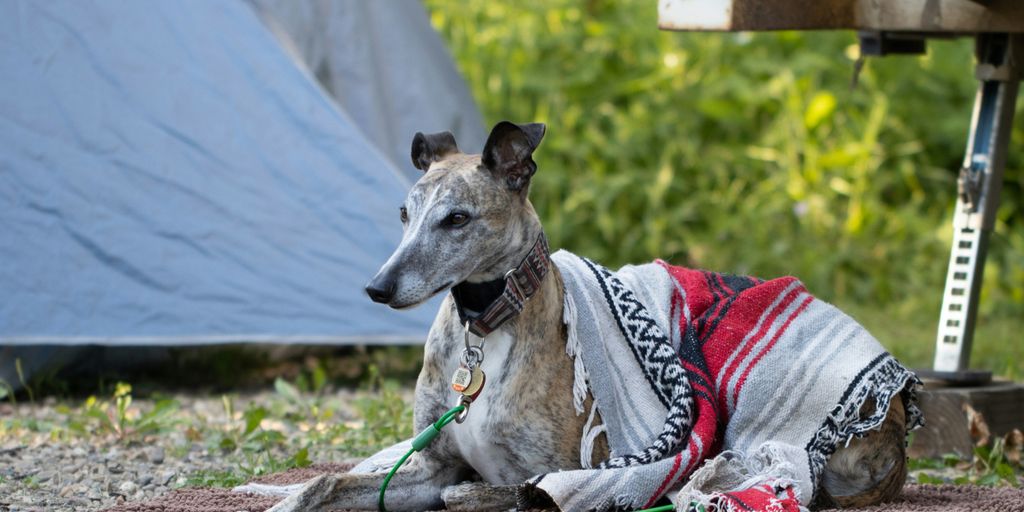
Camping with your dog isn’t just about surviving in the wilderness; it’s about creating memorable experiences together. A bored dog can quickly become a destructive or anxious dog, so planning engaging activities is essential for a successful trip. Think beyond just letting them wander around the campsite. Let’s explore some ideas to keep your furry friend happy and entertained.
Researching Dog-Friendly Options
Before you even pack your bags, do some homework. Not all trails and campgrounds are created equal when it comes to canine companions. Look for places that specifically welcome dogs and offer amenities like dog parks or designated walking areas. Check online resources, read reviews from other dog owners, and call ahead to confirm any restrictions or requirements, such as leash laws or breed-specific bans. Knowing what to expect will help you tailor your activities and avoid unpleasant surprises. For example, some parks might have amazing dog-friendly trails.
Incorporating Water Activities
If your dog loves the water, camping near a lake, river, or even a dog-friendly beach can open up a world of fun. Swimming is a great way for dogs to burn energy and cool off on a hot day. Just be sure to prioritize safety. Always supervise your dog near water, even if they’re a strong swimmer. Consider investing in a dog life jacket, especially if you plan on doing any boating or paddleboarding. And don’t forget to pack a towel for drying them off afterward!
Mental Stimulation with Brain Games
Physical exercise is important, but mental stimulation is just as crucial for a well-rounded camping experience. Pack some brain games or puzzle toys to keep your dog entertained during downtime. These can be anything from treat-dispensing toys to simple hide-and-seek games with their favorite chew. You can even get creative and use natural elements like rocks and logs to create an obstacle course for them to navigate. Remember to bring interactive feeders to make meal times more engaging.
Packing Smart for Your Dog’s Camping Trip
Okay, so you’re planning a camping trip with your furry best friend? Awesome! But before you hit the road, let’s talk about packing. It’s not just about throwing some kibble in a bag; it’s about making sure your dog is comfortable, safe, and happy throughout the adventure. Think of it as packing for a small, four-legged, slightly less responsible version of yourself.
Choosing the Right Tie-Out
When you’re at the campsite, you’ll want a way to let your dog explore a bit without letting them wander off into the wilderness. That’s where a tie-out comes in. But not all tie-outs are created equal. Consider the length and material. A long tie-out gives your dog more freedom, but make sure it’s not so long that they can reach the road or other campsites. Steel cable tie-outs are durable and chew-resistant, which is great if you have a determined chewer. Just be sure to check it regularly for any signs of wear and tear. Also, think about the type of clip; a locking carabiner is much safer than a simple snap hook. You don’t want your dog accidentally unclipping themselves and going on an unplanned adventure. Remember to always supervise your dog while they’re on a tie-out.
Considering a Portable Pet Pen
If you want something a bit more secure than a tie-out, a portable pet pen is a fantastic option. These pens are lightweight, easy to set up, and provide a contained space for your dog to relax. They’re especially useful if you have a dog that’s prone to chasing squirrels or other wildlife. Look for a pen that’s tall enough to prevent your dog from jumping over it, and sturdy enough to withstand some enthusiastic leaning. Mesh-sided pens offer good ventilation and visibility, while solid-sided pens provide more privacy and protection from the elements. A portable pet pen can also double as a safe space for your dog to sleep in at night, especially if they’re not used to sleeping in a tent.
Interactive Feeders for Mealtime
Camping can be a bit disruptive to your dog’s routine, so it’s important to provide them with some mental stimulation to keep them from getting bored or anxious. Interactive feeders are a great way to do this. Instead of just dumping their food in a bowl, you can make them work for it. There are puzzle feeders that require your dog to solve a problem to get to the food, slow feeders that prevent them from eating too quickly, and even treat-dispensing toys that keep them entertained for hours.
Using interactive feeders can also help to prevent bloat, a serious condition that can affect dogs that eat too quickly. Plus, it’s just plain fun to watch your dog figure out how to get to their food. It’s like a little game for them, and it helps to keep their minds sharp.
Here’s a quick list of other essentials to consider:
- Food and Water: Pack enough of your dog’s regular food for the entire trip, plus a little extra in case of delays. Don’t forget collapsible bowls for easy storage and transport. Bring plenty of water, or a way to purify water from natural sources.
- Leash and Collar/Harness: A sturdy leash and a well-fitting collar or harness are essential for keeping your dog safe and under control. Make sure your dog’s ID tags are up-to-date.
- Waste Bags: Be a responsible pet owner and always clean up after your dog. Pack plenty of waste bags and dispose of them properly.
- First-Aid Kit: A basic first-aid kit for dogs should include items like antiseptic wipes, bandages, gauze pads, and pain relief medication (consult with your vet before administering any medication).
Gradual Introduction to the Camping Experience
Camping with your dog can be an amazing experience, but it’s not something you want to jump into without preparation. A gradual introduction is key to making sure your dog is comfortable and enjoys the trip as much as you do. Rushing the process can lead to anxiety and make future camping trips less appealing for your furry friend.
Starting with Short Trips
Don’t plan a week-long excursion for your dog’s first camping experience. Instead, begin with short trips, like an overnight stay in your backyard or a nearby campground. This allows your dog to get used to the sights, sounds, and smells of camping without being overwhelmed. These shorter trips serve as a trial run, allowing you to identify any potential issues before committing to a longer adventure.
Here’s a simple progression you could follow:
- Backyard Camping: Set up the tent in your backyard and let your dog explore it. Spend some time inside with them, offering treats and praise.
- Day Trip to a Campground: Visit a local campground for a few hours. Take your dog for a walk, let them sniff around, and get used to the environment.
- Overnight Camping Trip: Once your dog seems comfortable, plan a short overnight trip to a campground. This will give you a better idea of how they handle sleeping in a tent and being away from home.
Addressing Travel Stress
Some dogs experience travel stress, whether it’s from car rides or being in unfamiliar environments. If your dog gets anxious during car rides, start with short drives and gradually increase the distance. You can also use calming aids, like pheromone sprays or calming treats, to help them relax. Make sure your dog has a wellness check with a vet before you go.
It’s important to recognize the signs of stress in your dog, such as excessive panting, drooling, whining, or pacing. If you notice these signs, take a break and try to calm your dog down. Never force your dog to do something they’re uncomfortable with.
Allowing Time for Adjustment
When you arrive at the campsite, give your dog time to adjust to their new surroundings. Let them explore the area on a leash, sniff around, and get used to the sights and sounds. Avoid overwhelming them with too much activity right away. Set up their portable pet pen and let them relax.
Consider these points for a smooth adjustment:
- Establish a Routine: Maintain a consistent routine for feeding, walking, and playtime to help your dog feel secure.
- Create a Safe Space: Make sure your dog has a comfortable and familiar space in the tent, like their bed or blanket.
- Be Patient: It may take some time for your dog to fully adjust to camping. Be patient and understanding, and offer plenty of reassurance and praise.
Starting your camping journey doesn’t have to be hard. You can begin with simple steps, like backyard camping, and slowly work your way up to bigger adventures. This gentle approach helps everyone, especially kids, get used to being outdoors and loving nature. Ready to plan your first outdoor sleepover? Visit our website for more easy tips and tricks to make your camping dreams come true!
Wrapping It Up
So, there you have it. Getting your dog ready for tent life might seem like a lot, but it’s really about taking things slow and being patient. Start small, like in the backyard, and make sure they feel good about their new sleeping spot. Bring their favorite blanket or bed to make it feel like home. Remember, every dog is different, so what works for one might not work for another. Just keep at it, and soon enough, you’ll both be enjoying those starry nights out in nature, making some pretty cool memories together.
Frequently Asked Questions
How can I help my dog get used to sleeping in a tent?
Start by setting up your tent in the backyard. Let your dog explore it at their own speed. Toss some treats inside to make it a fun place. Once they’re comfy, try spending a night out there with them. This helps them get used to the tent and sleeping outside.
What are the most important commands for a camping dog?
The ‘Stay’ command is super helpful for keeping your dog still when you’re busy, like setting up camp. ‘Come’ is a must for their safety, especially if they wander off. And ‘Leave It’ is key to stop them from eating anything harmful they find on the ground.
How can I make sure my dog behaves well at a campsite?
Practice walking nicely on a leash, especially since many campsites require it. Teach them to greet other people and dogs calmly, maybe by sitting politely. Also, work on keeping them focused on you, even when there are exciting smells or noises around.
What are the best ways to keep my dog safe while camping?
Always keep your dog secure. Use a strong leash or a tie-out that’s anchored well. Check their paws often for cuts or soreness from rough ground, and bring paw balm. Always have a plan for bad weather, like a cozy spot in the car or a rain cover for their sleeping area.
What kind of activities can I do with my dog while camping?
Look up dog-friendly trails or swimming spots near your campsite. Bring toys for fetch or a floating toy for water fun. Don’t forget brain games like puzzle feeders or snuffle mats to keep their minds busy, especially on rainy days.
What gear should I bring for my dog’s camping trip?
A good tie-out or a portable pet pen can keep your dog safe and contained at camp. Interactive feeders are great for mealtime, making them work for their food and keeping them busy. Also, pack their favorite bed or blanket to make the tent feel more like home.