
Winter is a fun time with crisp air and snowy landscapes, offering lots of chances for outdoor adventures. If you love the winter season, your dog probably does too! But before you head out for some snowy fun, it’s really important to make sure your dog is ready for the colder weather. Training a dog to enjoy snow means taking the time for them to get used to it, learn how to stay safe, and build up their ability to handle the cold. You definitely don’t want your dog to get too cold, slip on ice, or feel scared in new conditions. With a bit of planning and some good training, your dog will be all set to enjoy winter safely and happily.
Key Takeaways
- Start with basic obedience: Make sure your dog knows commands like “sit,” “stay,” and “come” well, especially in snowy places.
- Get them used to the cold slowly: Introduce your dog to cold weather and snow a little bit at a time, watching for any signs they’re uncomfortable.
- Use the right gear: Help your dog get comfortable wearing winter clothes like coats and boots to keep them warm and protected.
- Practice recall in snow: Work on your dog coming back to you when called, even when there are lots of snowy distractions around.
- Always do post-adventure care: After playing in the snow, clean your dog’s paws, dry their fur, and give them fresh water to keep them healthy and warm.
Building a Foundation for Snow Adventures
Before you and your furry friend start making snow angels and chasing snowballs, it’s important to lay the groundwork for safe and enjoyable winter outings. Just like humans, dogs need to be prepared for the unique challenges that snow and cold weather present. This involves reinforcing basic obedience, getting them used to the cold, and practicing safe leash manners on slippery surfaces. Let’s get started!
Mastering Basic Obedience Commands
A solid foundation in basic obedience is non-negotiable for winter safety. Imagine your dog spotting a squirrel and taking off across a frozen pond! Commands like "sit," "stay," "come," and "leave it" can be lifesavers in such situations. Even if your dog is well-trained, practicing these commands in a snowy environment will reinforce their responsiveness in cold and distracting conditions. Start indoors, then gradually introduce training in the snow, using high-value treats as rewards. It’s also a good idea to practice basic obedience in a variety of locations.
Acclimating Your Dog to Cold Weather
Don’t expect your dog to be ready for a long hike in sub-zero temperatures right away. Gradual acclimation is key. Start with short walks and gradually increase the duration as your dog gets used to the cold. Pay close attention to their body language. Shivering, lifting paws, or seeking shelter are all signs that they’re getting too cold. Certain breeds tolerate cold better than others, so do your research. Remember, even cold-hardy breeds have their limits.
Training for Safe Leash Walking on Snow and Ice
Walking on snow and ice presents unique challenges. Slippery surfaces can make it difficult for your dog to maintain their balance, and pulling on the leash can increase the risk of falls for both of you. Practice walking calmly on a loose leash, and teach your dog to yield to your direction. Consider using a harness instead of a collar to distribute pressure more evenly. Also, be mindful of dog activities in winter that might be too strenuous for your dog.
Preparing Your Dog With Essential Winter Gear
Getting Your Dog Comfortable with Winter Apparel
Okay, so getting your dog to actually wear winter gear can be a challenge. Some dogs take to it right away, others act like you’re trying to put them in a medieval torture device. The trick is to introduce things slowly and make it a positive experience. Start by just letting them sniff the coat or boots. Then, put it on them for a few seconds inside, giving them treats and praise. Gradually increase the time they wear it, always associating it with good things. Don’t force it if they’re really stressed; take a break and try again later. Patience is key!
Selecting Appropriate Winter Boots and Coats
Choosing the right winter gear is super important. Not all coats are created equal! You want something that fits well, doesn’t restrict movement, and provides adequate warmth. For boots, measure your dog’s paws to get the right size. Too big, and they’ll slip off; too small, and they’ll be uncomfortable. Look for boots with good traction to prevent slips on ice. A good winter coat should be waterproof or water-resistant and cover most of their body. Consider these factors:
- Material: Fleece-lined for warmth, waterproof outer layer.
- Fit: Snug but not too tight, allows for full range of motion.
- Coverage: Extends from neck to tail base, protecting vital organs.
It’s also a good idea to have a backup coat and boots, especially if you live in an area with heavy snow or frequent rain. That way, if one set gets wet or muddy, you’ll always have a dry set ready to go.
Enhancing Safety Through Advanced Training
Strengthening Recall and Emergency Commands
It’s not enough for your dog to sort of listen when you call them inside. In snowy conditions, a rock-solid recall can be a lifesaver. Think about it: if your dog gets spooked and bolts, or wanders onto thin ice, you need them to come back immediately. We’re talking about practicing recall in all kinds of distracting environments, not just your backyard.
- Use high-value treats.
- Vary your tone of voice.
- Practice in different locations.
Beyond recall, teach emergency commands like "leave it" or "drop it." If your dog picks up something dangerous (like a piece of ice melt), you need to be able to get them to release it instantly.
Practicing Commands in Distracting Snowy Environments
Snow changes everything. Smells are different, visibility can be limited, and the ground feels weird under their paws. All of this can make even well-trained dogs a little…scattered. That’s why it’s important to practice commands in actual snowy conditions. Start in a controlled area, like your yard, and gradually introduce more distractions.
Don’t expect perfection right away. Your dog might need some time to adjust to the new environment. Be patient, keep training sessions short and fun, and reward them generously for good behavior. Remember, the goal is to build confidence and reinforce their training in a challenging setting.
Consider these scenarios:
- Walking past other dogs playing in the snow.
- Navigating a busy sidewalk after a snowfall.
- Responding to commands while wearing winter gear.
Make sure your dog can still perform basic commands like "sit," "stay," and "down" even when they’re cold, excited, or surrounded by distractions. This is where all that foundation work really pays off. You can even work on Canine Good Citizen skills during the winter months to keep their mind sharp.
Introducing Fun Winter Activities Gradually
It’s time to get out there and have some fun! But remember, gradual introduction is key to making sure your dog enjoys the snow safely and comfortably. Don’t rush into intense activities right away. Let’s start with some gentle introductions and build up from there.
Starting with Low-Energy Snow Play
Begin with short, low-intensity sessions to gauge your dog’s reaction to the snow. Let them explore at their own pace. A good starting point is simply letting them sniff around in a lightly snow-covered area. Observe their body language for signs of enjoyment or discomfort. If they seem hesitant, don’t force it. You can try again later. Keep these initial sessions brief, maybe just 5-10 minutes, and always end on a positive note. This helps create a positive association with the snow. You can even try sprinkling some treats in the snow to encourage exploration. Remember, the goal is to make it a fun and positive experience.
Exploring Pet-Friendly Winter Trails
Once your dog seems comfortable with the snow, you can start exploring some pet-friendly winter trails. Choose trails that are relatively flat and well-maintained to minimize the risk of slips and falls. Keep your dog on a leash, especially in areas with other people or wildlife. Pay attention to the trail conditions and avoid areas with excessive ice or deep snowdrifts. Bring water for both you and your dog, and take frequent breaks to rest and rehydrate. Remember to strengthen recall before venturing out on trails, ensuring your dog’s safety.
Engaging in Interactive Snow Games
Now for the fun part! Once your dog is acclimated to the snow and comfortable on trails, you can start engaging in some interactive snow games. Here are a few ideas:
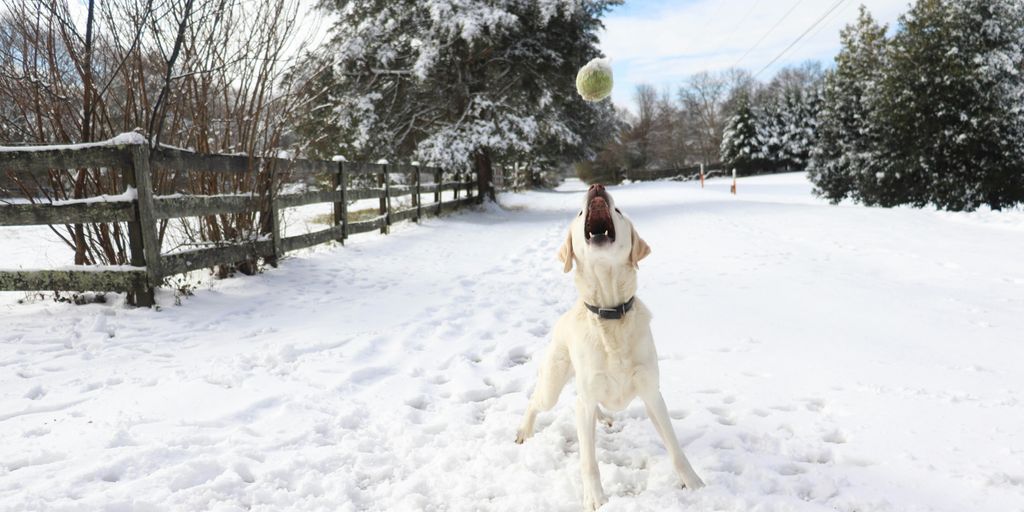
- Snow Fetch: Use a bright-colored ball or toy that’s easy to see in the snow. This is a great way to get your dog moving and burn off some energy.
- Snow Digging: Bury a toy or treat in a shallow pile of snow and let your dog dig it out. This is a fun and stimulating activity that taps into their natural instincts.
- Snow Obstacle Course: Create a simple obstacle course using snow piles and other natural features. Guide your dog through the course using verbal commands and positive reinforcement. This is a great way to challenge them mentally and physically.
Always supervise your dog during snow games and be mindful of their energy levels. If they start to show signs of fatigue or discomfort, take a break and head back inside. Remember, the goal is to have fun and create positive memories with your furry friend.
Ensuring Post-Adventure Warmth and Care
After a fun romp in the snow, it’s super important to take care of your dog to make sure they stay happy and healthy. Think of it like winding down after a workout – they need to relax and recover!
Wiping Paws to Remove Ice and Salt
Those adorable paws can pick up all sorts of nasty stuff in the snow, especially salt and ice. Salt can irritate their paws and even be toxic if they lick it off, so a quick wipe-down is a must. I usually keep a damp towel by the door for this purpose. It’s also a good idea to check between their toes for any ice balls that might have formed. These can be painful, so gently melt them with warm water. You can also use paw balms to protect their paws before and after going outside.
Drying Wet Fur After Outdoor Play
Wet fur can quickly lead to chills, especially in cold weather. Make sure to dry your dog thoroughly with a towel after they’ve been playing in the snow. Pay special attention to their belly, legs, and ears, as these areas tend to get the wettest. If your dog has a thick coat, you might even consider using a dog-specific blow dryer on a low, warm setting. Just be careful not to overheat them!
Providing Hydration After Cold Exposure
Even though it’s cold outside, dogs can still get dehydrated during winter activities. Make sure to offer them fresh water as soon as you get back inside. Sometimes, they might be too cold to drink a lot of water at once, so try offering small amounts frequently. You can also add a little bit of warm water to their bowl to encourage them to drink.
After an adventure, it’s great to have a routine. I like to give my dog a warm, quiet space to relax. This helps them decompress and avoid pacing around restlessly. A comfy bed and a favorite toy can make all the difference.
After a fun day out, it’s super important to make sure your dog is warm and comfy. A little extra care goes a long way in keeping them happy and healthy. Want to learn more ways to keep your furry friend feeling great? Check out our website for more tips!
Final Thoughts
So, winter really opens up a whole new world of fun for you and your dog, right? But seriously, getting them ready is super important to make sure everyone stays safe and has a good time. With just a little bit of patience and getting things set up beforehand, your dog will be totally ready to jump into all the cool winter stuff. So go on, grab your coat, get your pup on their leash, and start checking out that winter wonderland together!
Frequently Asked Questions
Can dogs walk in the snow?
Yes, dogs can walk in the snow, but you need to be careful. Their paw pads can get very cold, leading to frostbite or cracks. It’s a good idea to put dog boots on them or use paw balm to protect their feet. Also, keep walks shorter when it’s really cold.
How long can dogs stay in the snow?
How long your dog can stay in the snow depends on their breed, coat, and how used they are to cold weather. Breeds like Huskies love the snow and can stay out longer, while short-haired dogs get cold quickly. Watch for signs like shivering or lifting paws, and bring them inside if you see these.
How do I know if my dog is too cold in the snow?
Signs that your dog is too cold include shivering, whining, slowing down, trying to lift their paws off the ground, or looking for shelter. If you notice any of these, it’s time to go inside and warm them up.
Are dog boots necessary for snow?
Yes, special dog boots can protect your dog’s paws from ice, snow, salt, and harsh chemicals used on roads. It might take some time for your dog to get used to wearing them, so start with short periods indoors and give them treats.
What should I do after my dog plays in the snow?
After playing in the snow, always wipe your dog’s paws to remove any ice, snow, and salt. Dry their fur, especially if it’s wet, to prevent them from getting too cold. Also, make sure they have fresh water to drink, as they can get thirsty even in cold weather.
My dog doesn’t like snow. Can I teach them to enjoy it?
Not all dogs enjoy the snow right away. Some might be scared or uncomfortable. You can help them by introducing snow slowly, making it a fun experience with treats and praise, and ensuring they have warm gear like a coat or boots. Never force them if they seem unhappy.