
Teaching your dog to play dead is not just a fun trick, but it’s also a great way to build a bond with your furry friend. This guide will walk you through the steps on how to teach a dog to play dead, making the process enjoyable for both you and your pup. Whether you’re a seasoned dog owner or a newbie, these tips are designed to make training easy and effective.
Key Takeaways
- Start with basic commands like ‘lie down’ and ‘stay’ before moving to ‘play dead’.
- Use treats and positive reinforcement to encourage your dog during training.
- Practice in a distraction-free environment to help your dog focus.
- Introduce a unique cue for the ‘play dead’ trick, like ‘bang’ or a hand gesture.
- Be patient and consistent, rewarding your dog for progress, no matter how small.
Understanding the Basics of Dog Training
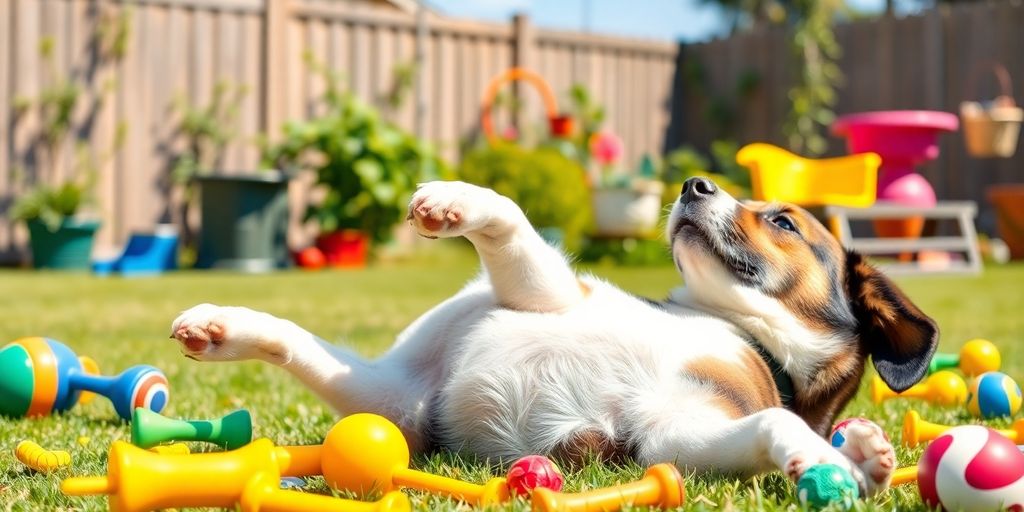
Training your dog is like laying the groundwork for a lifelong friendship. It’s not just about teaching commands; it’s about building a bond. Let’s break down the basics.
Building Trust with Your Dog
Trust is the cornerstone of any strong relationship, and it’s no different with your dog. Creating a trusting environment is key to effective training. Start by spending quality time with your dog, ensuring they feel comfortable and secure around you. Simple acts like feeding, playing, and gentle petting can go a long way. Remember, dogs are perceptive; they can sense your emotions. So, be patient and consistent in your approach.
The Importance of Consistency
Consistency is crucial in dog training. Dogs thrive on routine and predictability. If you change commands or reward patterns, it can confuse your furry friend. Stick to a set of commands and use them consistently. This helps your dog understand what’s expected of them. Whether you’re teaching them to sit, stay, or play dead, consistency will make the learning process smoother.
Using Positive Reinforcement
Positive reinforcement is all about rewarding your dog for good behavior. This method encourages them to repeat the action. Use treats, praise, or playtime as rewards when your dog follows a command successfully. It’s like giving them a thumbs up and saying, "Well done!" Keep sessions short and fun, and always end on a positive note. This keeps your dog eager to learn and strengthens your bond.
Training isn’t just about commands. It’s about understanding your dog’s needs and responding with empathy and patience. When you approach training with love, you’ll find that your dog is not just learning tricks but also becoming a more integral part of your life.
By focusing on trust, consistency, and positive reinforcement, you’ll set a solid foundation for teaching your dog new tricks and commands. It’s a journey that requires time and patience, but the rewards are well worth it.
Preparing Your Dog for the Play Dead Trick
Mastering the Lie Down Command
Before jumping into the play dead trick, it’s crucial to ensure your dog is comfortable with the "lie down" command. Start by getting your dog to sit. Hold a treat above their nose and move it slowly towards the ground. As they follow the treat, they should naturally lie down. Consistency is key here, so repeat this process until your dog lies down on command without hesitation.
Introducing the Stay Command
Once your dog is adept at lying down, it’s time to teach them to "stay." This command helps your dog remain in position, which is essential for the play dead trick. Begin by commanding your dog to lie down, then open your palm towards them and say "stay." Step back slowly, and if they remain in place, reward them with a treat. Gradually increase the distance and duration before rewarding them.
Choosing the Right Environment
Selecting the right environment for training can make a big difference. Choose a quiet, distraction-free area to help your dog focus. This could be a familiar spot in your home or a secluded part of your backyard. Remember, a calm setting helps your dog learn faster and reduces anxiety.
Training your dog requires patience and understanding. Each dog learns at its own pace, so be patient and celebrate small victories along the way.
By ensuring your dog is comfortable with these foundational commands, you’re setting the stage for a successful play dead trick training session. Teaching dogs tricks like rolling over enhances bonding and obedience, creating a fun and rewarding experience for both you and your furry friend.
Step-by-Step Guide to Teaching Play Dead
Starting with the Lie Down Position
Before jumping into teaching your dog to play dead, make sure they’ve mastered the "lie down" command. This is the foundation. If your pup is still shaky with this, spend some time reinforcing it. Get them comfortable lying down on command because this is where the magic begins.
Using Treats to Guide Your Dog
Now, grab a treat. Hold it between your fingers and let your dog sniff it out. Ask them to lie down, then slowly move the treat towards the side of their head. This should naturally encourage them to roll onto their side. Consistency is key here, so keep practicing until they get it.
Introducing the Play Dead Cue
Once your dog is rolling onto their side with ease, it’s time to introduce a cue. You might say "play dead" or "bang"—whatever feels right. Pair this with a hand signal, like a finger gun gesture. Every time they perform the trick, reward them with a treat. Soon, they’ll start associating the cue with the action.
Teaching your dog to play dead is more than just a fun party trick; it’s a great way to bond and build trust. Keep sessions short and sweet, and always end on a positive note.
Adding Flair to the Play Dead Trick
Incorporating a Finger-Gun Gesture
To make the "play dead" trick even more theatrical, you can add a finger-gun gesture. This involves pointing your finger at your dog like a gun and saying "bang" as they drop to the ground. It’s a fun twist that adds a dramatic flair to the performance. Start by practicing the basic "play dead" command until your pup is comfortable. Then, introduce the finger-gun motion. Consistency is key here, so make sure to use the same gesture and verbal cue each time.
Delaying the Treat Reward
Once your dog is getting the hang of "playing dead," try delaying the treat reward to build anticipation. By waiting a few seconds before giving the treat, you can increase your dog’s focus and excitement. This delay also helps your pup understand that the trick isn’t over until you say so. Begin with a short delay and gradually increase the time as your dog becomes more confident.
Practicing with Drama and Enthusiasm
Bring some drama into your training sessions by acting out the "play dead" scenario with enthusiasm. Use an animated voice and exaggerated gestures to keep your pup engaged. Dogs are highly responsive to energy levels, so your excitement can encourage them to perform with more flair. You might even roll on the floor with your dog to show them how much fun it can be. Remember, the goal is to make this a joyful and entertaining experience for both of you.
Practicing these variations not only makes the trick more entertaining but also strengthens the bond between you and your dog. It’s about creating a shared moment of fun and laughter.
Troubleshooting Common Challenges
Dealing with Distractions
When teaching your dog the play dead trick, distractions can be a real hurdle. Dogs are naturally curious, so anything from a passing squirrel to a distant noise can break their focus. Start training in a quiet, familiar place where your dog can concentrate without interruptions. As they get better at the trick, gradually introduce mild distractions to build their focus. Here’s a simple approach:
- Begin in a quiet room.
- Slowly add distractions like a toy or another person.
- Practice in different locations to generalize the behavior.
Overcoming Fear or Anxiety
Some dogs might feel anxious or fearful when learning new tricks. This can be due to past experiences or simply a lack of confidence. To help your dog overcome this, use gentle encouragement and positive reinforcement. It’s crucial to be patient and avoid any form of punishment, which can increase anxiety. Try breaking the trick into smaller steps and rewarding your dog for each success. If your dog seems particularly nervous, consider consulting a professional trainer.
Ensuring Consistent Performance
Consistency is key when teaching any trick, especially something as specific as "play dead." Dogs thrive on routine, so try to practice at the same time each day. Use the same cues and rewards to avoid confusion. If your dog struggles to perform consistently, revisit the basics like the lie down command and ensure they’re comfortable with each step before moving on. Remember, patience and repetition are your best friends in achieving reliable results.
Training a dog isn’t just about the tricks; it’s about building a bond of trust and understanding. Take each challenge as an opportunity to grow closer to your furry friend.
Reinforcing the Play Dead Trick in Different Settings
Practicing Indoors and Outdoors
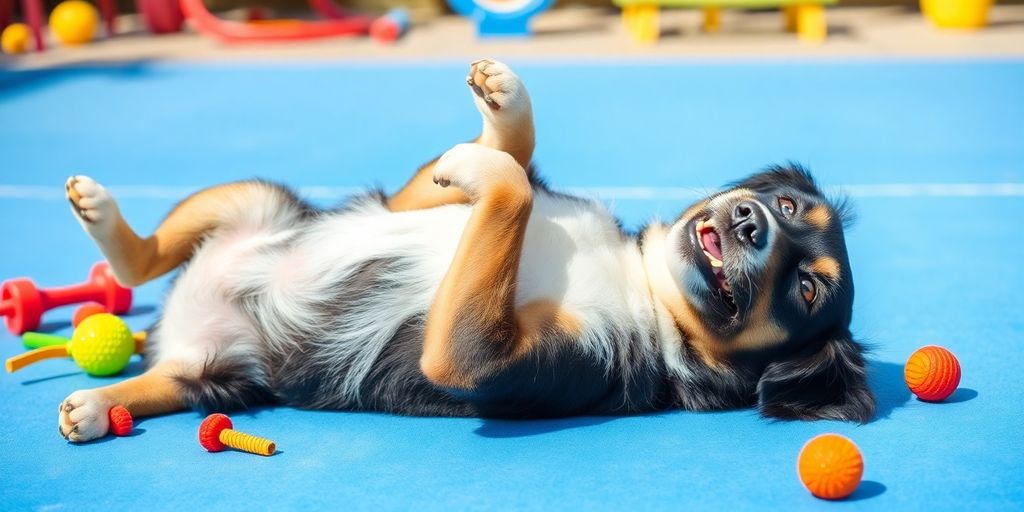
Training your dog in different environments is key to reinforcing the "play dead" trick. Start indoors, where distractions are minimal, and your dog feels comfortable. Once your dog nails the trick inside, take the show on the road! Try practicing in the backyard or a local park. Dogs need to learn that commands apply everywhere, not just in familiar settings. This helps them understand that "play dead" isn’t just an indoor game.
Using Different Cues and Signals
Variety is the spice of life, and it also keeps your dog engaged. Try using different cues or signals to keep the "play dead" trick fresh. Maybe use a different word or a hand gesture. This way, your dog learns to associate the action with multiple signals, making them more adaptable. You could even pair the trick with a fun gesture like a finger-gun motion. This keeps training lively and prevents your dog from getting bored.
Maintaining Your Dog’s Interest
Keeping your dog interested is all about making training sessions fun and rewarding. Use treats, praises, or playtime as rewards. Mix up the routine by alternating between tricks—throw in a "shake" or "roll over" to keep your pup on their toes. The goal is to make training feel less like work and more like a game. Dogs love a good challenge and being rewarded for their efforts.
Remember, patience and consistency are your best friends when training your dog. Every dog learns at their own pace, so keep the sessions short and positive. Celebrate small victories along the way.
Celebrating Success and Progress
Rewarding Your Dog’s Achievements
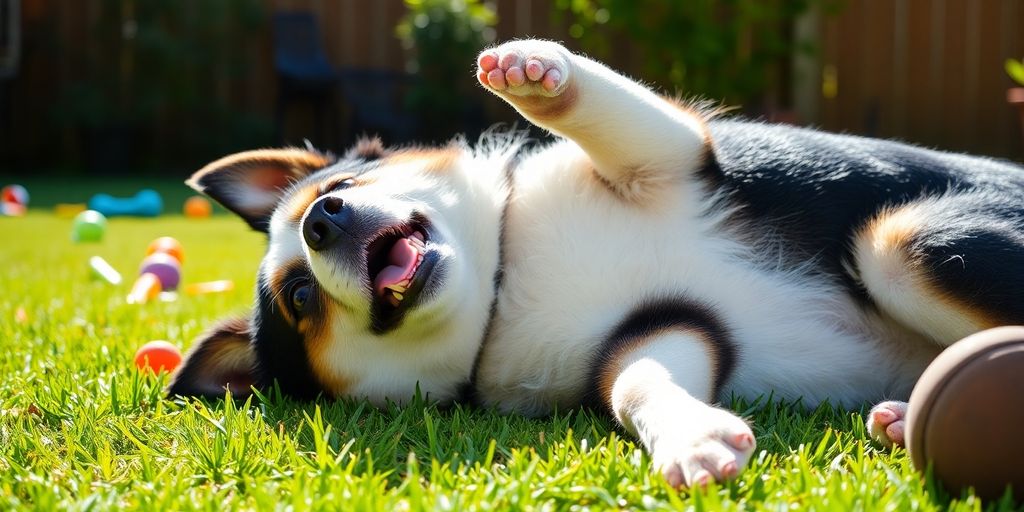
After your dog has successfully learned the "play dead" trick, it’s time to celebrate! Positive reinforcement is key to maintaining your dog’s enthusiasm for learning. Offer your furry friend their favorite treats or a special toy as a reward. You can even rotate different types of treats to keep things exciting. For instance, try using Munchbird’s Lamb Trotter treats, which are not only delicious but also beneficial for dental health.
Sharing the Trick with Friends and Family
Once your dog has mastered the trick, it’s time to show off their new skill! Invite friends and family over for a little demonstration. This is a great way to socialize your dog and boost their confidence. Plus, it’s always fun to watch your loved ones’ reactions when your dog dramatically "plays dead" on cue.
Continuing to Build on New Tricks
Learning doesn’t stop with just one trick. Keep your dog’s mind sharp by teaching them new tricks, like a "high five" or "peekaboo". These activities can strengthen your bond and keep your dog mentally stimulated. Remember, consistency and patience are essential for successful training. Incorporating play into sessions makes learning enjoyable for both of you. For more tips on teaching your dog tricks, check out the benefits of trick training.
"Training your dog is not just about commands; it’s about building a relationship based on trust and understanding. The journey of teaching tricks is as rewarding as the tricks themselves."
Let’s take a moment to celebrate the achievements and progress we’ve made together! Every small step counts, and it’s important to recognize how far we’ve come. If you’re looking to enhance your dog’s training journey, visit our website for valuable resources and tips. Together, we can create a happier and more well-behaved companion!
Wrapping It Up: Your Dog’s New Trick
So there you have it, folks! Teaching your dog to play dead isn’t just about the trick itself—it’s about the fun and bonding you get along the way. Sure, it might take a few tries, and maybe a lot of treats, but seeing your pup nail that dramatic flop is totally worth it. Remember, patience is key, and every dog learns at their own pace. Keep it light, keep it fun, and soon enough, your dog will be the star of the show, impressing friends and family with their Oscar-worthy performance. Happy training!
Frequently Asked Questions
What is the best age to start training my dog to play dead?
You can start teaching your dog tricks like playing dead as soon as they are around 8 weeks old. Puppies have short attention spans, so keep training sessions brief and fun.
How long does it usually take to teach a dog to play dead?
The time it takes can vary depending on your dog’s age, breed, and personality. Some dogs might learn in a few days, while others may take a few weeks. Consistent practice is key.
What treats should I use to train my dog to play dead?
Use small, tasty treats that your dog loves. Soft treats or small pieces of cooked chicken work well because they are easy to chew and quick to eat during training.
Can older dogs learn the play dead trick?
Yes, older dogs can learn new tricks, including playing dead. It might take a bit more patience, but with consistent training, older dogs can master this trick too.
What if my dog gets distracted easily during training?
Try training in a quiet area with few distractions. Keep sessions short and engaging, and gradually increase distractions as your dog becomes more confident.
How can I make the play dead trick more dramatic?
You can add flair by using a hand gesture, like a finger-gun, when giving the cue. Delaying the treat reward can also build suspense, making the trick more entertaining.