
Training a hyper puppy can feel like a wild ride, but with the right techniques, it can also be a rewarding experience. Puppies are full of energy and curiosity, which can sometimes lead to mischief. Understanding their behavior and implementing effective training methods will help you shape them into well-behaved companions. This guide will cover everything from recognizing hyperactivity to effective training strategies and the importance of exercise and socialization.
Key Takeaways
- Recognize the signs of hyperactivity early on to address them effectively.
- Use positive reinforcement to encourage good behavior and build a strong bond.
- Incorporate regular exercise and mental stimulation into your puppy’s routine.
- Socialize your puppy with other dogs and different environments to promote confidence.
- Stay consistent and patient throughout the training process for the best results.
Understanding Hyperactivity in Puppies
Recognizing Signs of Hyperactivity
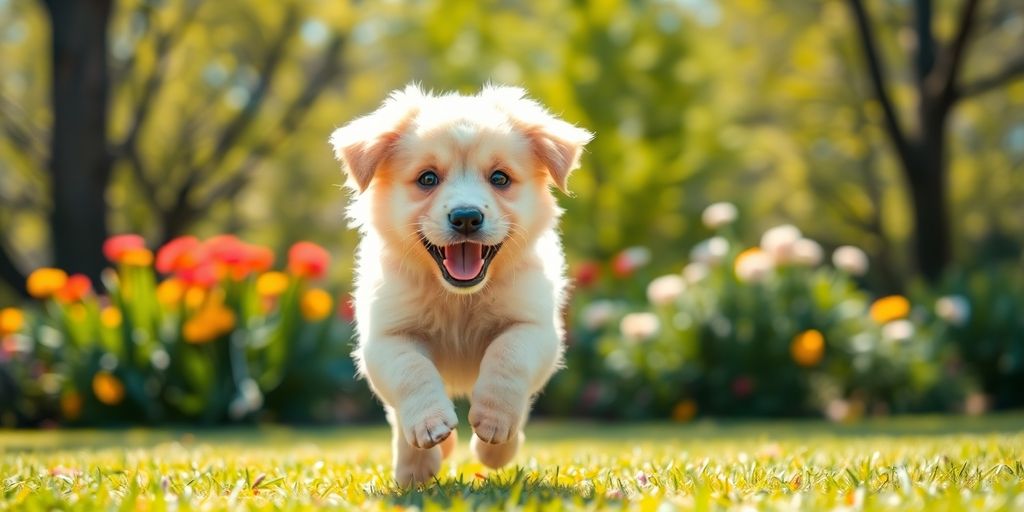
When puppies show too much motion and an inability to sit still, it can be a clear sign that they are highly active. For instance, behaviors such as running around without stopping, intense excitement at small triggers, and an unwillingness to relax are things you might see. Some common signs include:
- Constant fidgeting
- Quick bursts of energy
- Difficulty staying still for even a short period
You might even notice what some call high energy traits, which often means the pup is simply brimming with active behavior.
A quick table can help clarify different observable signs:
| Sign | Explanation |
|---|---|
| Non-stop movement | The puppy rarely sits or lies down |
| Overreaction to noise | Even soft sounds can trigger a burst of activity |
| Excessive barking/whining | Vocal expressions when energy peaks |
Common Causes of Hyperactivity
There are several reasons why a puppy might be overly active. One main cause is having extra energy with no outlet at home. Lack of proper exercise, an overstimulating environment, or even small genetic factors can play a role. Overstimulation from too many sounds and sights might add to the problem. Some everyday triggers include:
- Limited physical outlets during the day
- Changes in surroundings or routines
- Overexposure to stimulating noises
Sometimes, a pup might behave in an energetic way simply because they haven’t learned how to settle down in low-key moments.
The Importance of Early Training
Early training shapes a puppy’s behavior for the long term. Starting training early creates the basis for more balanced and calm behavior. When pups learn what is expected of them at a young age, they are more likely to manage their energy better over time.
- Introducing basic commands can help channel their energy.
- Short training sessions throughout the day are more effective than one long session.
- Consistency in training supports better behavior control.
Starting training early not only guides a puppy in understanding acceptable behavior but also builds a steady routine that makes daily life easier.
Effective Training Techniques for Hyper Puppies
Positive Reinforcement Strategies
Training your hyper puppy starts with clear rewards when they do the right thing. Positive reinforcement is the best approach when it comes to building trust and clear communication. Use small treats, kind words, or a quick play session to let your puppy know they’re on track. Here are some easy steps:
- Reward your pup immediately after a good action.
- Use snack treats or toys as incentives.
- Keep training sessions short and fun.
This method helps your dog make the connection between a good behavior and a positive outcome. Incorporating advanced training tools like specialized treats or toys can also make the process smoother.
Redirecting Aggressive Behavior
If you notice behaviors that look like they might turn aggressive, it’s best to calmly shift your puppy’s attention. Instead of using harsh corrections, try a gentle redirection. For example, if your pup starts nipping or barking excessively, guide them towards a toy or a simple command they already know.
Some practical ways to redirect include:
- Recognize the early signs of unwanted behavior.
- Introduce a new, engaging activity right away.
- Praise your pup when they respond well to redirection.
This way, your puppy learns to replace aggression with a more acceptable response over time.
Using Calming Aids
Calming aids might not fix everything, but they can help your puppy settle down enough for the session to work. Options like a pheromone diffuser or an anxiety wrap sometimes do the trick. Always ask your vet which products are safe for your puppy. Consider these points:
- Pheromone diffusers to create a relaxed atmosphere.
- Anxiety wraps for a gentle, hugging pressure.
- Vet-approved calming supplements.
A calm puppy learns more easily, and a gentle training environment helps both you and your pet stay patient and focused.
Keeping with these methods will not only improve your puppy’s behavior but also build their trust. Integrating ideas from advanced training advice can help maintain a friendly approach all along.
The Role of Exercise in Training
A hyper puppy needs exercise, and not just for energy burning—a mix of physical and mental tasks helps them learn better. Every bit of movement counts, whether it’s a quick play session in the yard or learning a new trick during an obedience drill. In this section, we look at a few ways to keep your puppy active and slowly build up training routines.
Daily Exercise Routines
Keeping your puppy on a schedule can make a huge difference. Try mixing these activities:
- A brisk morning walk around the block
- A playful chase game in the yard
- A calm evening stroll to cool down
Below is a simple schedule table that might help you map out your day:
| Time | Activity | Duration |
|---|---|---|
| 7:00 AM | Morning Walk | 20 mins |
| 12:00 PM | Playtime (fetch/chase) | 15 mins |
| 6:00 PM | Evening Stroll | 20 mins |
Following a regular routine is one key to a well-behaved puppy. And if you need more tips on puppy training, check out our puppy training guide.
Mental Stimulation Activities
Exercise isn’t just about running around. Engaging your puppy’s mind is equally important. Consider these ideas:
- Short puzzle sessions with treat-dispensing toys
- Simple obedience drills like sit and stay
- Interactive play that rewards smart moves
Using games that mix fun with learning can make your puppy’s day more interesting and calm their hyper side.
Balancing Physical and Mental Exercise
Striking the right balance means planning your activities so your puppy doesn’t get too tired or bored. A good mix can be:
- 40% physical exercise (running, walking, playing fetch)
- 40% mental tasks (puzzle toys, new commands, hide and seek)
- 20% relaxation time (calm petting or cuddling sessions)
Maintaining a balance between body and mind helps your puppy settle better in new training methods and routines. It’s not just about burning energy—it’s about creating a routine where every minute counts.
Remember, consistency can make a big difference over time, and making sure you cover physical and mental tasks helps build a well-rounded companion.
Socialization and Its Impact on Behavior
Importance of Early Socialization
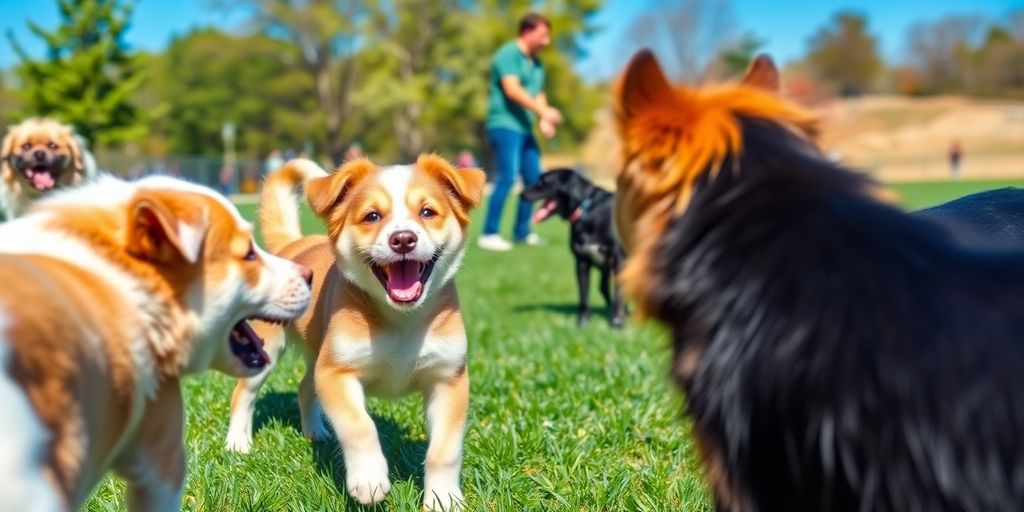
Getting your puppy used to new faces and places from the start can change the game. Early social experiences can help a pup feel at ease when meeting different people and animals, and social cues are a big help in shaping their reactions. Starting early makes a big difference. Even small, everyday interactions like visiting a quiet park or a calm friend’s home can pave the way for better behavior later on.
Group Training Classes
Small classes where your puppy meets other dogs can really smooth out their social skills. In these sessions, pups learn by watching each other and by following simple instructions. Some benefits of group classes include:
- Learning basic manners in a shared setting
- Picking up on simple cues from trainers
- Getting used to the sounds and movements of other animals
These classes give your puppy a chance to practice and understand friendly behavior in a low-pressure environment.
Exposure to Different Environments
Introducing your puppy to varied settings builds confidence in everyday life. Changing up locations can lessen surprises from sudden sounds or unusual smells. Try to include:
- Short trips on a calm street
- Visits to community parks with a mix of open areas and shaded spots
- Quick stops in different neighborhoods to see new sights
Regular outings, even if just for a few minutes, help mold a pup that is calm and curious about the world around them.
Mixing these social experiences with consistent training can set a firm foundation for a happy, well-mannered puppy.
Maintaining Consistency and Patience
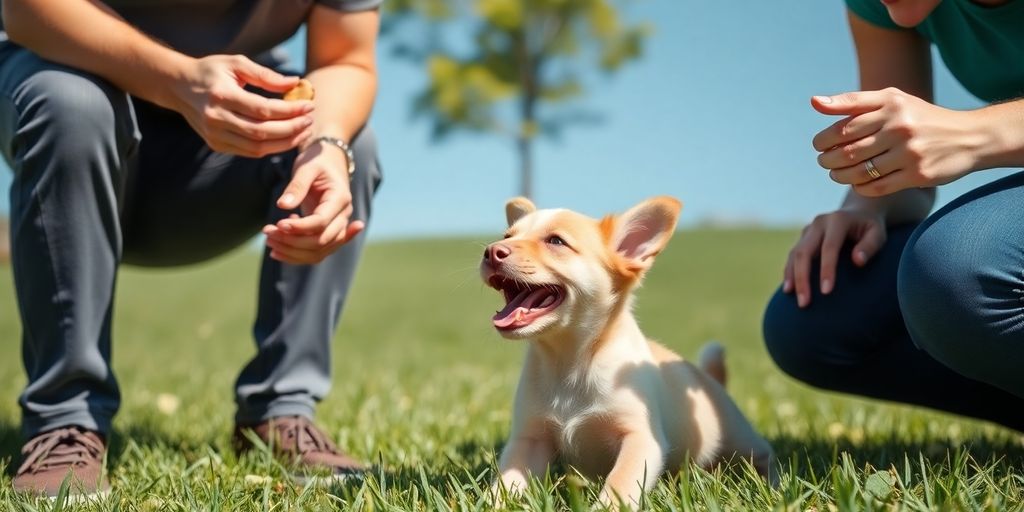
When raising a hyper puppy, keeping a predictable routine and enough patience is everything. Being regular in your plan helps your puppy know what comes next, and even if progress is slow, it adds up over time.
Establishing a Training Schedule
Set aside a consistent time each day for training sessions. Having a set schedule not only sets clear expectations for your puppy but also helps you adjust to their pace. Consider the following daily routine as a starting point:
| Time | Activity | Notes |
|---|---|---|
| 7:00 AM | Morning walk and exercise | Boosts energy levels |
| 12:00 PM | Short training session | Practice commands |
| 5:00 PM | Playtime and reinforcement | Rewards with treats |
Regular practice, such as during regular sessions, supports steady improvement. Remember to keep everything simple and predictable, as this builds the structure that your hyper puppy needs.
Staying Calm During Training
When the puppy acts out, it’s easy to lose your cool. However, staying calm sets the atmosphere for a more productive training session. Keeping your energy low helps your puppy settle better. It sounds simple, but a tense mood can make a hyper pup even more excitable. Try these steps to maintain composure:
- Take a few deep breaths before starting each session.
- Step away for a brief moment if you feel frustrated.
- Use a soft voice and steady tone during commands, much like a calm approach you might read about.
Tracking Progress Over Time
Keeping a record of training outcomes can guide future sessions and show you small wins along the way. Over time, even minor improvements are worth noting.
You can track progress with these simple steps:
- Write daily notes on specific behaviors or commands worked on.
- Mark off progress milestones on a weekly chart.
- Highlight days when the puppy responds well to training.
Below is a quick example of how you might structure your tracking table:
| Date | Focus Area | Success Level (1-5) |
|---|---|---|
| 03/01/2025 | Sitting command | 3 |
| 03/02/2025 | Staying calm during play | 4 |
| 03/03/2025 | Recall command | 2 |
This detailed approach, along with insights from training tips, helps you adjust your methods so that both you and your puppy can enjoy the process.
Consistency in routine not only guides your puppy toward expected behaviors but also builds trust between you two. Stick with it, even on hard days, and you’ll see progress over time.
When to Seek Professional Help
Identifying Severe Behavioral Issues
Sometimes, the signs that your hyper puppy is getting out of hand are hard to ignore. Watch for behaviors such as:
- Excessive biting or snapping at people
- Uncontrolled barking and growling
- Refusal to obey simple commands
- Elevated anxiety when facing new situations
If you see these issues persisting or worsening despite your at-home efforts, it might be time to consider getting extra guidance.
Finding Qualified Trainers
Not every challenge can be solved at home. In these cases, it’s wise to search for help from experienced professionals like qualified dog experts. Here are a few tips to guide you:
- Ask local vets or pet stores for trainer recommendations
- Read reviews and verify that the trainer has worked with similar issues
- Ensure the trainer utilizes reward-based methods that create a safe learning environment
When in doubt, reaching out to professionals could save you plenty of frustration.
Understanding Training Programs
Not all training programs are built the same. There are several types you might consider:
- Private lessons focused on your puppy’s unique needs
- Board-and-train programs which offer immersive learning experiences
- Group classes that help with both obedience and socialization
Professional support can make the difference.
If regular training methods aren’t working, structured programs provide clear protocols, honest feedback, and a consistent schedule that can really help you and your puppy move forward.
Recognizing when to seek professional help is a tough but important step in making sure these traits don’t lock in long-term. Stick with it and be open to changing tactics as your puppy grows.
If you’re unsure about your dog’s behavior or training, it might be time to get some help. Professional trainers can offer guidance tailored to your dog’s needs. Don’t hesitate to reach out for support; it can make a big difference in your dog’s life. For more information and resources, visit our website today!
Wrapping It Up: Training Your Hyper Puppy
So, there you have it! Training a hyper puppy isn’t a walk in the park, but with the right approach, it can be done. Remember, patience is your best friend here. Stick to the techniques we talked about, and don’t forget to celebrate the small wins. Every time your pup listens or calms down, give them a treat or some praise. It really helps! If things get tough, don’t hesitate to reach out for professional help. You’re not alone in this. With time and effort, you’ll see your energetic little buddy turn into a well-behaved companion. Keep at it, and enjoy the journey!
Frequently Asked Questions
What are the signs that my puppy is hyperactive?
Hyperactive puppies might seem restless, jump around a lot, or have trouble sitting still. They may also bark excessively or chew on things they shouldn’t.
Why is my puppy so hyper?
Puppies can be hyper for many reasons, including their age, breed, and lack of exercise. Some breeds are naturally more energetic than others.
How can I train my hyper puppy?
Using positive reinforcement, like treats and praise when they behave well, can help. Also, make sure to give them plenty of exercise and mental activities.
Is exercise important for my puppy’s training?
Yes! Regular exercise helps burn off extra energy, making it easier for your puppy to focus and learn during training.
When should I start socializing my puppy?
It’s best to start socializing your puppy as early as possible, usually around 8 weeks old. This helps them become well-adjusted and friendly.
When should I get professional help for my puppy’s behavior?
If your puppy shows signs of severe aggression or if you’re struggling to manage their behavior, it’s a good idea to seek help from a professional trainer.