
Clicker training for dogs is a great way to teach your furry friend new tricks and commands. It’s a method that uses a small device to make a clicking sound, which signals to your dog that they’ve done something right. This type of training is all about positive reinforcement, making it fun and rewarding for both you and your dog. Whether you’re new to dog training or looking to refine your techniques, clicker training offers a straightforward and effective approach to communicating with your pet.
Key Takeaways
- Clicker training uses a device that makes a sound to mark desired behaviors.
- Timing is crucial; click at the exact moment your dog performs the desired action.
- Positive reinforcement is key; always follow the click with a treat or praise.
- Consistency and patience are important for successful training results.
- Clicker training can strengthen the bond between you and your dog.
Understanding the Basics of Clicker Training for Dogs
What is Clicker Training?
Clicker training is a method of teaching dogs that revolves around using a small handheld device called a clicker. This device makes a distinct clicking sound when pressed. The idea is to pair this sound with treats or rewards, helping your dog understand which behaviors are desirable. It’s like saying ‘good job’ in a language they can understand.
The Science Behind Clicker Training
The magic behind clicker training lies in its foundation in operant conditioning, a concept popularized by B.F. Skinner. When your dog hears the click, it knows a reward is coming, reinforcing the behavior it just performed. This method taps into the dog’s natural learning processes, making training sessions more efficient and enjoyable.
Benefits of Clicker Training for Dogs
Clicker training offers numerous benefits for both dogs and their owners:
- Clear Communication: The clicker provides a consistent and clear signal, which helps dogs understand exactly what is expected of them.
- Positive Reinforcement: By focusing on rewarding good behavior, clicker training encourages dogs to repeat actions that earn them a click and a treat.
- Stronger Bond: Training sessions become a fun and rewarding experience, strengthening the relationship between you and your dog.
Clicker training transforms the way you communicate with your dog, making learning a fun and rewarding experience. It’s not just about teaching tricks; it’s about building a partnership based on trust and understanding.
Getting Started with Clicker Training for Your Dog
Choosing the Right Clicker
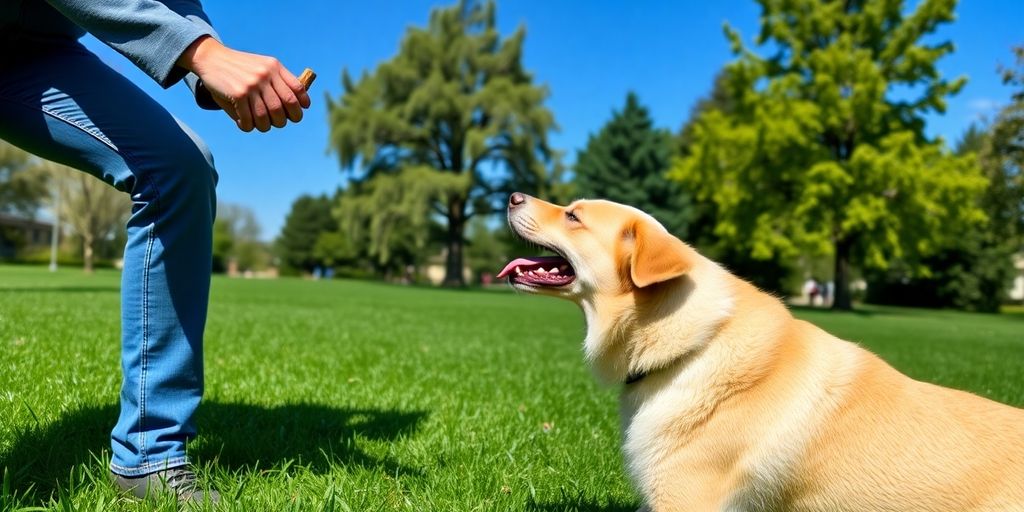
Picking the right clicker is like choosing the right tool for any job. There are several types available, from simple button clickers to more advanced models with adjustable sound settings. The key is to find one that’s comfortable for you to use and easy for your dog to hear. Some clickers come with wrist straps or finger loops, making them easy to hold during training sessions. If your dog is sensitive to loud noises, consider a clicker with a softer sound.
Introducing Your Dog to the Clicker
Introducing your dog to the clicker is a crucial first step. Start by clicking and immediately giving your dog a treat. This simple action helps your dog associate the sound with a reward. Do this several times until your dog looks at you expectantly after hearing the click. Remember, patience is key. Some dogs catch on quickly, while others may need a bit more time.
Setting Up a Training Schedule
Creating a consistent training schedule is vital for success. Aim for short, frequent sessions—about 5 to 10 minutes several times a day. This keeps your dog engaged and prevents boredom. Try to train when your dog is hungry, as they’ll be more motivated by treats. Also, mix up the locations to keep things interesting and help your dog generalize the commands in different environments.
Consistency and patience are your best friends when starting clicker training. Keep sessions fun and light, and always end on a positive note to maintain enthusiasm.
Mastering Basic Commands with Clicker Training
Teaching Sit, Stay, and Come
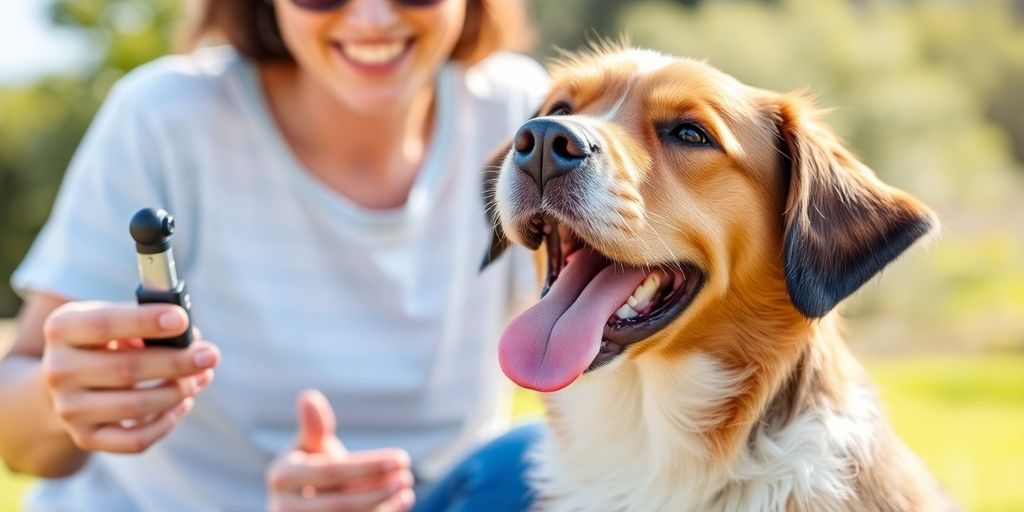
Teaching your dog the basics like "Sit," "Stay," and "Come" is a great starting point. These commands are the foundation of mastering dog obedience training. Start with "Sit" by holding a treat close to your dog’s nose, then move your hand up, allowing their head to follow the treat and causing their bottom to lower. Once they’re in a sitting position, click and reward. For "Stay," ask your dog to sit, then open your palm in front of them and say "Stay." Take a few steps back, and if they remain, click and treat. "Come" is best taught with a leash. Say "Come" while gently pulling the leash towards you, and when your dog approaches, click and reward.
Using Clicker Training for Potty Training
Potty training can be made easier with clicker training. When your dog goes to the bathroom outside, click and reward immediately. This helps them associate the act with positive reinforcement. If accidents happen indoors, simply clean it up without fuss, as negative reactions can confuse your pet. Consistency is key, so keep a regular schedule for bathroom breaks.
Building Consistency in Commands
Consistency in commands is crucial for your dog to understand and respond properly. Use the same words and tone each time you give a command. Regular training sessions, ideally short and engaging, will reinforce what your dog learns. Remember, patience and repetition are your best friends in this process. A consistent routine helps your dog understand expectations and builds a stronger bond between you two.
Training isn’t just about getting your dog to follow commands; it’s about building a relationship based on trust and understanding. With time and effort, you’ll see your dog not only learning commands but also enjoying the process.
Advanced Clicker Training Techniques

Training Complex Tricks
Training your dog to perform complex tricks can be a fun and rewarding experience. It’s all about breaking down each trick into manageable steps. For instance, if you want to teach your dog to roll over, start with the basics: "down," "roll," and "up." Click and treat each small step to reinforce the behavior. Remember, patience is key here, as some dogs might take a little longer to master each part.
Incorporating Hand Signals
Using hand signals along with clicker training can enhance your dog’s learning. Dogs are great at picking up visual cues, so combining a hand signal with a verbal command and a click can make learning more effective. Start with simple signals for commands like "sit" or "stay," and gradually move to more complex ones. Consistency is crucial, so make sure to use the same hand signal every time you give a command.
Using Clicker Training in Different Environments
Dogs can behave differently depending on their surroundings. To ensure your dog can perform commands anywhere, practice clicker training in various environments. Begin in a quiet, familiar place, then slowly introduce more distractions. This way, your dog learns to focus on you despite the chaos around them. Training in different settings helps build a strong, reliable response to commands.
Practicing clicker training in diverse environments not only strengthens your dog’s skills but also builds confidence, ensuring they can handle any situation with ease.
By following these advanced techniques, you can explore effective clicker training techniques for dogs and strengthen the bond with your furry friend. Remember, the goal is to make training enjoyable and rewarding for both you and your dog.
Troubleshooting Common Clicker Training Challenges
Addressing Fear of the Clicker
Some dogs might be a bit scared of the clicker’s sound at first. It’s new and strange, right? To help them get used to it, try clicking the device a few times at a distance. Don’t click it right next to their ear, as that might freak them out more. You can also try using a softer clicker or even a pen that makes a similar noise. Once they seem more comfortable, you can start using the clicker during training sessions. If your dog is still uneasy, consider using a different sound, like a whistle or a bell.
Overcoming Training Plateaus
Every dog hits a point where progress seems to stall—it’s normal! To push through, mix up the routine a bit. Introduce new commands or change the environment where you train. Dogs love variety, and it keeps them engaged. You can also break down complex tricks into smaller steps, rewarding each small success. This way, your dog feels like they’re winning, and you’ll see progress again.
Ensuring Consistent Results
Consistency is your best friend when it comes to training. Stick to a regular schedule and make sure everyone involved in training your dog is on the same page. Use the same commands and gestures so your dog doesn’t get confused. Remember, repetition is key. Over time, your dog will learn what you expect from them. And don’t forget to celebrate the little victories along the way! This helps maintain your dog’s enthusiasm and reinforces positive behavior.
Enhancing the Bond with Your Dog Through Clicker Training
Building Trust and Communication
Clicker training isn’t just about teaching tricks; it’s about building a strong bond between you and your dog. When you use a clicker, you’re not just giving commands; you’re engaging in a form of communication that your dog can understand. The click sound acts as a bridge between your command and your dog’s action, creating a language both of you can share. This method fosters trust because your dog learns that the click always means something positive is coming.
Making Training Fun and Engaging
Training sessions should be enjoyable for both you and your dog. Keep things light-hearted and fun by incorporating games and play into your routine. Use the clicker to mark positive behaviors during playtime, turning learning into a game. This approach not only makes training more engaging but also strengthens your connection with your dog by associating learning with fun.
Celebrating Successes Together
Every small victory in training is a chance to celebrate with your dog. Whether it’s mastering a new trick or simply responding to a basic command, take the time to acknowledge these wins. This not only reinforces the behavior but also makes your dog feel appreciated. Remember, clicker training emphasizes positive reinforcement, which is key to nurturing a rewarding relationship with your pet.
"Training isn’t just about teaching commands; it’s about developing a partnership where both you and your dog understand each other better."
If you want to strengthen your relationship with your dog, consider using clicker training. This fun and effective method helps your dog learn new skills while building trust between you two. Ready to get started? Visit our website for more tips and resources!
Wrapping It Up
So, there you have it! Clicker training can be a game-changer for you and your pup. It’s all about timing, patience, and a little bit of practice. Whether you’re teaching basic commands or fun tricks, the clicker helps make things clear for your dog. Remember, every dog learns at their own pace, so don’t rush it. Enjoy the process and watch your bond with your furry friend grow stronger. Happy training!
Frequently Asked Questions
What exactly is clicker training?
Clicker training is a way to teach dogs using a small device that makes a clicking sound. When your dog does something good, you click the button and give them a treat. This helps them learn what behaviors are good.
Do I need to use a clicker, or can I use something else?
While a clicker works best, you can use other things like a pen that makes a clicking sound or even a special app. The important thing is that the sound is unique so your dog knows it’s a signal for good behavior.
How does clicker training help my dog learn?
Clicker training helps your dog learn by connecting the clicking sound with a reward, like a treat. Over time, your dog learns that doing certain things gets them a click and a treat, so they do those things more often.
Can I use clicker training for all types of commands?
Yes, you can use clicker training for simple commands like ‘sit’ and ‘stay,’ as well as for teaching more complex tricks. It’s a flexible method that works for many different types of training.
What if my dog is scared of the clicker sound?
If your dog is scared of the clicker, start by clicking it away from them and slowly bring it closer as they get used to the sound. You can also try using a softer clicker or a different sound that doesn’t scare them.
Do I always have to give treats with the clicker?
At first, treats are important to help your dog learn. But as they get better, you can give treats less often and just use the clicker to let them know they did a good job.