
Crate training a puppy can seem like a big job, but it’s really just about patience and making the crate a nice place for your little buddy. When done right, crate training helps with potty training and gives your puppy a safe spot to chill. It’s not just about putting your pup in a box; it’s about creating a cozy den they love. You might think it’s tough, but once you get the hang of it, it’s pretty straightforward. Let’s dive into some key takeaways that can make the whole process easier for you and your furry friend.
Key Takeaways
- Start crate training early to build comfort and routine.
- Use treats and toys to make the crate a fun place.
- Keep crate sessions short at first, then slowly increase the time.
- Stay consistent with training to help your puppy adjust.
- Always make sure the crate is a safe and comfy space for your pup.
Understanding the Basics of Crate Training a Puppy
The Importance of Crate Training
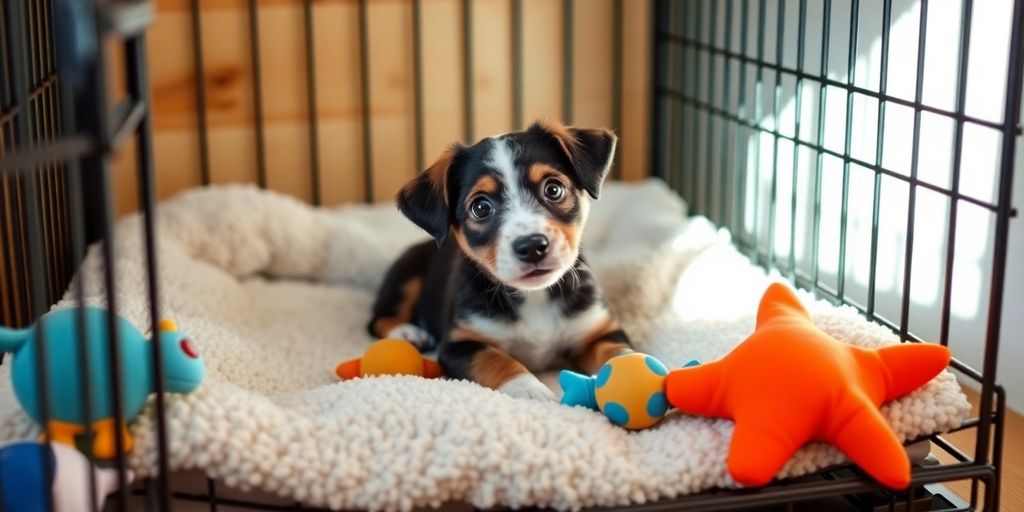
Crate training can turn your home into a more harmonious place. It’s not just about confinement; it’s about giving your puppy a safe, cozy spot to call their own. Think of the crate as your puppy’s personal den—a place where they can retreat when feeling overwhelmed or tired. This little sanctuary can work wonders for both you and your furry friend.
How Crate Training Benefits Your Puppy
Crate training offers a bunch of benefits. For starters, it aids in potty training. Puppies naturally avoid soiling their sleeping area, so a crate helps them learn to "hold it" until they’re let outside. Plus, it keeps them from chewing up your favorite shoes or gnawing on furniture when you’re not watching. A crate-trained puppy is often calmer and more relaxed, making things like vet visits or car rides less stressful.
Common Misconceptions About Crate Training
There are a few myths floating around about crate training. Some folks think it’s cruel, but when done right, it’s the opposite. It’s not about locking your pup away; it’s about providing structure and safety. Another misconception is that crates are only for young puppies. In reality, dogs of all ages can benefit from having a dedicated space to chill. It’s all about balance and making sure the crate is a positive place for your pup.
Crate training, when approached with patience and consistency, can transform the way your puppy adapts to their new home environment. It’s about making the crate a place of comfort and security, not punishment or stress. Remember, every puppy is different, and finding what works best for yours is key to a happy, well-adjusted pet.
For more insights on crate training a puppy, explore the basics and learn how to create a welcoming and secure space for your new furry family member.
Choosing the Right Crate for Your Puppy
When it comes to picking a crate for your puppy, you’ve got a few options on the table. Each type has its own perks and drawbacks, so let’s break them down:
- Wire Crates: These are like the Swiss Army knife of crates. They’re super versatile, provide great ventilation, and you can see your pup from all angles. Plus, they’re easy to clean. But, they can be a bit heavy and noisy if your pup decides to move around a lot.
- Plastic Crates: These offer a bit more privacy for your pup. They’re great for travel and are usually pretty durable. However, they might not offer as much ventilation as wire crates, and your pup might feel a bit isolated.
- Soft-Sided Crates: Perfect for the on-the-go pup. They’re lightweight and easy to carry. But, they might not stand up to a determined chewer, and they’re not the best for long-term crating.
Choosing the right type really comes down to your puppy’s personality and your lifestyle.
Getting the size right is crucial. Your puppy’s crate should be big enough for them to stand, turn around, and lie down comfortably. But not too big, or they might decide one corner is their bathroom.
Here’s a quick guide:
| Size | Length | Width | Height |
|---|---|---|---|
| Small | 24” | 18” | 21” |
| Medium | 30” | 21” | 24” |
| Large | 36” | 24” | 27” |
| XL | 42” | 28” | 31” |
| XXL | 48” | 30” | 33” |
Measure your pup to make sure you’re picking the right size. If they’re a puppy, consider getting a crate with dividers so you can adjust the space as they grow.
When shopping for a crate, keep an eye out for these must-have features:
- Durability: You want something that’s going to last. Look for sturdy materials that can handle a bit of wear and tear.
- Ventilation: Good airflow is important to keep your pup comfy.
- Portability: If you plan to move the crate around, make sure it’s easy to carry.
- Safety: No sharp edges or corners that could hurt your pup.
- Easy to Clean: Let’s face it, accidents happen. A crate that’s easy to clean will make your life a lot easier.
Picking the right crate is a big step in your puppy’s training journey. It’s all about finding that sweet spot between comfort, safety, and practicality. Remember, this is your pup’s little home, so make it a good one!
Creating a Positive Crate Environment
Introducing Your Puppy to the Crate
Getting your puppy used to a crate can be a bit of a task, but it doesn’t have to be stressful. Start by making the crate a friendly place. Leave the door open and let them explore it on their own terms. You might find it helps to toss in a favorite toy or some treats. Introduce the crate with rewards like treats and chewies to create a happy connection. Gradually, your puppy will start to see the crate as a safe and cozy spot.
Using Treats and Toys for Positive Reinforcement
Treats and toys are your best friends when it comes to crate training. When your pup shows interest in the crate, reward them with a tasty treat or a beloved toy. This positive reinforcement can work wonders. Try feeding your puppy meals inside the crate too. This way, they associate it with good things like food and fun. Remember, consistency is key—keep at it, and you’ll see results.
Establishing a Safe and Comfortable Space
The crate should be more than just a cage; it should be a little haven for your puppy. Line it with soft bedding or a crate mat to make it inviting. Make sure it’s in a quiet part of your home where your puppy feels secure. Avoid using the crate as a punishment. Instead, aim to create a space where your puppy feels relaxed and at ease.
Building a positive crate environment isn’t just about the physical space—it’s about making your puppy feel safe and happy in their little den.
Step-by-Step Guide to Crate Training a Puppy
Starting with Short Crate Sessions
Begin crate training with short sessions. Initially, let your puppy explore the crate freely. Toss a few treats inside to encourage them to enter. Keep the door open so they don’t feel trapped. You want them to see the crate as a safe space, not a place of confinement. Gradually, you can close the door for a minute or two while staying nearby. This helps them get used to being inside without feeling abandoned.
Gradually Increasing Crate Time
Once your puppy is comfortable with short sessions, start to slowly increase the time they spend in the crate. You might start with five minutes, then ten, and so on. It’s important to do this incrementally to avoid overwhelming them. During this period, positive reinforcement is key. Reward them with treats or praise when they remain calm inside the crate.
Incorporating Crate Training into Daily Routine
Integrate crate time into your puppy’s daily routine. After playtime or a meal, let them spend a few minutes in the crate to rest. This not only helps with crate training but also establishes a routine. Consistency is crucial—your puppy will learn what to expect and feel more secure. Over time, they’ll see the crate as a normal part of their day, making it easier for overnight stays or when you need to leave them alone for short periods.
Remember, patience and consistency are your best tools in crate training. Every puppy is different, and while some may adapt quickly, others may need more time. Stay calm and supportive, and your puppy will eventually come to see their crate as a cozy den.
Troubleshooting Common Crate Training Challenges
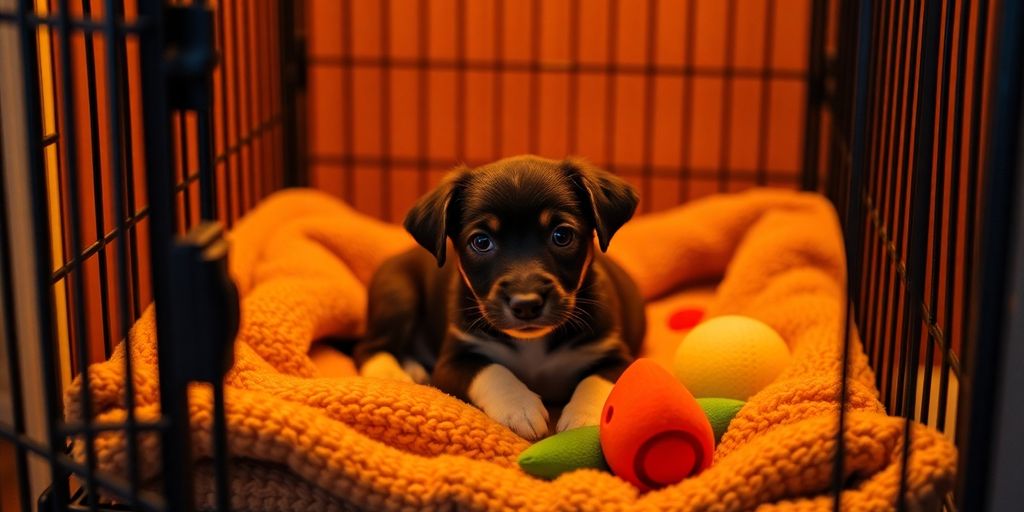
Crate training your puppy can sometimes feel like a never-ending battle. But don’t worry, you’re not alone. Many pet owners face a few bumps along the way. Let’s dive into some of the common challenges and how to handle them.
Dealing with Whining and Barking
Ah, the dreaded whining and barking. It’s like your puppy’s way of saying, "Hey, I don’t like this!" But here’s the thing: patience and consistency are your best friends. Start by ignoring the whining at first. Your pup needs to learn that noise doesn’t get attention. However, if the barking persists, check if they need a bathroom break or if something is genuinely bothering them.
- Establish a routine: Puppies thrive on routine. Make sure they’re fed, exercised, and have had a potty break before crating.
- Create a calm environment: Cover the crate with a blanket to make it cozy and reduce visual stimuli.
- Use positive reinforcement: Reward them when they’re quiet. This reinforces good behavior.
Addressing Separation Anxiety
Separation anxiety can be tough. Your puppy might feel like the world is ending when you leave. Start by leaving them alone for short periods and gradually increase the time.
- Start small: Leave the room for a few minutes and come back without making a fuss.
- Practice "stay" commands: Teach your puppy to stay in their crate while you move around the house.
- Comfort items: Leave a piece of your clothing in the crate. Your scent can be reassuring.
Overcoming Resistance to Entering the Crate
Sometimes, puppies just don’t want to enter the crate. It’s like they’re saying, "Nope, not today!" But you can change that.
- Make it inviting: Add soft bedding and their favorite toys.
- Use treats: Encourage them with treats placed inside the crate.
- Never force them: Forcing your puppy can create negative associations. Be gentle and patient.
"Consistency is key. Stick with it, and your puppy will eventually see the crate as a safe haven."
For more detailed solutions and tips, check out practical solutions for common crate training issues.
Long-Term Success with Crate Training
Maintaining Consistency in Training
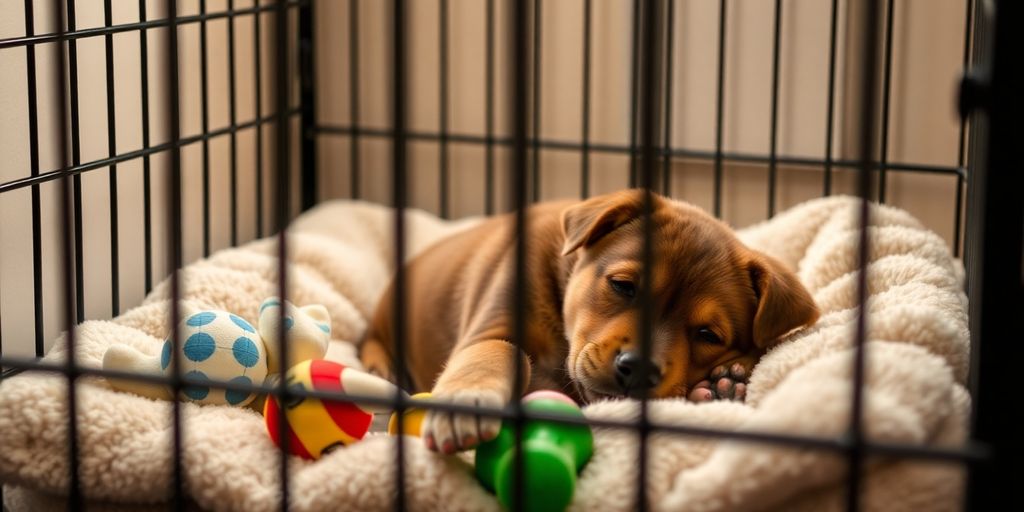
Consistency is the backbone of effective crate training. Stick to a routine, making sure your puppy knows when it’s time to be in the crate. Regularity helps your pup feel secure and understand what to expect. Use the crate during specific times like meals or when you leave the house. This way, your puppy will associate the crate with everyday activities, making it a normal part of their life.
Transitioning to Overnight Crating
Getting your puppy comfortable with overnight crating can take some time. Start by placing the crate in your bedroom so they feel your presence. Gradually move it to where you want it permanently. Ensure the crate is cozy and inviting, perhaps with a soft blanket or their favorite toy. To help a puppy sleep longer in a crate, make sure they get enough exercise during the day and try to limit water intake before bedtime.
Ensuring Your Puppy’s Comfort and Safety
Your puppy’s comfort and safety should always come first. The crate should be a sanctuary, not a punishment. Keep it clean and free of hazards. Regularly check for signs of wear and tear, especially if your puppy likes to chew. Also, ensure your pup has plenty of opportunities for exercise and playtime outside the crate to keep them happy and healthy.
Remember, the goal of crate training is to create a space where your puppy feels safe and happy. Be patient and positive, and you’ll build a trusting and loving relationship with your furry friend.
Crate training can lead to lasting success for you and your dog. By teaching your pet to feel safe and comfortable in their crate, you create a peaceful space for them. This not only helps with house training but also gives your dog a cozy spot to relax. Ready to learn more about effective crate training techniques? Visit our website for helpful tips and resources!
Wrapping It Up
So, there you have it! Crate training your puppy isn’t just about putting them in a box; it’s about creating a cozy little den they can call their own. Remember, every pup is different, so take your time and be patient. Keep it positive with treats and praise, and soon enough, your furry friend will see their crate as a safe haven. Whether it’s for house training or just giving them a place to chill, a well-trained pup in a crate can make life a whole lot easier. Got any tips or stories about your crate training journey? Share them in the comments below!
Frequently Asked Questions
What is crate training and why is it important for puppies?
Crate training involves teaching your puppy to see their crate as a safe and comfortable space. It’s important because it helps with house training, provides a secure place for your puppy to rest, and can prevent destructive behavior when you’re not around.
How do I choose the right crate for my puppy?
Choose a crate that’s big enough for your puppy to stand, turn around, and lie down comfortably. Consider the material too—wire crates offer more ventilation, while plastic ones provide a den-like feel.
How can I make my puppy feel comfortable in the crate?
Start by placing soft bedding and your puppy’s favorite toys inside the crate. Use treats and praise to encourage your puppy to enter the crate, and make sure it’s in a quiet, comfortable spot in your home.
What should I do if my puppy whines in the crate?
If your puppy whines, it might be because they need to go outside or are feeling anxious. Avoid letting them out immediately; instead, wait for a pause in the whining to teach them that quiet behavior gets rewarded.
Can crate training help with separation anxiety?
Yes, crate training can help with separation anxiety by giving your puppy a safe and familiar place to stay when you’re not home. It’s important to introduce the crate gradually and make it a positive experience.
How long does it take to crate train a puppy?
The time it takes to crate train a puppy varies. Some puppies adapt quickly in a few days, while others may take weeks. Patience and consistency are key to successful crate training.